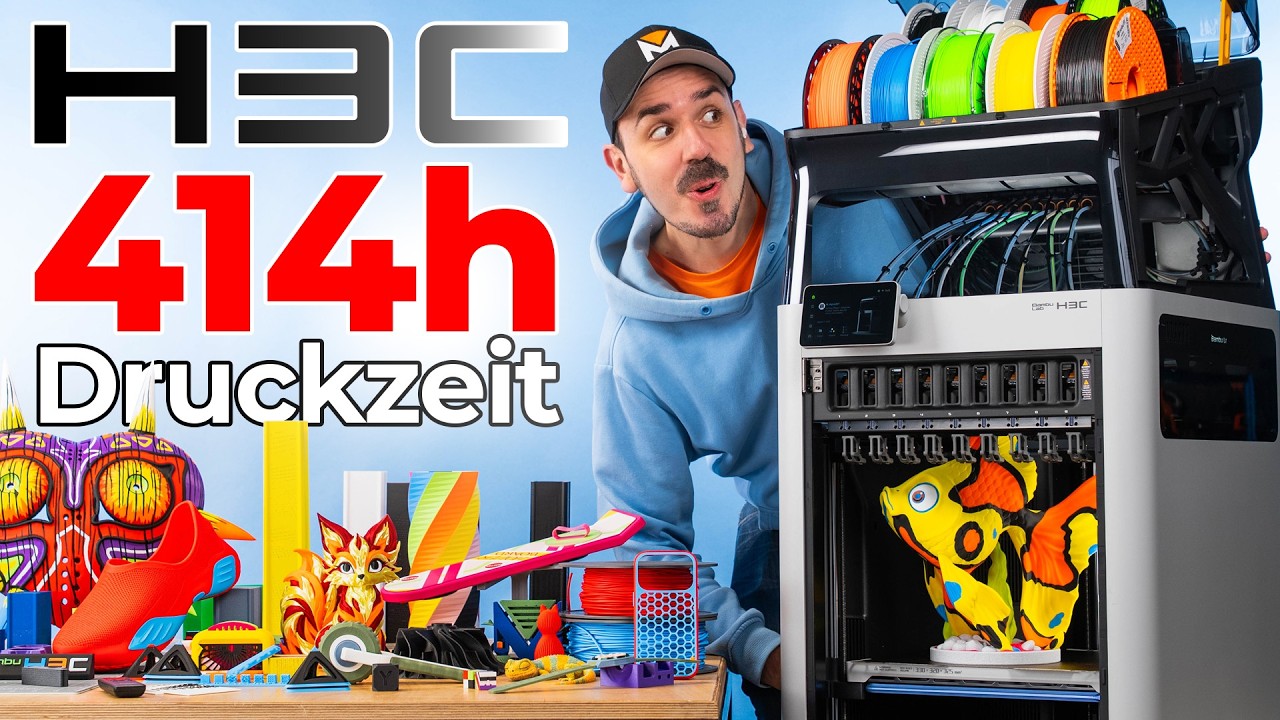
Uh…Yes (in multiple ways)…more cameras (because 2 is more than 1), more fans (because 2 is more than 1), more nozzles (because 9 is more than 1)…more parts = more cost…last I checked a 6 pack of beer costs more than a single beer…4 tires cost more than 1 tire…
And as far as tech? Same…I have yet (and probably never will) see a iPhone or Android “Flagship Model” cost less than last years model…THAT kind of tech right? But I am being condensending so I apoligize…but at the end of the day we can agree to disagree…I am ending this transmission…
Bottom line? Vote with your wallet…if this isn’t the printer for you then don’t buy it…waste of time discussing it with others that firmly believe it is the one for them…and vice versa so I need to take my own advice and shut up now…hope you have an awesome day printing!..
it’s not colours. Each nozzle size needs a separate filament roll, and if you want to reload you need a nozzle and a filament roll. Say you did CMYKW on 2 nozzle sizes (or 2 materials e.g pla and tpu)for your print, you would need 10 slots. however there is a regular ams port in 1 of the slots, which might help here - you could run multiple spools through that nozzle. I do think it’s a good design and I did order one, but that AMS seems like it could improved later.
what’s your solution? Only solution other than more toolheads would be a separate motor/gear set for each toolhead. Similar to AMS 2. This might come out soon, might not. Other solutions I can think of would change the simple and straight forward tube feed path that is a huge plus for anything other than color prints.
Not a color issue yet the example given is two sets of CMYKW. lol.
I agree it can be better. The amount of stuff this printer is able to do (supposedly) is crazy for a single release. I also think Bambu will improve and charge us for upgrades.
Still. Who has a better solution out now that works?
Then let me give a better example: imagine a simple black box that also contains some areas with very fine text. The worst-case scenario would be having to refill filament manually because the print continues overnight.
What would be the ideal setup in that case? A 0.2 mm nozzle with two rolls of black filament. A 0.4 mm nozzle with two rolls of black filament plus a separate roll for support material.
The AMS, however, has the limitation that it can only dry two slots. From there, you can certainly debate whether a standard AMS combined with an HT unit is better or worse than the AMS used in the H3C.
…or you might simply come to the conclusion that it depends entirely on the individual user’s situation, printing habits, and priorities.
That’s really my main point: there probably isn’t a universally “better” solution here. The best setup depends on what you’re printing, how often you’re printing, whether drying capacity matters to you, and how much value you place on features like convenience, automation, or material flexibility.
Try not to get too caught up in the hype and look at the bigger picture.
As I mentioned earlier, this device is completely unsuitable for print farms, for example, because it does not meet those needs.
Every solution comes with its own strengths and weaknesses, and what works best often depends on the specific use case rather than the marketing claims.
whole-room dehumidification is a thing in injection moulding factories. I don’t know what it costs, but if you have enough 3d printers printing nylon, it’s probably cheaper than individual dryboxes.
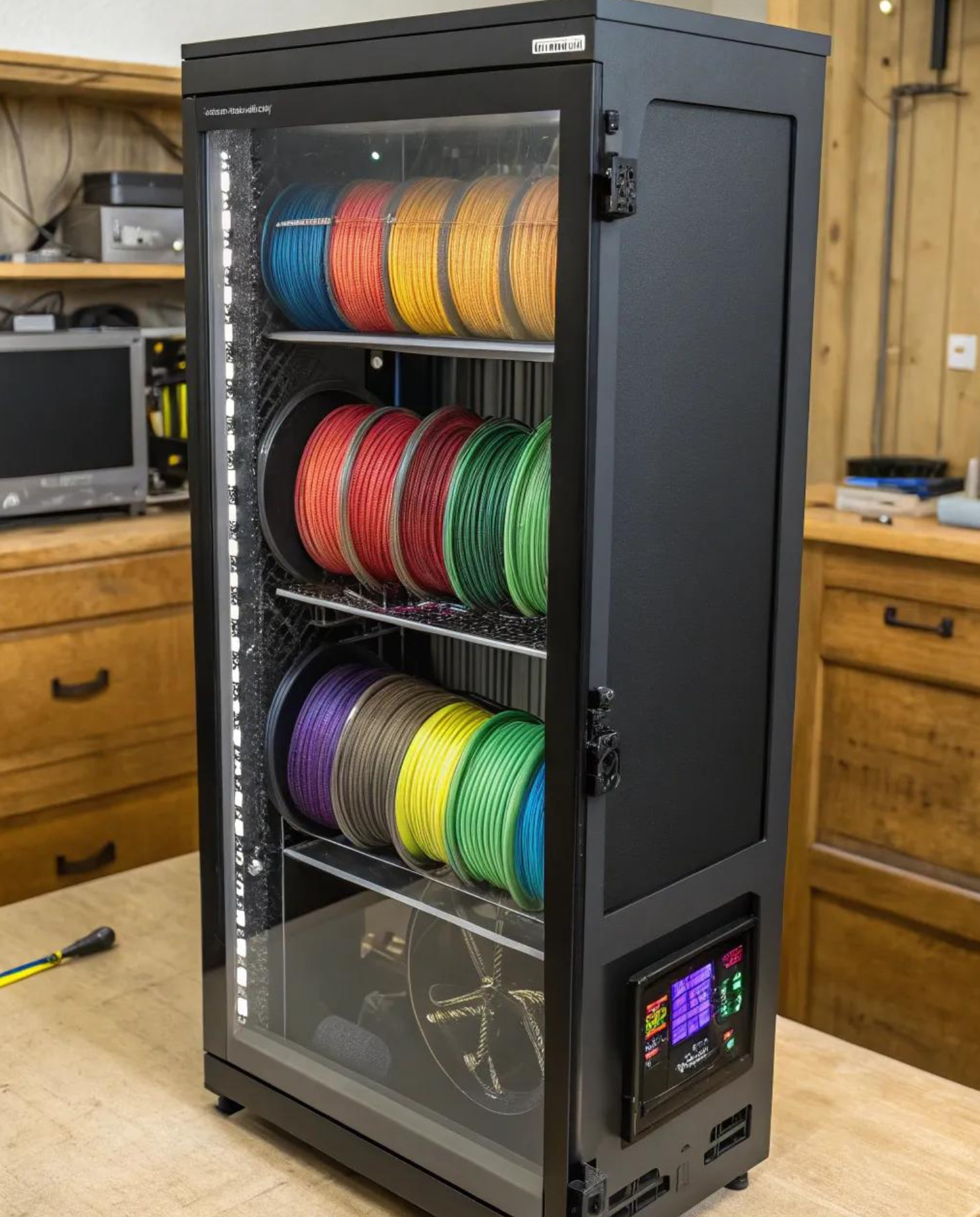
I’m guessing - and this is just a guess - that anyone who spends that much money on a 3D printer can probably afford a filament drying cabinet in the same price range. It doesn’t have to be the whole room.
While I understand the whole “the AMS does not unload itself” arguement? After going through tearing apart my first AMS2 Pro for 2 months straight…only to have them send me a brand new one…which now has a piece of broken filament in it as well? I am DOWN with some manual loading and unloading…anything is less painfull that tearing apart another AMS unit because of some stupid motor or clogging…
Some nylon really needs to be printed from the dehumidifier, which means it needs to be near the printers, and then it’s basically dryboxes everywhere.
A lot more than we were willing to pay so instead we instead installed a dozen massive AC units and just hope for the best.
Also nobody brings a whole room or factory down to single digit RH needed to keep nylon and PETG dry. Lower than 40% causes serious issues with equipment over time. We would keep a factory in the 40-50% range and use individual drying systems from there.
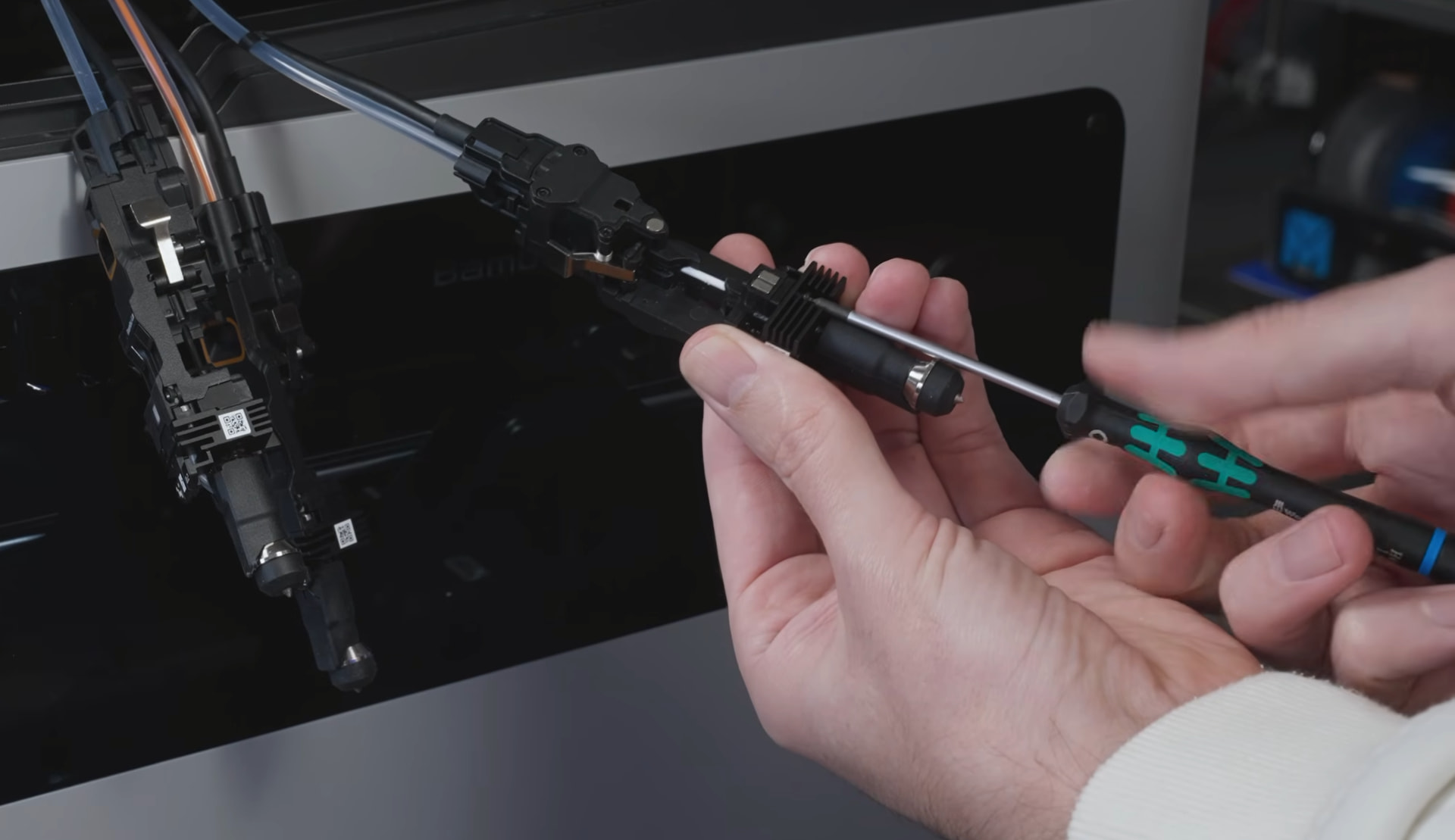
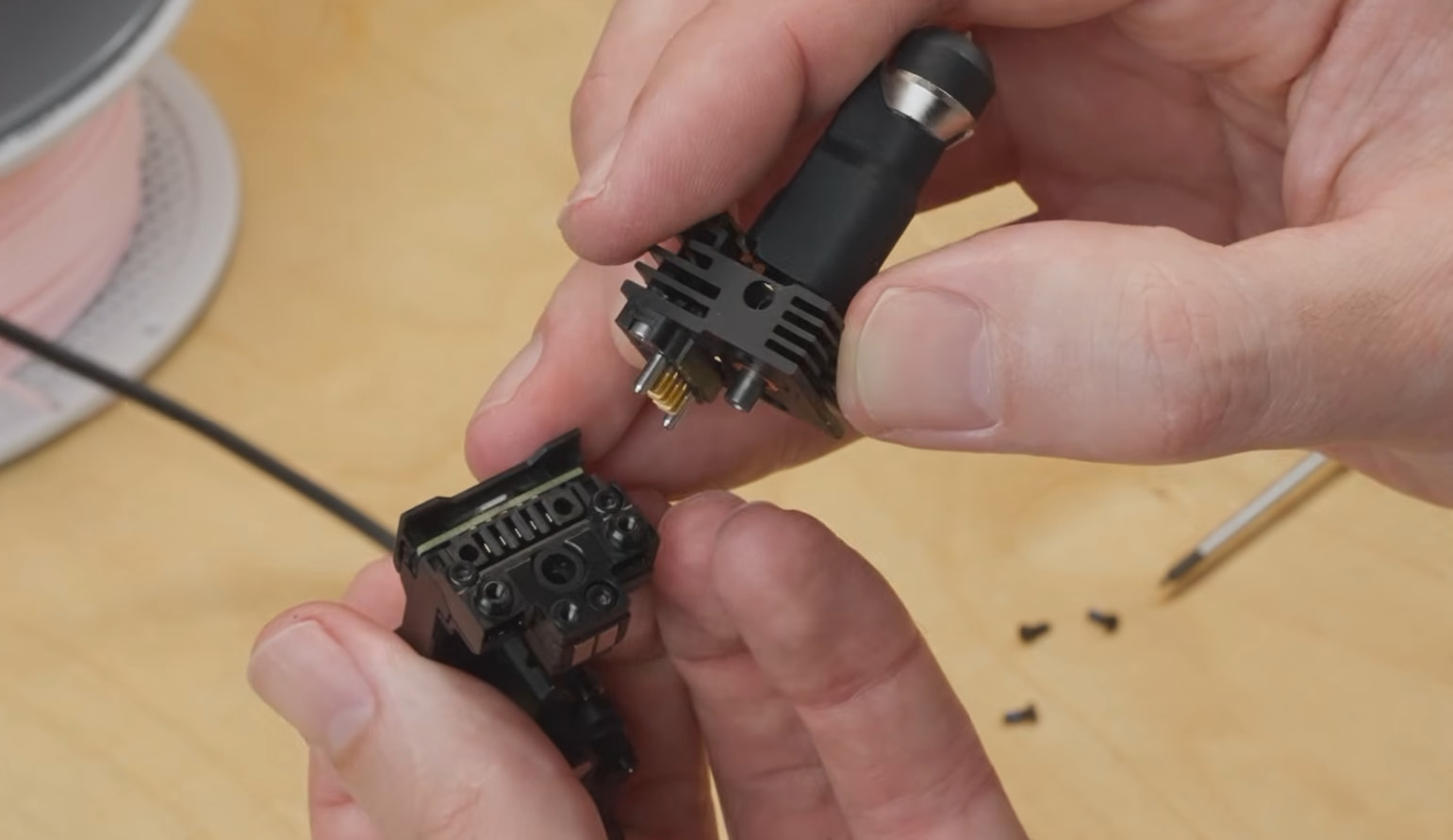
I don’t mean that as a criticism, either positive or negative. However, when it comes to nozzle clogs, there will definitely be some maintenance involved. The nozzles are more complex than standard ones and they’re also screwed in, which can make cleaning or replacing them a bit more involved.
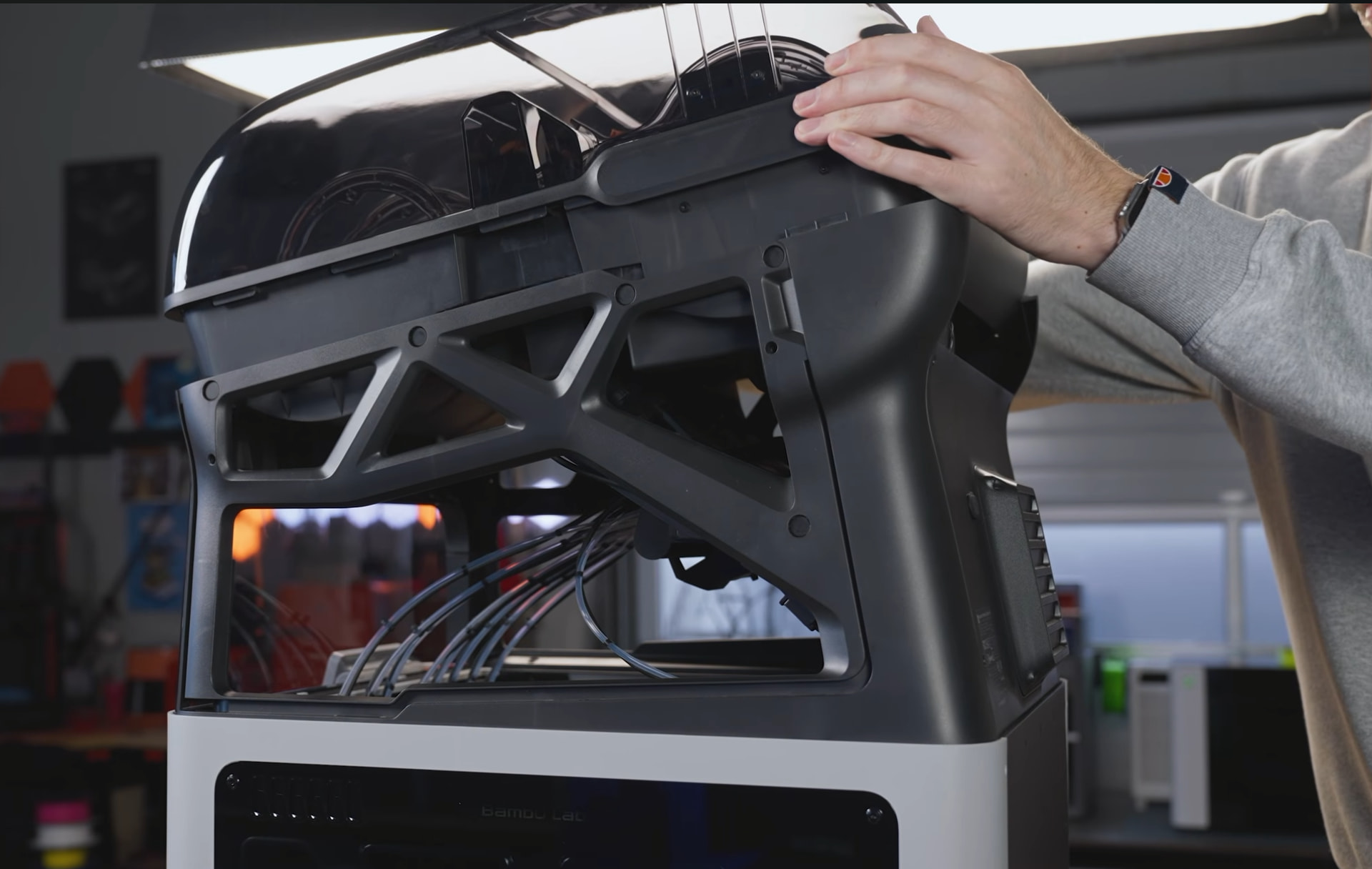
If you want to service or change the entire tool #1 or #9 - that is, the one on the far left or far right - not just the nozzle - you’ll need to remove the side panels from the AMS and lift the AMS:
I’m not saying it’s easier or harder. That’s something everyone will have to decide for themselves based on their own experience and priorities. I’m simply looking at it from a practical perspective and describing how it is implemented.
I meant the the dryer cabinet on the ambiguously kitchen-workshtop table with the odd perspective and dubious spools and logos; that is the linked posted to the quote