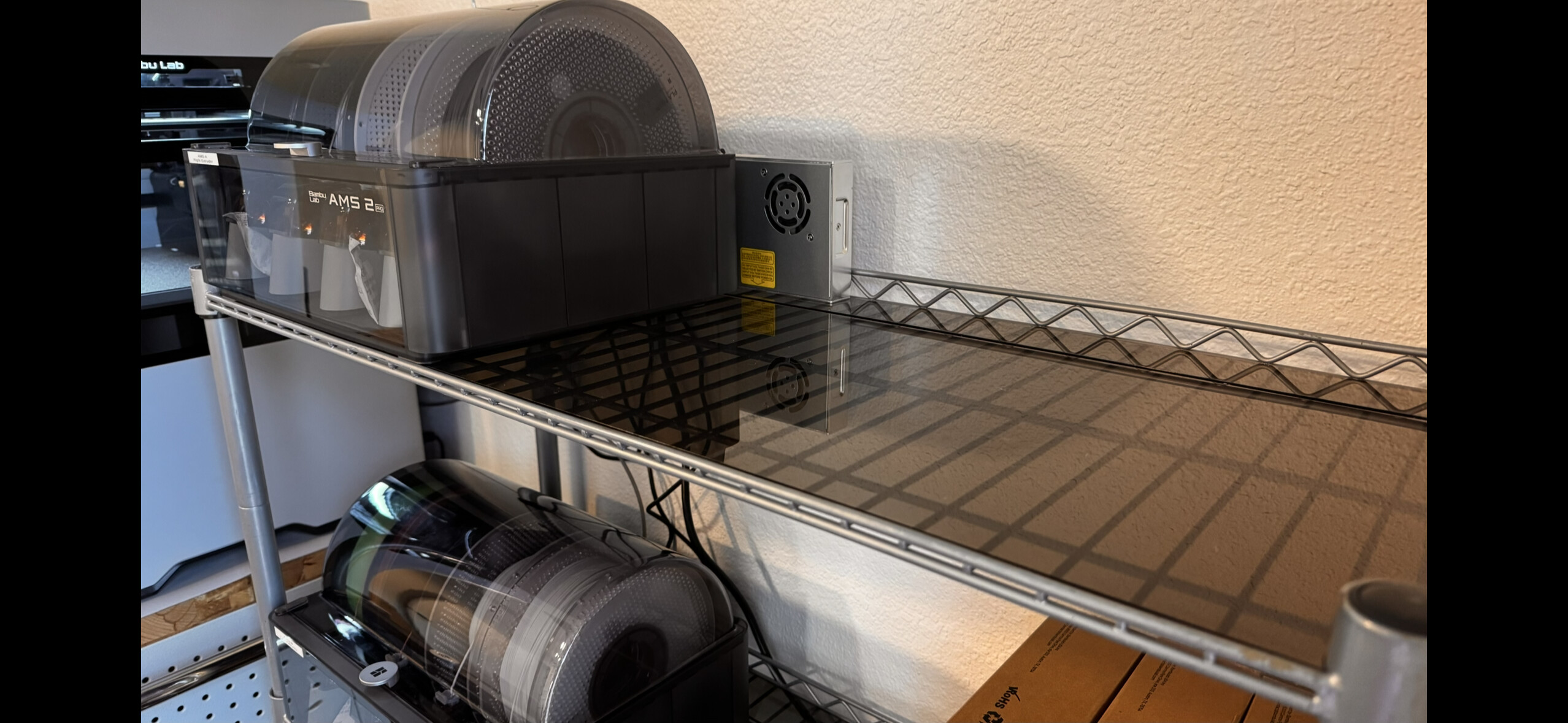
I think you might be right but remote troubleshooting is hard. Actually, that stunning amount of bumps is way more than anyone has posted here that I’ve seen. It actually had me questioning if it could even be water.
When people see those bumps, when it really is moisture, they frequently report popping and hissing noises which you didn’t mention. But generally people are talking about PLA and PETG, too.
But poor layer adhesion is another sign of water. I’m sure there are settings that affect that too which just makes teasing out root causes harder.
If you don’t have a filament dryer there are ways to use the printer heat bed detailed in the Bambu wiki on drying filament. The AMS2 isn’t the best for drying the higher temperature stuff. The wiki is linked on the filament pages in the Bambu store.
Fortunately, I have a “keep warm” mode on this gas stove. And to be even safer, who would trust the set temp anyway? I put two temperature probes in there (one on each spool) and have the Temp Pro unit set to alarm me if the temp reaches 80.
The Bambu wiki says 90-100C for a bed temp if drying ABS in the printer but filamenthub says 70-80C for a drying temperature for regular filament dryers.
I have no experience with drying ABS though. All drying at lower temperature will do is take longer. I’d be tempted to stay below 75C but don’t know your time constraints.
One thing is that looks like it might be a gas range. If true, the flame will be increasing the humidity while the heat is decreasing it.
Great for baking. Not as great for drying filament. That humidity will limit how much water you’ll be able to remove that way. And you don’t want to stink up your oven either.
Anyway, just a heads-up that a gas stove isn’t the best option for filament drying because of the water from combustion. But it should produce a change. And that’s all you really need to see how to fix it.
That does look terrible.
I will just say that the eddy sensor shouldn’t be the cause, at least not without something going on. Something might be broken.
If working as intended, Bambu ABS should came off pretty decent. I print those (H2S depicted but same on my H2D) using default flow rate, default seam settings, auto PA produces consistent results with good seams/surfaces. (65C chamber but I don’t think it matters)
Hope you find the issue but it shouldn’t require manual calibrations of FR/PAs… too much of a hassle for ABS
You can try shortening the PTFE if drying alone doesn’t solve it.
If I run the chamber at 65°, I can’t touch the lower left side panel or it will burn me! That has to be a defect. The outer shell of the printer shouldn’t get this hot. I have to set the chamber to no more than 50°.
I’m the type of consumer that would just pay more for none of these types of shortcomings. It is a shame when there’s no option to just get a product that isn’t intentionally flawed.
It’s not the panels being defect, it’s just the panels being ABS (irrc). It’s not a great heat insulator and it will expand.
These aren’t structural (metal frames are) and shouldn’t impact print performance or precision.
What’s a good alternative? Other amorphous thermoplastic will also expand, so will fiber composites (just less). Making every panel out of metals or specialized glass might do but, the benefits would seem largely aesthetic.
I don’t stay in the same room when ABS is being printed.
As far as I’m concerned it’s not inherently that different vs. airliners using composite polymer skins and they had to account for expansion and extreme cyclical stress etc.
For my money, I like how effortless a hot chamber makes printing these stuff .
I don’t know what the deal is with Bambu and wet ABS. ABS by nature is minimally hygroscopic. In fact I just found an old mostly-usd roll of Hatchbox ABS that the company bought for their old printer before I started here 11 years ago. I popped it in and it printed perfectly in our H2D. I used up that, some old Sainsmart ABS and one other unlabeled ABS - all more than 11 years old and stored in the open - and they all printed flawlessly. I put all three in the AMS2 and told it they were all the same color and printed a bunch of things including a new light shroud for our manual lathe (Grizzly G0709 Lathe Replacement Light Shroud - Free 3D Print Model - MakerWorld). The color swap doesn’t bother me at all.
I had the same issue when I switched to a 0.6 mm nozzle on a P1S printing PCTG, the divots in the print. I changed some flow rate settings like retraction, extra material, and retraction speed, that seemed to fix the issue. I was also thinking that is could be since it is a new nozzle so it may need time to settle in, but that was pure speculation. (You figured out the issue, and I just saw it now, so you could ignore what I said)
Yup. Perhaps even less so. 0.5% by weight for ABS, 0.4% for ASA, 0.8% for PLA. Highly grade dependent though. These are some midrange rule of thumb numbers.
But to make it even more clear, ABS and ASA absorb moisture at a slower rate than PLA as well.
The X1C has aluminium panels, I don’t get why they don’t have those on the newer machines or at least have an upgrade path (or at least some generic 3rd party that can get those done).
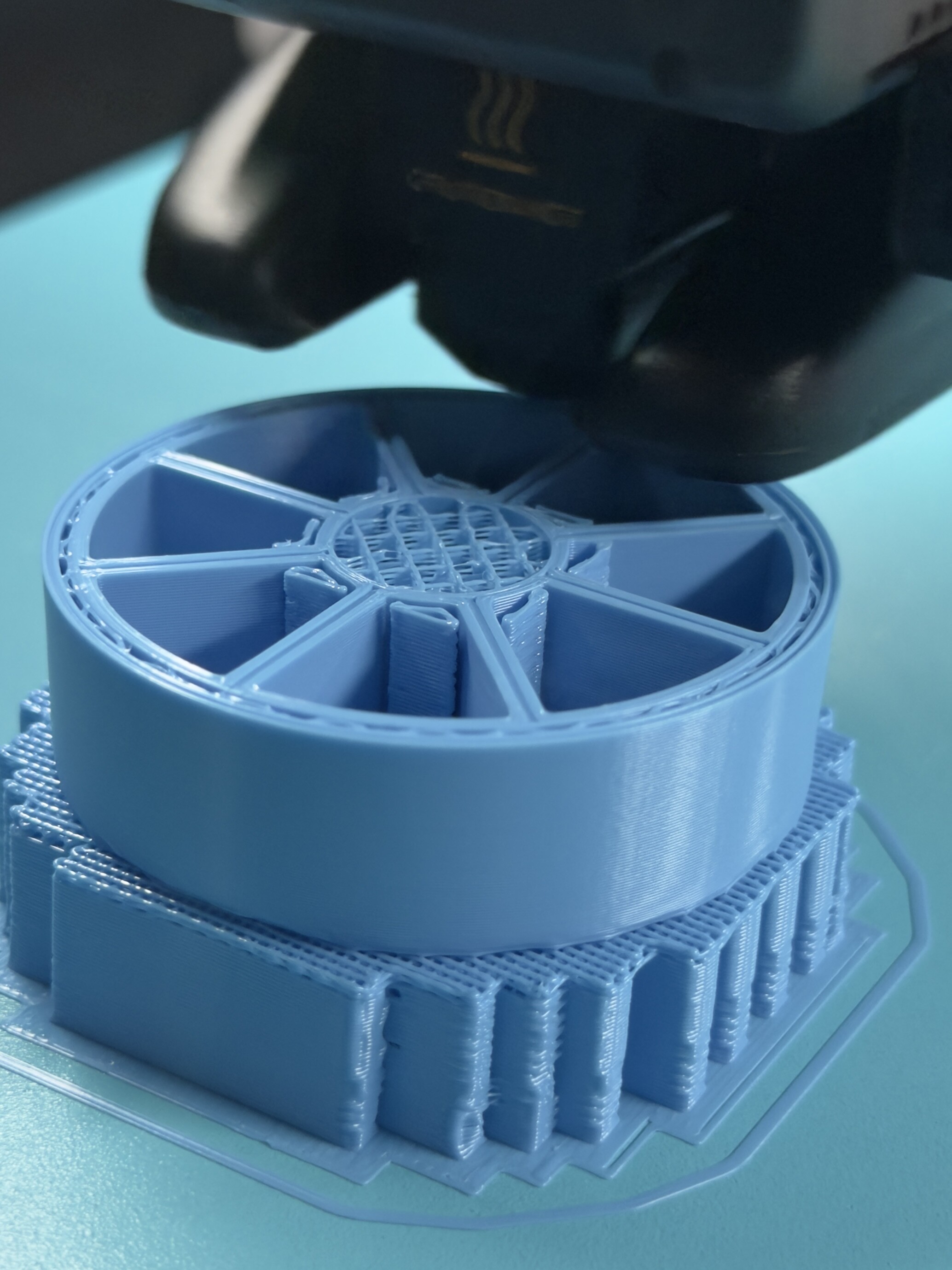
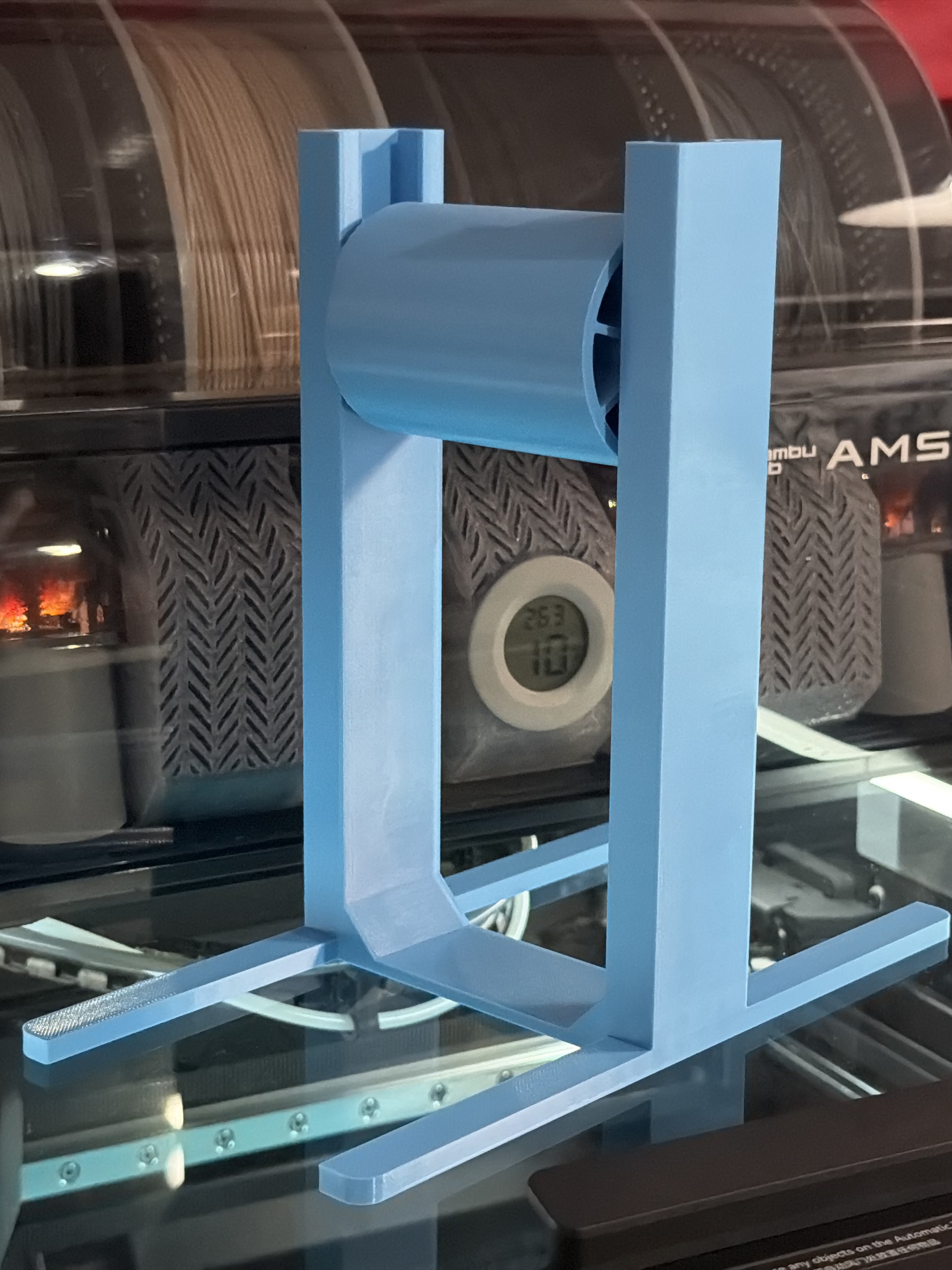
Another thing I wanted to add, my purge tower keeps falling off on my H2D, but ironically, not on my A1. Both have same purge tower settings. Its probably either I haven’t done flow calibration in a while or because it might have been on the plate’s cold spot (again, why isn’t there an upgrade path for the heated bed so I can get more heating wire?), but the thing is, my A1 is half a year older than the H2D and has been through a lot more.
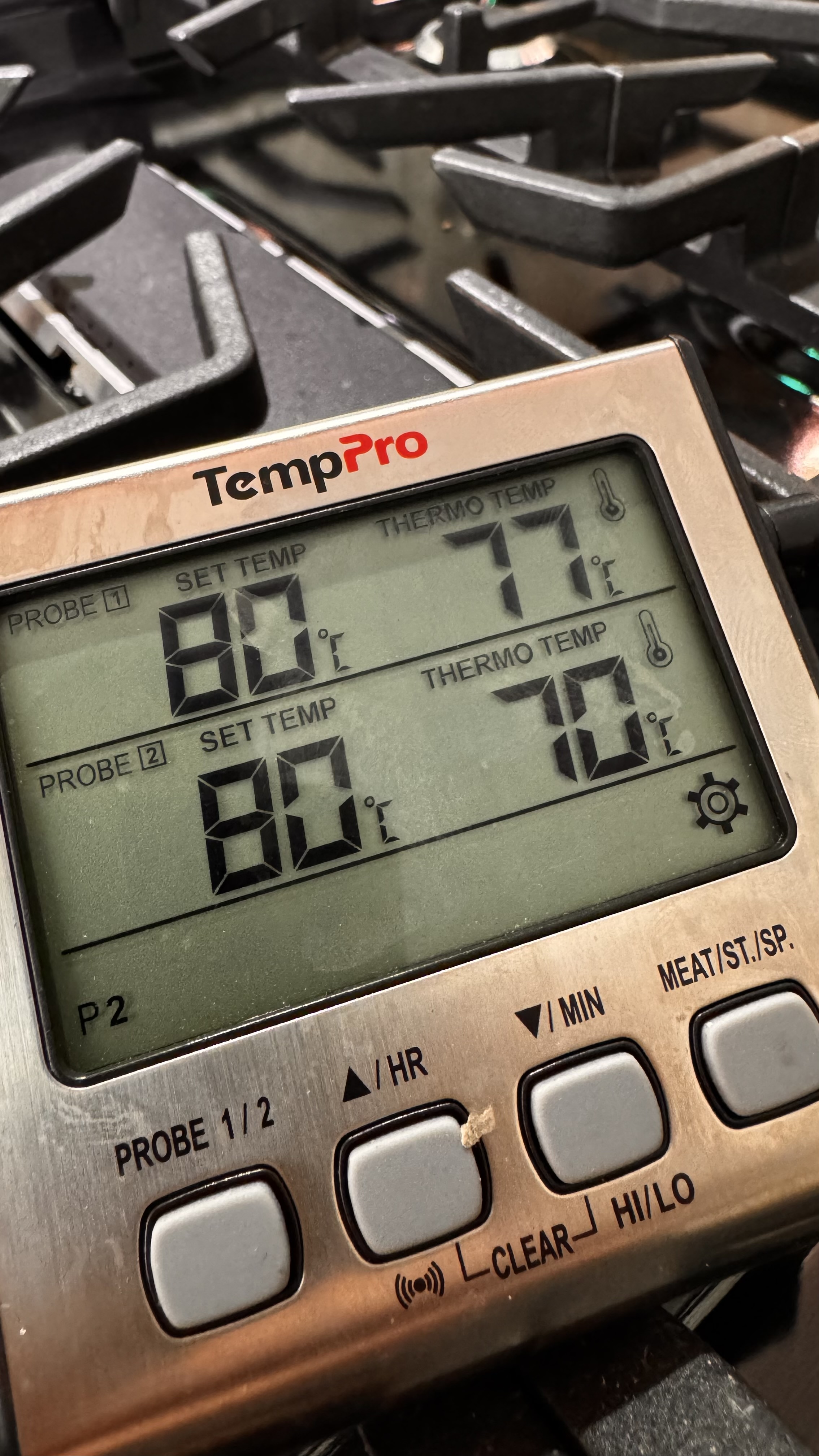
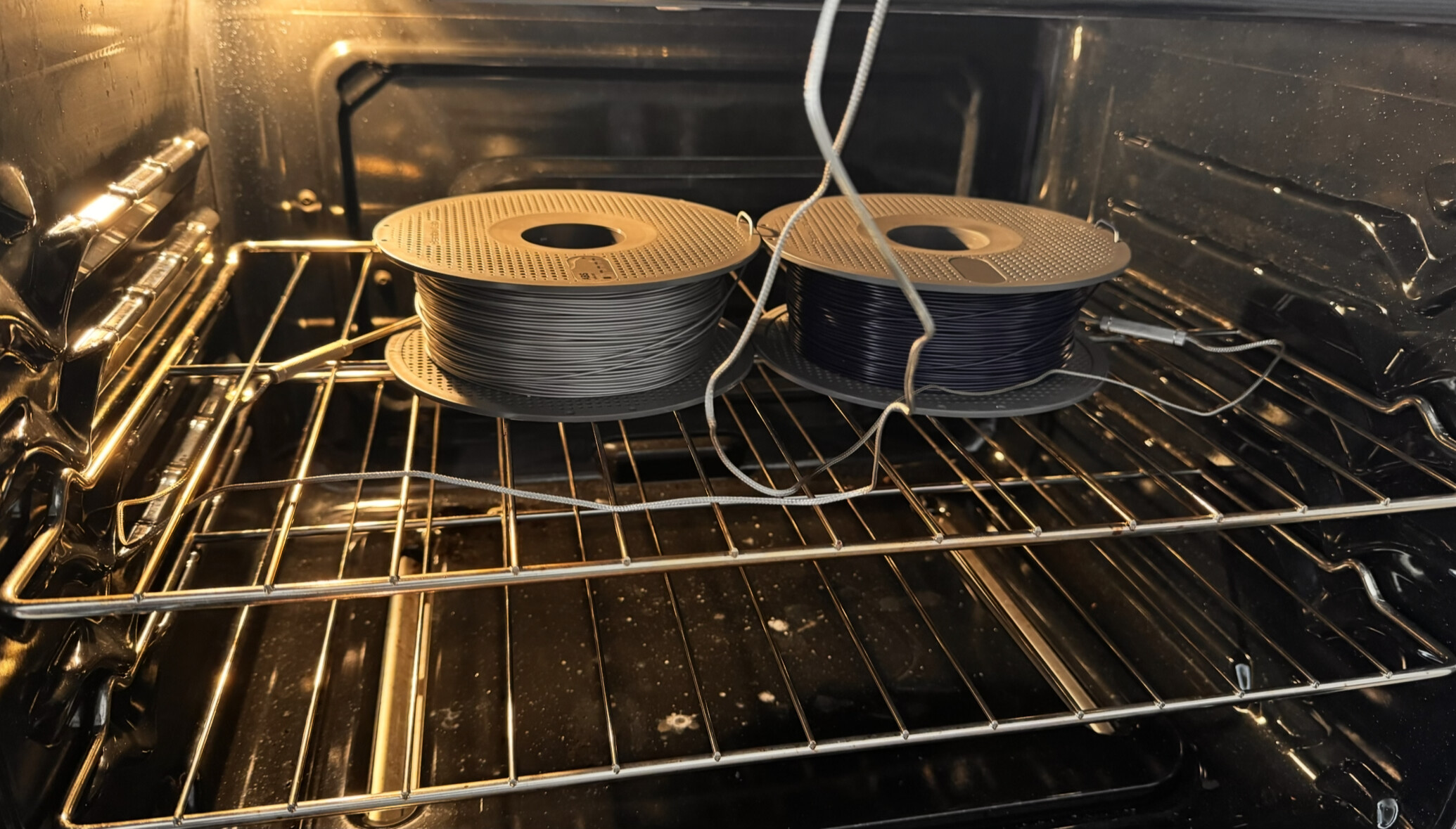
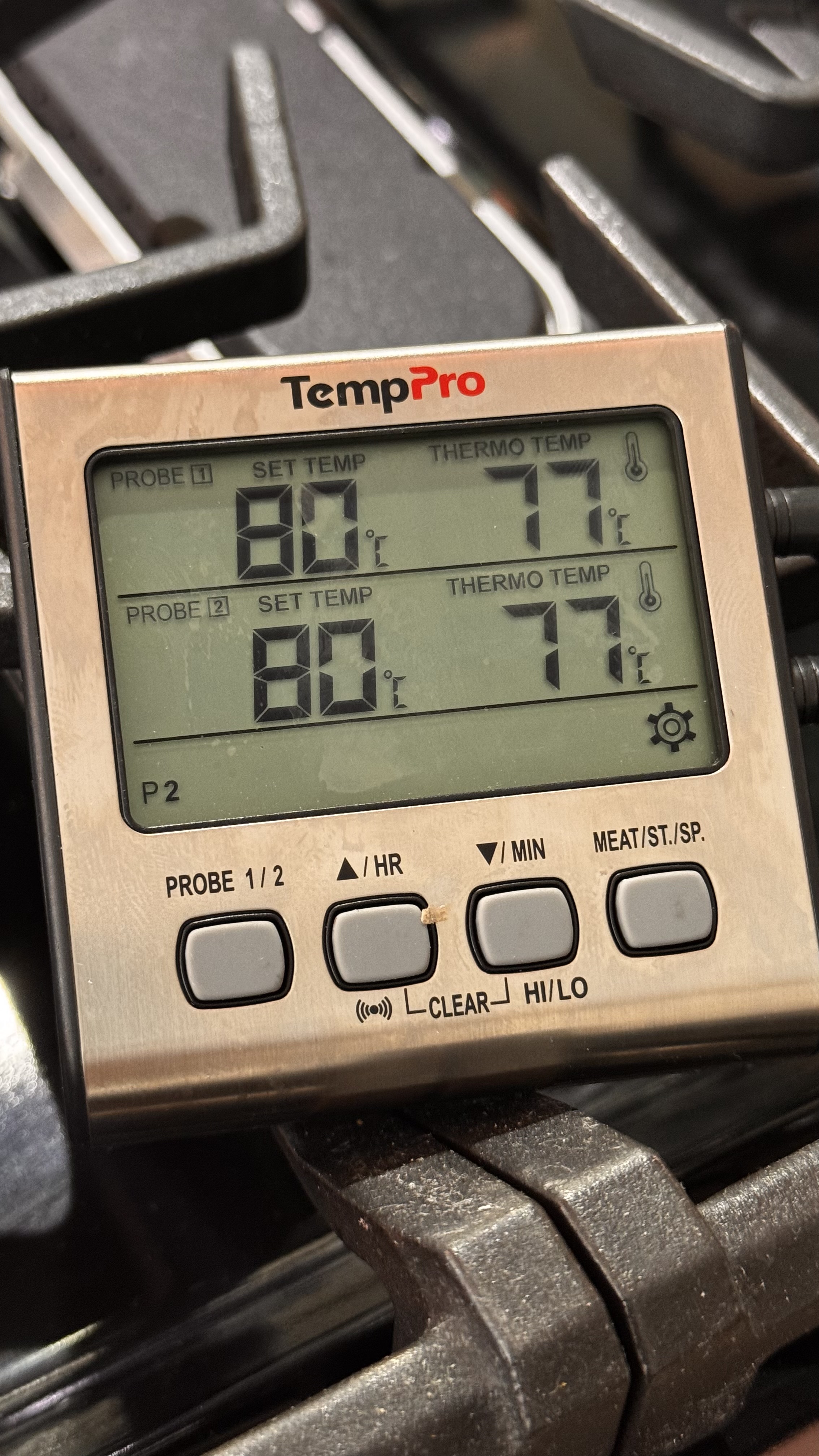

 .