A machine to wash build plates?

Washing glue off build plates is for losers.

Is there a machine that does this?

If there is not, who would buy one?

Like a dishwasher?

Most buildplate glues are water soluable. Just takes some warm water for a few seconds.
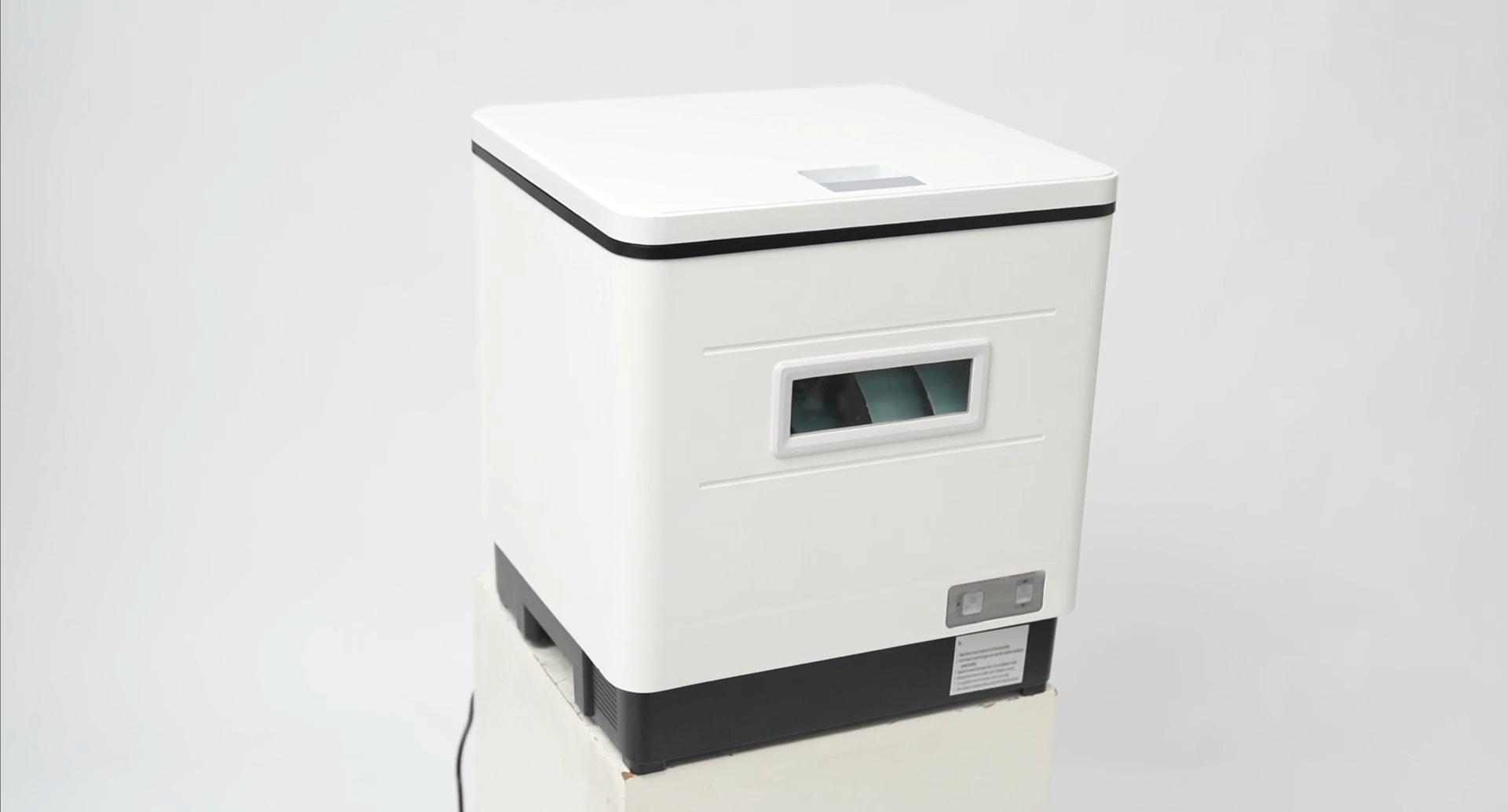
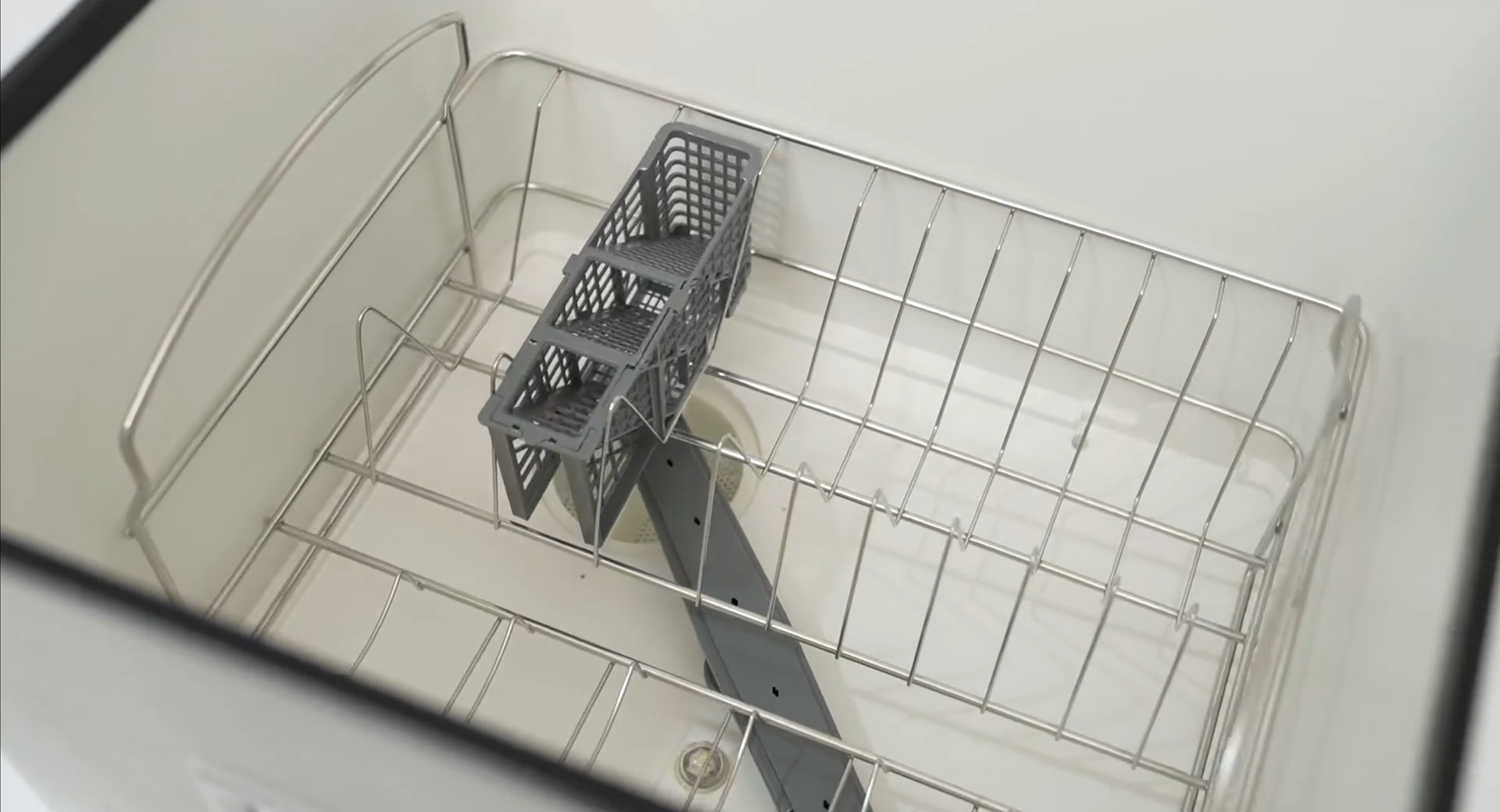
Camping dishwasher. You can also use it for circuit boards. But: You have to make sure to use the right cleaning agent - not the harsh stuff - and definitely not regular dish soap - that would create a bubble bath in the whole place. I made that mistake once in my life, and never again.

Camping dishwasher. We would call these “countertop dishwasher” but I could not find one that wood fit an h series plate. Biggest was 260mm dinner plate which maybe fits one diagonally? But is also kind of big.

I looked on various science lab suppliers in case they had some fancy machine for some weird plate, but I could not see anything. Also they would cost more than a Bambu.

I’m thinking maybe trying to make some kind of shallow tray with a wiper and a water spray? Don’t know if car wind screen wipers are too big? Otherwise a pair of linear rails carrying a rectangular sponge, and a spring to push it down?

My mind is struggling with the combination of those two words. By memory those two words should conjure up the image of a bowl filled with lukewarm soapy water.

Are there any large enough ultrasonic washers that could hold a build plate and if so, has anyone been successful with that?

3 Likes

Losers.

Losing has nothing to do with washing plates; it is usually a result of laziness and poor judgement.

1 Like

I hope your kitchen sink is not full of dinner plates :slight_smile: What if your spouse reads the forums and now you have no excuse? :slight_smile:

In my household, I clean the dinner plates and the build plates. The sink is empty after every meal.

5 Likes

Hey! We’re now looking for solutions to a problem that doesn’t exist! Might as well dish wash your filaments too, keep them clean so you don’t clog the nozzle :rofl:

In all seriousness though, I’ve been washing the same textured plate for 2 years, takes a minute to do. However, if you have a printer farm, and have to clean a lot of plates on a daily basis, I could see where an automatic cleaner may help in your time management. I like the idea of an ultrasonic cleaner, I wonder if it would cause the top layer to dis-bond from the plate itself.

Edit: This should be large enough: VEVOR 50L Ultrasonic Cleaner, Professional Ultrasonic Cleaner Machine with Cleaning Basket & Digital Display, 840W Stainless Steel Large Cleaning Machine with Wheels for Industrial Parts, Carburetors | VEVOR US

1 Like

This is the sort of thing I was seeing on science lab equipment sites. It costs more than a printer and it doesn’t even fit the plate in 1 operation.

What is needed is flat, compact machine with a low frequency wiper. (Could also stand vertically and be slimline).

I have never washed my printer’s plates. I merely wipe with Isopropyl Alcohol between prints, sprayed on a micro-fiber cloth.

Fast, easy, and no finner prints left. Oh, and I never have used glue.

I require glue for engineering materials.

2 Likes

I just slather on more glue and wipe it around to even it out. Ta-da. “Clean”. sorta.

You should ask this question directly to the likes of slant3d etc who maintain systems with thousands of plates, their method might be of interest.

3 Likes

Fwiw, I bought the 3L version of it with a different brand name but out of the same factory. Works great on small parts. I would not put anything with bonded surfaces into it, though, that seems like asking for trouble.

OP, please buy the big one and try it for us and report back :zany_face:

3 Likes

Maybe go more for the “etc” and less the “slant3d”. They’re not exactly known for good quality work.

As an aside, these plates are made from spring steel. So one might consider what water does to steel. I think the coatings might get damaged by machine washing.

Unless you can get by with rust on your prints….:thinking:

1 Like

For the most part, that is what I have been doing. The thing is though that my last handful of prints haven’t stuck at all to my plates, even when I have successfully printed the same file in the past. While I think I can attribute the current weather to at least part of the problem (humidity has been much higher the past month or so) I also suspect that my plates may be either wearing out or at least getting “dirty”. Drying the filament helped, but my best results happened after I washed and used a bit of steel wool on the plates. (Confession time: I actually used a SOS pad which I may regret later.) I am still wondering if an update to software had some effect in play as well but I really have no way of knowing if that is likely or not. It isn’t like I pay all that much attention to version numbers, even if sometimes it seems like I am supposed to.

1 Like

The problem isn’t the machine, but rather the chemical you use - or don’t use. It also depends on whether you’re using distilled water. The exposure time to water is far too short for rust to form in this context - and in addition, the steel plate is placed only on the inside: Some are bonded (smooth plate), others are coated (PEI plate).

Not to mention that it’s made of stainless steel and is therefore rust-resistant.

Ultrasonic cleaners are kinda violent to materials put into it, despite what it looks like. I’d agree with Bratling that I wanna see someone else do it first… With your plate :slight_smile: Mine wont fit a plate, but I’d imagine after 30mins I’d come back with a steel plate floating around in gold bits, or a cleanly delaminated sticker layer, etc.

3 Likes

I’ll sit corrected. I didn’t know they were making stainless steel in spring steel.

But I’m still not gonna wash my plates… LOL!:laughing: