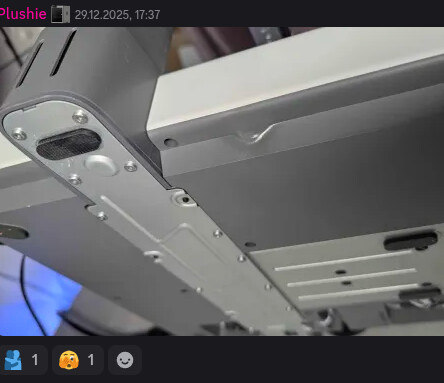
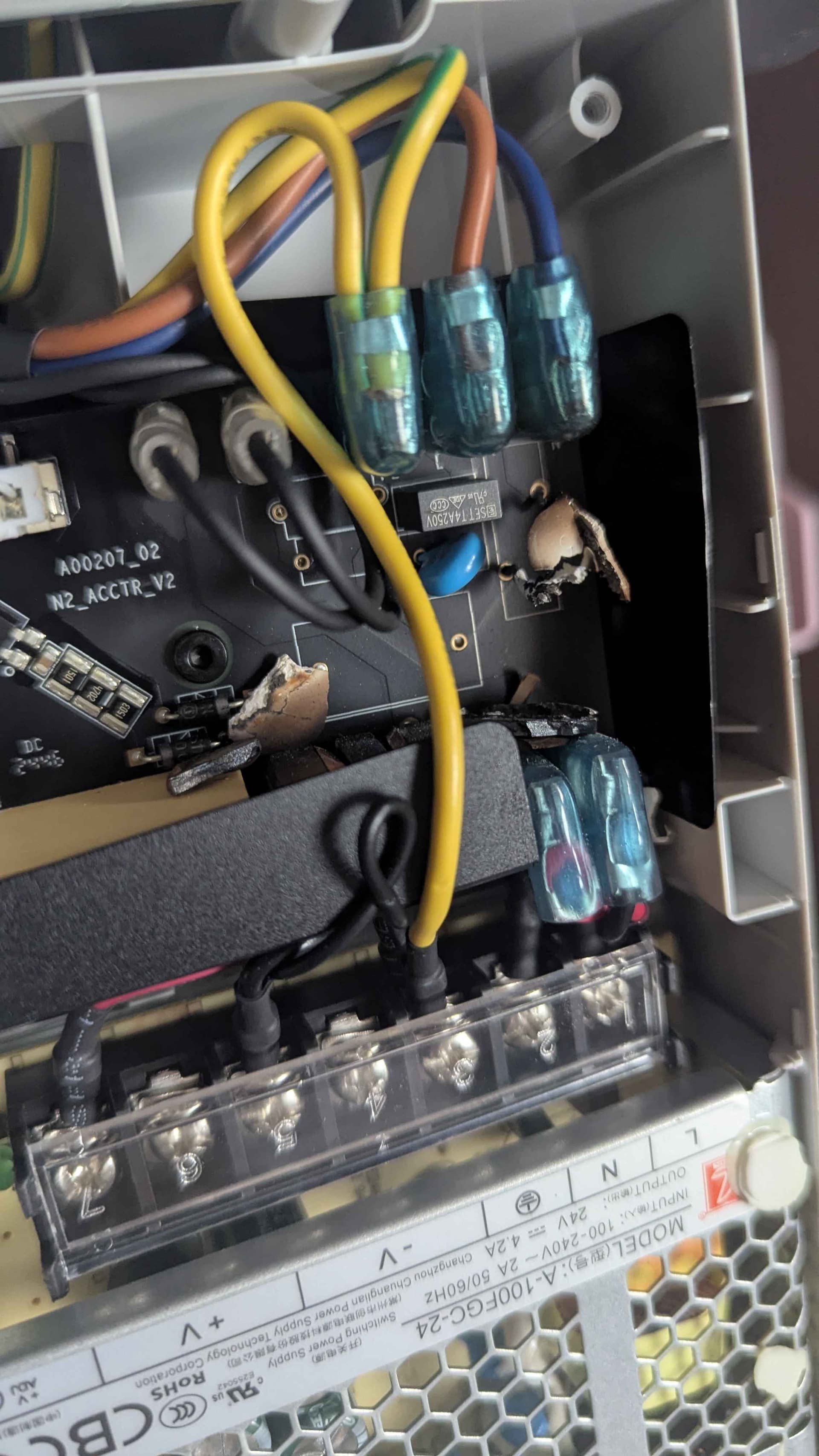
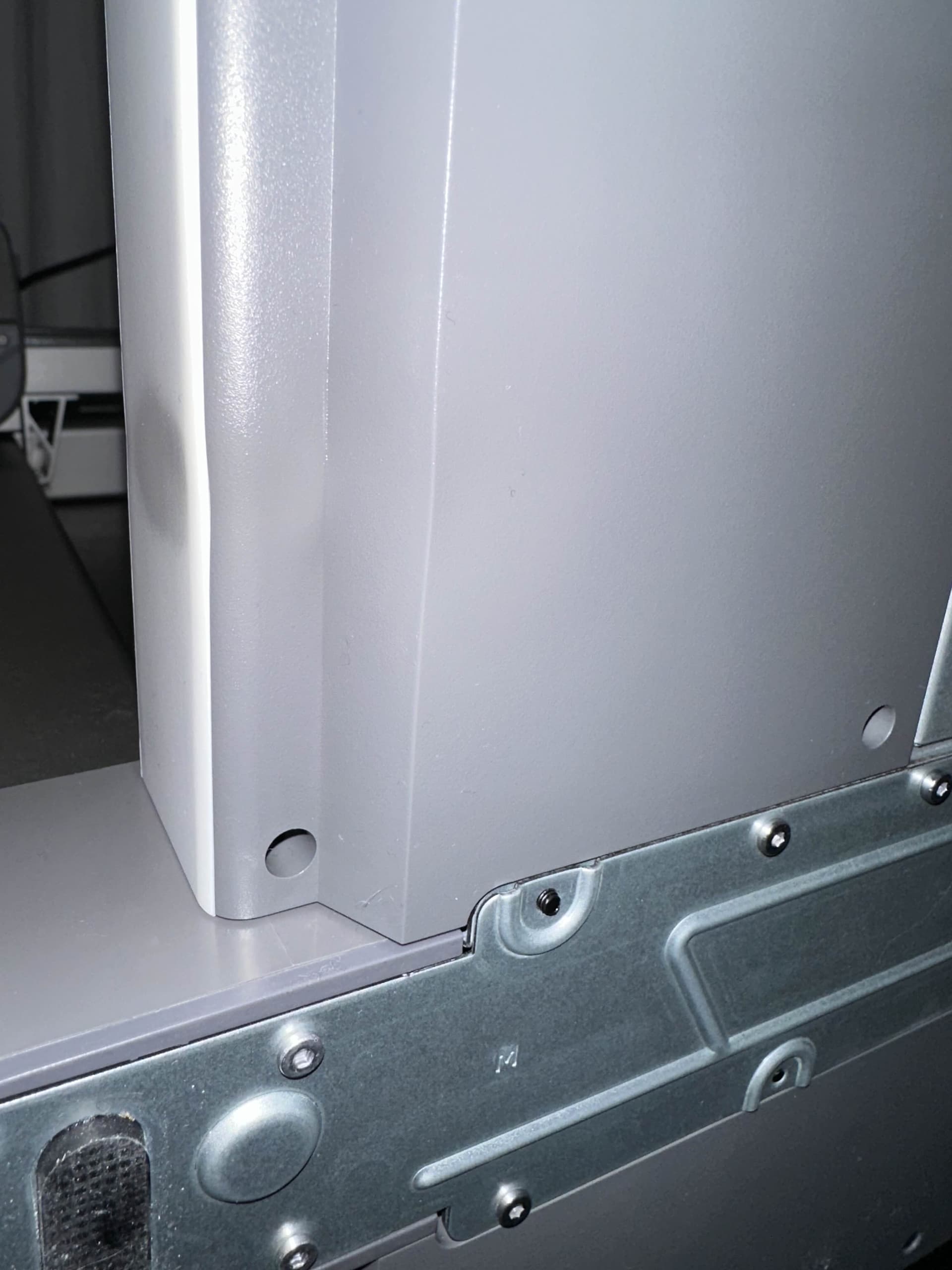
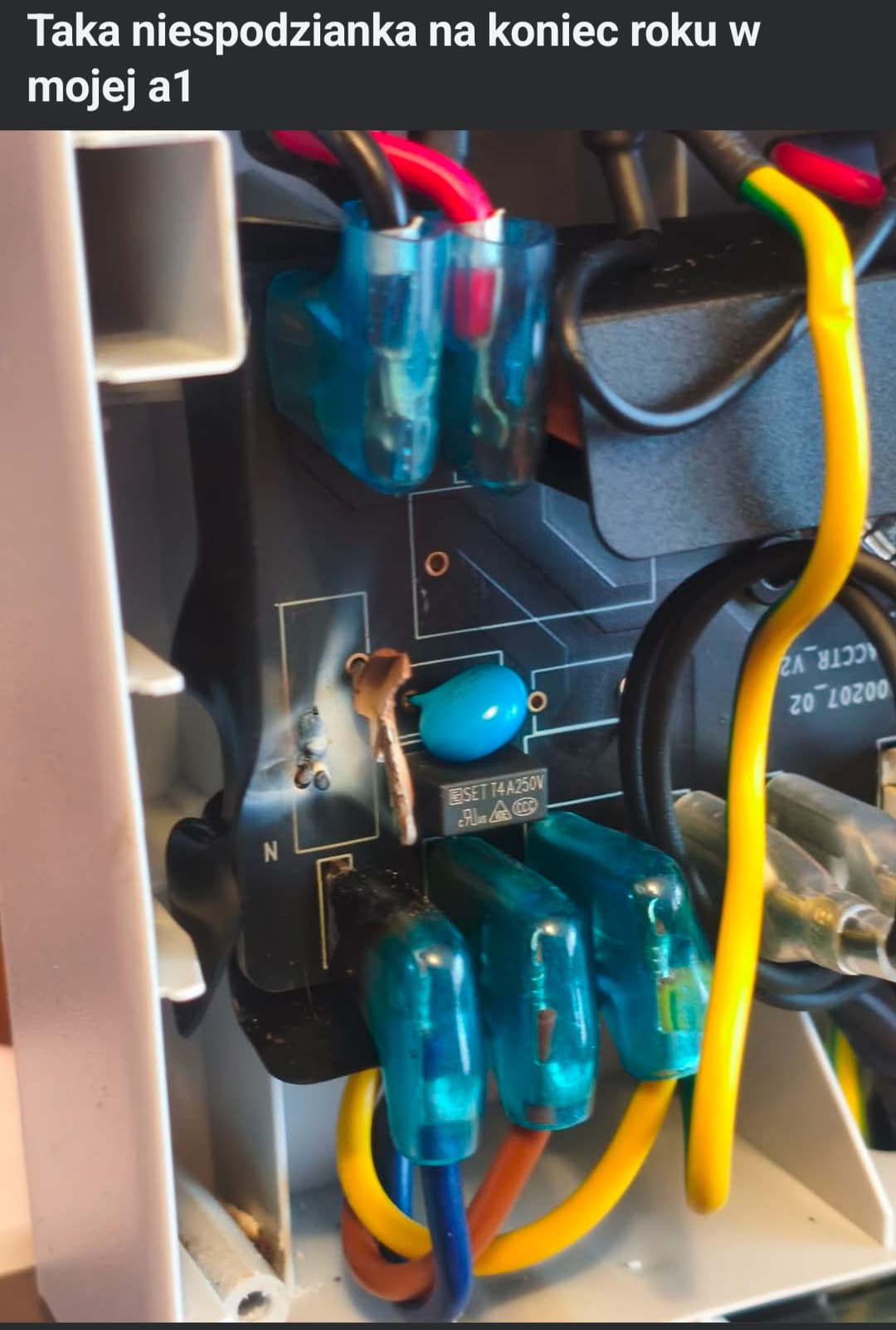
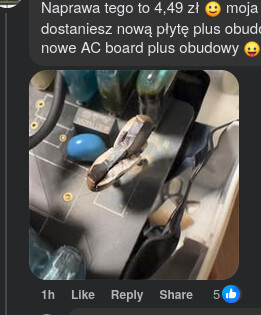
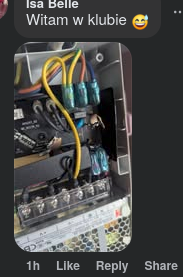
Thankfully no fires, but the units didn’t turn off immediately and the heat in some cases managed to melt quite a bit of plastic. On the last photo, user managed to caught it before full melt.
Take care of your A1, make sure it’s not on something that won’t withstand the heat and make sure it’s nowhere near flammable stuff.
Side note - all the units that “melted” had similar time spent printing - roughly 1.5k hours.
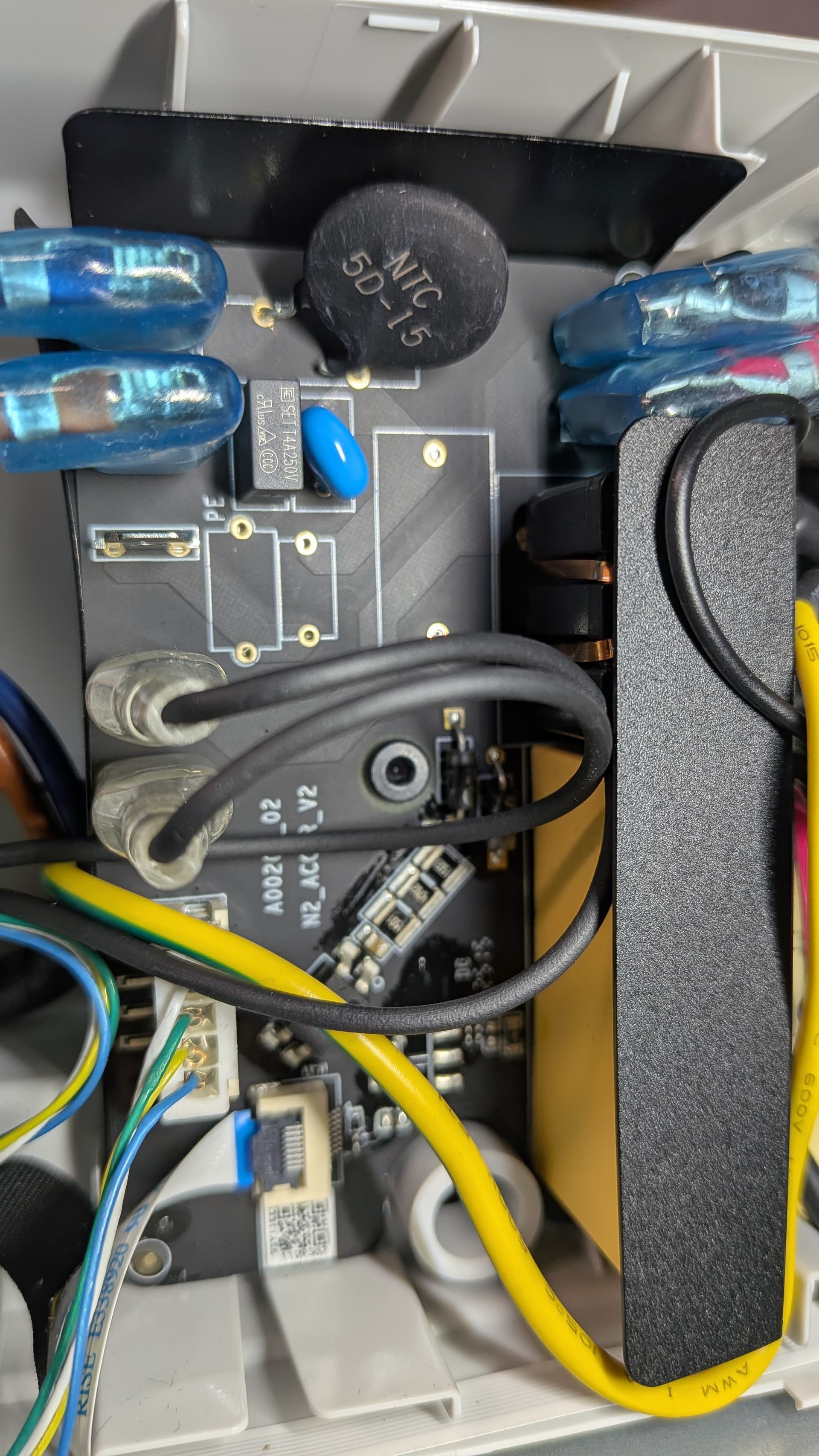
What I find interesting - or rather puzzling, depending on perspective - is that although it was a new printer, it still had the old _02 circuit board installed instead of the _04. That raises questions. How many old A1s are still being sold? When will the new circuit board be installed? Only Bambu can answer these questions.
Anyone who buys an A1 now should open it and, if they find a _02 inside, send it straight back. Of course, it would be easier if we could tell from the outside by looking at the serial number/production number. That’s certainly possible, but only Bambu knows.
I have an ignorant question because I haven’t yet bought mine, but it must be asked: are there any tamper stickers on the case that would show whether it was opened up (for the purpose of checking the board inside)? And, if so, does Bambu have any kind of policy that doing so would render it non-returnable, void the warranty, or similar? If so, it would be one hell of a catch 22, wouldn’t it? I’m sure we’ve all seen such tamper indicators on other products, along with warnings about how breaking the seal voids the warranty, etc. Not sure, but It might even be commonplace as a weasle-out clause buried in the fine print somewhere. You know, the fine print that almost nobody reads, and it’s there for the seller’s benefit, not yours.
I didn’t read through all of the ■■■■ above, but one poster is correct. ANY ELECTRONIC DEVICE CAN FAIL. Any. Any bit of wiring in your walls can fail. Anything. And a device shorting out is common. A capacitor giving up the ghost is quite common. Circuit boards going belly up are common. Mitigate the potential damage. Yes, I would probably put my bed slinger on a metal or concrete paver. My Prusa was on one. I would position the printer away from anything flammable like curtains or wood bookshelf. And make sure your house has at least one smoke detector operational. I have an extra one in the room I print in.
the thermistor is not shorting its opening up by design, if you ask me its the wrong size ntc and more than likely not even needed since the new revised board has a jumper in its place. Just a oops design flaw imho
Exactly. The general rule of thumb is that electronic devices under ideal conditions tend to have a half life of four to eight years depending on the complexity and the initial quality, which is the time in which half of a particular product will fail. Under harsh conditions that half life can be closer to two years. They don’t all fail at the same time, some will fail early on and others will still be going strong long after their intended lifespan.
Also known as planned obsolescence. There’s no wonder why devices fail juuuust outside warranty.
That SHOULDN’T be the case and manufacturers should make quality products, but hey…
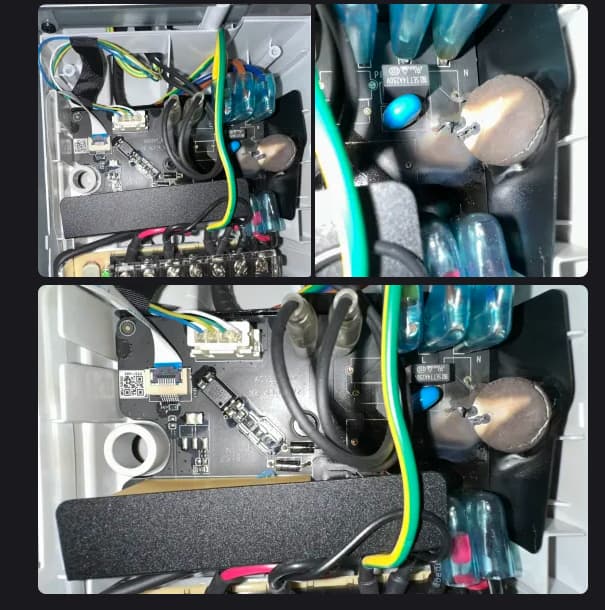
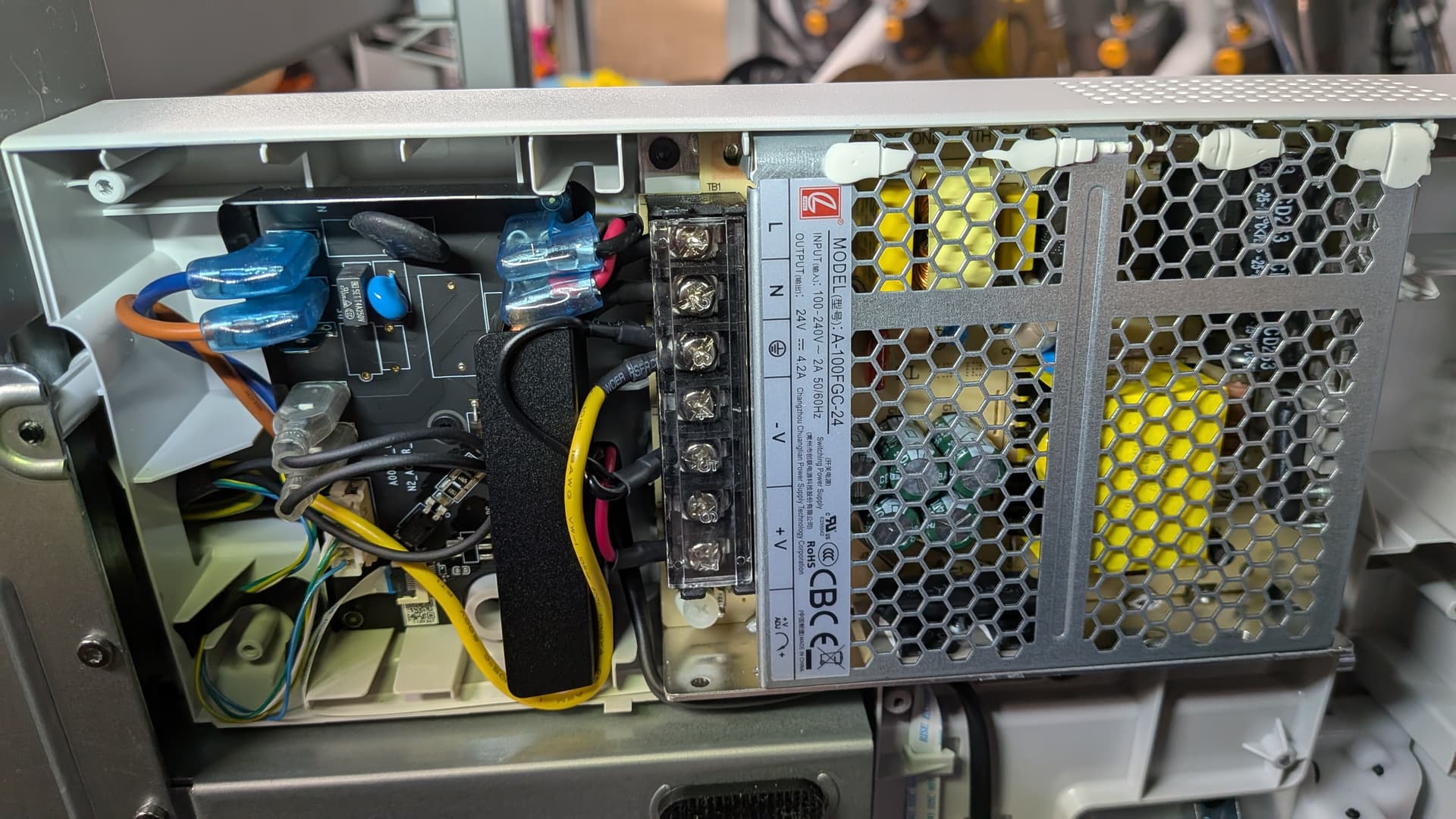
I tore down the most recent one, ordered nov 2025 @ bambu US online store
120V electrical, on good quality sine wave inverter, 400 hours on the machine
It’s starting to sound as though we may have misinterpreted the versioning. Not concrete proof, but if we were right, it would seem there’s something funky going on as to why machines purchased so recently would have an earlier generation board in them.
@Bullocks Since you have it open, maybe try decoding the 2D barcode, or else post a clear picture of it and we can try. It’s maybe a long-shot, but it’s easy to do. With great luck, maybe it decodes to plain text or if not, maybe to a format that someone on this thread might recognize and know how to interpret, like a manufacturing date or something.
The only thing that has been confirmed so far is that some people who received a new board in recent weeks - due to a defective one - have received a _04 from support. There has been no confirmation yet that a _04 has been installed in recently in new printer. This surprises me. Either the change was made recently, or the _04 is only given to people whose old board is damaged and ask support.
We just don’t know whether Bambu will install the new circuit board at all, how many old devices are in stock, or what the official difference is according to Bambu.
I think they are also waiting to see how the situation develops and are not commenting so that they can assess the situation first - which is understandable.
Or they want to avoid a large-scale recall.
It would be right to start publishing a list of serial numbers and production dates so that people know which devices might be affected. But since nothing is being published, I would say - probably all of them.
I’m guessing that Bambu isn’t even to blame for this, but that the manufacturer of thermistor may have messed up. Who knows?
The problem is the same as with the previous recall or replacement of components: legally, this must be carried out by a qualified electronics repair technician. Actually, it’s not a good idea to replace the circuit board at home, as silly as that may sound, because an expert would need to check and measure it. As I said, I’m talking about legal matters, not skills.
Or maybe it’s just a low failure rate in absolute terms with near zero incineration risk. Not saying it is this, or that it doesn’t truly sucks if and when it happens, but I don’t think they’d issue a large scale recall if it’s that. Just a “How sad for you” email from customer service when somebody reports it happened to them. It may look bad or unsettling for those affected, and totally disabling for those affected when it blows, but from Babmu’s perspective maybe it’s just another failure mode out of many they deal with all the time. If the occurences are small enough, it would be cheaper for Bambu to send out a whole new printer than do a massive recall, and even cheaper for them to send out the new board and say “You fix it.”
I wouldn’t be worried though. This is happening on less than one percent of A1s. The chance of it happening is so low, but the problem is that it is not zero.
The best thing to do it put the printer on a fire resistant surface.