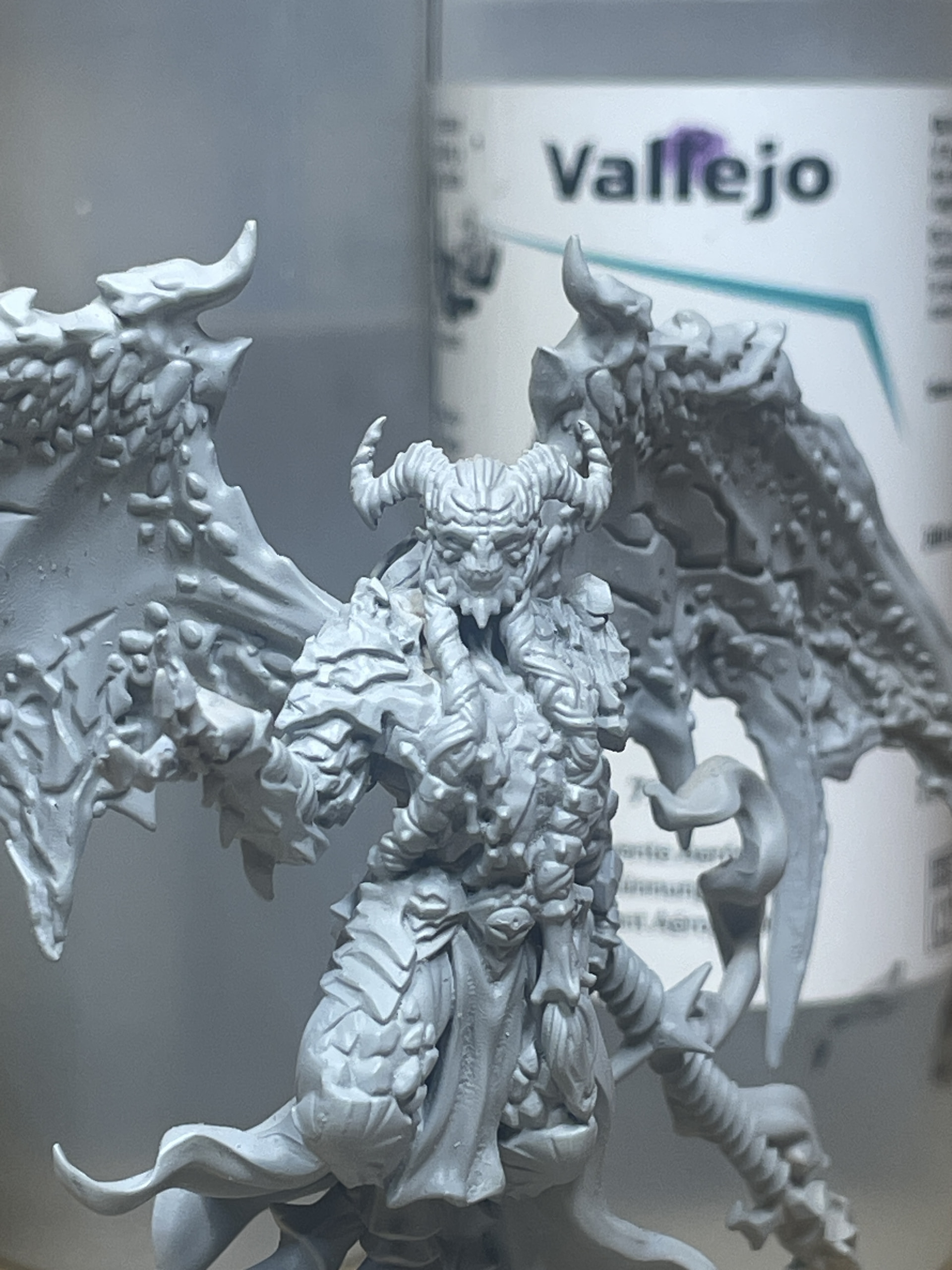
At home I mainly print 1:50 scale models of heavy equipment and related and some parts are TINY! I have nothing but negative experiences with the fragility of small resin prints, so therefore, I will be sticking with FDM. My A1 mini has been fantastic for 1000+ hours but I want a new printer to allow for some larger prints. Mainly though, will be using it for .2MM nozzle.
With the release of the H3C I am even more confused about where I would like to take my printing journey and which printer to go with next. The P2S seems like the obvious choice, however it seems some users who own both P1S and P2S say improvement is negligible. X2D seems intriguing especially to help with overhangs but Bowden extruder worries me. H series is far too big and overkill for me. Snapmaker U1 intriguing especially if I want to try some multicolor but have not read a ton about .2MM nozzle performance.
A1 mini still seems like the best choice to me but it is now Q4 2026 - am I leaving any .2MM nozzle quality on the table by staying with a bedslinger?
A bedslinger is only really a disadvantage when you’re printing at very high speeds. For a 0.2 mm nozzle and miniature printing, it’s generally not a relevant factor at all. After all, you print things like that very slowly.
In fact, the A1 Mini’s design even offers some advantages when it comes to printing miniatures with a 0.2 mm nozzle. Since miniature prints are usually small, lightweight, and printed relatively slowly, bed movement has very little impact on print quality. The compact design of the A1 Mini can actually be beneficial in this specific use case.
Miniatures and 0.2 mm nozzles are where the A1 Mini really shines. It’s an absolute beast for that kind of printing and will often outperform other Bambu printers, simply because it’s so well-suited to small, highly detailed models.
You’d probably even be a bit disappointed by the P2S / X2D. Not because the print quality is bad, quite the opposite, but when it comes to 0.2 mm nozzles and miniature printing, the A1 series is still considered the benchmark by many miniature enthusiasts.
I’d definitely keep the A1 Mini and, if anything, add a larger printer such as the P2S (or whatever model you prefer) for bigger prints with a 0.4 mm nozzle.
This is going to be a BIG YMMV, but overall the main con for A1 series here is the weaker control of the extruder motor. What this means is more bulging on lines beginning, end, slightly less sharp corners. For ppl printing figures, I wouldn’t bother saying this as they likely won’t even notice design deviations, but such will show up on inorganic shapes like those you mentioned. But it also depends on if what A1M makes already satisfies you.
Can’t speak about other machines but migrating 0.2nozzle workflow from A1 to H2D saw some good improvements on the quality and consistency.
Also, dual extruders lets you print dedicated supports here.
On a bedflinger there is noticable wobble on tall thin prints that causes poor surface quality.
With the mini you might be OK because it’s not very tall.
This isn’t a nozzle issue, but the printer sliding the bed around with the object on it
The new bambu A2L is supposed to have compensaiton for this by input shaping at different heights, but I have never seen it so don’t know if it works, and if this would trouble you, a core XY printer (like the P2) would be better
EDIT Oh I just saw you say 1:50 scale. That’s basically tabletop gaming miniature scale. For best results, use an SLA resin printer for that. I have never seen a good FDM tabletop figure in many years of gaming. But you might be OK making industrial machine models, if they have plenty of flat surfaces - or maybe people if your audience is used to architectural models and has never seen gaming figures.
Regarding the bowden extruder in the X2D, I was very positively surprised. In a print with 0.2mm nozzles and 0.1mm layers, I couldn’t distinguish both nozzles:
I really appreciate all the replies - this is exactly the feedback I was looking for. I included a few photos of some of my most intricate small prints. I wish I had object like coin for comparison, but these would comfortably sit on most small coins.
Resin printing definitely gives amazing details, but for a board game, we usually look at the miniatures from about half a meter (or 20 inches) away, and at that distance, most minor imperfections just get lost
Here are a few examples of prints made with my A1 Mini using standard PLA supports. These are prints where I haven’t even finished the post-processing yet—they’re pretty much straight off the printer. In my opinion, the real difference comes from the designer, who plans ahead for how the model will be printed and then sets up a good print profile. Of course, this is just based on my own experience!
Let’s just say my painting session is what’s really going to ruin them! I’d love to get the P2S or X2D, but I’m a bit worried about how they’ll handle tiny details. Keeping two printers running doesn’t seem very easy to me, though.
If i received those in a boxed game it would go back to the retailer, how come you feel they are “good enough”? I accept that you, personally, think it’s OK for you to put on your table, but you know it’s not up to industry standard.
Also I would suggest some of the painting problems you are having come from layer lines.
I completely agree with you that they wouldn’t really be acceptable inside a retail board game box—especially considering how much we pay for games nowadays (even if some games still come with questionable miniature quality!). But for games like Horrified, which come with cardboard standees, I’d much rather play with custom miniatures I can paint, and there are plenty of other examples like that. Painting is another thing to consider, for sure—they’re definitely not suited for subtle glazing, so the paint has to be a bit thicker, and so on. But I’m just talking about casual tabletop play! If you’re comparing them to Warhammer 40K or Tainted Grail, then yep, you definitely win this round!
I know there are better miniatures out there, no doubt.
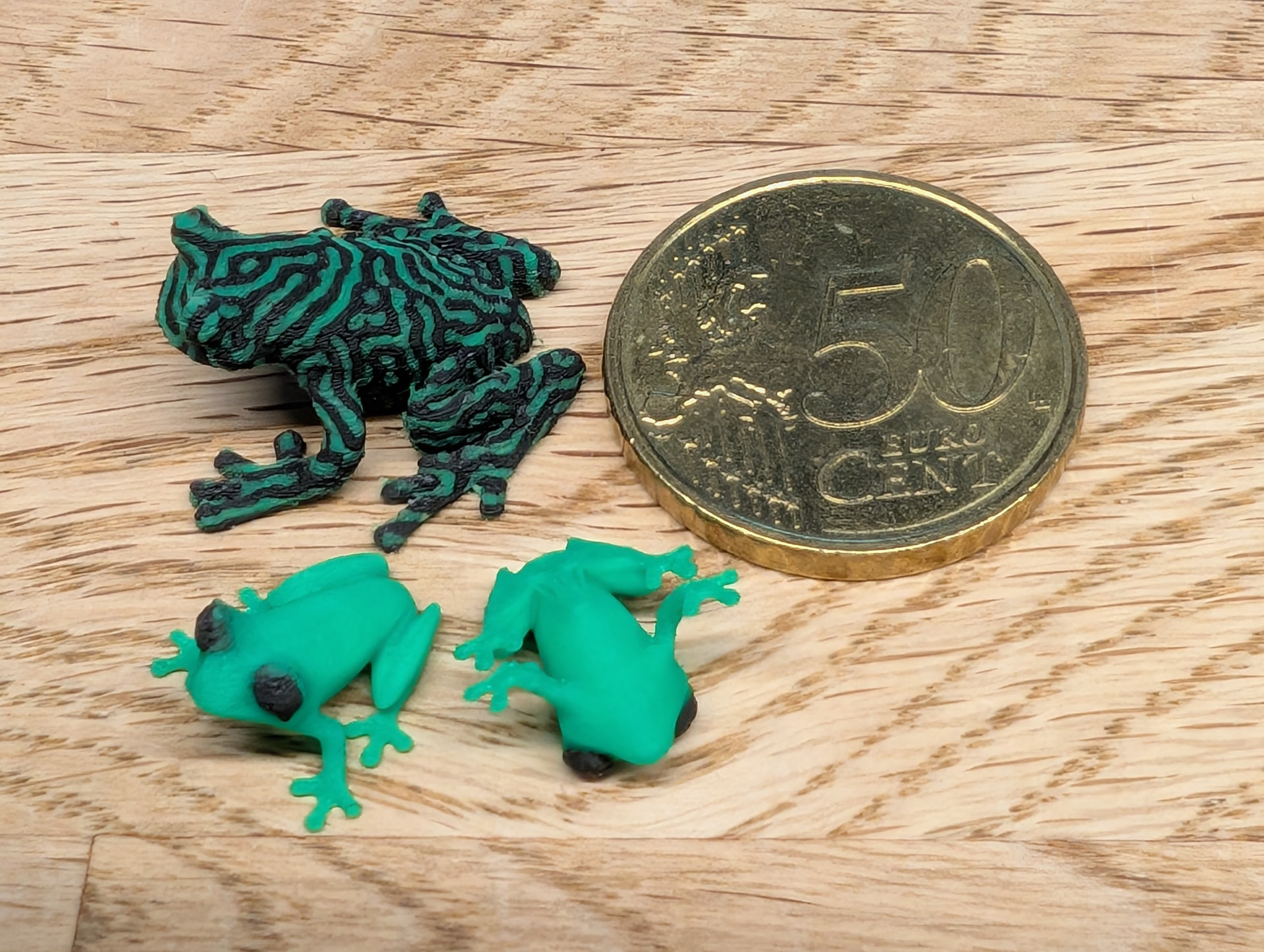
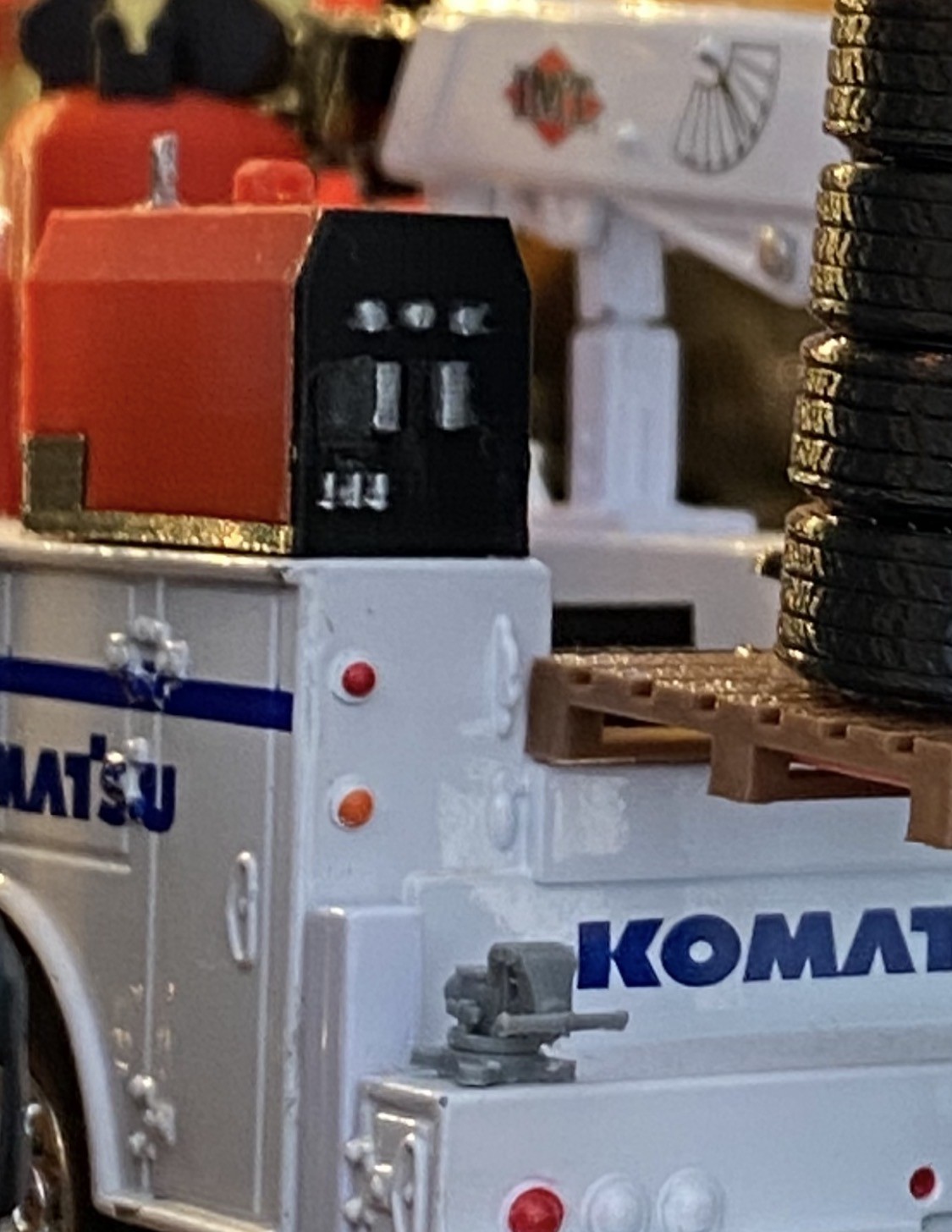
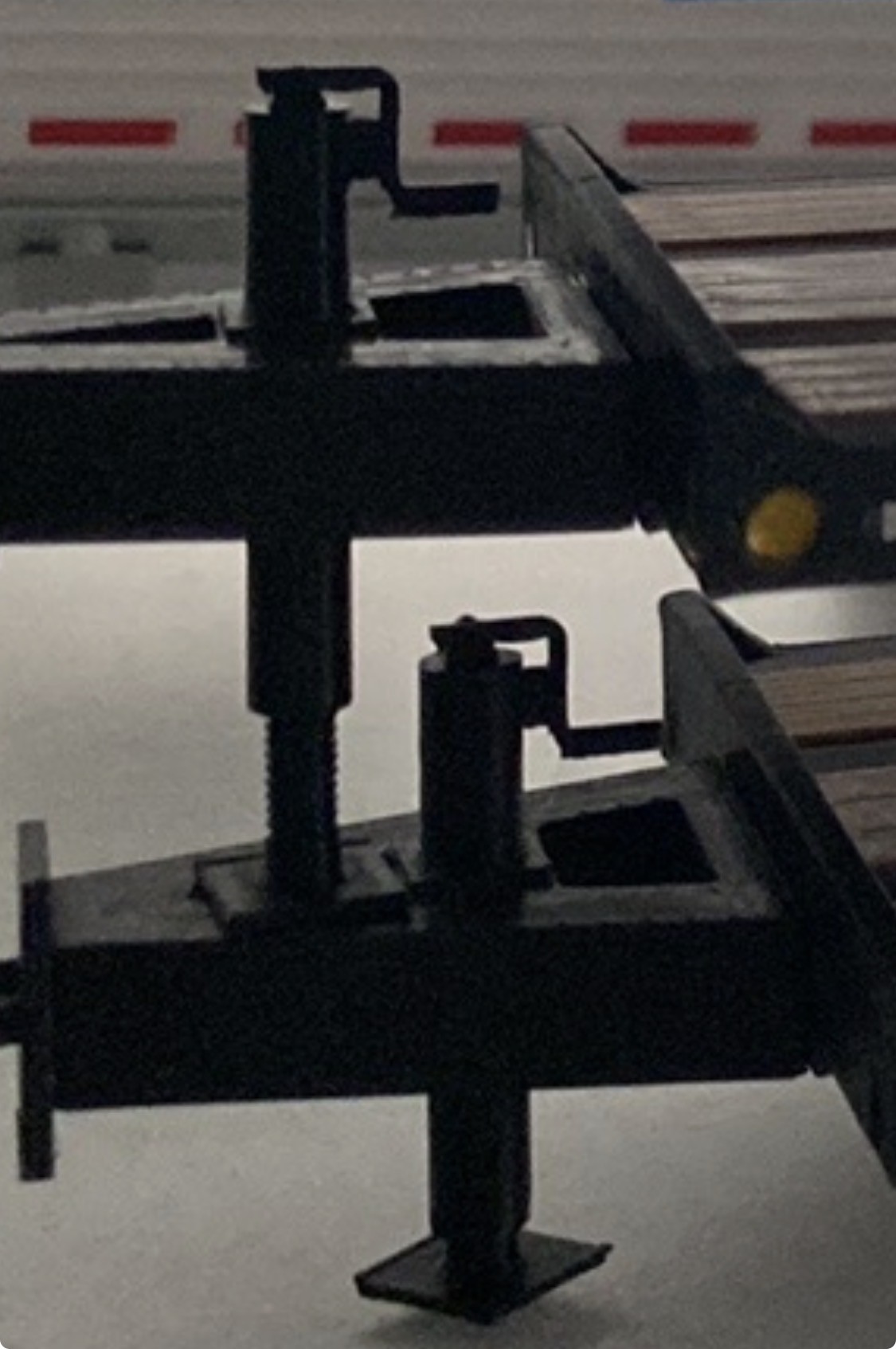
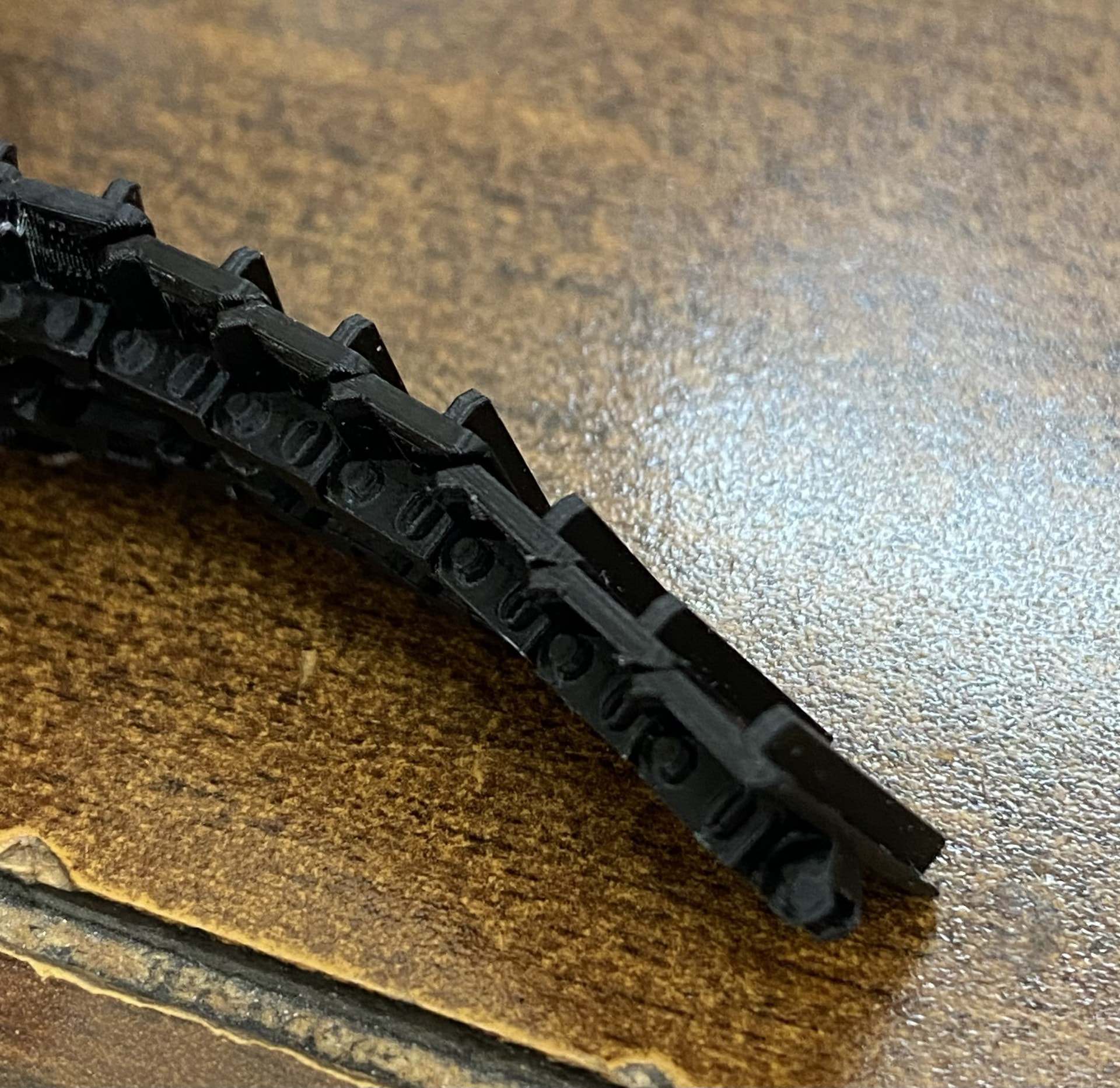
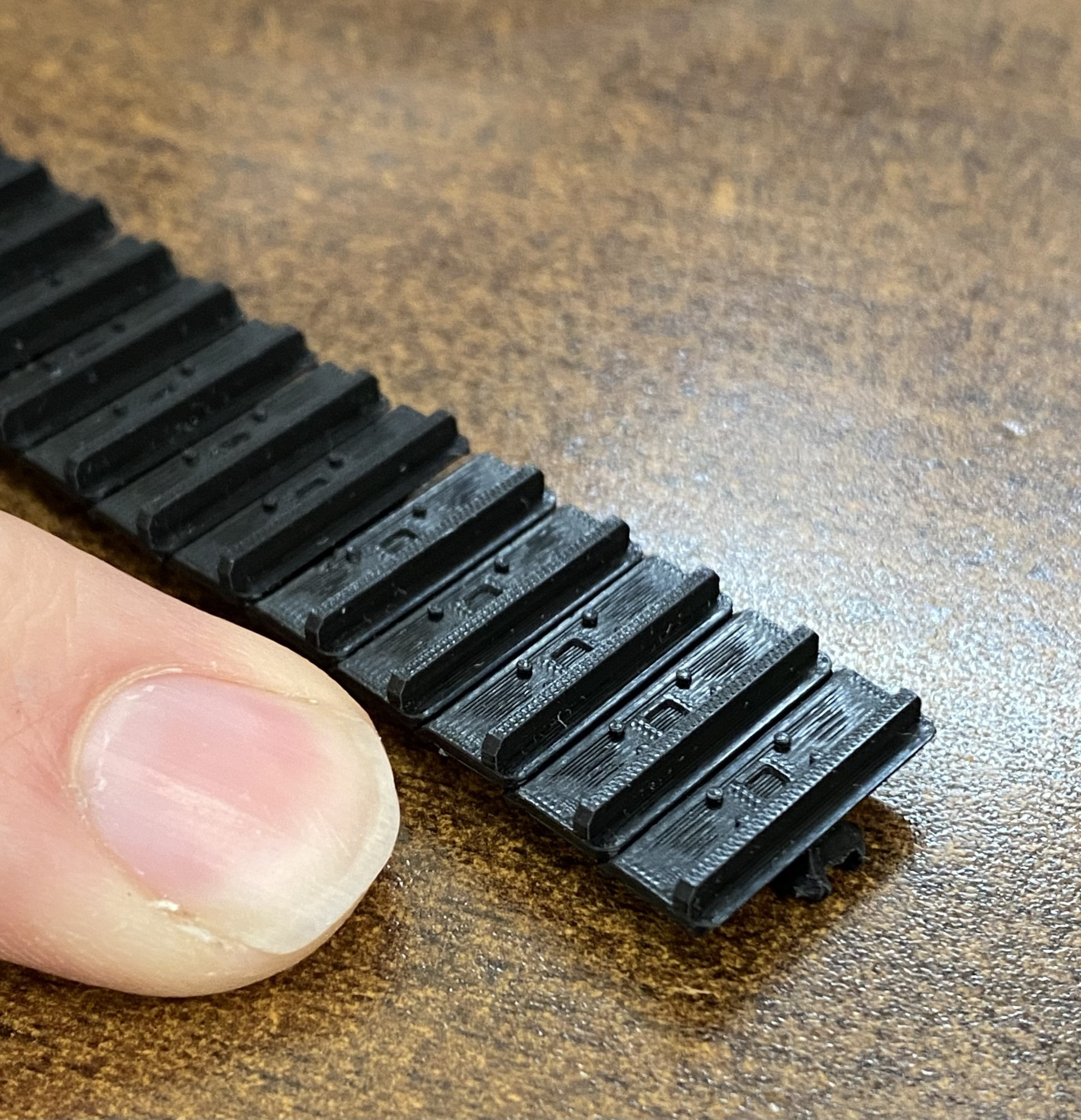
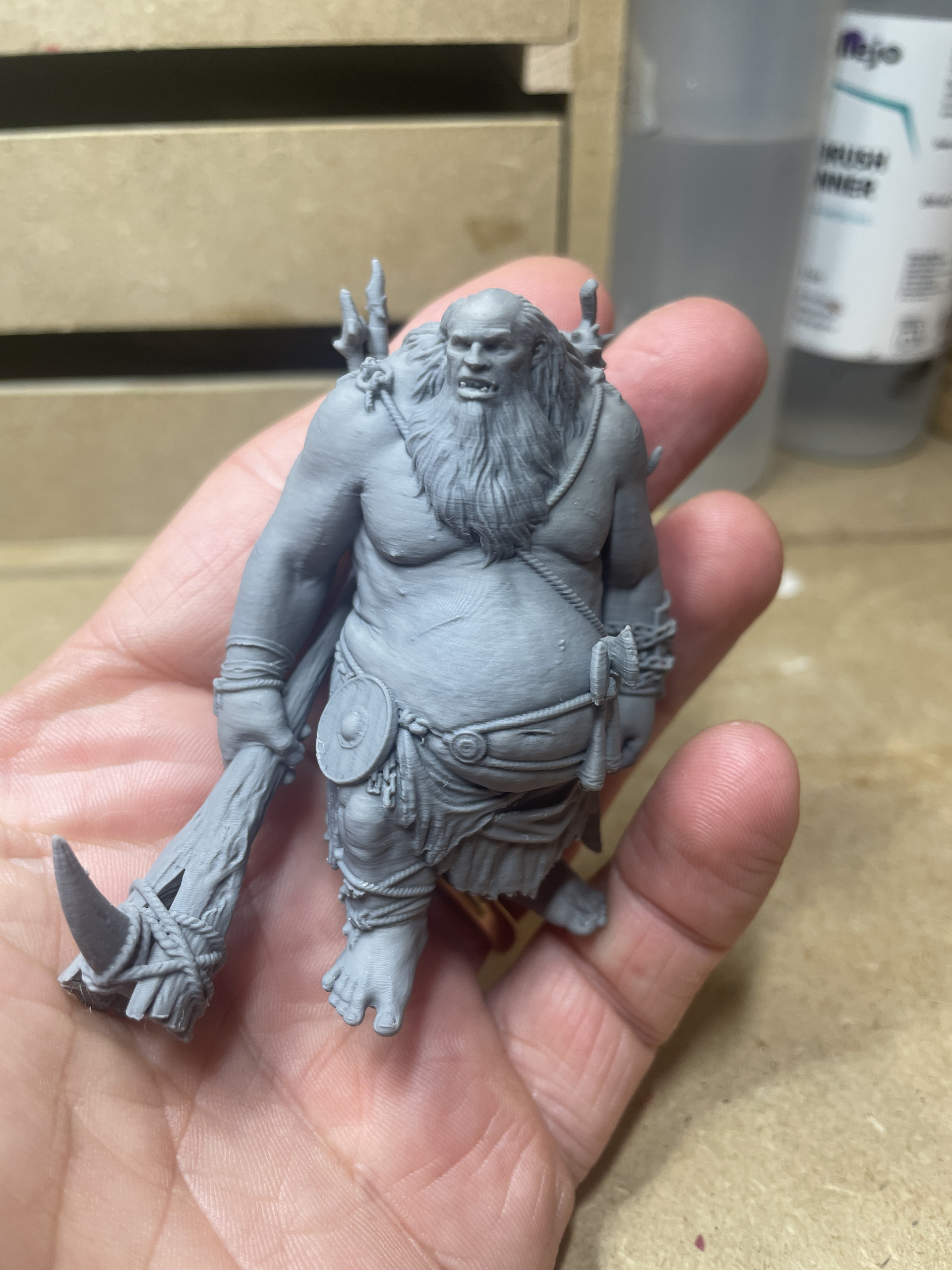
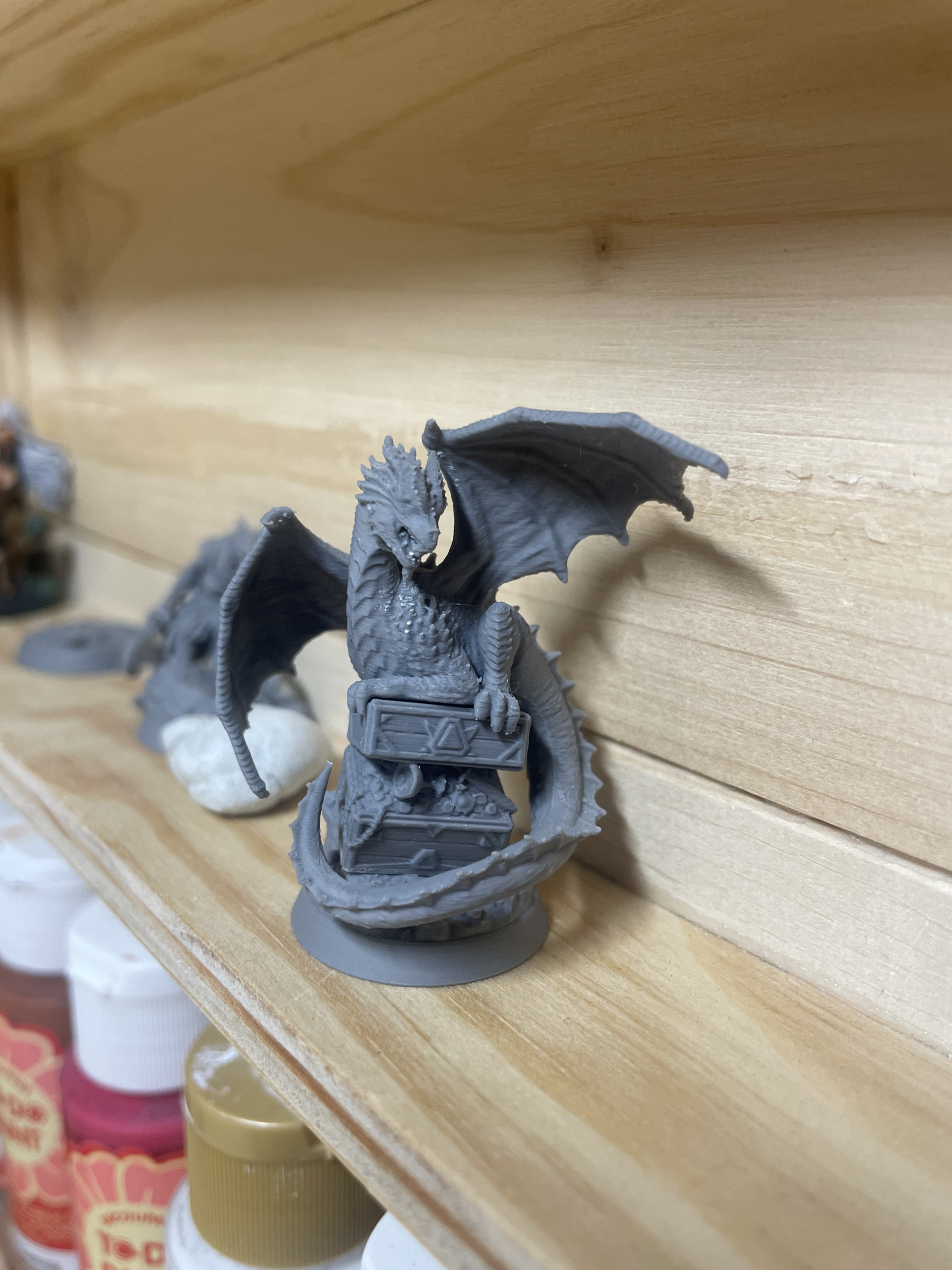
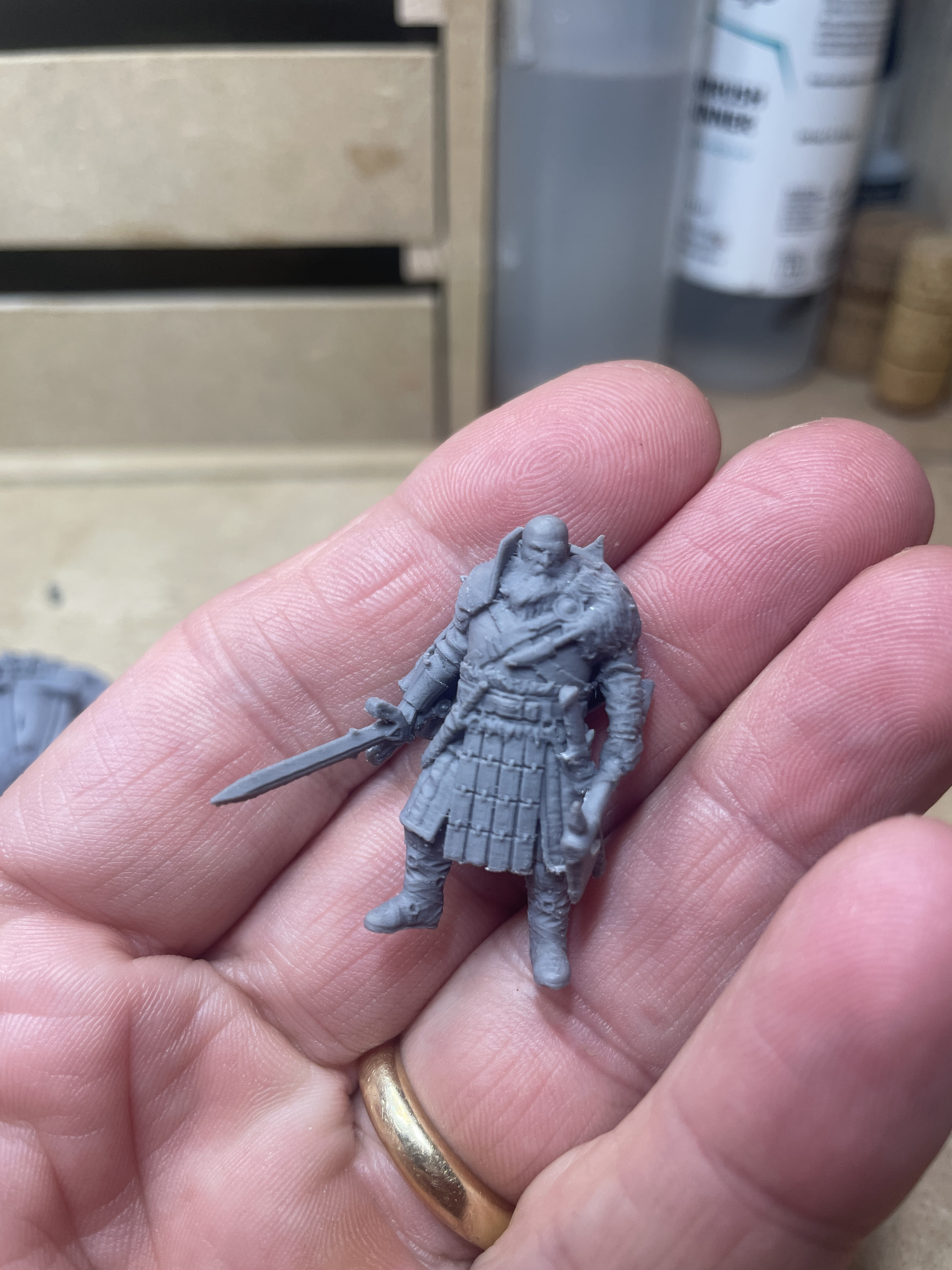
 I’d love to get the P2S or X2D, but I’m a bit worried about how they’ll handle tiny details. Keeping two printers running doesn’t seem very easy to me, though.