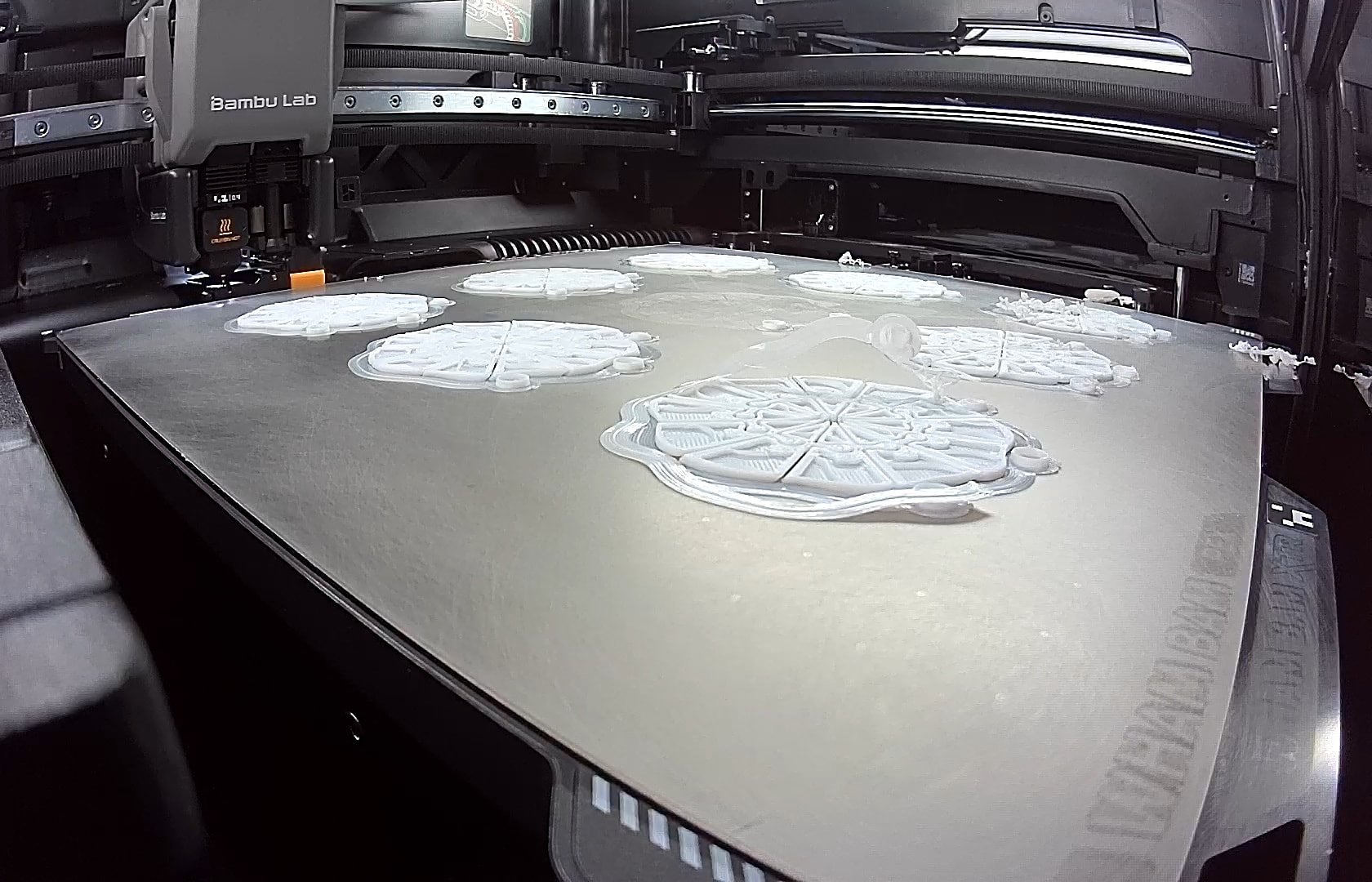
Has anyone who has come out of the gate with an H2c having issues actually corrected them. or is it you get a good one or you get a bad one. I’m now at least 40 hours into cleaning bed, running calibrations, trying test prints, replacing build plate, adding power supplies to AMS2 so I can actually use them to dry filament, drying filament, buying new filament, spend hundreds of dollars on additional supplies, new hot ends for a new printer, new build plate, every print fails to bed adhesion. Frustrating. I have more combined time in this thing than I had in my years with my Anycubic 4 max pro. It reminds me of my lottmax Shark I name Cybill. I replaced my retired X1c with this thing and regret it. I’m pretty sure the calibrations don t do anything on this printer. Almost felt promising when I gambled and picked up the Wham Bam XTR build plate, prepped according to mfg’s directions, ran the
full suite of calibrations, hours latter with calibrations that looked great. I Ran a print last night and right out of the gate print adhesion failure.
Yes support has been typical repeating the same things I outlined I’ve done in my complaint. The wam bam plate is my last ditch effort not to abandon this thing. The original textured plate is horrible. I couldn’t even perform any of the filament calibrations without adhesion failures. I was ready to box the unit up and decided to throw another $80 at the problem with the wam bam plate.
Textured plate that came with it and the Wham Bam XTR. The XTR had pretty good flow calibration while I could never get the pen plate to even complete a flow calibration without the print coming loose
Name a method of cleaning and I’ve tried it. Commercial Dawn, 70% IPA,90% commercial alcohol, scotch brite, paper towels, terry cloth, etc. the Wham Bam plate was set up according to the mfgs instructions for first use.
You’re doing a ton of “stuff” and it honestly looks like you’re lost in the sauce at this point. Shooting the money cannon at problems before understanding the root cause of the problem is never the answer.
Let’s start at the beginning - you’re saying that a fully reset machine that’s fully calibrated, running Bambu filament, printing a file sliced in Bambu studio using stock machine and filament profiles is having repeat adhesion issues?
We’re happy to do methodical troubleshooting, but we really need to start with a clean baseline.
Just a quick note on the topic: “XTR Flexi Plate with No Build Surface”
These plates need very specific settings. They cannot be used with the standard settings. What bother me even more, though, is that the manufacturer doesn’t provide any information on the settings you’re supposed to use in the slicer.
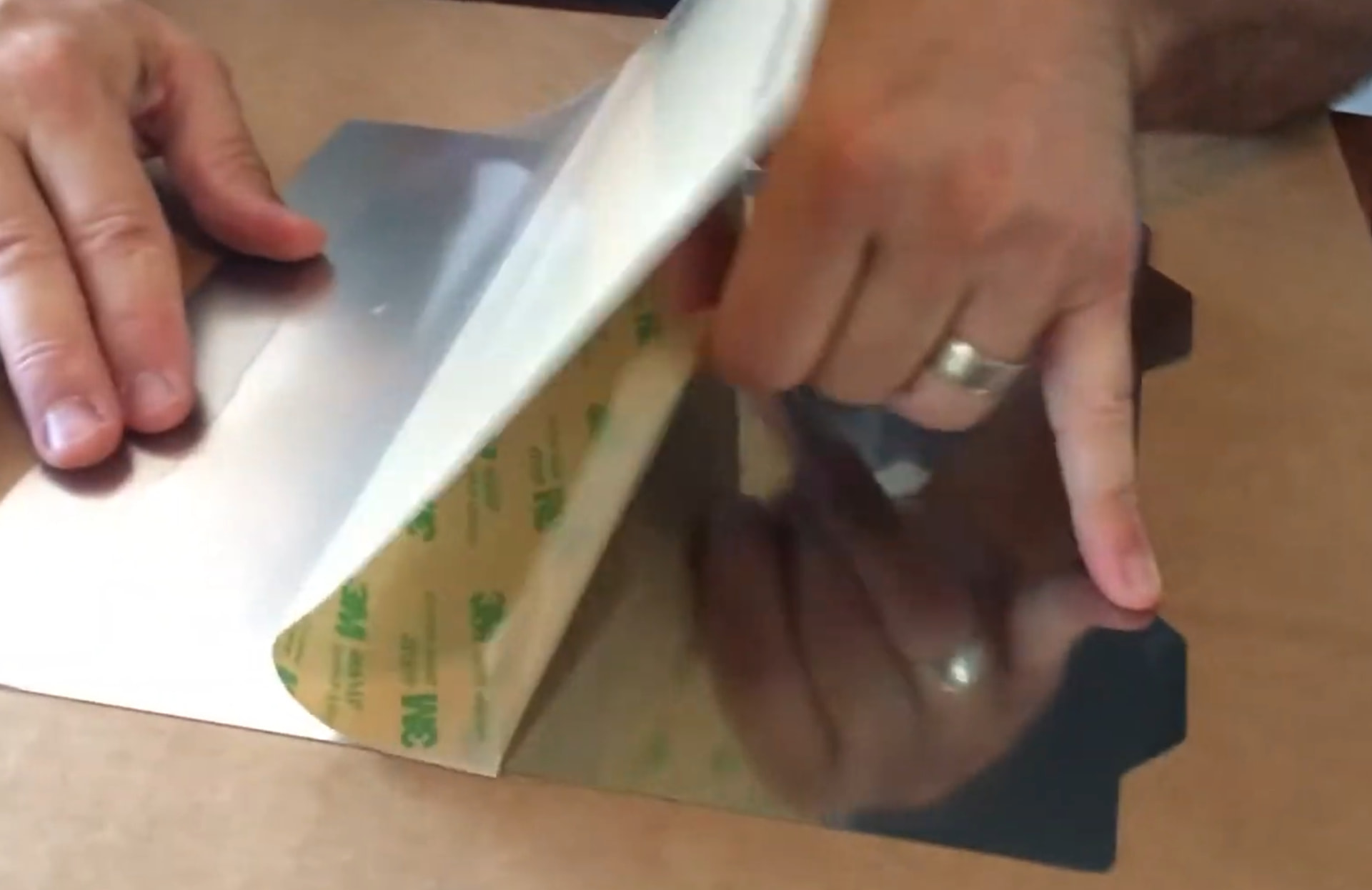
Most importantly, the plates come without the film - you have to apply it yourself, which is no easy task. This introduces an extremely large number of unnecessary variables into the troubleshooting process.
Correct, I also have been using a X1c since it launched. Before that I’ve had a few years teething on anycubic 4 max pro and lottmax shark variety printers. Money wasn’t spent until I exhausted every recommendation to resolve the printers problems as it was delivered, with mixed level of improvement. Items purchased was first, power supplies for my two AMS 2 units so I could use the drying feature, Then fresh filament, just to be safe Bambu Red PLA BASIC, inland PLA, overture PLA, and a variety of of Amazon brands I had been using in my X1C. I’ve never cared for textured plates, and the stick one did not impress and a few times it was recommended a smooth plate, so I picked up the wham bam XTR and some liquid glue. By default I rarely use non OEM supplies. The newest recommended checks from Bambu involve checking the heater units for movement and some screws on the heater plate. I’m paraphrasing. Once I get the chance tonight I’ll follow step by step this last round of figuring it out. BTW I work in manufacturing, this weeks fun job diagnosing a shrink wrap lines PLC to figure why it’s not working.
The Wham Bam plate came with the sheet applied. We use 3Ms VHB at work and what they accomplished with the plate is impressive. You do have to scour it for 4 to 5 minutes with a fine scotch brite pad wet with alcohol. They also had some basic but informative information on the bed temps included. I don’t know if getting mine from micro center was the difference of not. I agree though if I had to install the sheet on the plate I would have just not purchased it.
I believe you when you say that, but I have to admit:
This is the first time I’ve heard that the surface is supposed to be exposed to alcohol for that long. And on top of that, that you should use a Scotch-Brite hand pad as well. So that mean you’re supposed to sand the surface - even if only a little and a fine one - every single time.
That’s honestly the wildest thing I’ve heard in the era of modern print plates, when stuff like that really isn’t necessary anymore. It feels like something from the early days of 3D printing.
Are you sure the retailer isn’t just trying to sell more print plates and that’s why they told you to use a Scotch-Brite? Clever move on their part.
But don’t get me wrong: If it works, then it works, and you’re proven right.
As @CarbonForge mentioned already, just simply start from scratch with the stock plate that is cleaned properly and with a Bambu filament.
Run a benchy from the internal memory of the machine to see if that sticks.
Have you checked if the build plate reaches the proper temperature? If all other stuff is prepared properly, build plate temperature might be the issue
I thought it was settled over a year ago that the frostbite and glacier plates were hands down the best for practically everything, with the frostbite being best for pla and petg and glacier for things like PPS-CF. Once you try it, you very likely won’t ever look back. Put your effort into dialing in something worthy of your time, not older obsolete plate technology. It’s a sunk cost; get over it.
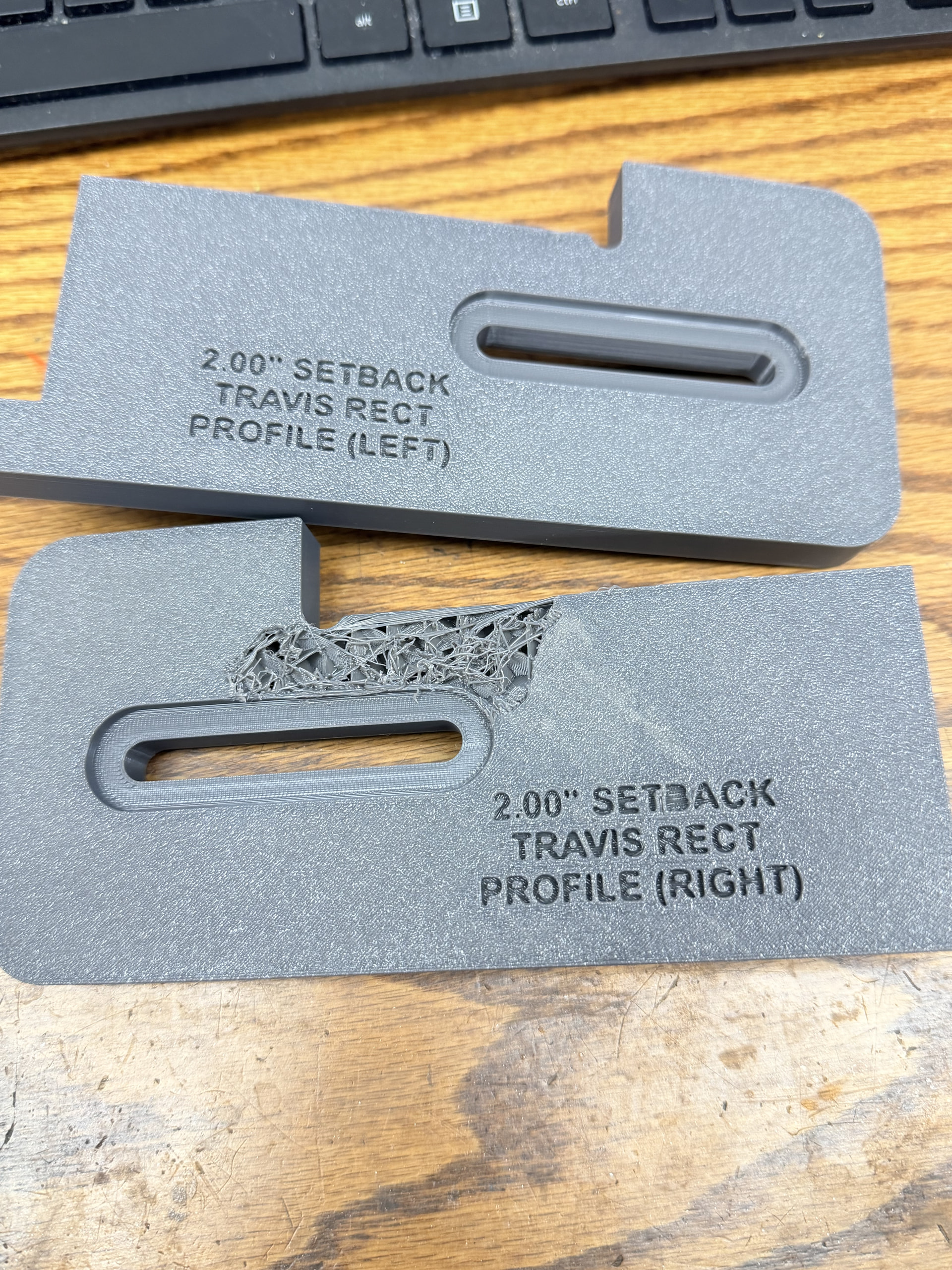
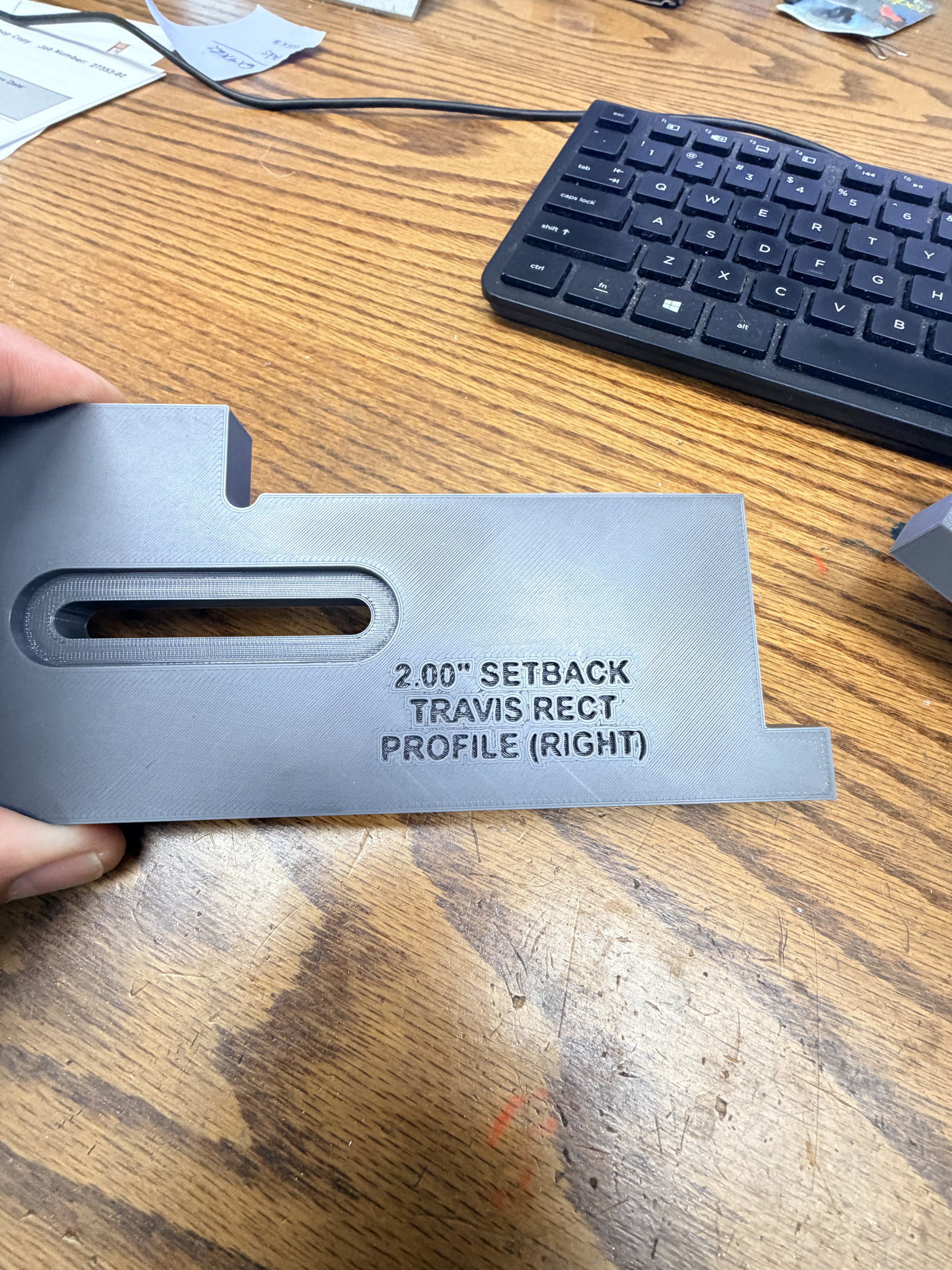
this shows how there was clear adhesion issues with this print. I cleaned the plate before hand and used liquid glue that gave me relative success with my PLA print that was contently failing. As a note i have held the belief that glue, tape, etc are not solutions but band aids. This next picture is a print of the replacement for the failed print above but printed on the wham bam XTR plate.
Material on both generic PETG grey. Settings Generic PETG in Slicer, textured PEI on failed print, Wham Bam XTR (Engineering Plate) bottom.
After the top print failed I could see a “hologram” on the plate where the filament didn’t stick. Was there still a contaminant on the plate? most likely. FWIW I have cleaned this plate several times with commercial DAWN, and 91% alcohol. This side works better than the other, as in I have actually had prints finish. I have 1 print out of dozens of attempts on the PEI Textured that was 100% successful. I have had 1 bad print so far on the Wham Bam XTR plate.