I am a first-time Bambu Lab customer. I purchased a new H2D a few weeks ago. I have had really good luck with PLA, but I am really struggling with nylon.
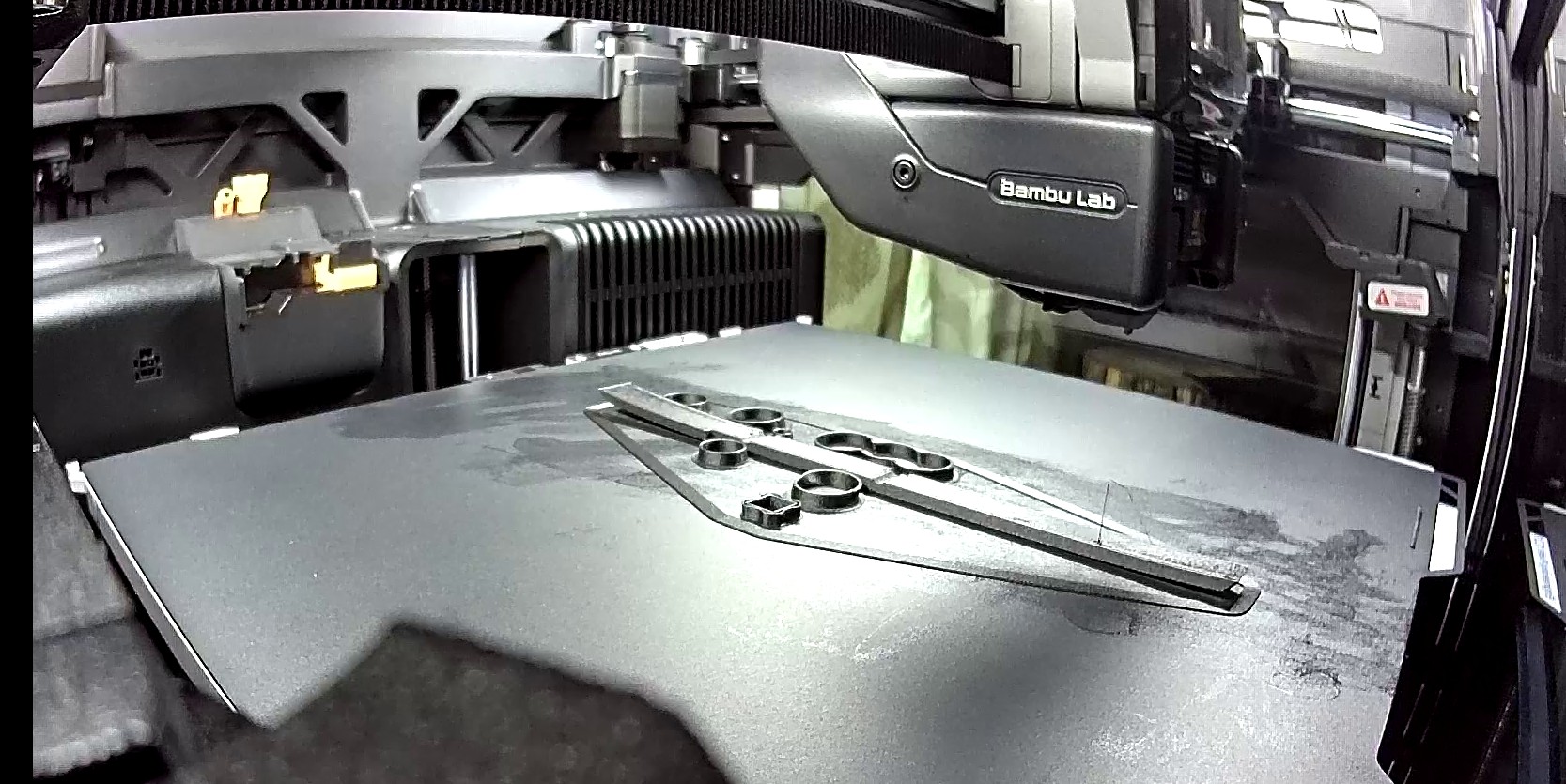
Example of the problem:
Things I have tried:
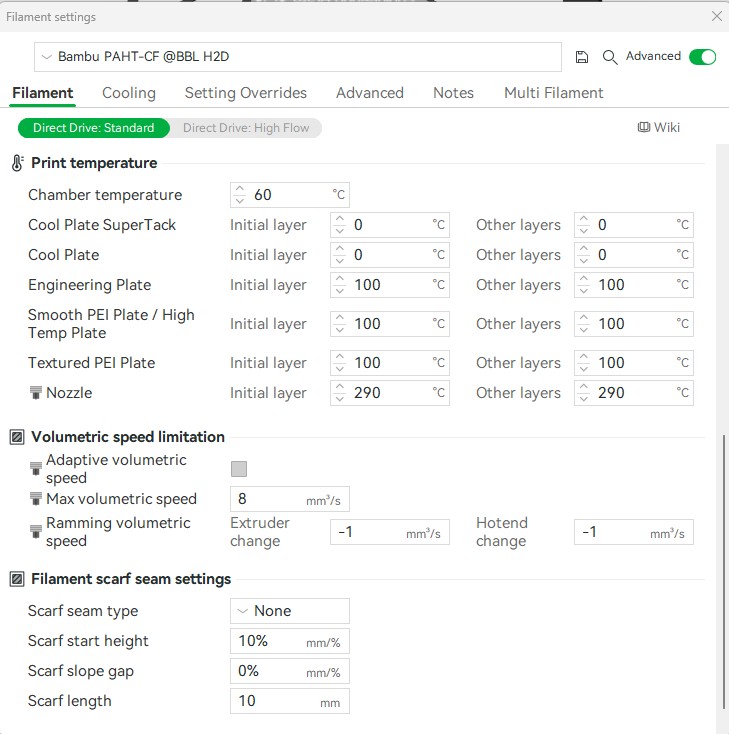
drying the filament: I have purchased the AMS HT. I am drying the material for 12-24 hours min at 85C.
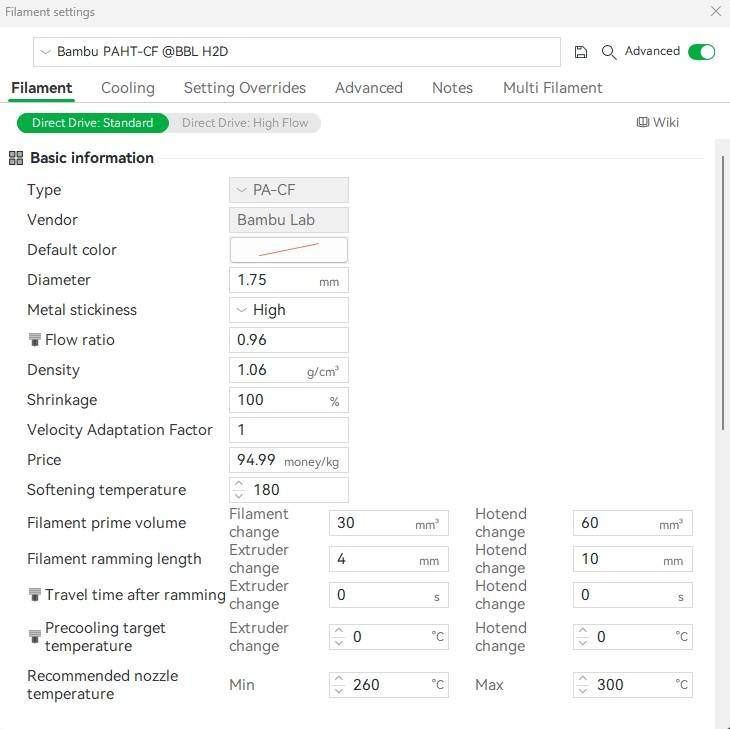
filament: I have tried Polymaker Fiberon PA6-CF20. I have also tried Bambu Lab PAHT-CF.
Adhesive: I have tried Vision Miner nano polymer adhesive, Magigoo (MO2016), Magigoo (MPA2019 - for nylon), Bambu Lab liquid glue, glue stick.
Build plate: I have tried both the textured PEI plate and the engineering plate.
I purchased the printer primarily for nylon. I did not expect to struggle so much with getting good adhesion / successful prints.
Any assistance is greatly appreciated.
OK, first up, part geometry has a big role to play here. If you have many walls enabled, you’re increasing the propensity for shrinksge significantly. Long, uninterrupted sections generate more shrink forces than broken sections.
Next, try printing a PETG raft under your PA6 parts. Use the textured plate for that.
There are also better plates for nylon than the ones Bambu sells. Darkmoon sells many specialist plates that would be worth checking out.
I also purchased this machine for this purpose and have struggled with adhesion. It iss the long runs of filament that shrink the most and eventually pull up the corners because the forces have to be balanced somewhere.
The success I have had was mainly down to bed interface surface area optimisation. Reducing the contact area patch dimensions as much as possible, breaking into several smaller contact patches and using ABS as a support material. Maybe even using an ABS raft. I do use adhesive, Magigoo PA seems good, but so does Filaform regular TBH.
I am told a Garolyte plate is the business for PA but have not stumped up for one yet, interested to hear if others have had success with this. Noted that BL dont offer this plate type yet.
1 Like