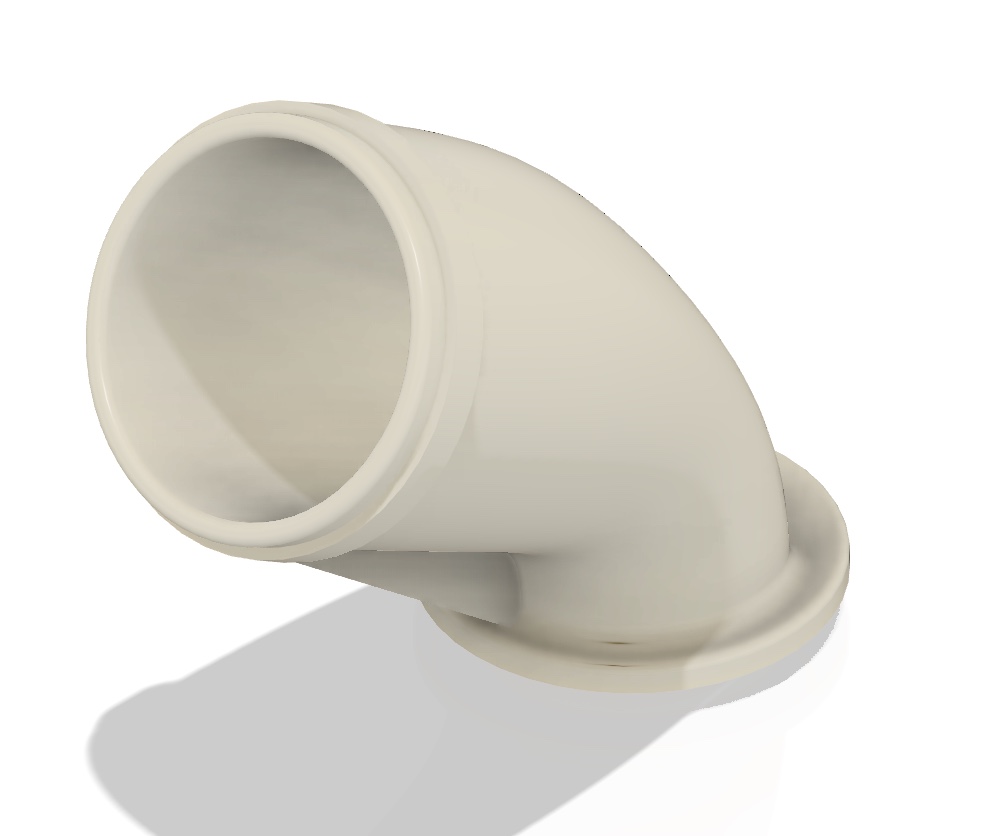
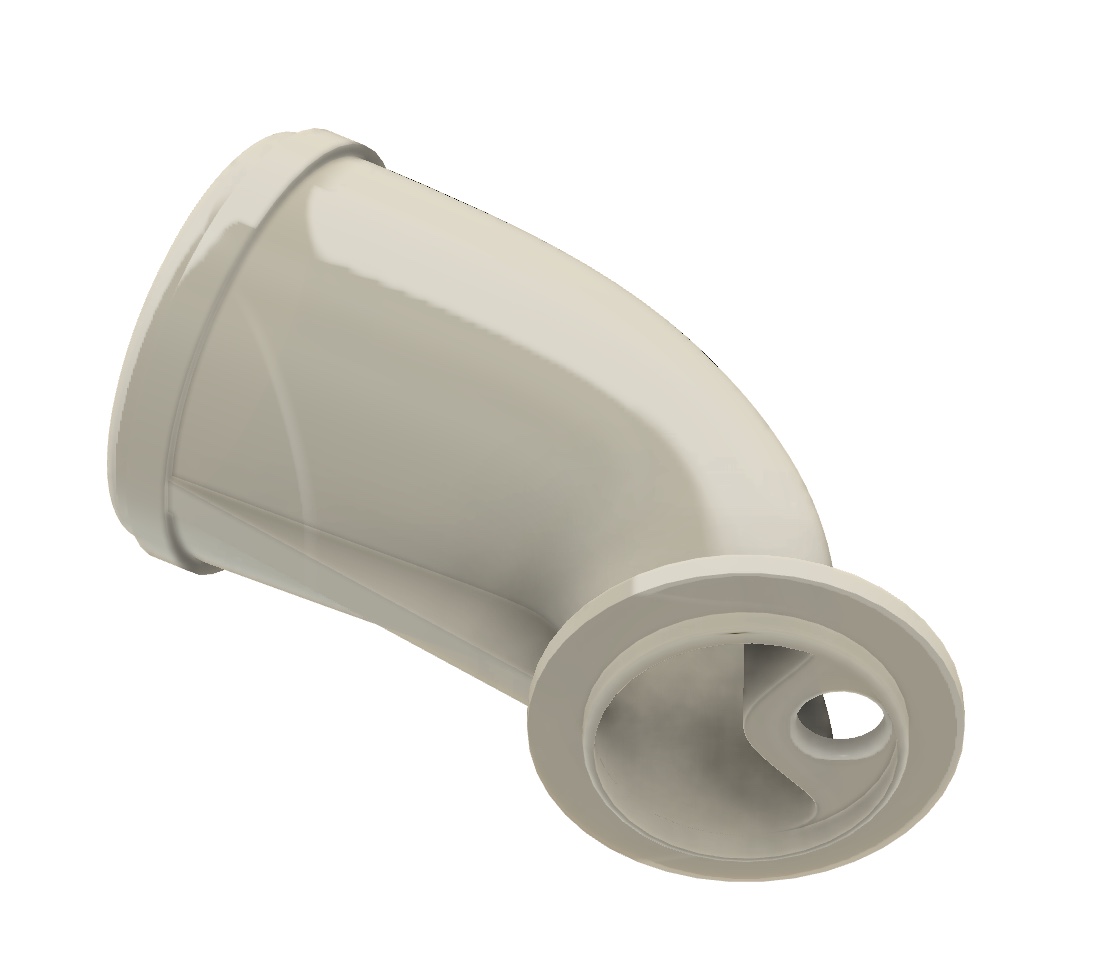
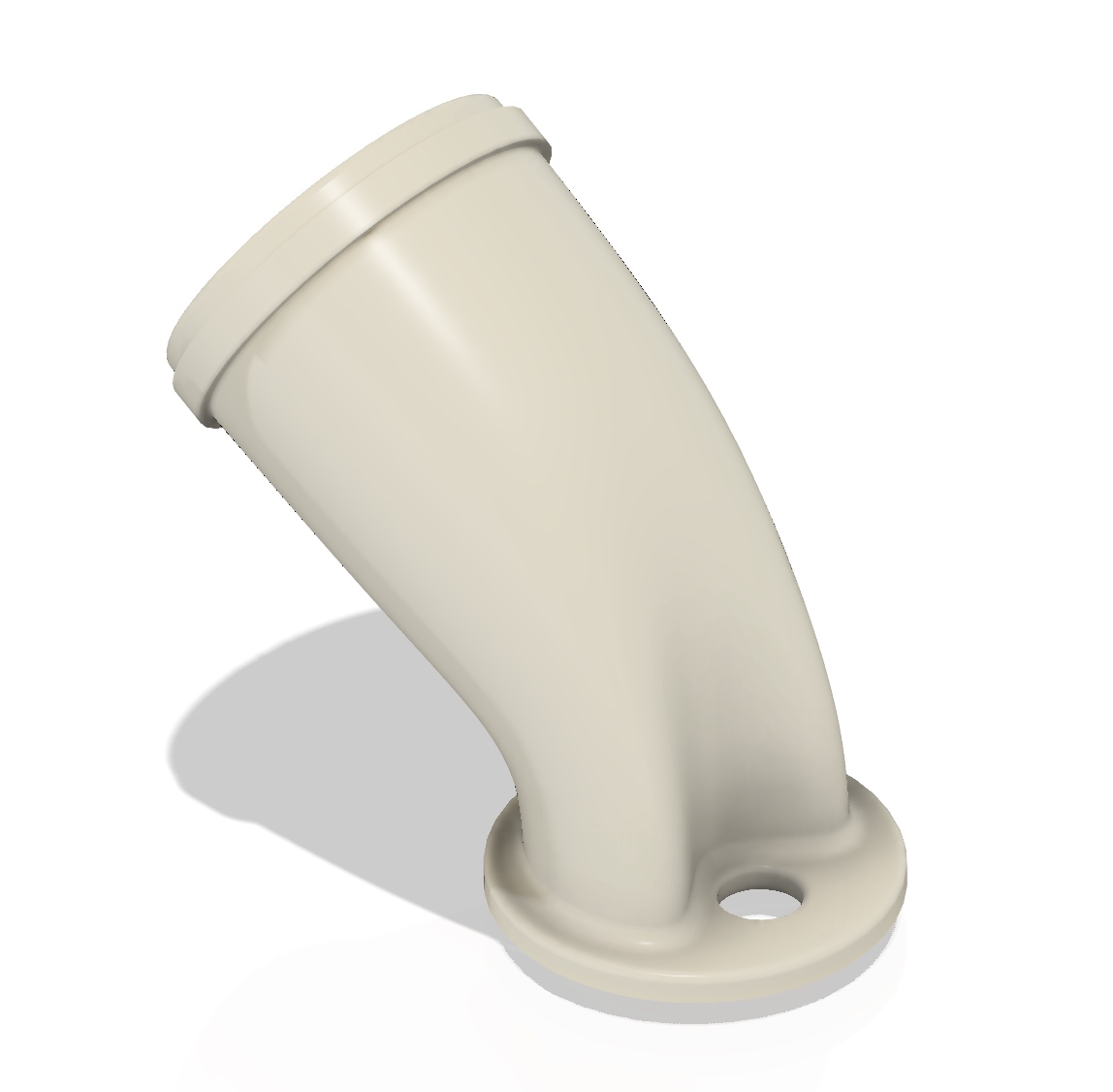
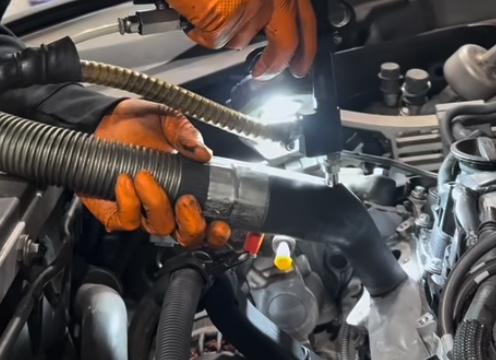
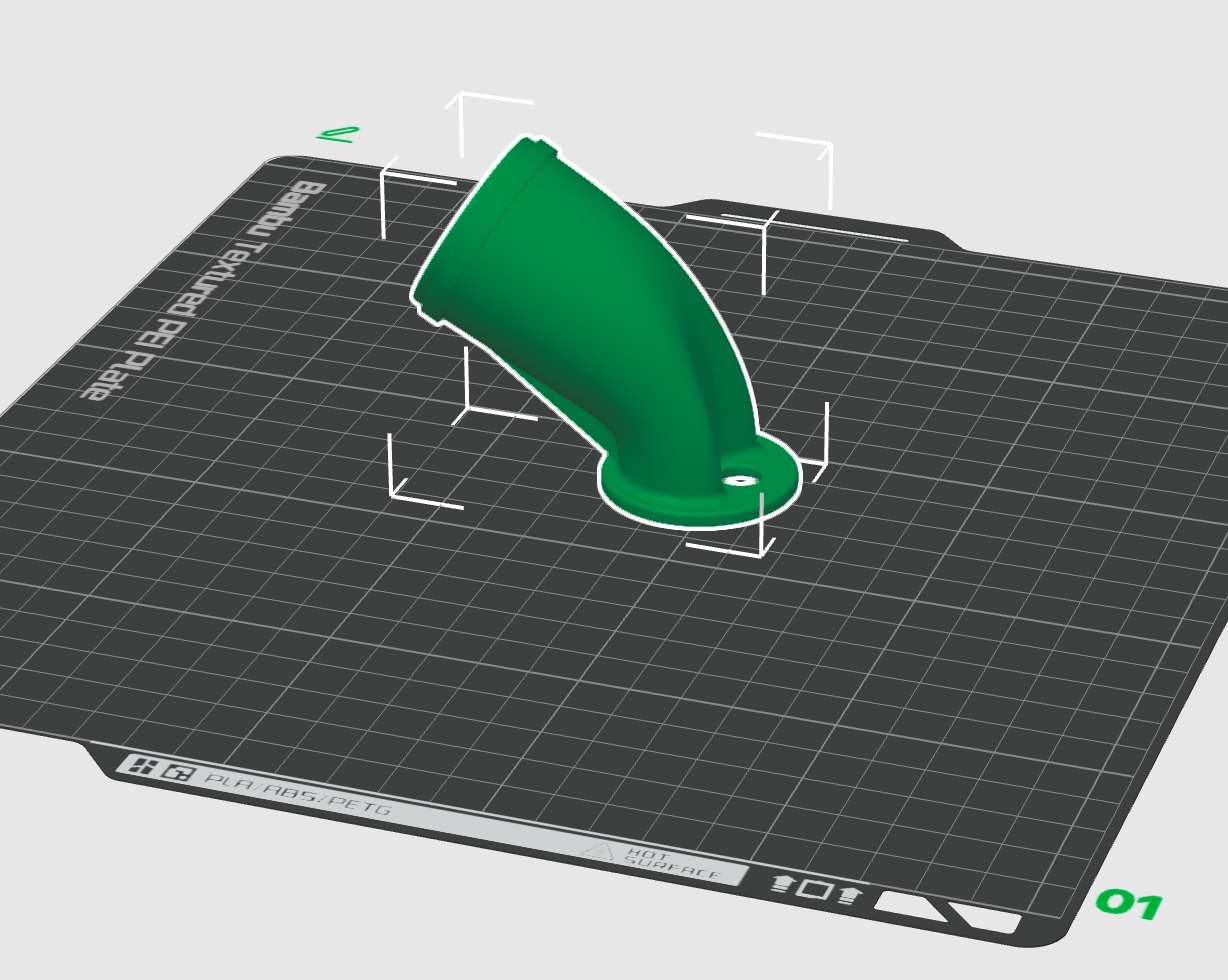
For walnut blasting an intake for a car, I’ve designed an adapter for the vacuum hose to fit on a Volvo intake. This adapter covers the intake and has a small opening to put in the pressure gun which blasts the walnut shells to the inside of the intake.
My main concern is strength. Of course, on the wider end of the adapter, the vacuum hose enters with a rubber nozzle. The whole has to be sturdy and is printed with PETG.
My main question is how to orient the adapter on the printing plate so that strength is optimal and support is also optimal (without being too difficult to remove).
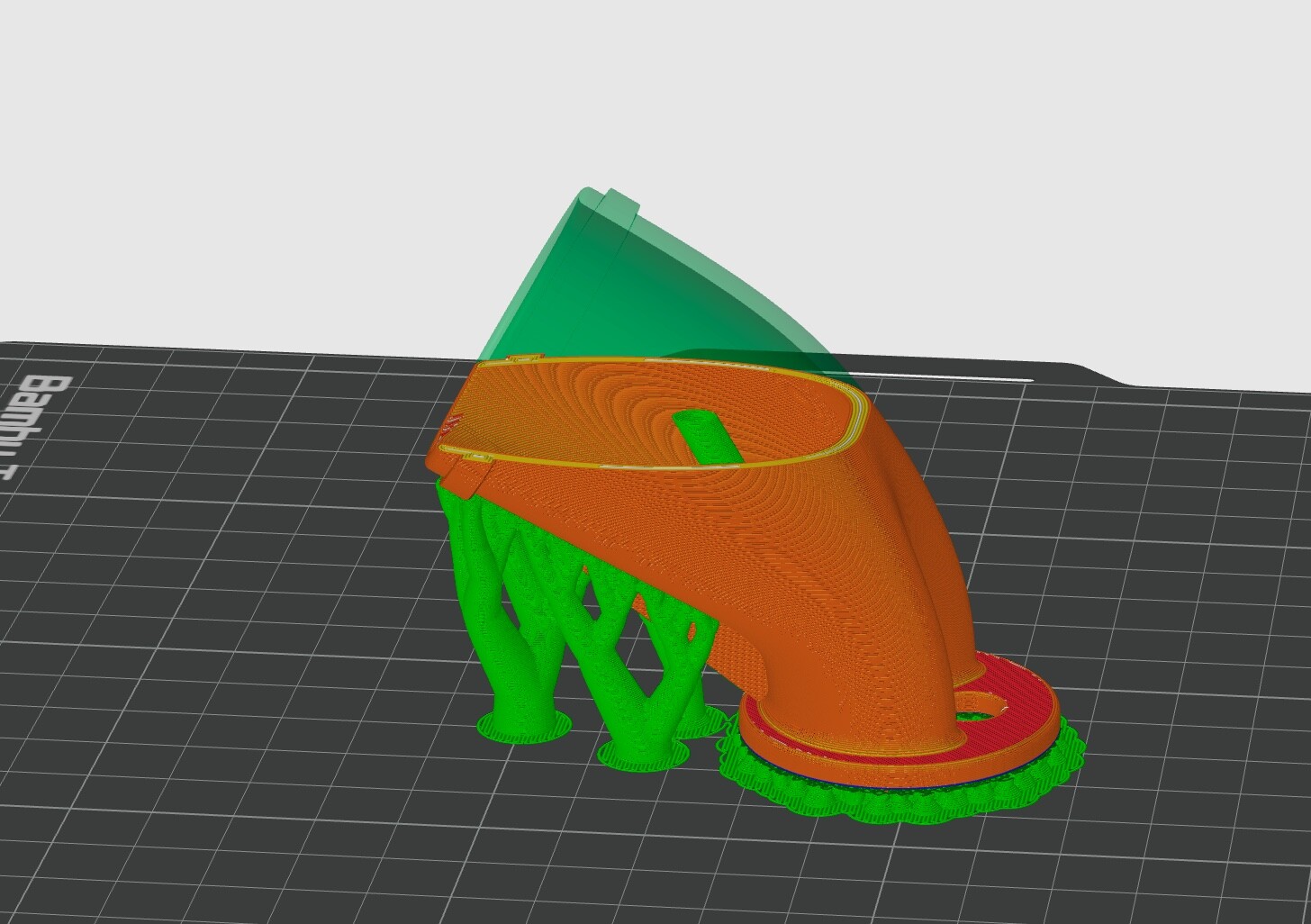
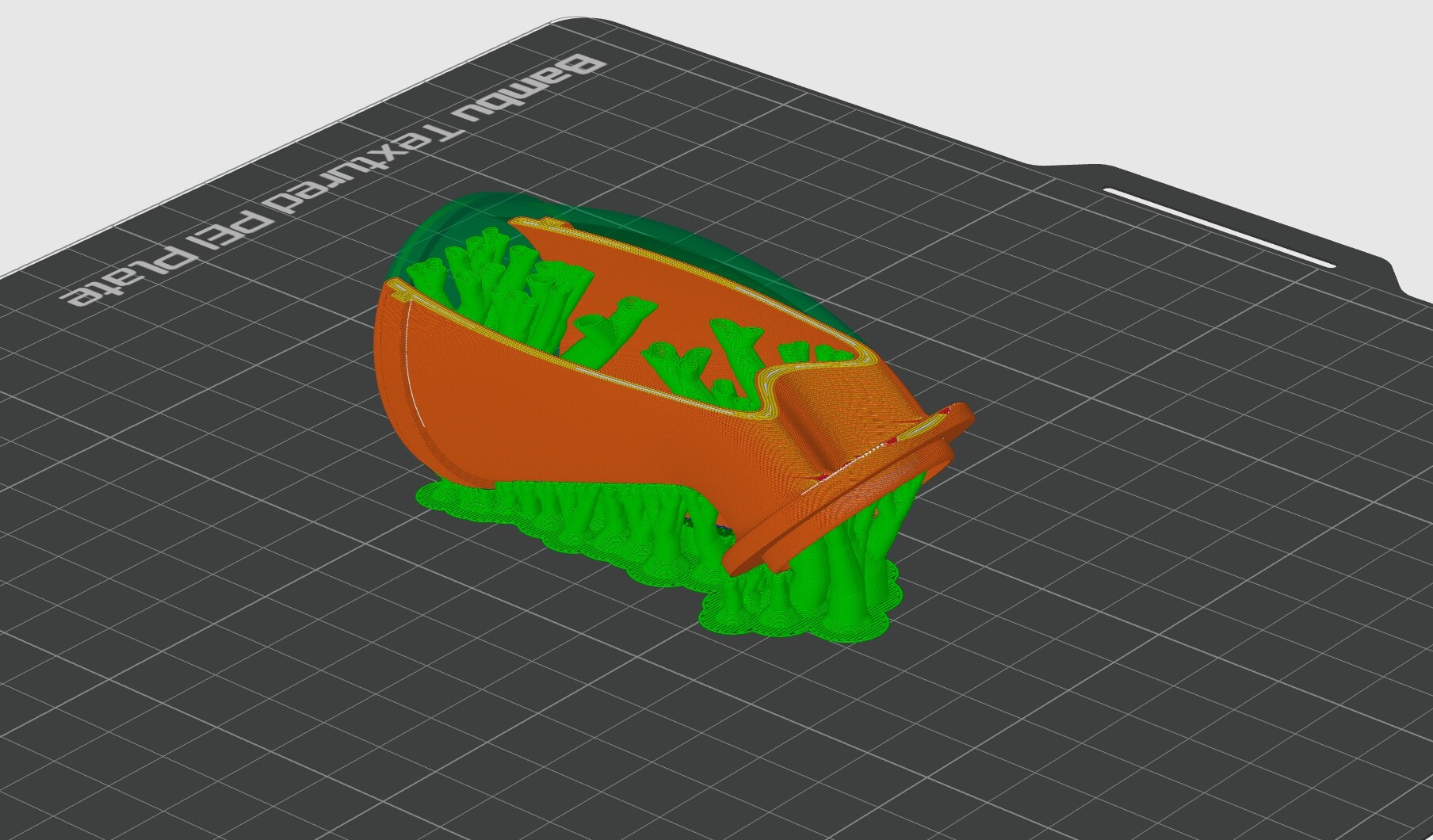
Here is an impression of the sliced adapter in the Bambu Lab software.
As already mentioned, the main concern is strength. The walls are 2.5 mm, and there is support added: an extra ring at the nozzle where the vacuum enters, and a straight support between the bottom and the top of the adapter.
I am wondering if TPU for AMS or a 98A TPU would be a better choice. Layer adhesion is very good and it may seal a little better than PETG. You could place it on the big end to print.
Because of the curved profile there’s inevitably going to be irregular strength distribution on the adapter.
It’s fortunate that the part is under suction rather than pressure, but I suspect at the end of the day your failures are either going to be 1) Mishandling - someone just pushed too hard and broke it.
2) Media wears through the wall.
Especially due to #2 I’d be thinking about thicker walls in general, that makes most of the strength concerns go away. You aren’t really constrained on the wall thickness for the exterior face, so use it if you need to.
I would probably put the large opening on the bed so the larger areas are printed as hoops. Turn on random seam location, and there’s a setting to make the inner seam offset from the outer seam, as I recall.
As mentioned above, PETG just may not be the best material for this job. You’ll find out soon enough, but something tougher may be needed - or even something like PETG on the outside, TPU on the inside. Nylon for the whole thing may be a good idea, too.
Make sure you filaments are very well dried, whatever you use.
In those orientations the ring wan’t really add much strength I think. The vacuum tube seems like it could be the weak point. Any stress on the vacuum tube would be trying to split the layers apart since it looks like it has leverage.
I would be tempted to print that with the vacuum entry face down on the build plate so the filament wraps are wrapped around and around where the vacuum tube enters. Especially since the walls aren’t the thick there. But that also reduces strength at the mounting end.