I used to be able to print Taulman 910 nylon on my old Ender 3v2. Cannot get it to work with Bambu X1 Carbon. Yes, the filament has been dried for days at 70C. If anybody had success with this filament, please tell us you recipe. Nozzle temperature, bed temperature, bed type, glue, print speed, etc.
Thanks,
Sergei
Hello,
I did a small 40mm part with the Taulman 680
I have not tuned my 680 settings on the X1. This was just a quick setup but worked for my part 
Orca slicer 1.6.3
Nozzle was 250c
WhamBam Bed 65c with nano vision miner but I normally use Garolite bed plate for big PA parts.
Flow Ratio 1
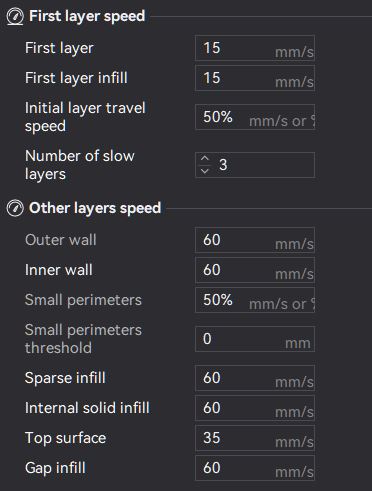
Hope it helps you out 
Thank you! I was trying to print significantly faster than your presets. I believe my speed came from some Bambu defaults. Let me try to slow print speed down.
Would you mind exporting your config? I’ve been battling with this roll of 910 all weekend and not having very much luck. I started out printing at 255/50 but actually had better luck at 270/110 which seems contrary to what Taulman recommends.
I’m not having any issues with adhesion at all, first layer looks perfect, but after that things just kinda get worse. The top layer seems to almost disintegrate and turns into this rough sparse layer of random small nylon particles.
Appreciate any help you can offer. I did dry the filament so I don’t think that’s the issue. Also, I haven’t heard any popping sounds at all to indicate moisture in the filament.
Yes, that is the same issue I am having: perfect first layer then hairy forest. See attached pic.
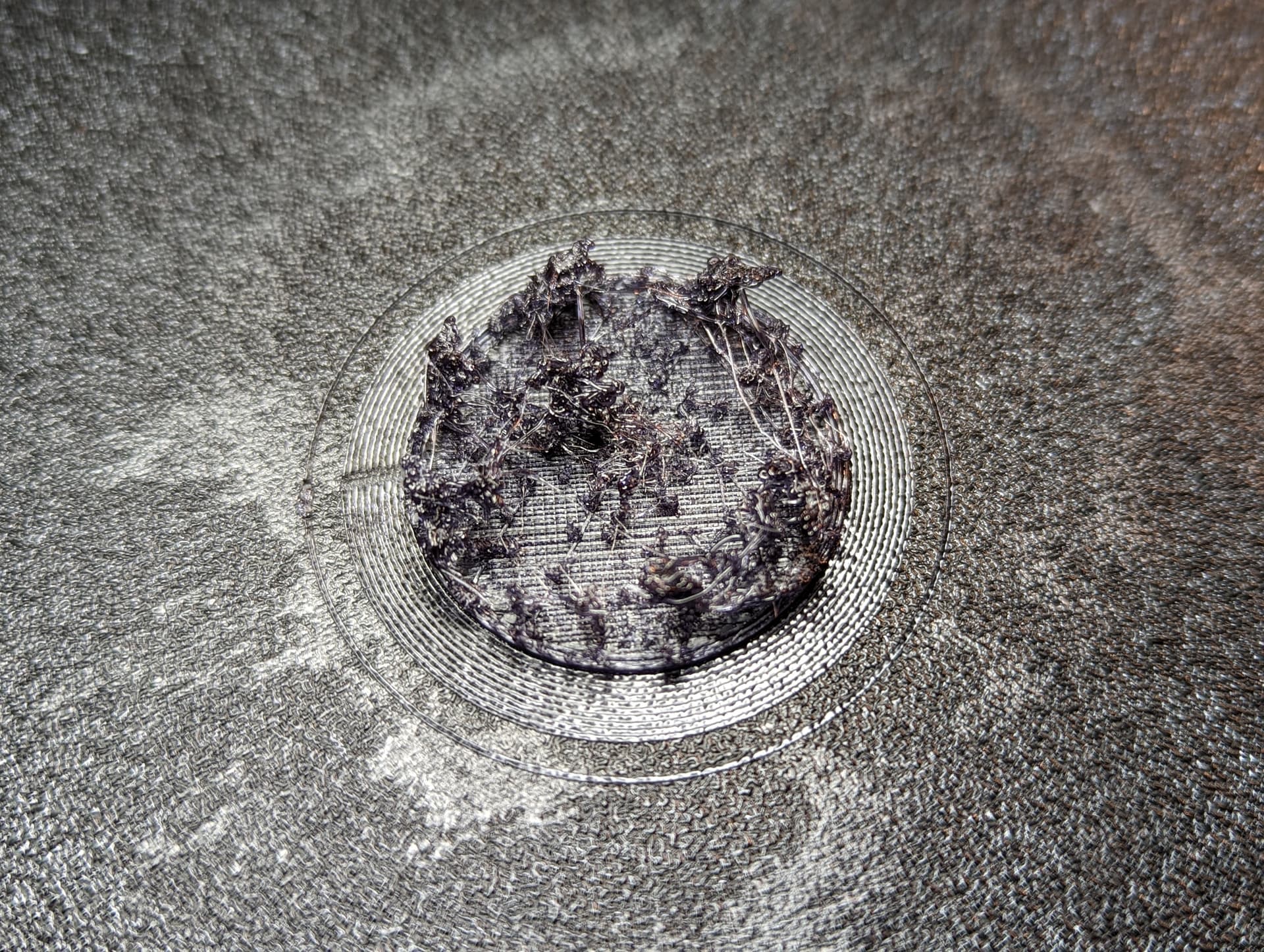
I also tried a “proven” (albeit for different brand) nylon recipe from printables with the same reasult:
https://www.printables.com/model/457284-panylon-tuned-x1c-print-profiles-for-bambuorca-sli
I am coming to believe that my filament is just too old, past its shelf life. It used to print well but that was a year ago. There are multiple references on the net claiming a 12 month shelf life for nylons.
As for printing hotter, I suspect this is normal for all filaments on Bambu due to a hardened steel nozzle and high flow rate.
Yes, that is exactly what my prints look like! Like a statue of crumbled shredded wheat lol. Good point about the hotter temps. I’ve seen some YouTube videos that mentioned this, but this is my first time printing with a hardened nozzle so I don’t really have any context. My experience with 3D printers so far has been with my Prusa MK3S
Interesting you mention the shelf life, mine too is old (for filament). I bought it in January 2020… That would certainly explain things. I’ve had no issues trying to print any of the Polymaker PA12/PA612 filament I just received this week.
I’ll give that profile link you posted a shot, but I’m not expecting any miracles. Like you said it might just be a lost cause. Shame I was never able to print anything with it 
-
I don’t have any of the 910 filament on hand to test out.
-
Try all other layer speeds @ 40 mm/s with the 910
-
Print Temperature 250C - 265C
-
With the texture bed plate you might have to up the bottom flow ratio to 1.05 - 1.20
-
Dry it out a few times also
Well it looks like I finally solved the mystery of the 910 sponge prints. I got my food dehydrator today so I figured I would toss the filament in there for 12 hours and give it another go (it actually ended up being closer to 16-18 hours). I didn’t think it was going to help since I had never heard any of the popping sounds associated with moisture, but I figured why not. Unfortunately, I got the same results, in fact I would argue they were even worse than previous attempts.
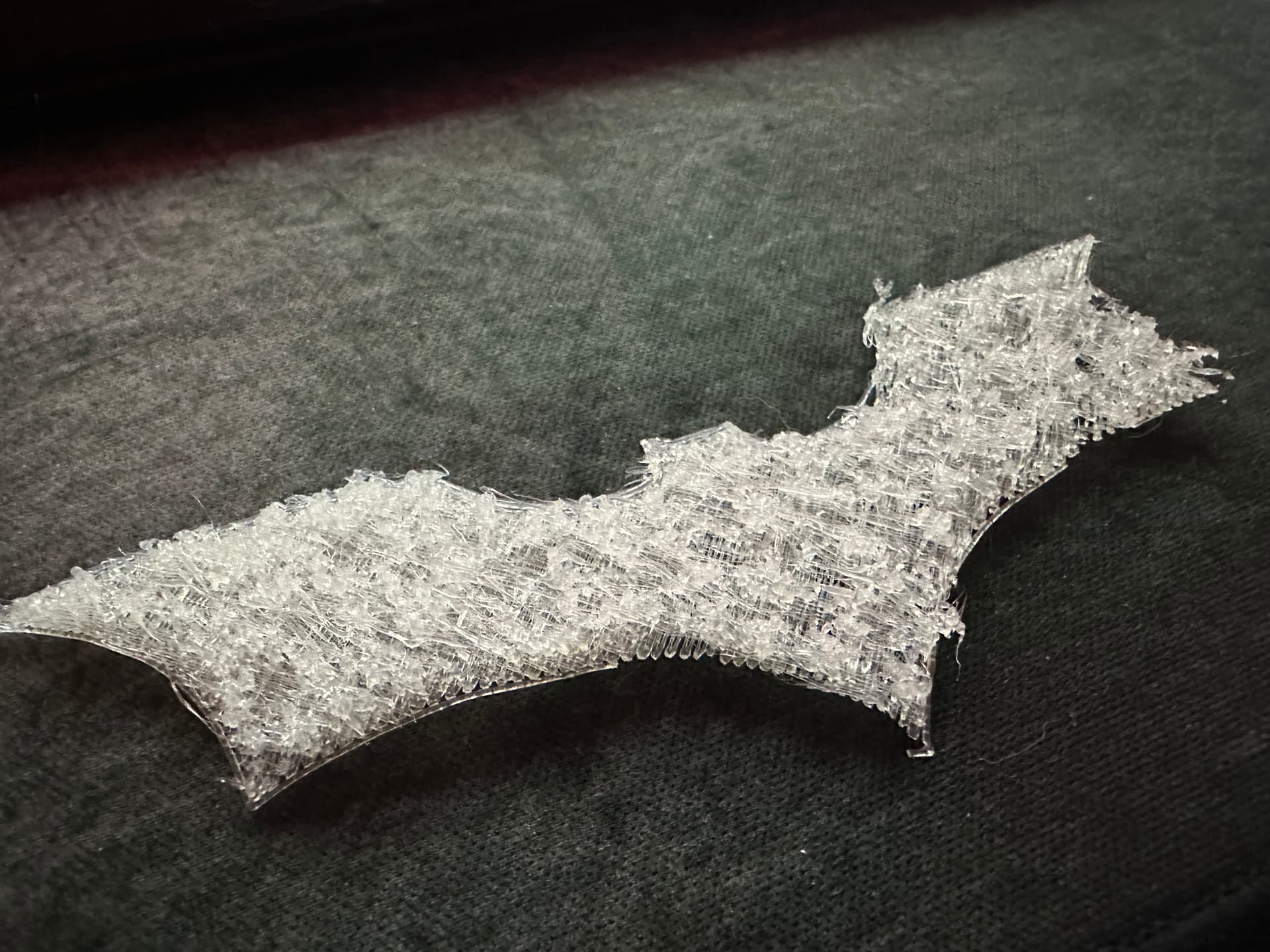
So since I have been running the Orca Slicer calibration routines for a few other filaments the past few days and I had never run it for the 910, I figured I would give it a go. I started with the flow ratio test and to my amazement, a few of the samples actually looked good. Quick note: all the test prints I had done to date were with a flow ratio of 1.

The samples +20 and +15 looked the best, so I updated the flow rate and ran the pressure advance test. That too was way off, so I adjusted and with fingers crossed, printed out the Batman test again.
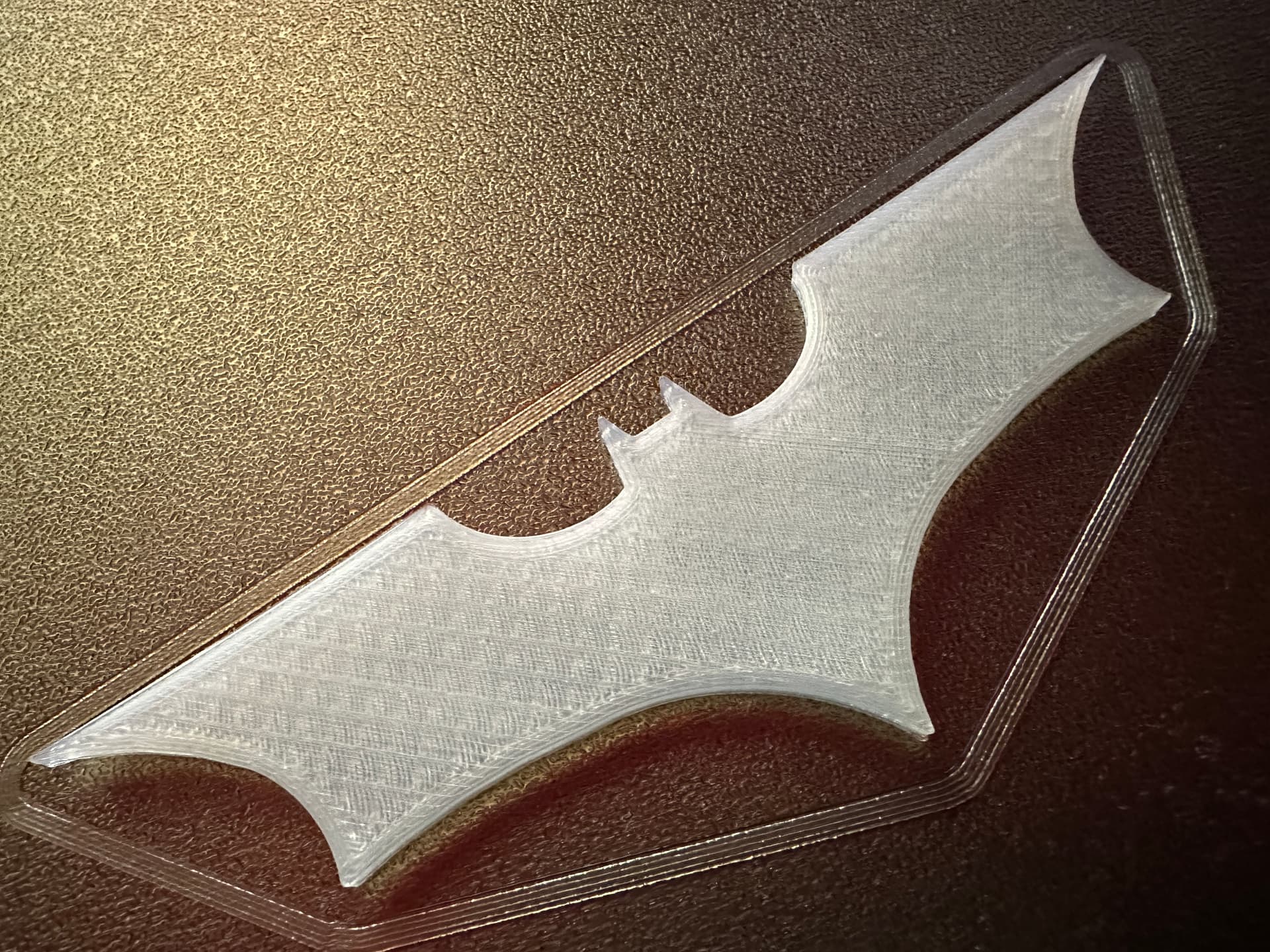
With all the trash prints I’ve had previously with this filament this looks perfect. The truth is there’s still some minor warping and the tips have raised edges so probably need to adjust retraction, but I’m happy where things are for today. So long story longer @sergei.sharonov try running the calibration routines in Orca Slicer, at least the flow rate and pressure advance tests and see if you have better results.
Cheers
Since your best results were at the limit of the flow ratio test, I think I would run it again to see if further adjustment could provide more improvement.
That’s a really good point! I hadn’t actually considered that, I’ll have to give it another go this weekend.
I just opened a new spool of Natural Nylon 910. Right out of the package it printed like ■■■■. If it was vacuum sealed before it was shipped that bag lost its vacuum. I did not hear any popping while it printed but I dried it overnight anyways. It worked as expected the next day. I am using the Generic PA settings and changing the nozzle to 250C, bed to 45C, and max volumetric speed to 8.
Very similar to what I used in the past on Ender 3v2 (255/45). Also glass plus gluestick. What bed are you using? Glue?
BTW, I tried extrusion test as recommended by 0x80O0oOverfl0w with the same failure - all samples look severely under-extruded and very inconsistent. The same Bambu Lab Carbon X1 prints PLA and PC just fine.
I’ve been using the LayerLock Powder Coated PEI Build Plate, but I will do a quick test print on the engineering plate in a bit.
I use the Engineering Plate with Magigoo Pro PA or the regular Magigoo if I don’t have that.

Hi, I have used nylon 910 for years as well. My two cents1. Use Enders glue in your base, that will ensure adhesion, 2. DRY IT for at least 12 hours at 70 degrees Celsius, 3. Print it at 250 nozzle and 100 in the bed , preheat the chamber. On the first layer ensure to go slow
I think they stopped making this filament but for posterity sake here is my solution. Maybe it applies to other nylon filaments? It seems that either aging or multiple cycles of drying change filament in ways that require increased flow for successful print. Just try printing flow test pattern and it becomes obvious.