So, to do my write-up:
At first, I realized I had to better understand the problem. My trials on minimum layer height earlier in the year showed a good performance on lens-like shallow domes. The problem description was something I had not observed. But then, overall relatively thick lenses are very different from paper-thin prints. Especially since I did not look at minimum 1st layers in the past.
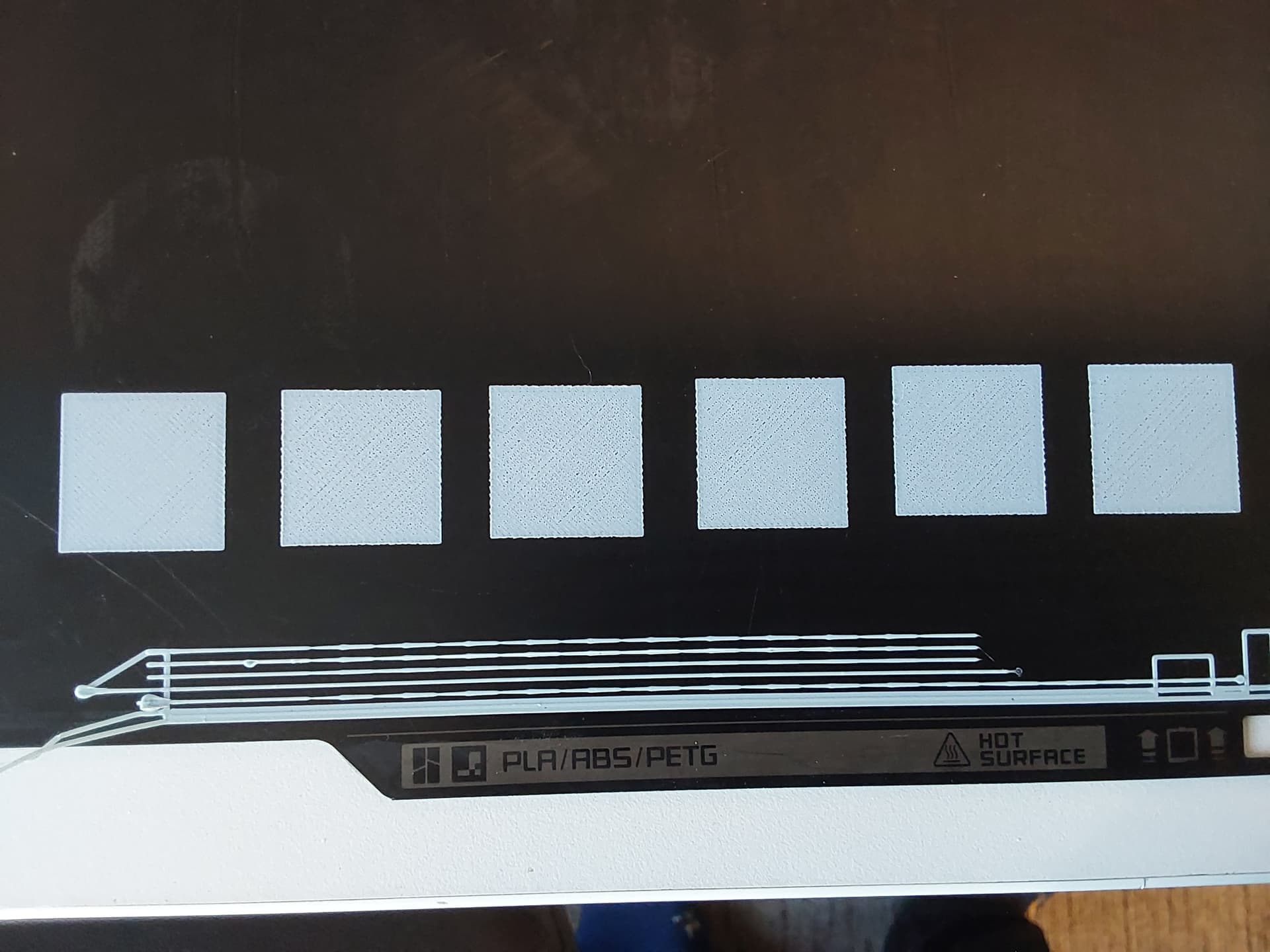
So, I generated some 0.12mm high cubes in Studio (ver 2.3.0.70, Developer Mode enabled) and some light blue Bambu PLA Matte that was loaded in my AMS, entered different layer heights, cleaned my Smooth PEI and applied a thin coat of Glue stick (a few lines of glue stick, a water soaked paper towel to spread it all around) and hit print.
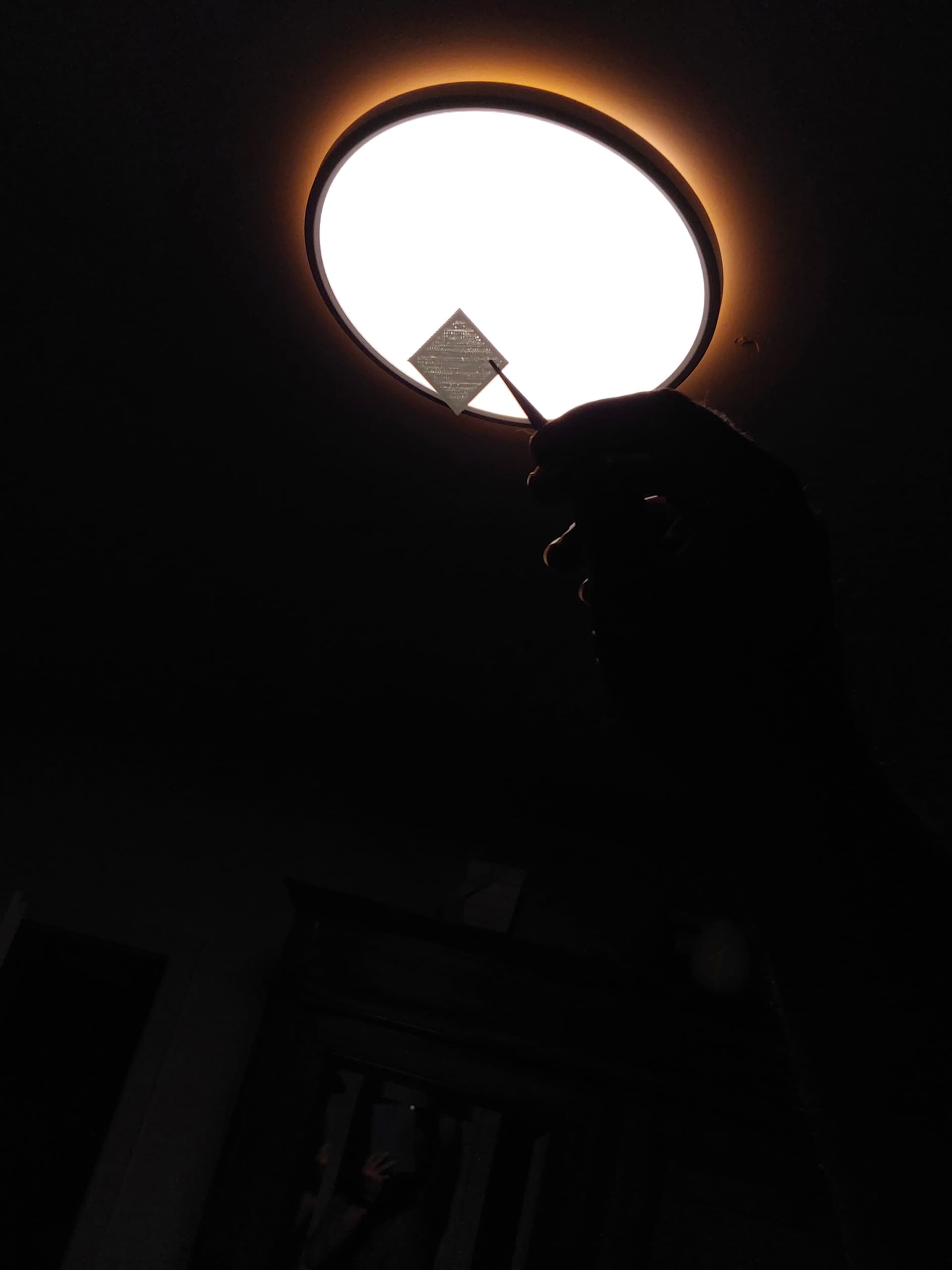
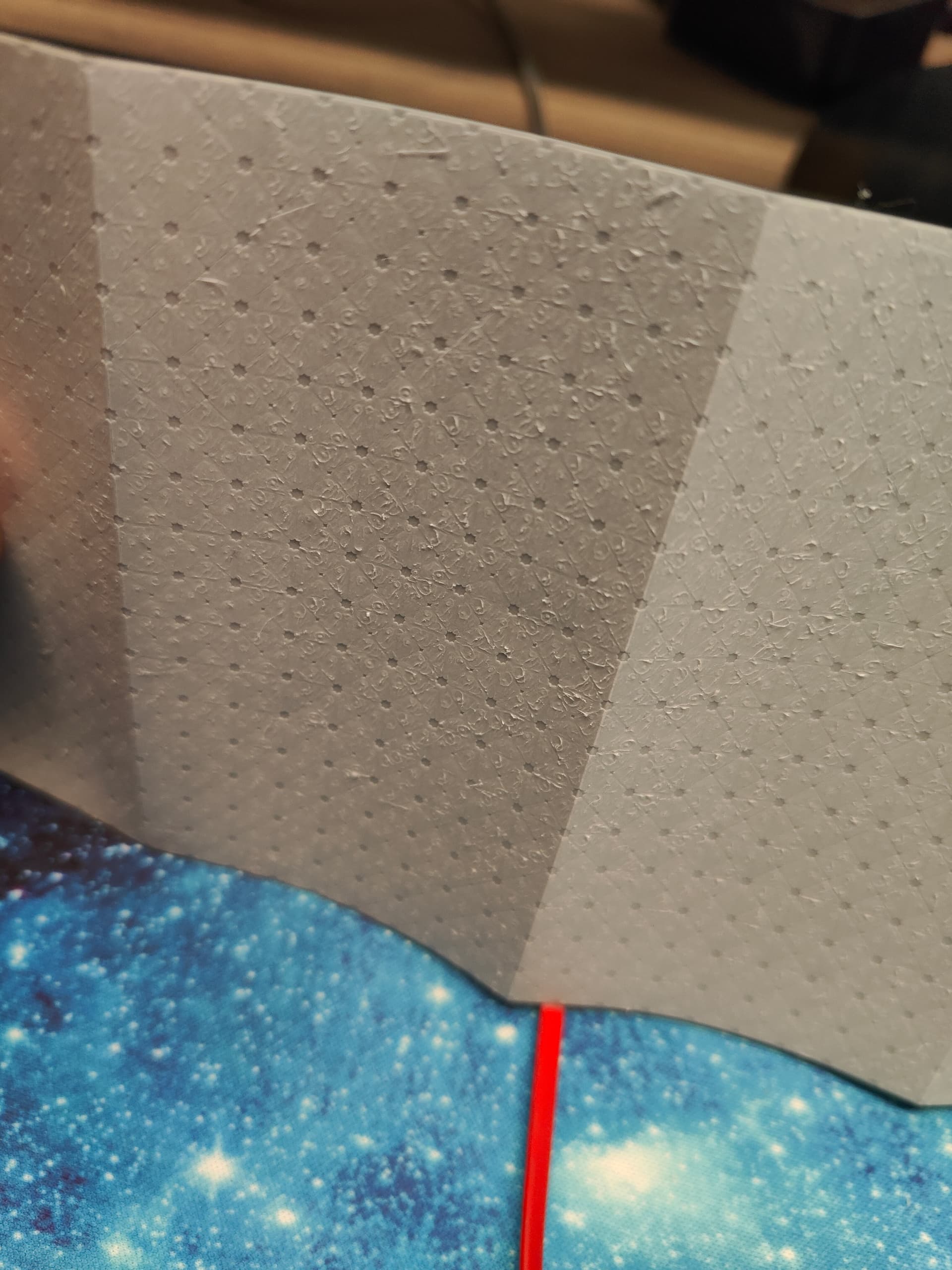
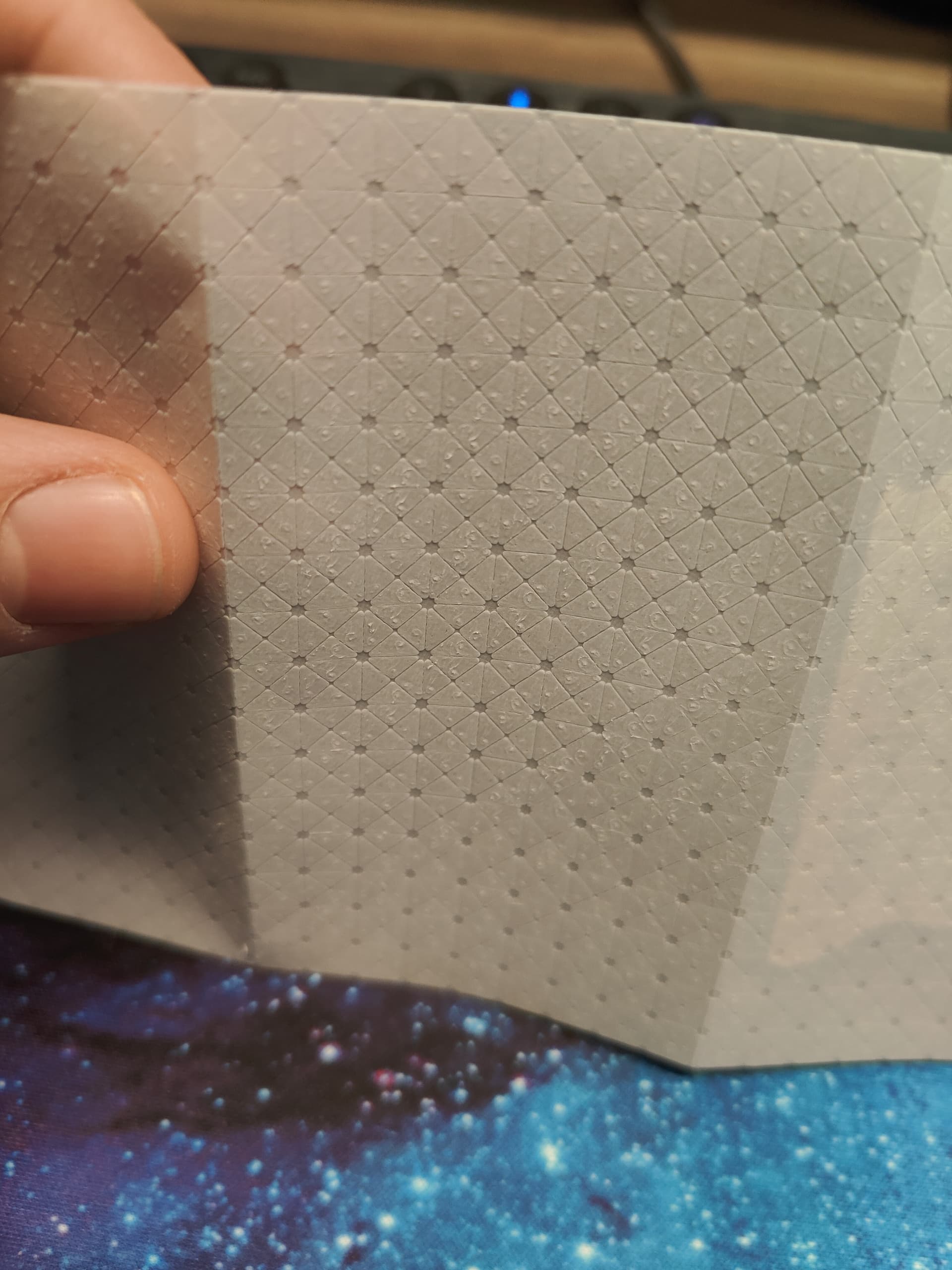
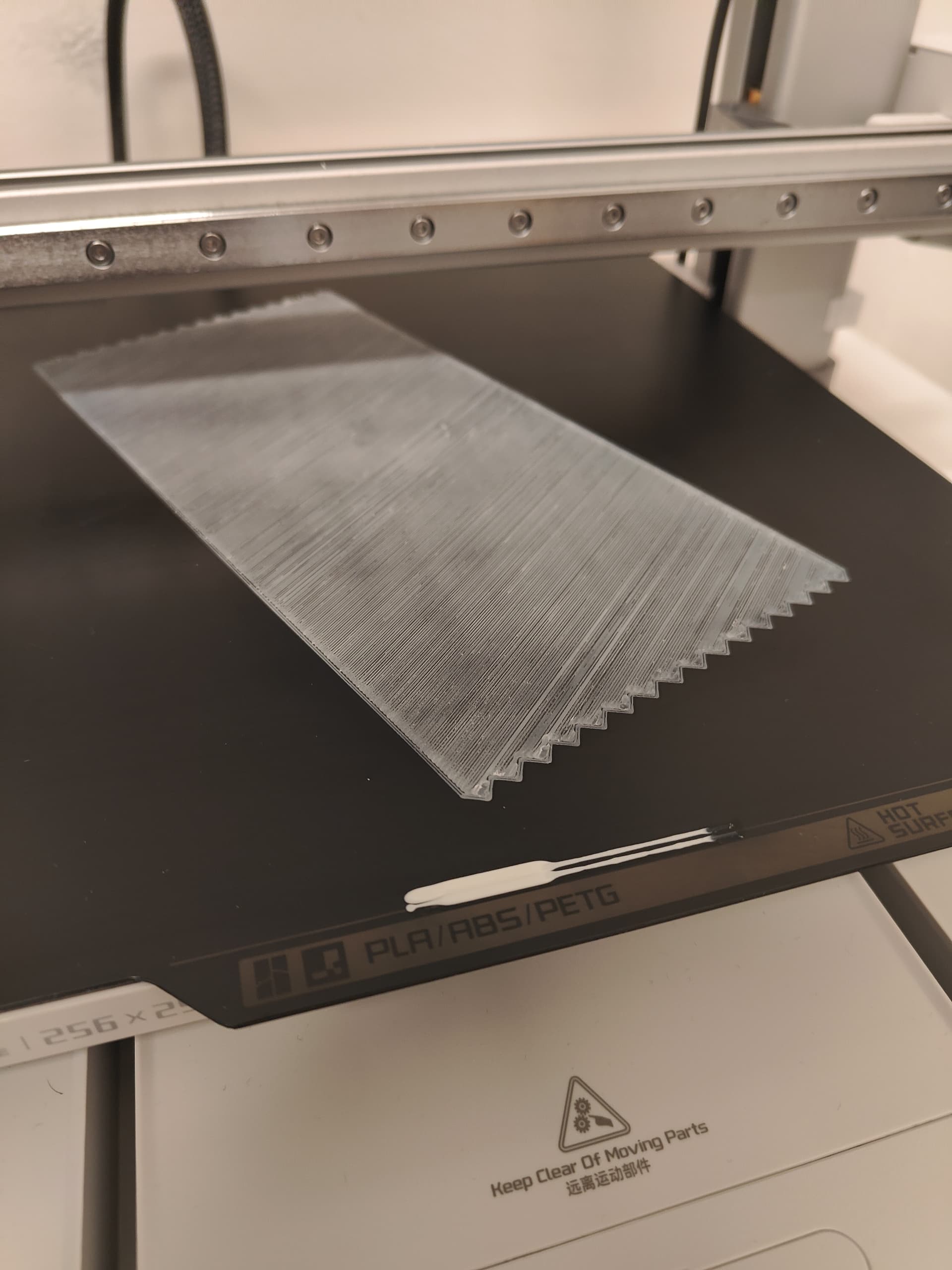
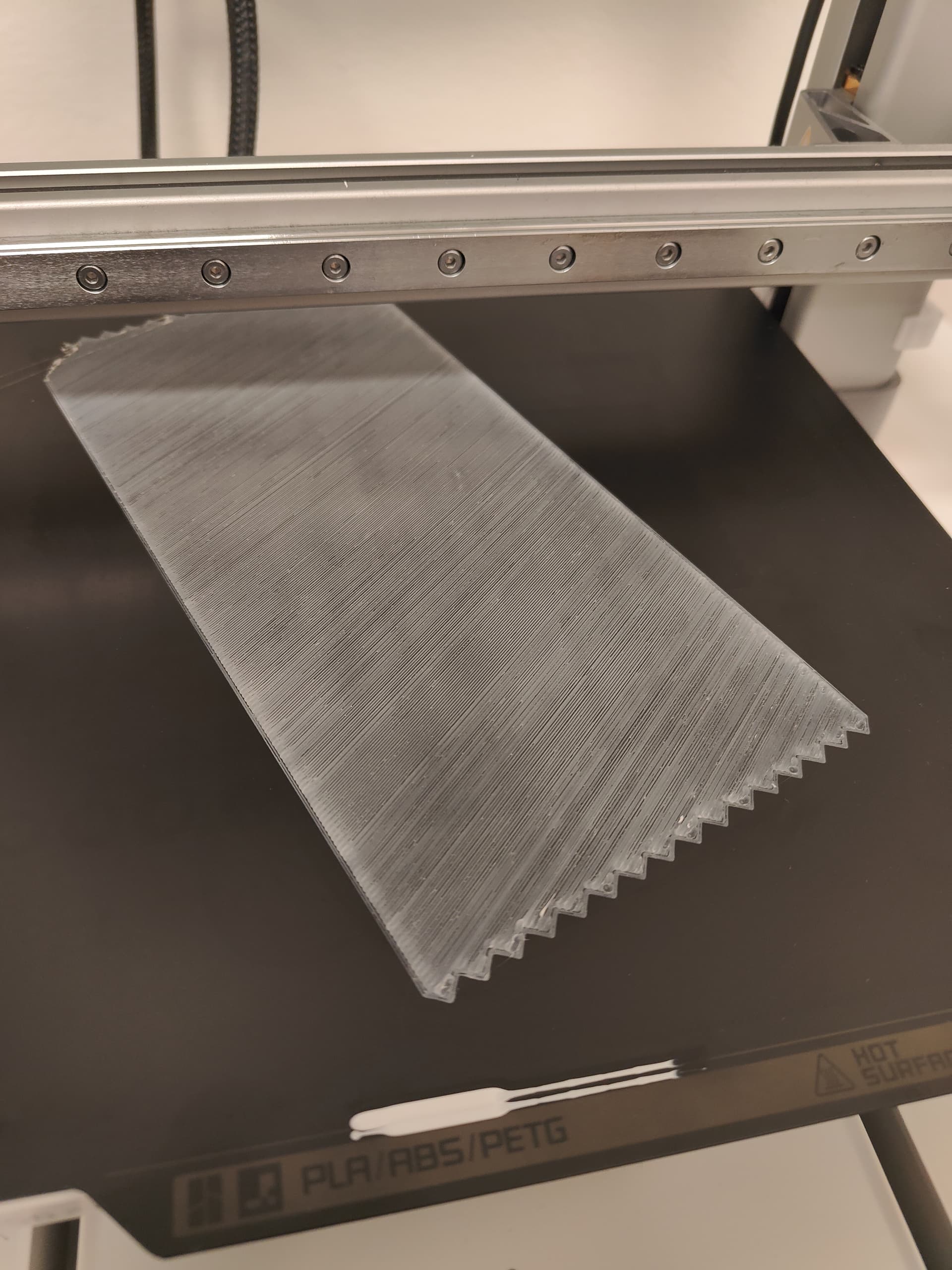
So it was immediately apparent that the solid infill did not print as desired.
In consequence, I wondered about decreasing the filaments viscosity but felt I had only little room to play. In my X1, I usually print my PLA with chamber temps of 30-35°C. But with minimal flow, I was concerned about heat creep and therefore limited myself to a 5° bed temp increase (to 60°C) and a 10° nozzle temp increase (to 230°C).
It may be sensible to go higher, but in a closed printer this can quickly lead to heat creep (amhik  ). In fact, it was pretty difficult to get the flimsy, paper thin prints off the bed so I could not have gone higher. It may be quite different with an open printer and/or a different plate. So if higher temps work for an A1, that may be a good route to extend the test space.
This trial showed some consistency to the underextrusions:
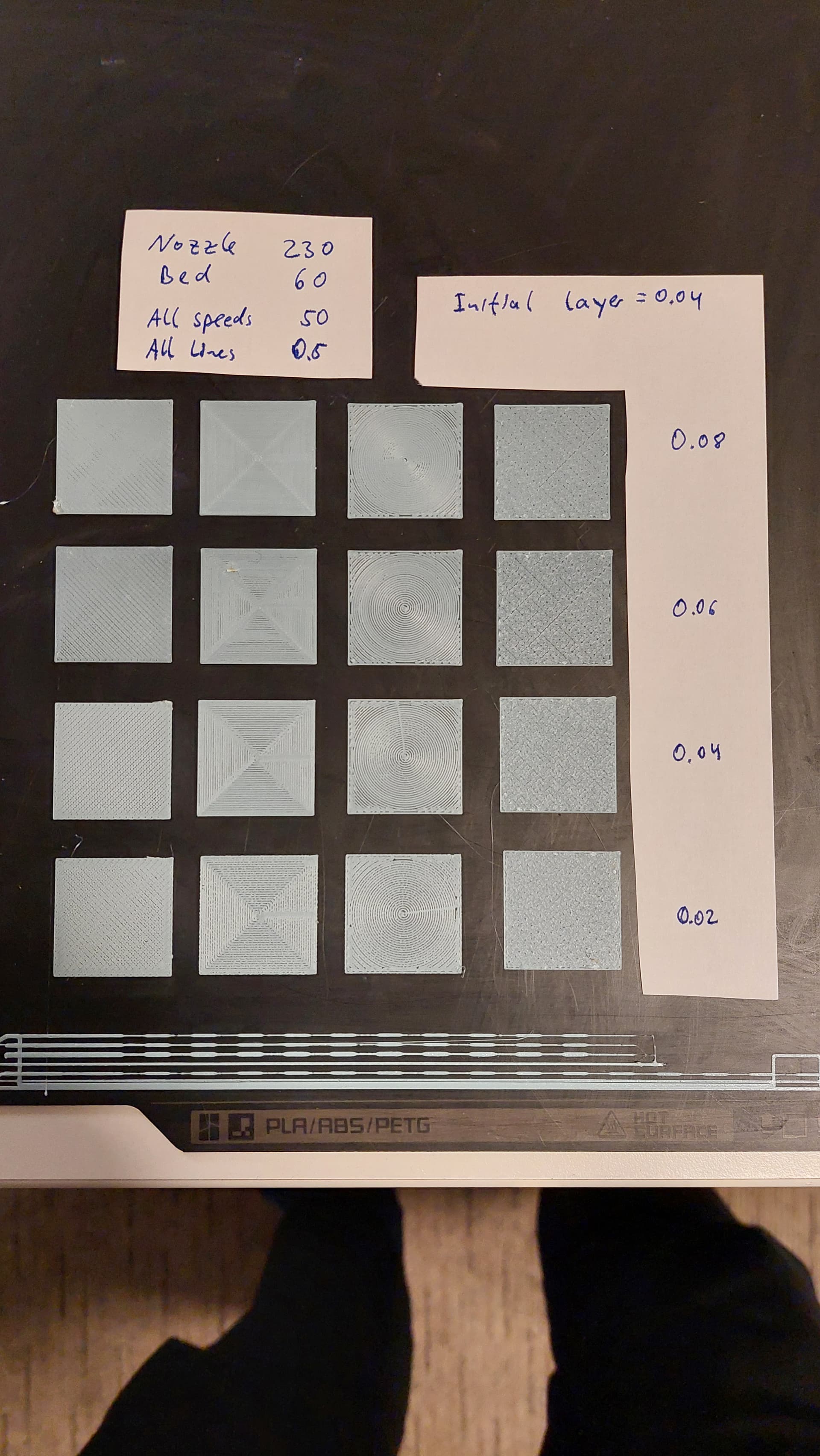
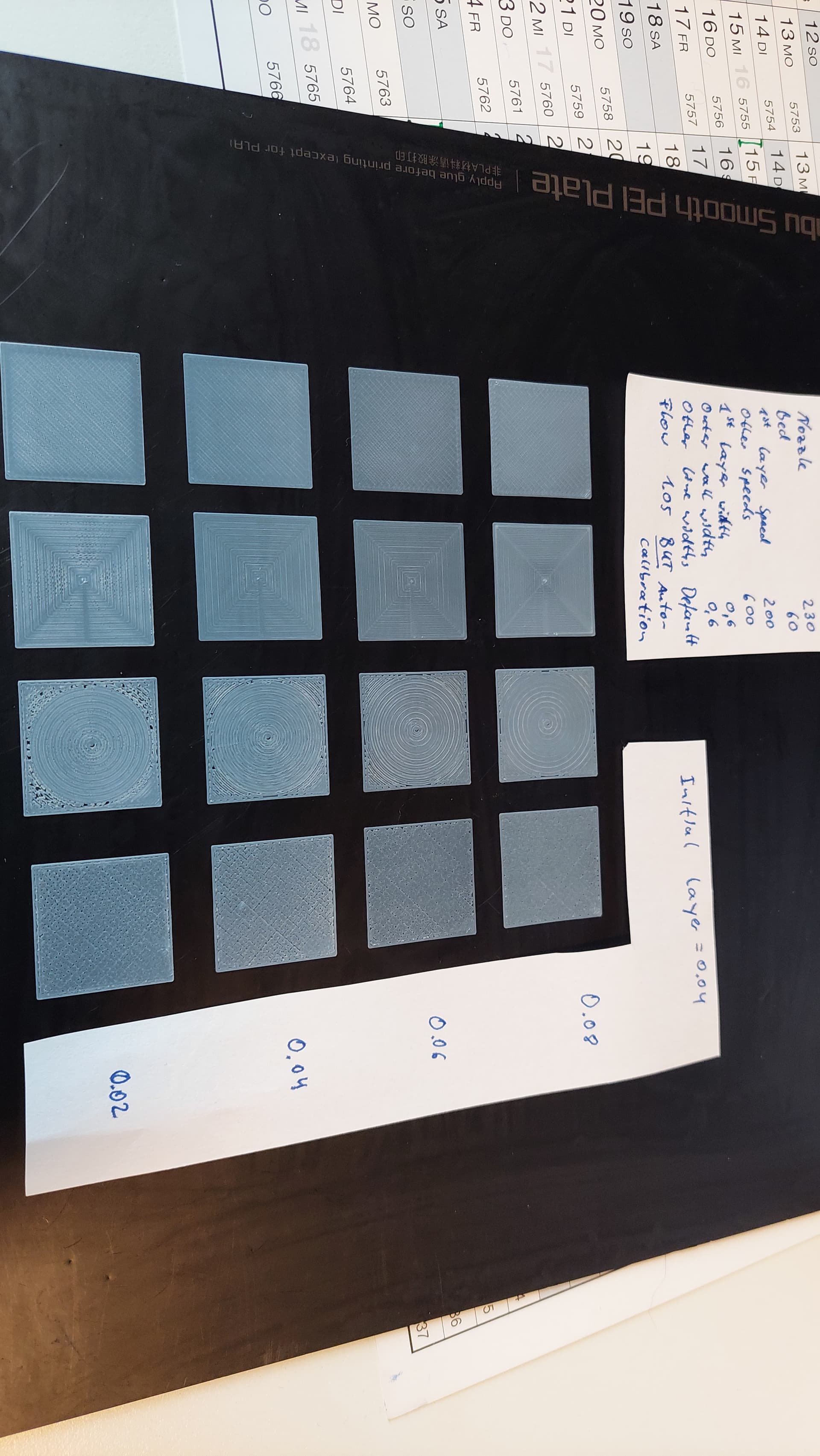
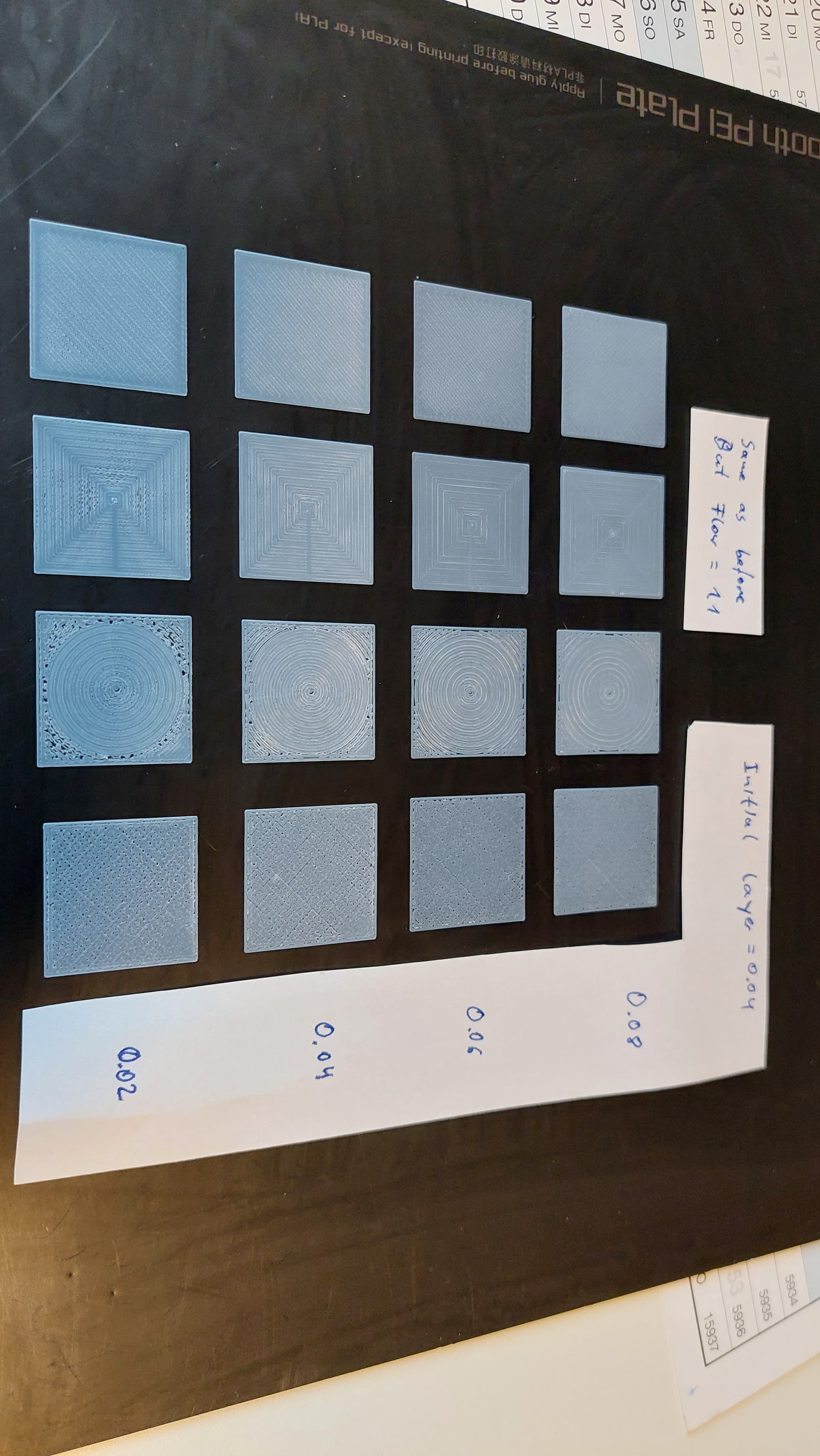
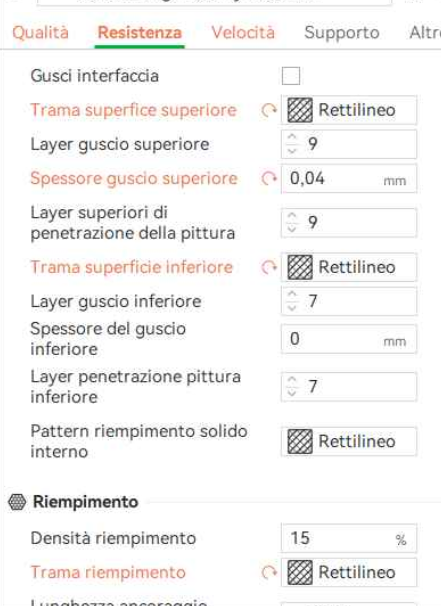
Then, I became a bit more systematic and went for different surface patterns. Rectilinear for strength and bonding, concentric and archimedan chords to show line extrusion problems and Hilbert because, well, why not?
From this stage on, temps were set, 1st layer height 0.04mm, subsequent variable (bottom to top: 0.02, 0.04, 0.06 and 0.08).
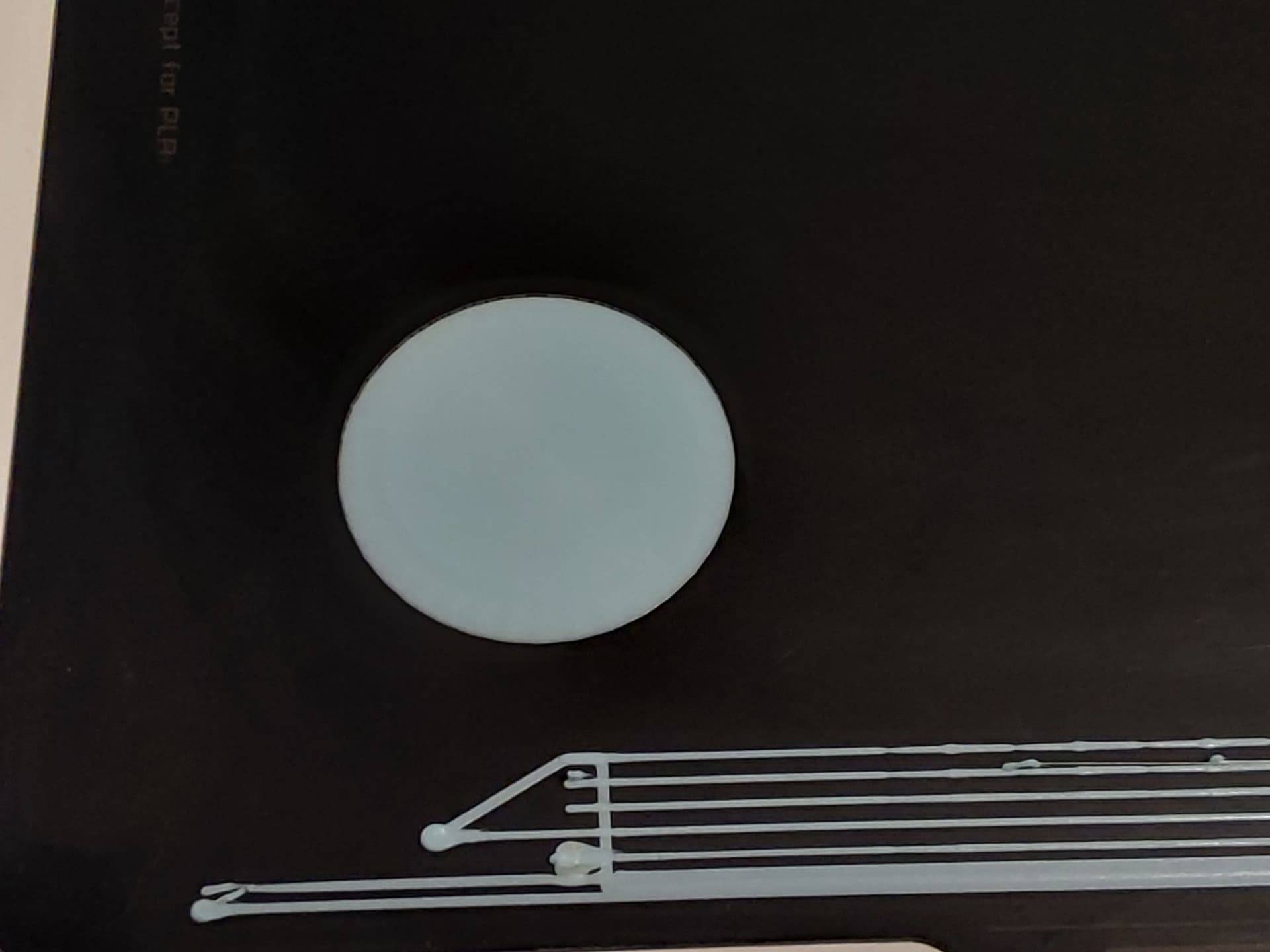
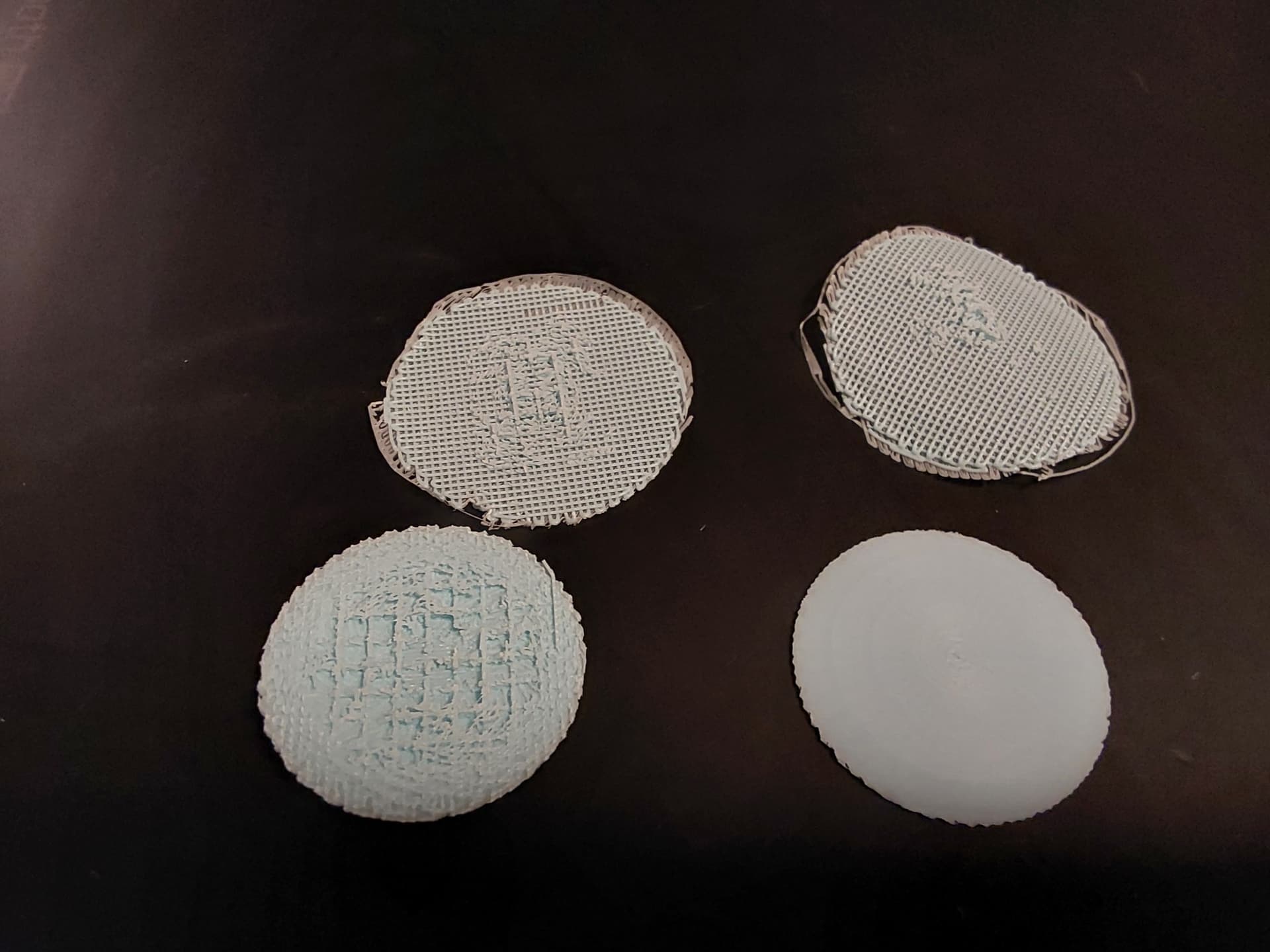
Worried about the validity of my earlier results, I turned to shallow lenses (sphere primitives lowered below the build plate) and printed those.
With the result of a really nice and smooth outer surface. No problem. Only a little jagged at the edge of the first layer.
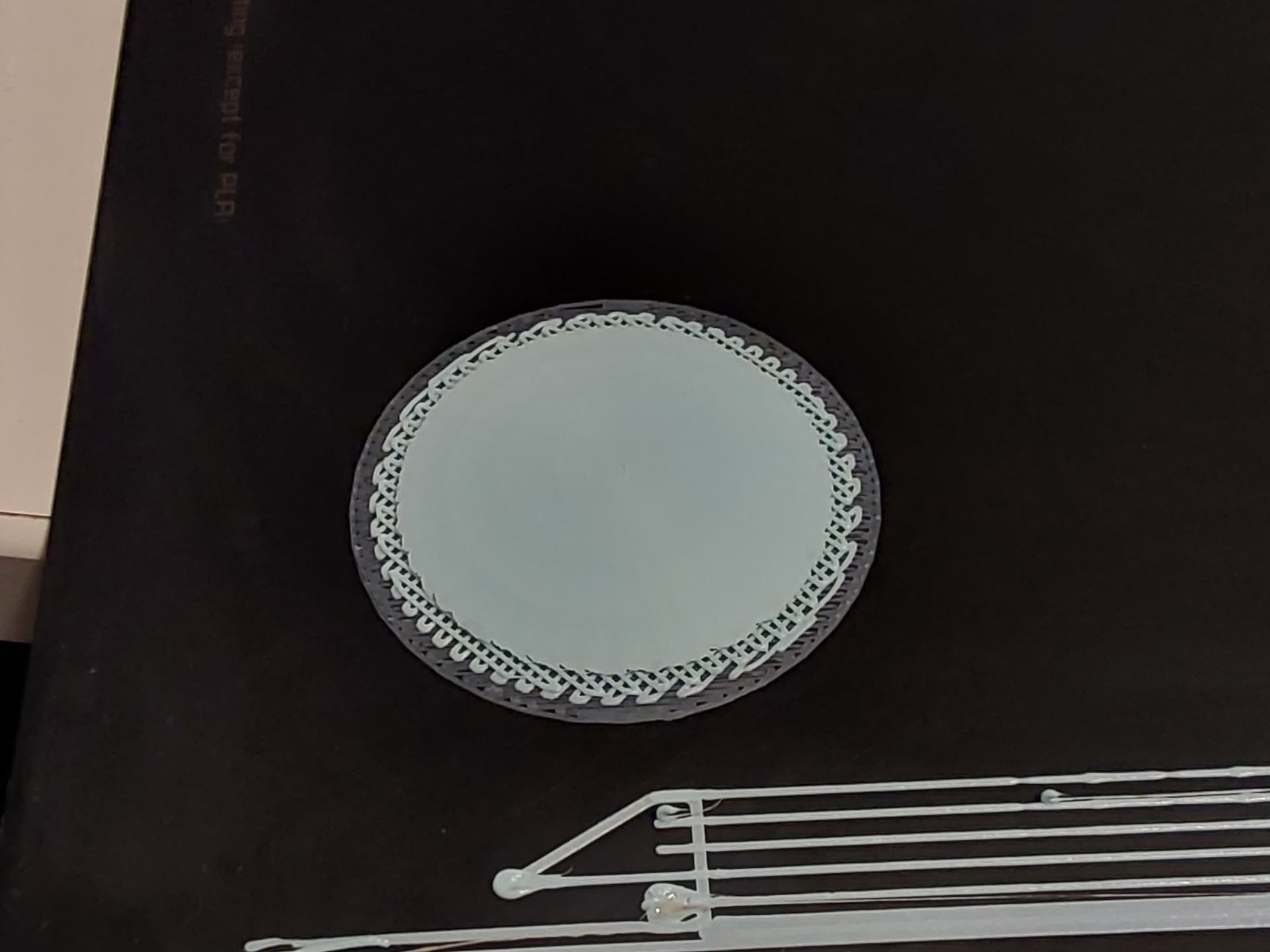
So I tried putting them on a raft just in case.
Nothing unexpected.
Until:
So the infill underextrusion problem also occurs with the lenses. It just doesn’t show with the great outer surface.
At that point, I remembered that my earlier trials did not actually use Bambu Studio. A minimum layer height print is greatly helped by the ability to “Combine Infill”. Since this was (and to my knowledge still is) severely bugged in Studio, I used Orca where it works sensibly and reliably.
Since connecting and reconnecting the X1 with Orca (and back to Studio) is a chore, I used my Qidi Plus 4 as the Qidi Slicer is a fork off Orca. Then, I used the same flattened cube as before with the already loaded and dried PETG.
Same result unfortunately.
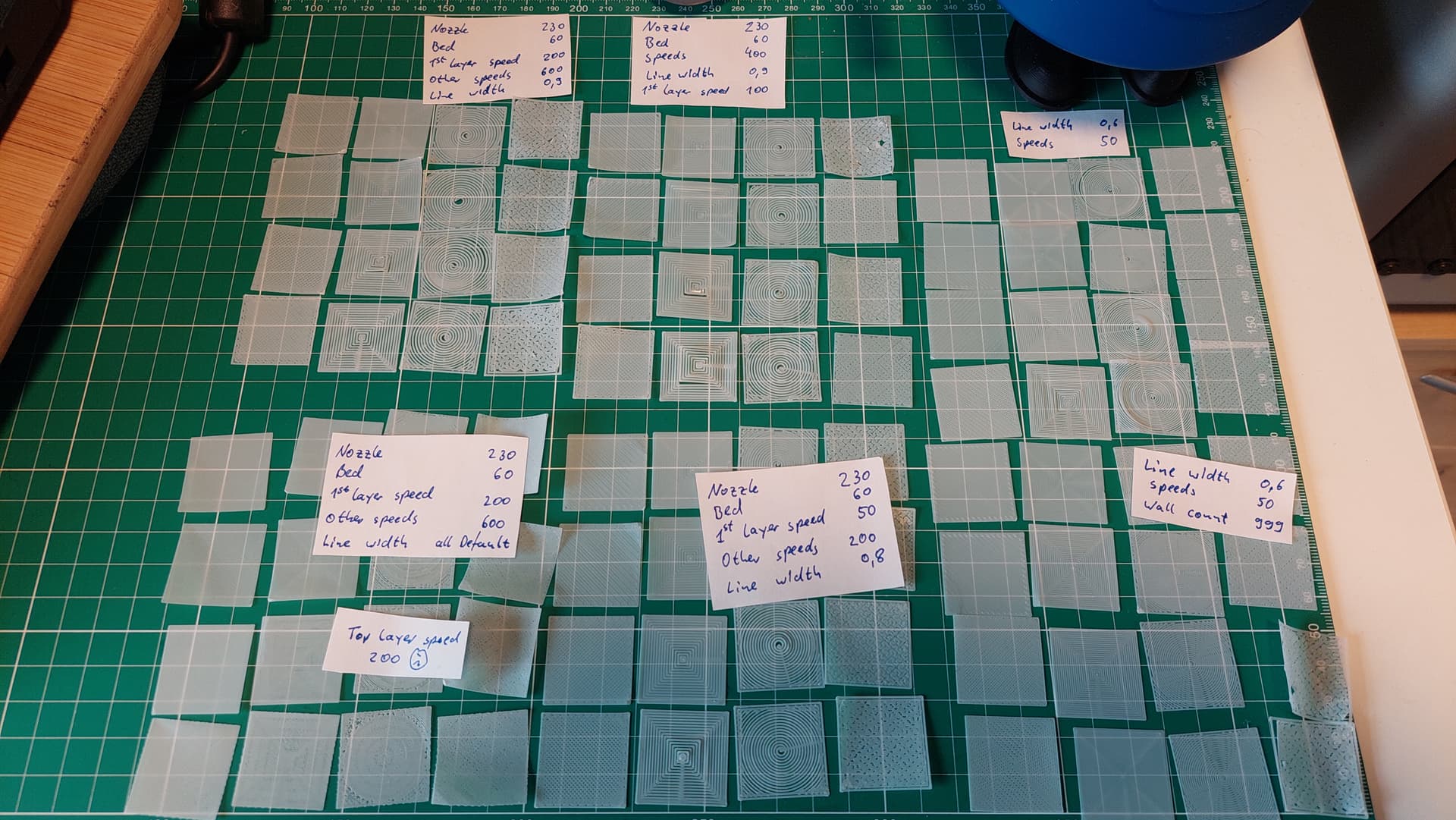
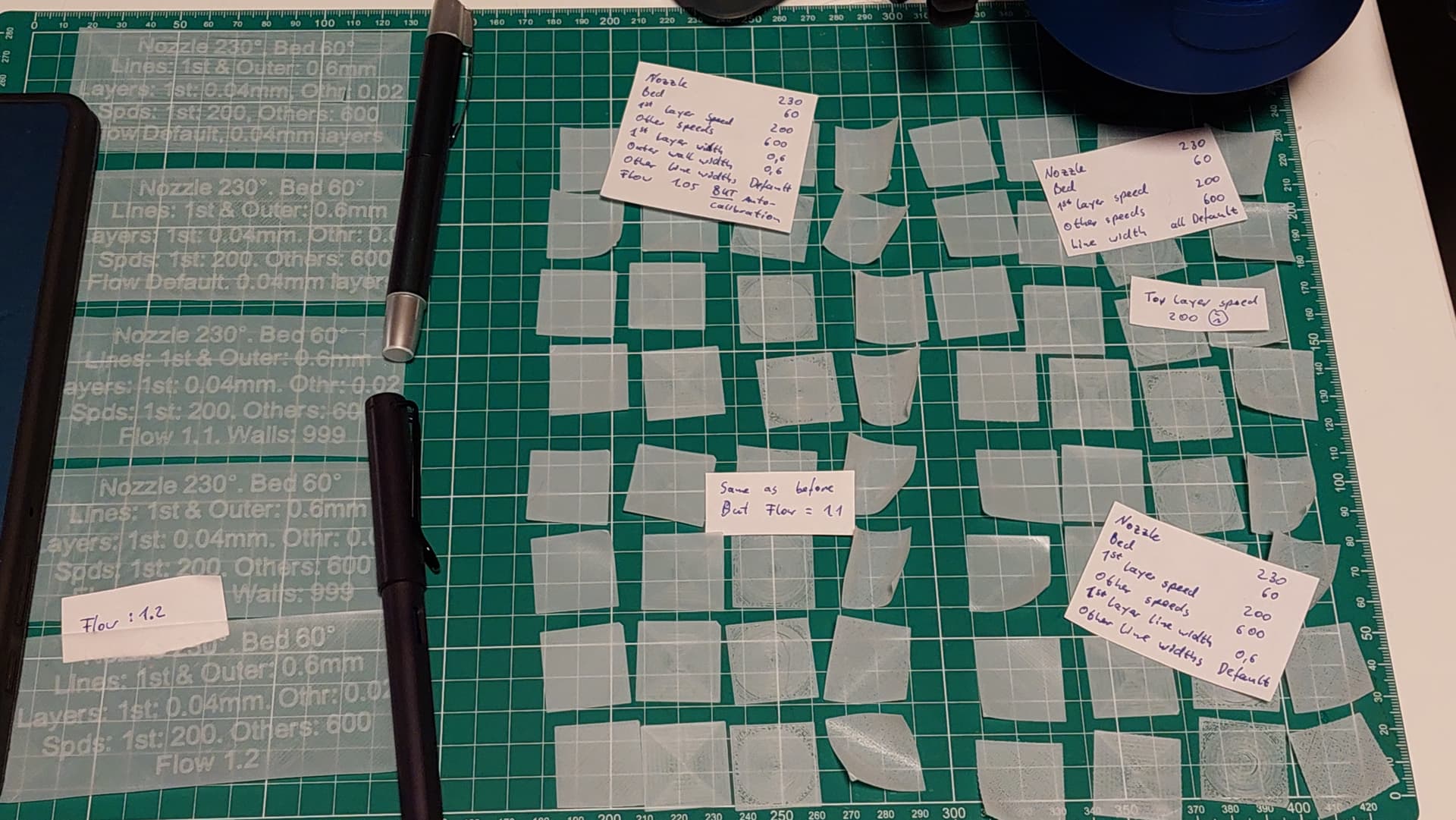
Next, I went back to Studio and the X1 to run test series with now dried white Bambu PLA Basic starting with the established temps. Well, it did take me a few plates to understand that line thickness increases are a dead end 
My hope was that I could decrease the relative effect of the undesired “noise” by increasing the total “signal” strength. The consistency of the underextrusion should have taught me better, but sometimes I can be a slow learner.
Speed increases did however help somewhat. At least by feel
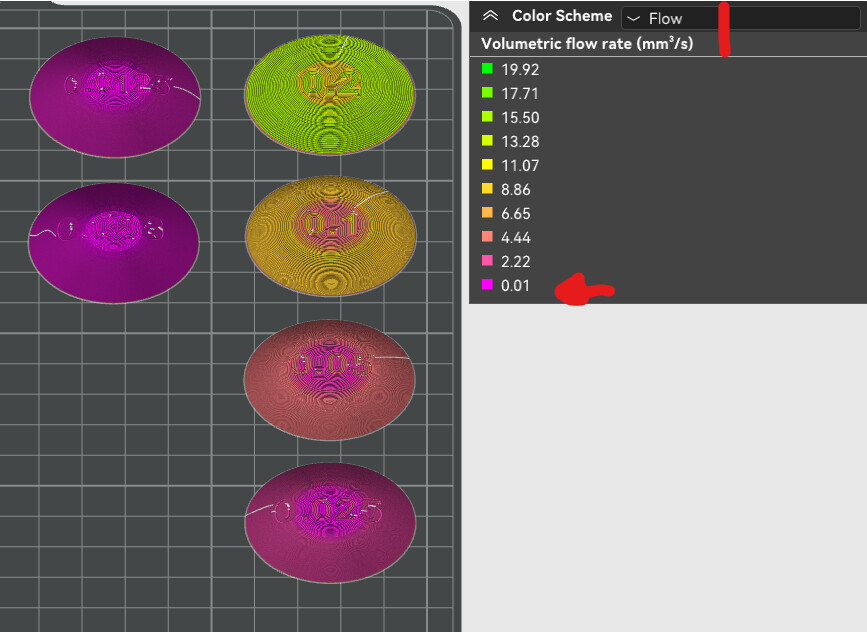
Next, I increased flow from its default 0.98. For Flow Dynamics, I used auto-calibration which gives good results as the patterns on the concentric and hilbert samples show. Continuous lines is where underextrusion shows most prominently.
While not perfectly happy, I felt this was as good as it was gonna get.
However, with my day job being on R&D for large structures, I am well versed with the dangers of drawing conclusions from small smaples.
So I wanted to go from small samples to something more akin to your problem description.
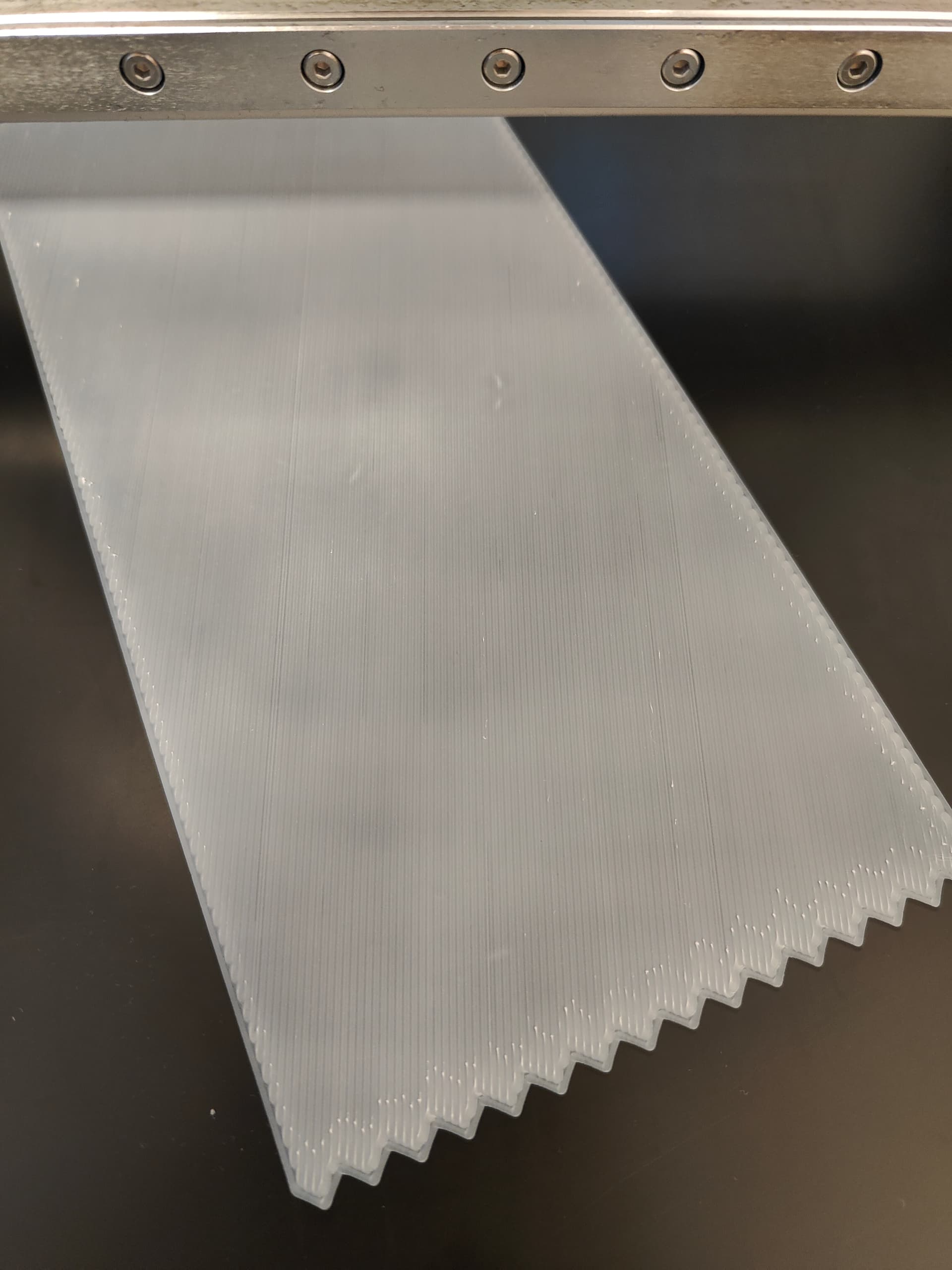
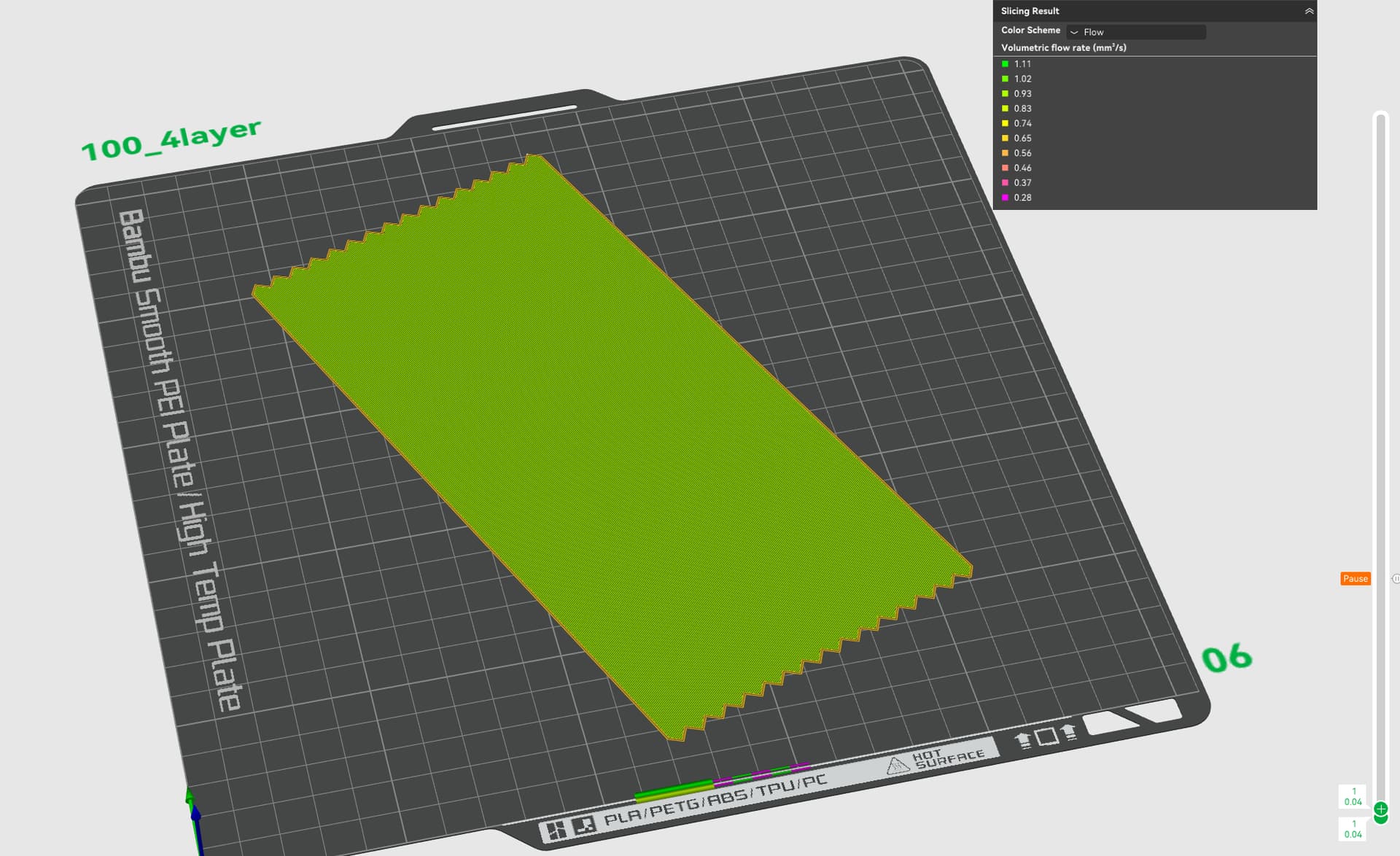
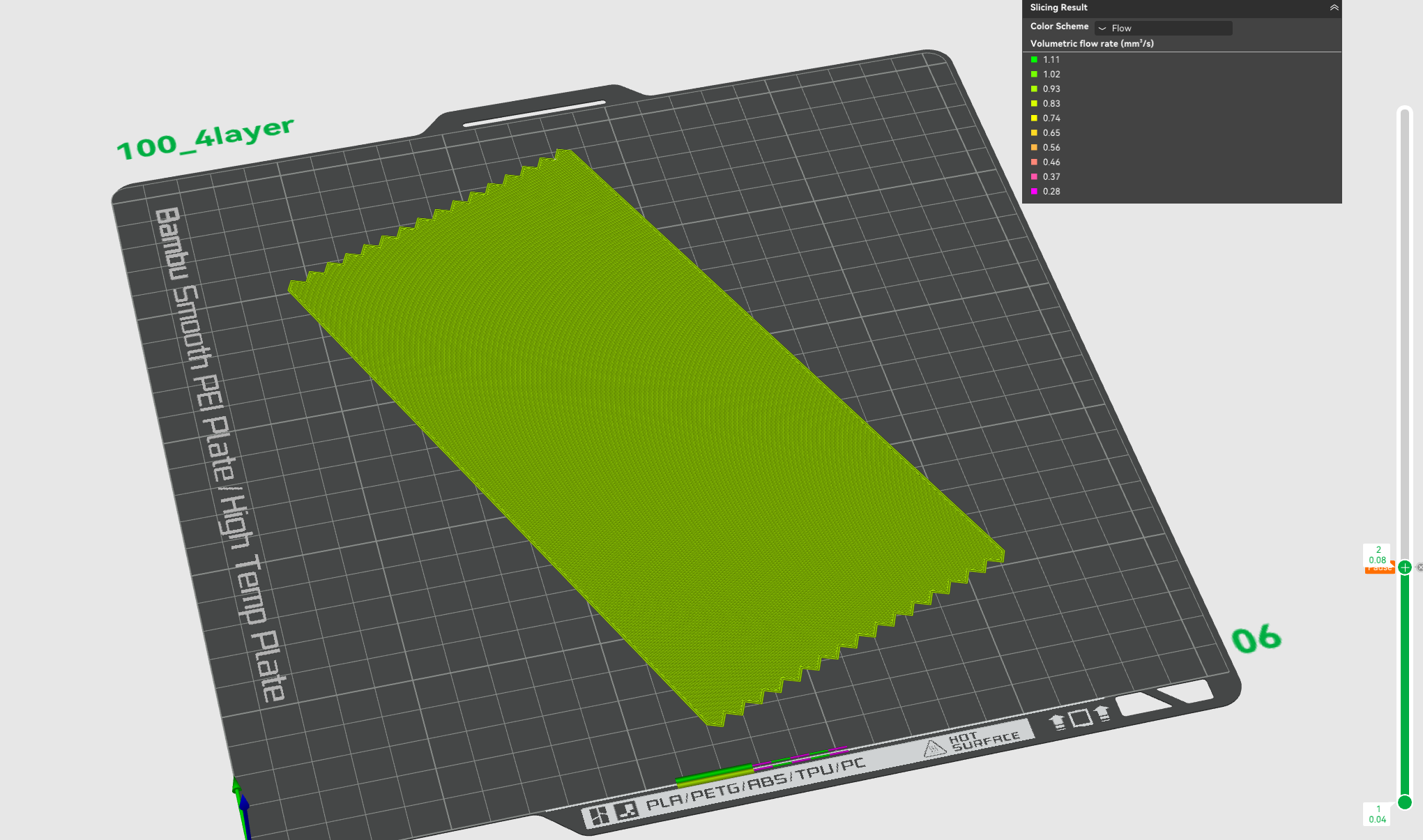
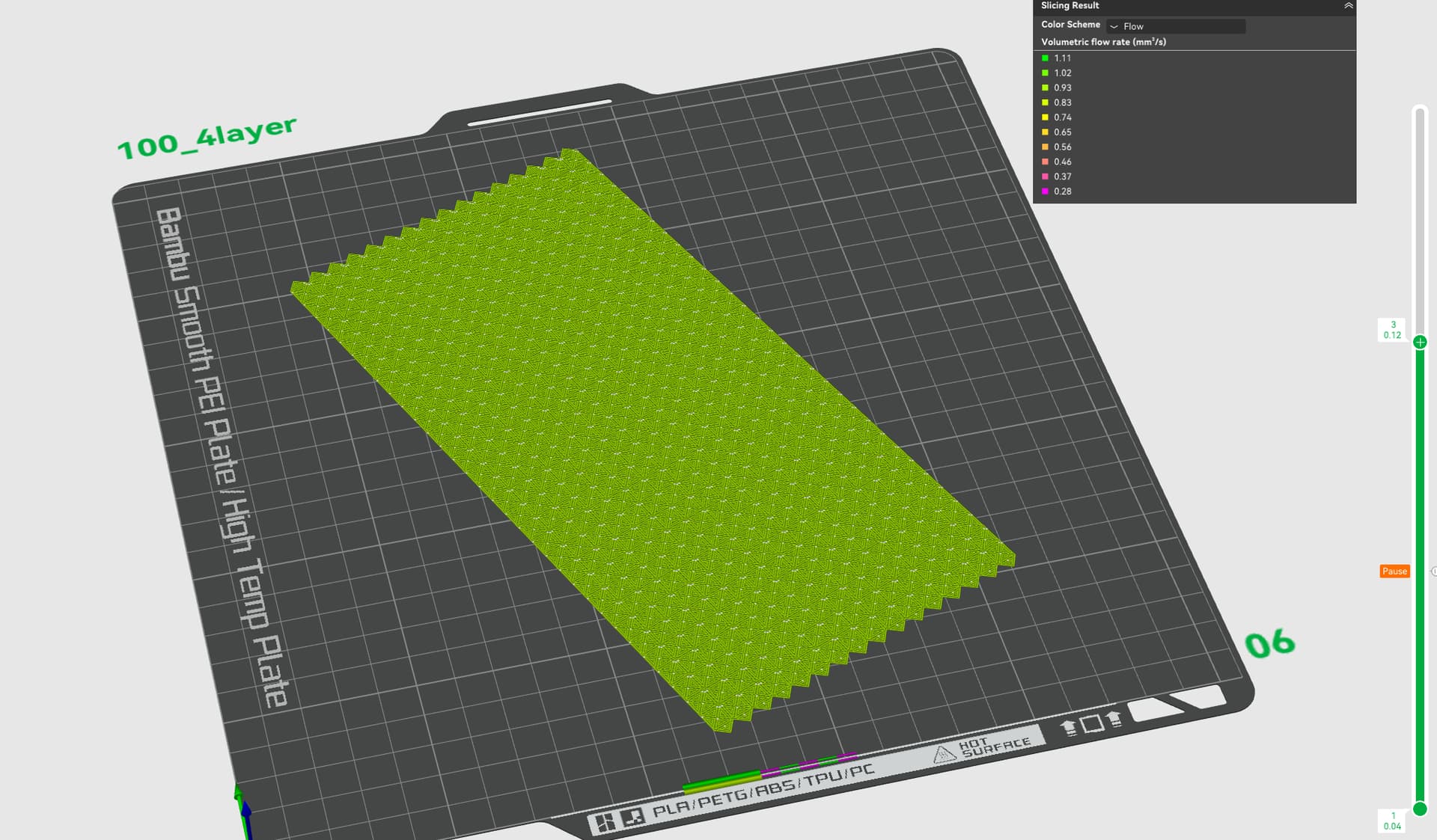
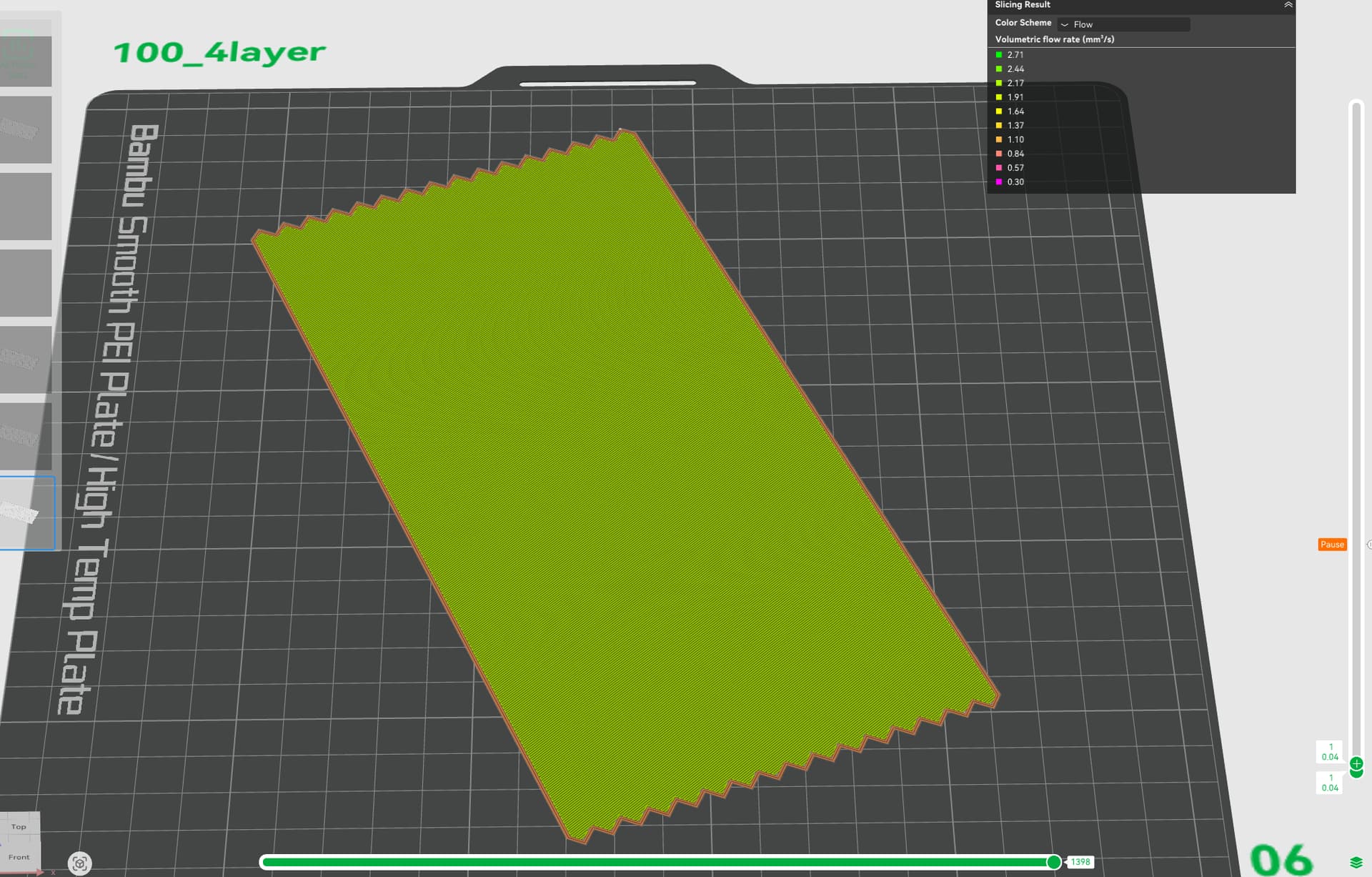
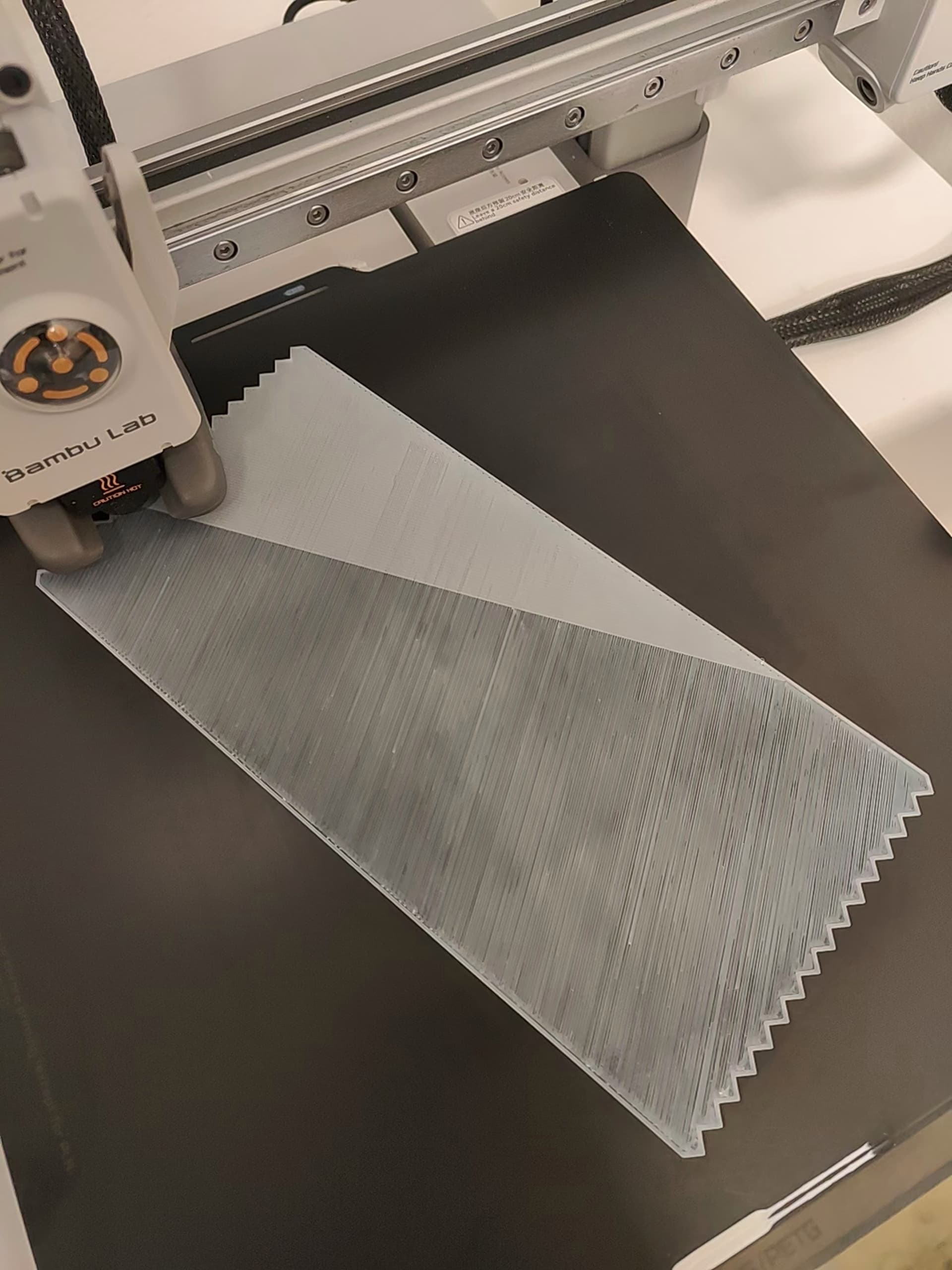
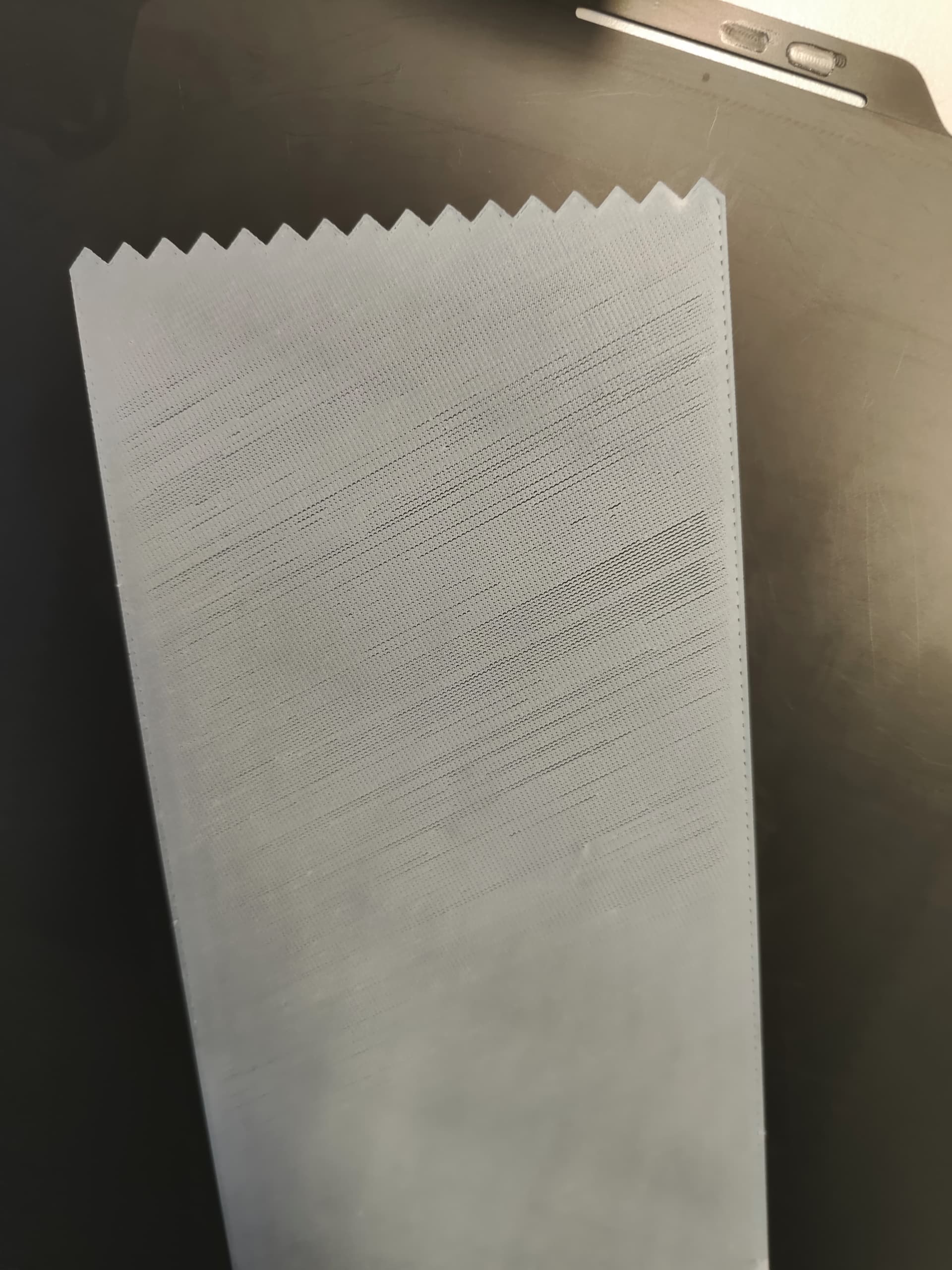
My next flat rectangles were quite a bit larger, consisted of a single 0.04mm 1st layer, a 0.02mm second layer, followed by 2 layers of text of 0.02mm each.
Results at the left are from the bottom to the top in chronology.
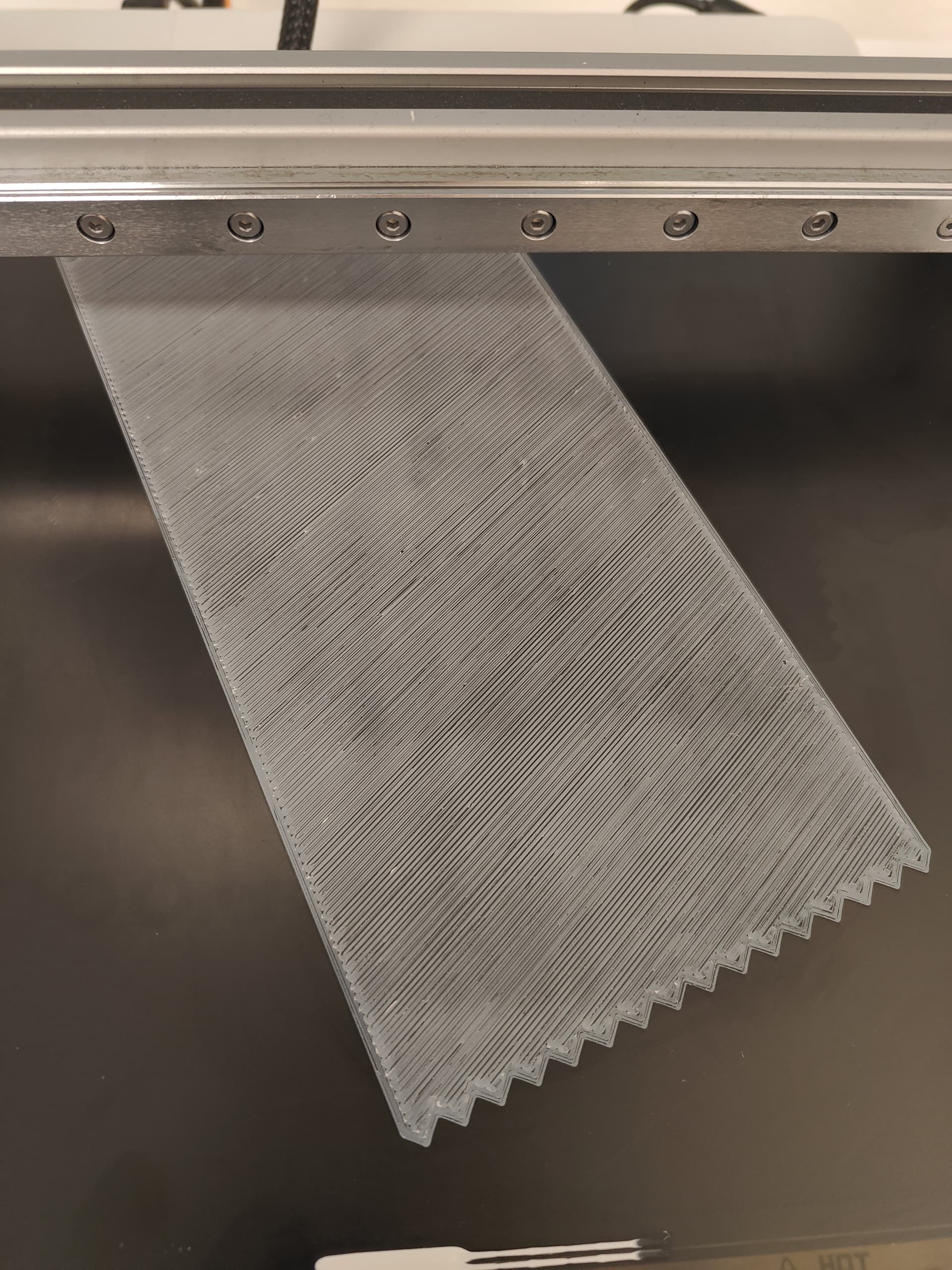
That 1.2 flow sample is not that bad, but it does show both underextrusion
and the wavy pattern typically associated with overextrusion. So I went back to a flow of 1.1, but strangely, it actually got worse.
When I then did that last trial with all layer heights increased to 0.04mm and it turned out worst of all, I knew I probably got something mixed up (again), needed to do a memory dump, take a break, rest and see what other ideas come up either from myself, yourself, or of course other interested printers.
My current thinking is that
- the flow limit for the extruder may actually be higher than I had initially thought. But that does not explain why the lenses are printed with such a perfect outer wall.
- So I expect that I do not fully understand (or even misunderstand) the difference in the application of flow for a wall and a surface.
- Or something else entirely.
So for the time being, I need to take a little break but I do hope that you can use these observations. Please let us know about your thoughts and progress. 2 brains are usually better than 1, or even 2 on their own
 &

PS: With the H2C just out, I have a competing “physics” problem: It has a different extruder advertised for its’ accuracy… So I need to allocate a few brain cells to work on the problem of “selling” the desparate need for a 3rd printer to my family




 we printed an AMS in PETG with some TPU seal and put some silica inside to keep the filaments dry…
 )