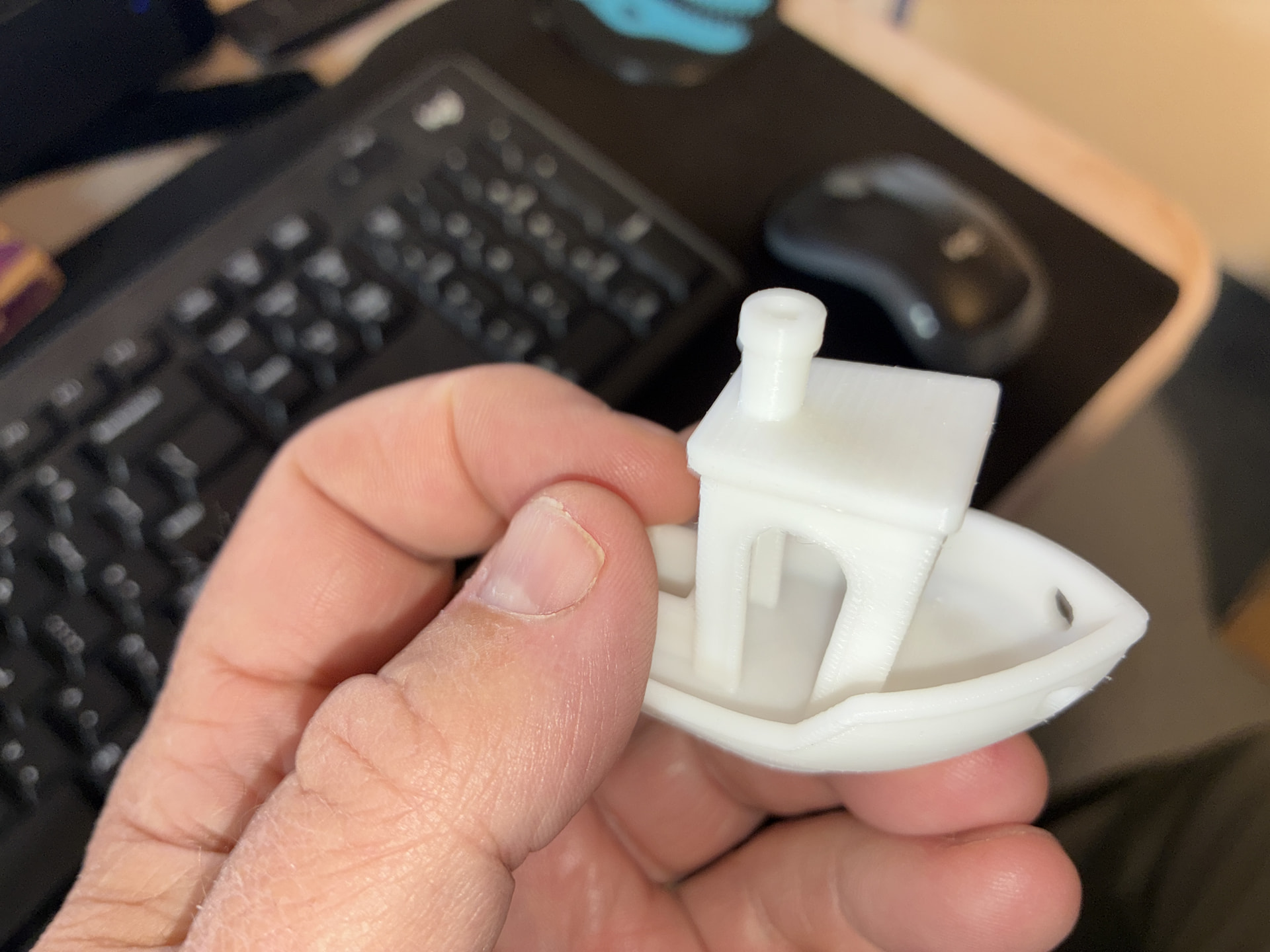
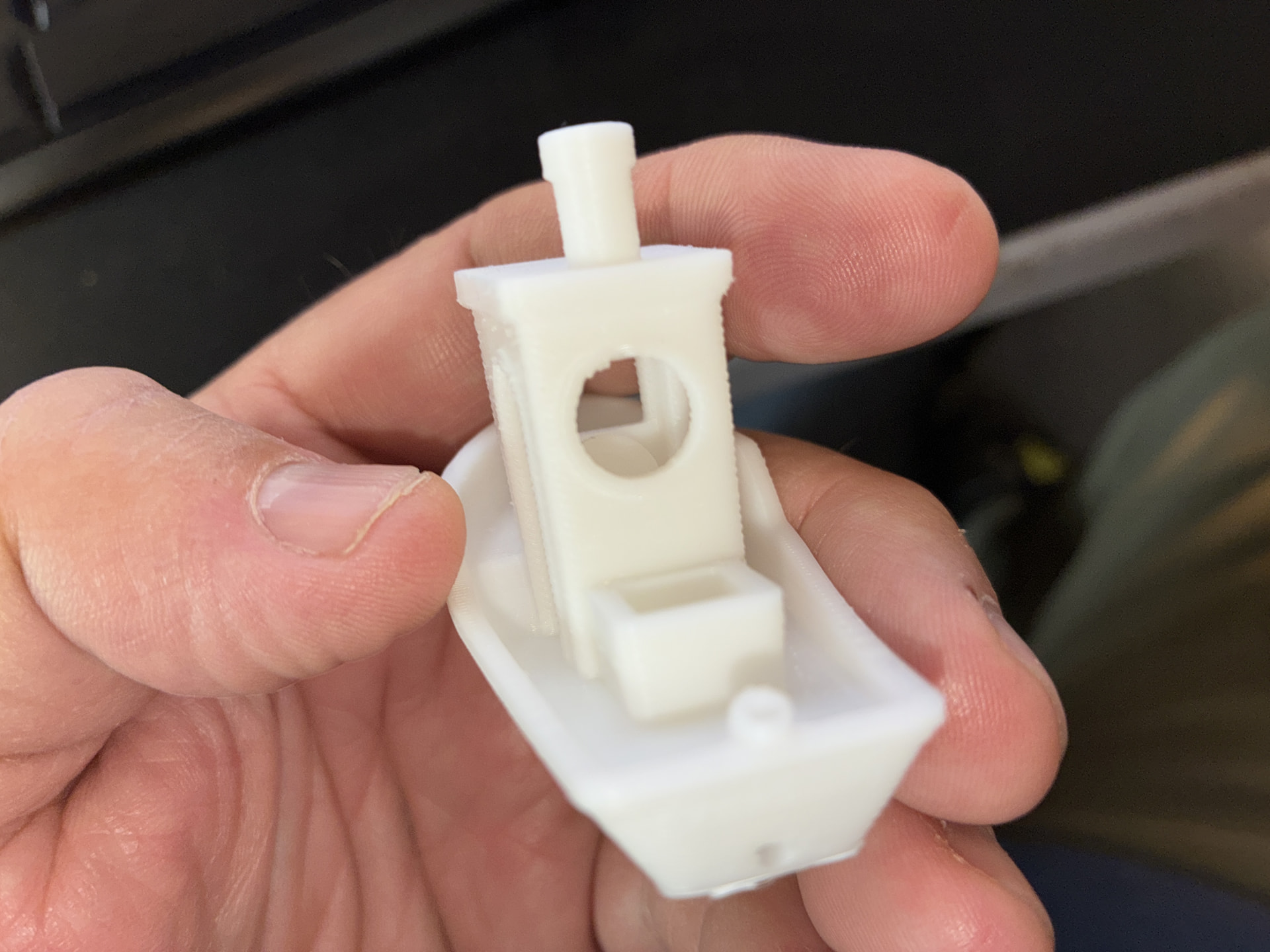
You raise some good points, particularly regarding thermal degradation and the importance of proper ventilation. We have some experience processing PVDF, including injection molding and filament extrusion, and we’re very conscious of the potential for hydrogen fluoride (HF) generation when PVDF undergoes thermal decomposition.
An important distinction I’d make is between normal melt processing and actual thermal degradation. Arkema’s Kynar® PVDF processing literature describes a relatively broad processing window. Degradation of PVDF as measured by TGA is well above 300°C.
Our current 3D printing profiles operate at approximately 250–260°C. Excessive temperatures, prolonged residence times, and localized overheating can accelerate degradation. Good ventilation remains important. I certainly wouldn’t recommend operating a PVDF printer in an unventilated living space.
Your comment on glass fiber reinforcement is a good one. Arkema specifically cautions that glass fibers and certain other additives can catalyze thermal decomposition of PVDF. We do not plan on offering a GF reinforced PVDF filament. We have been exploring other reinforced PVDF formulations, including carbon fiber.
PVDF remains an amazing material and helps move the modern world forward: solar panels, batteries, high purity piping and storage tanks in semiconductor facilities, bioprocessing liners in pharmaceutical manufacturing, gloveboxes in nuclear processing DOE labs and non-flammable wire insulation. I am admittedly biased but its hard to imagine life without PVDF.