I’ve found quite a few tools that improve my printing experience, and I wanted to share some of those and also learn from y’alls toolboxes.
In no particular order:
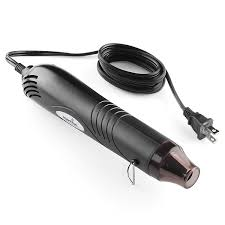
A heatgun - quickly fixes up the white edges that occur from brim removal, support removal, and makes pressing magnets in a breeze.
Nail glue - from the beauty supply store, meant for attaching cosmetic nails to fingers - I really like it as super-glue-on-a-brush
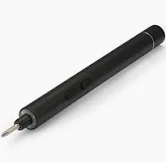
An electric screwdriver - with the right bits makes hotend disassembly much faster and easier
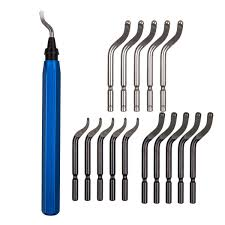
Deburring tool - easily trim brims and clean up the edges of holes
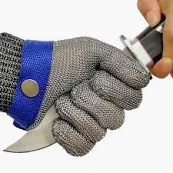
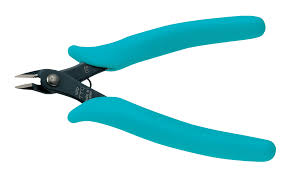
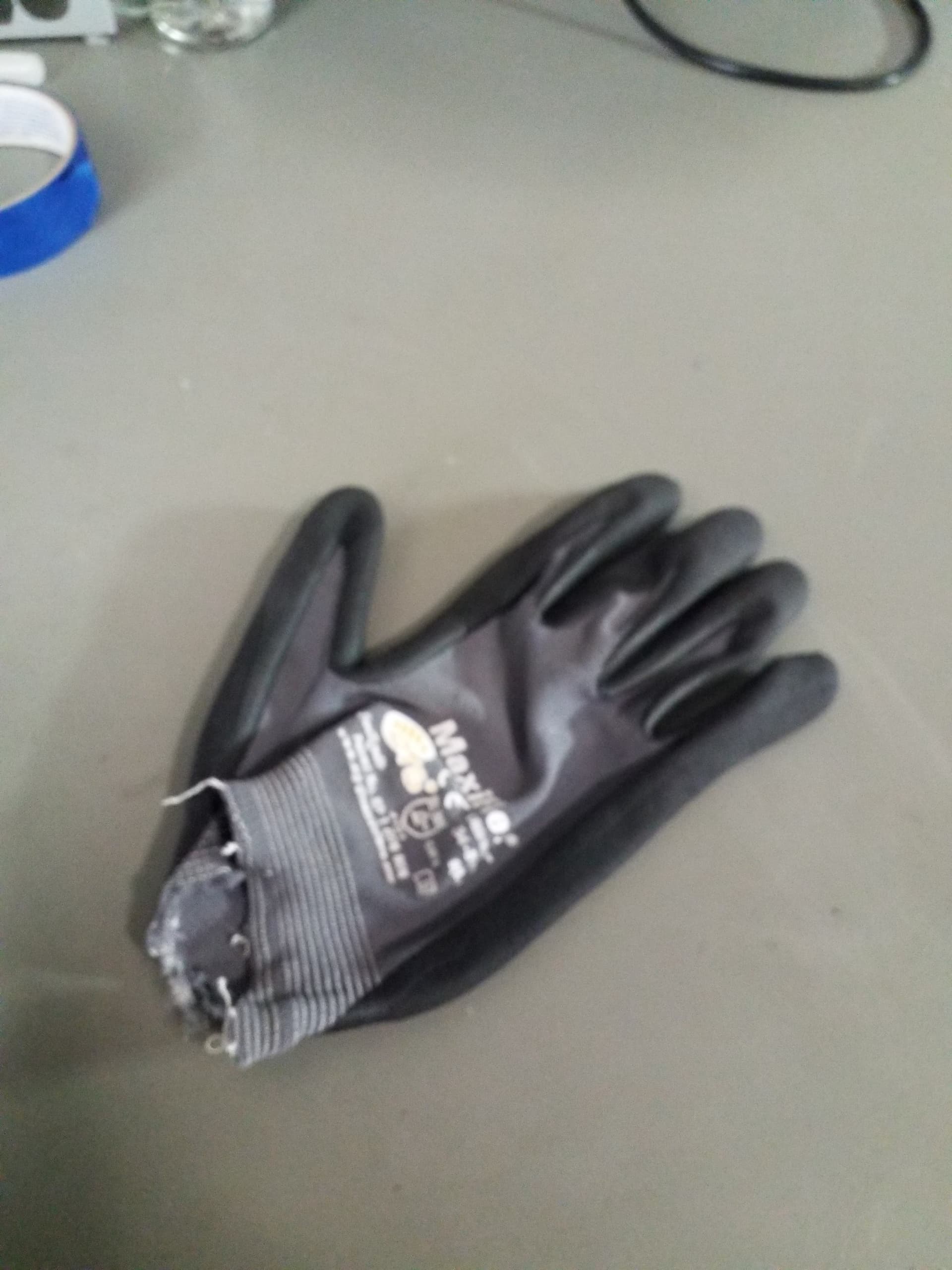
Chainmail Glove - I’ve stabbed my left hand with snips far too many times while trying to remove supports. These have likely saved me a hospital trip once already.
This is a great idea. I use magnets all the time and had never considered using a heat gun to help with installation. Definitely going to give this a try
iGaging Absolute Origin 6" calipers 100-700-33-B
I have some cheaper calipers, but the absolute origin feature and overall quality improvement was worth the extra cost. Fractional inch capability helps when reproducing some parts.
Plastic razor blade scrapers
The edges hold up better than any I can print and are sharper. Have not damaged a build plate yet. Very cheap on Amazon or Aliexpress.
Good call on the calipers. I use mine all the time, especially when I’m designing parts. I really like the one you noted; mine is missing the fractional inch’s and that’s been a huge pain to not have.
Since i print mostly abs and other hot variations of filament. I have to have this to handle the plates. Plus it keeps FINGER prints off the build plate.
I also have a few glass plates with sandpaper at hand.
Salvaged from old scanners or copy machines.
A bit of glue holds the paper and together it makes a perfectly flat surface.
Really great for those larger parts that need a perfectly flay surface.
My favourite tool though is a ceramic deburring tool.
You can now even get them as deburring knifes with a rounded section and as individual blades.
Mine though now has about 10 years of deburring plastic behind and still works fine…
I especially like to use where I need a clean and defined edge or when I have to clean holes (like for bearings).
They can create a perfectly smooth surface if you use them right.
Just as an example without anything in regards to the quality - only to give an idea about the available shapes: Ebay item, unverified
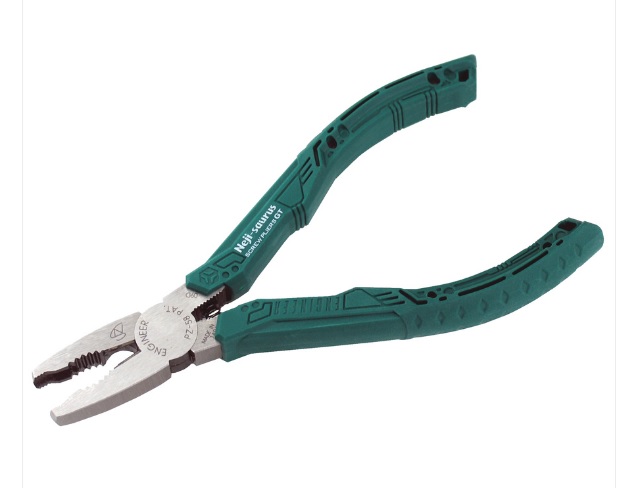
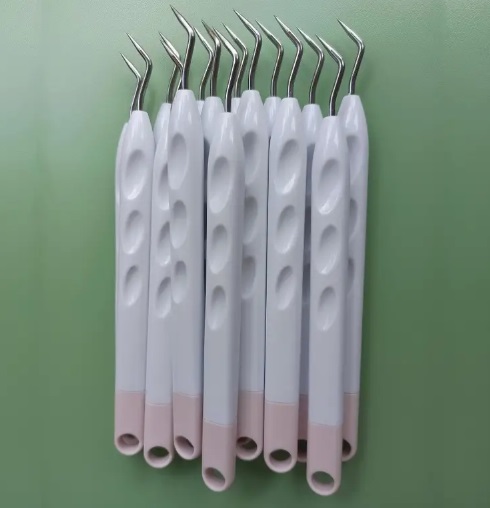
The two tools I use frequently (that aren’t things I think most people normally use) are stripped screw removal pliers and weeding tools.
While I have used these pliers to remove stripped screws in the past I use them mostly for removing supports or just gripping things that normal pliers might have a tough time with.
The weeding tool is meant to be used in crafting for removing the boarder around decals and vinyl, but I use them to remove hard to get to support bits. They are also handy at re-pinning JST and Molex pins.
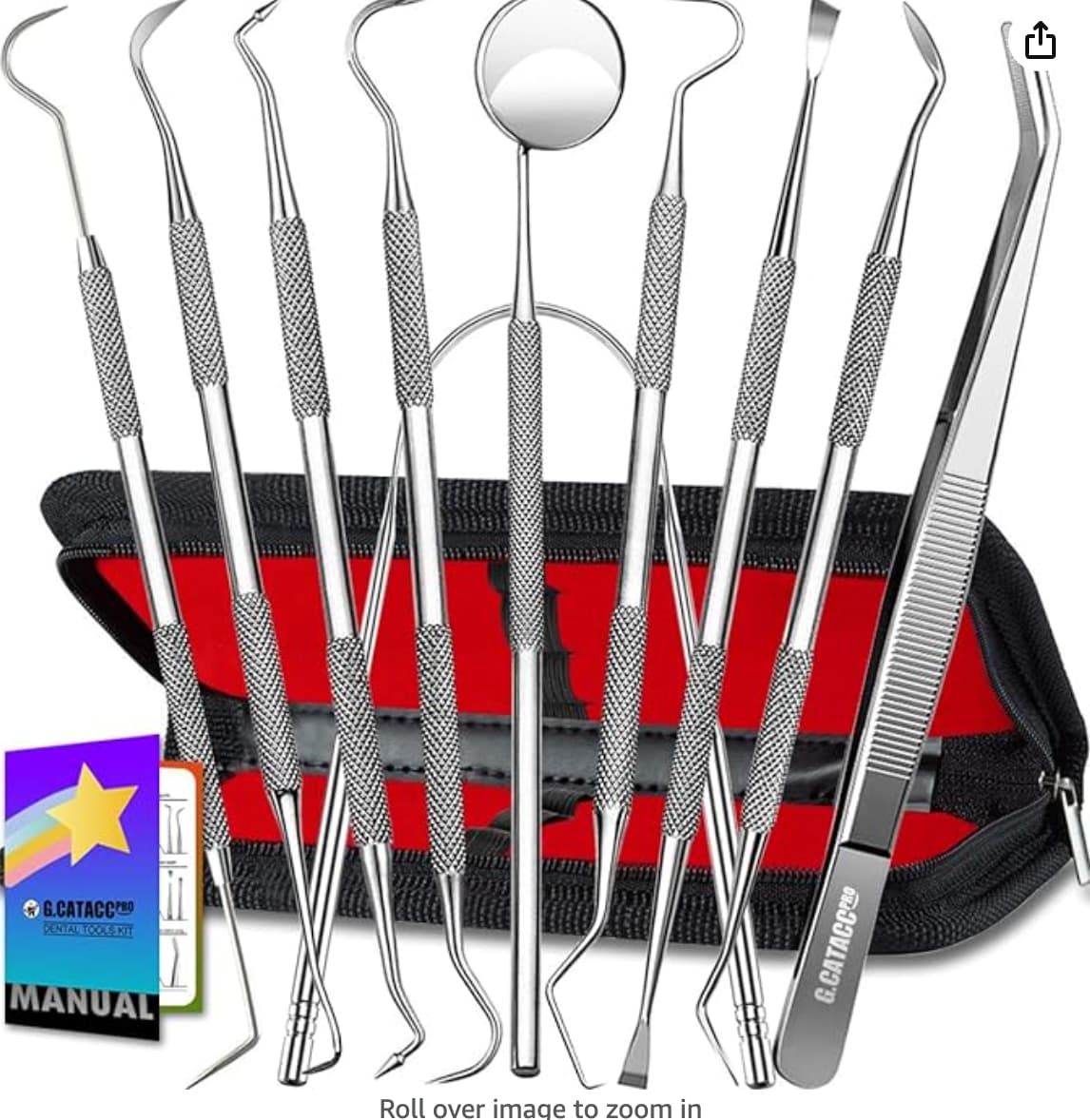
Great suggestions here and a briliant idea to start a thread on this. Similar to the last post, I use dental metal picks to help with removal of supports and smoothing out imperfections.
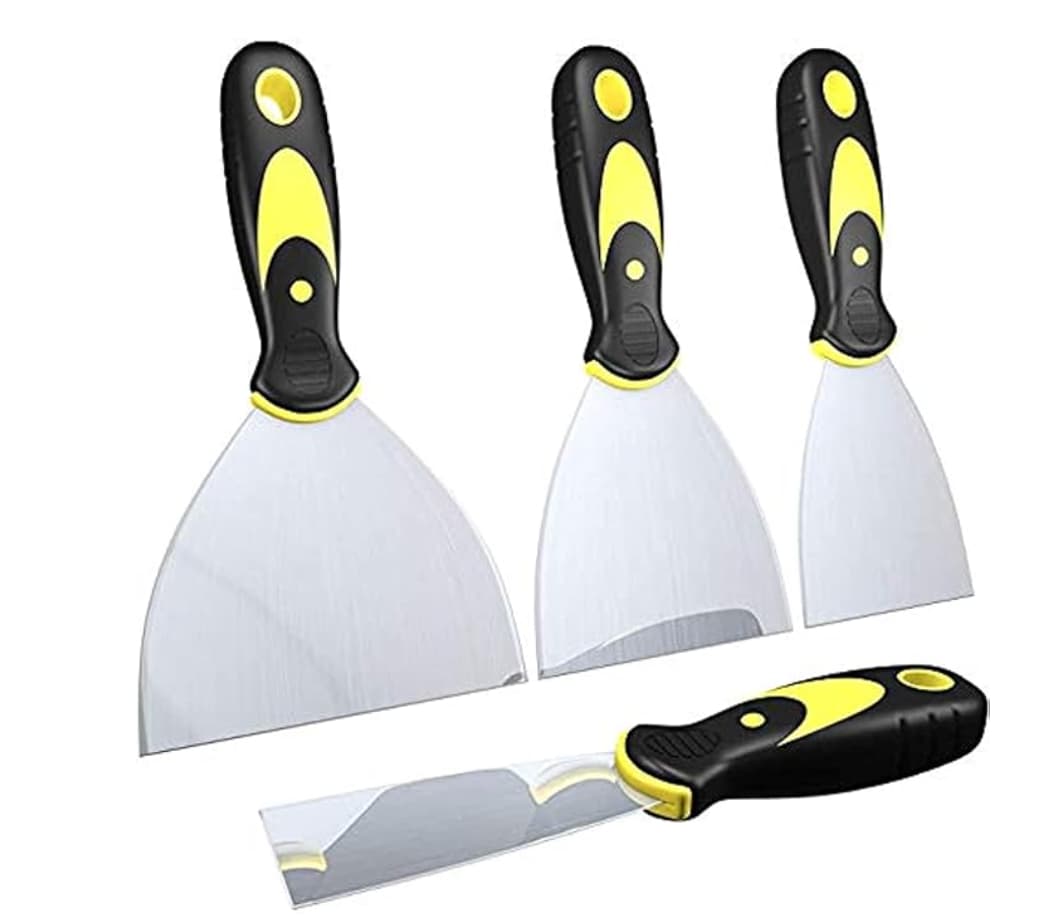
I also found out that using thin, putty knives really helps with separating supports from the base model. I use rounded edge ones, similar to what you see in this image. It’s essential to use them with protective gloves!
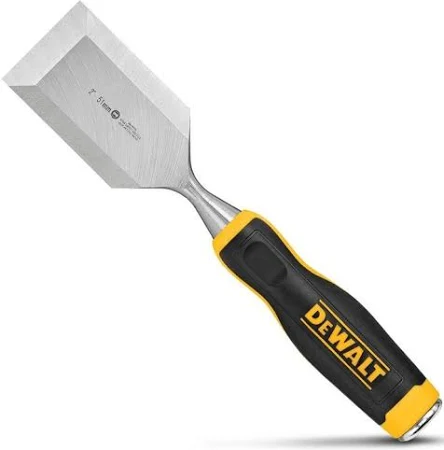
I use one of these to remove plastic from the build plate. The flat back side of the chisel blade can be laid flat on the surface of the build plate. The sharp edge gets under everything and as long as the back of the blade is flat against the build plate (and the plate itself is relatively flat), there’s no scratching of the build plate or damage to the model.
Much better than a plastic scraper or one of the type that uses a razor blade.
Then, I use one of these ultrasonic cutting knifes to remove stubborn supports or other print-related artifacts on my printed model. Expensive, for sure. But it’ll cut through thick plastic like a hot knife through butter.
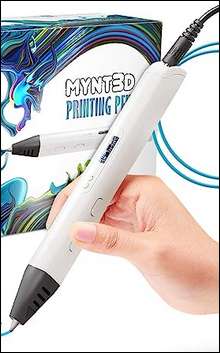
I use my 3D pen more and more for welding parts together.
Did something break off of a 3 hour print? No problem, just weld it.
Is your printed multiple parts too loose? No problem, just weld it.
Are you too lazy to design a proper joint between parts? Yeah, you get the idea…
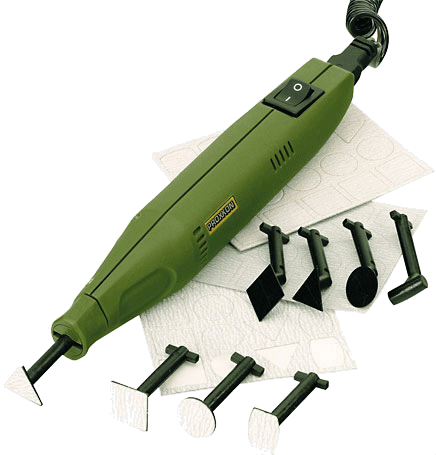
This small power sanding tool is good for smoothing small areas. CAUTION though, they rape you on the cost of the required power supply. I got a variable 0-20V supply from Aliexpress for about $15 that works perfectly (had to chop the connector off the sander though). Proxxon PS 13
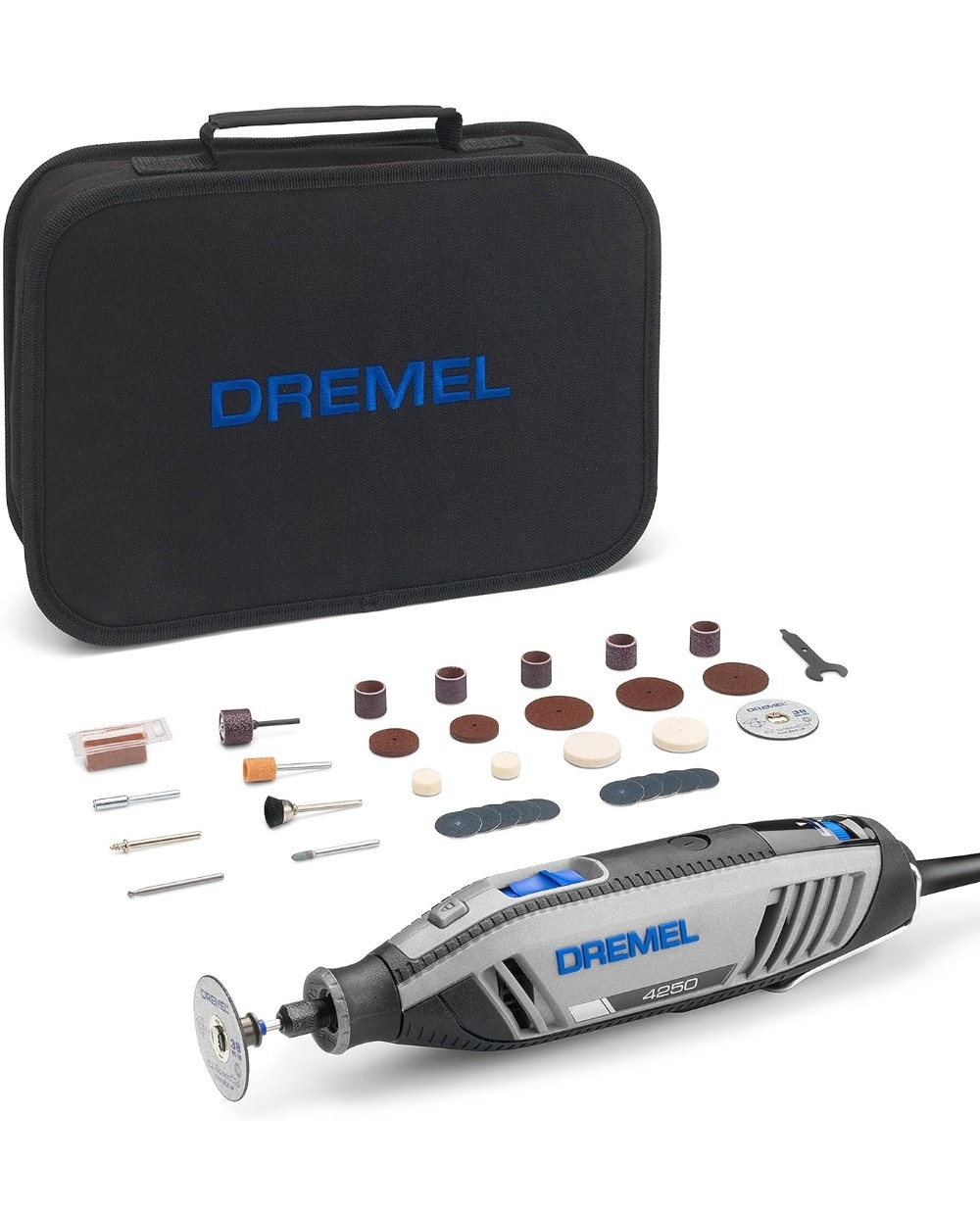
I’m regularly relying on my Dremel 4250 set (supplemented with various accessories as shown below) for various post-processing work on my projects, as well as on the very useful “Stealth Press” for inserts accurate placement (Printables)