Define what you mean by “cleanly”. We might be able to come up with a good solution for you.
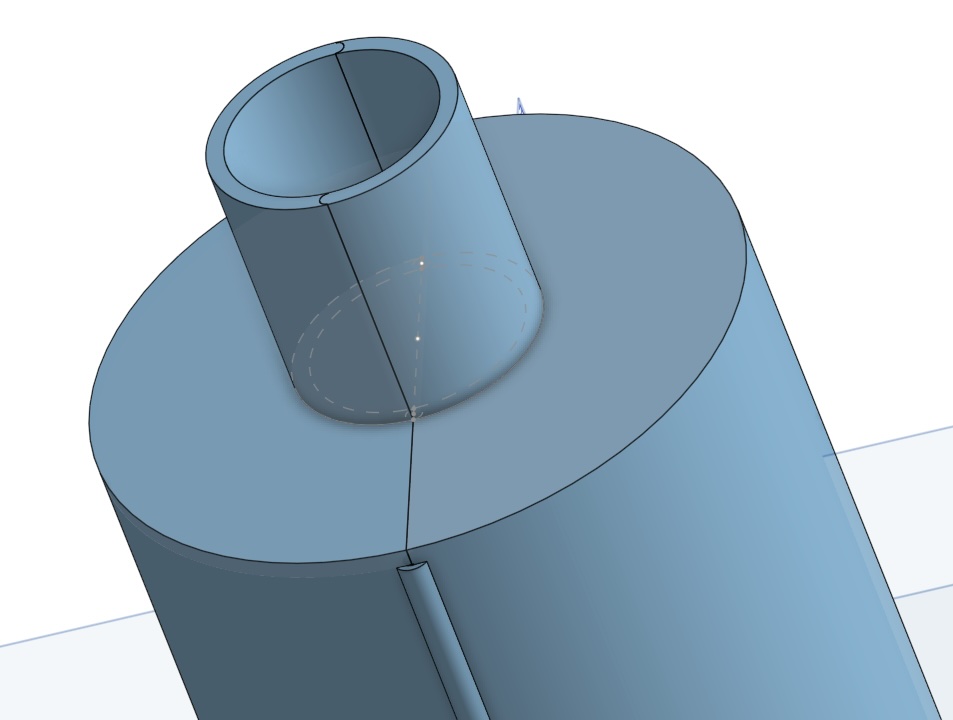
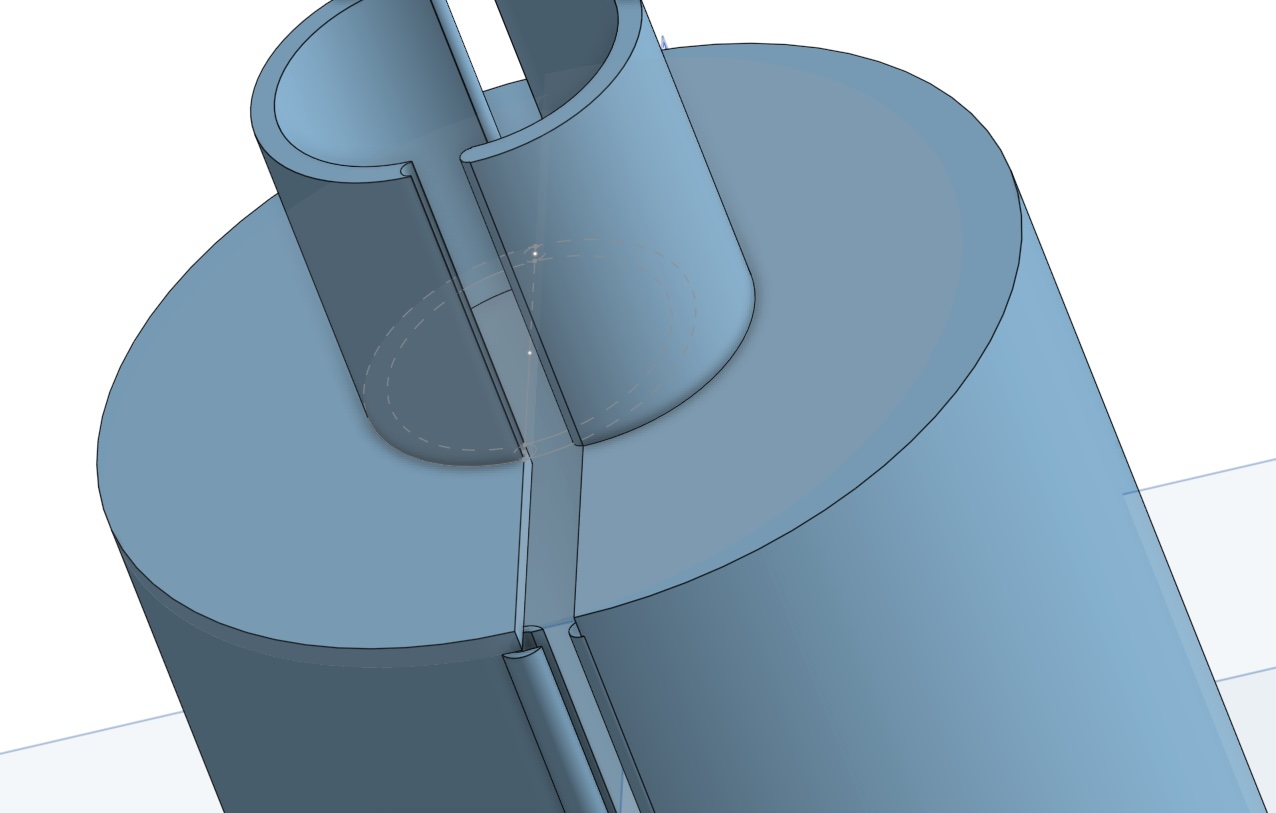
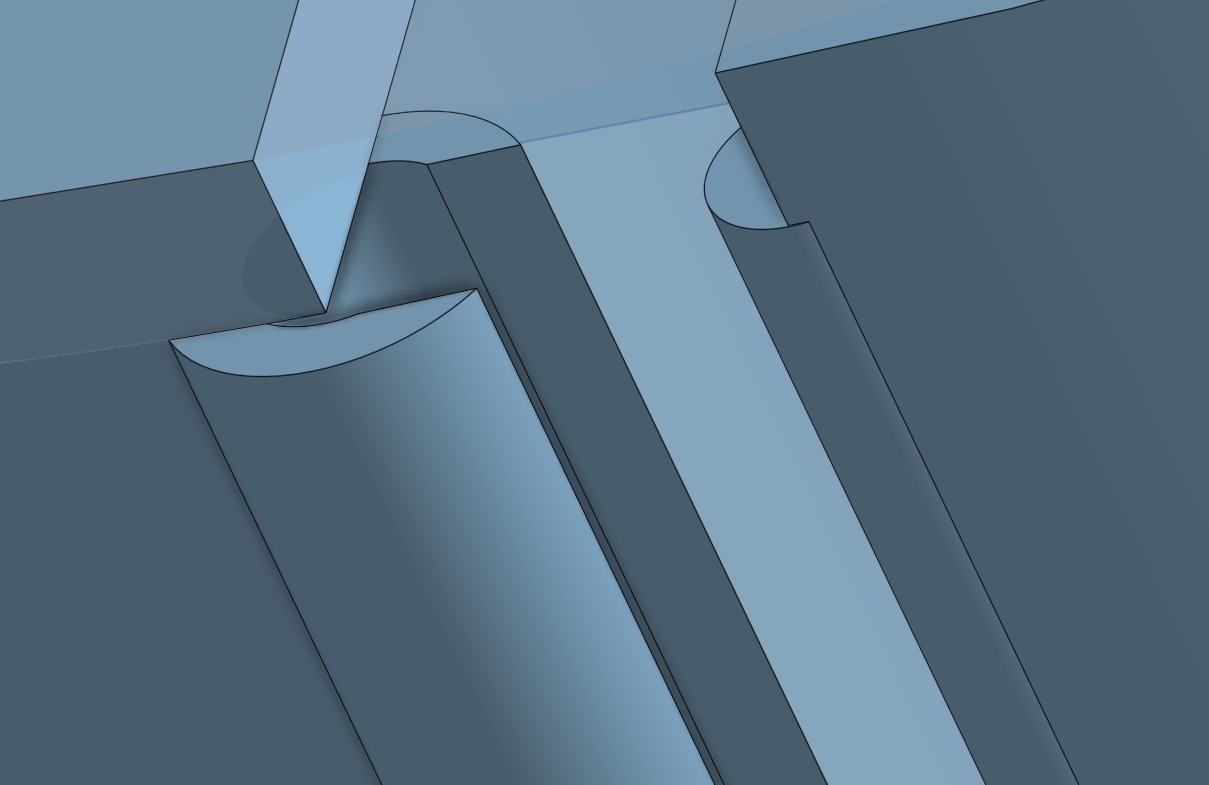
Push the joint into the model, instead of the edge of the cylinder.
1 Like
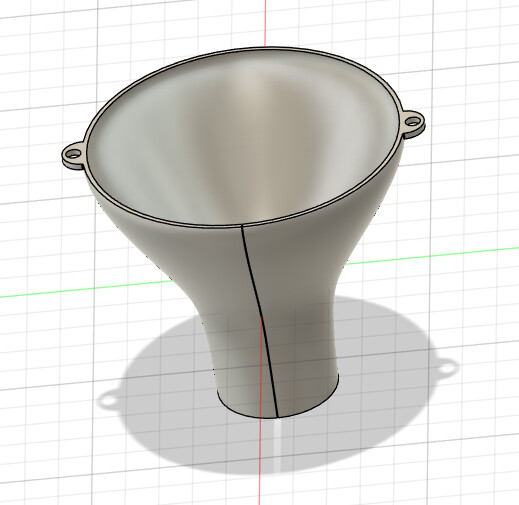
If you make it thin enough you could just make a solid part with a slit on one side. Then pull it open, put it over the wires and let it come back together.
2 Likes
You can even push the joint into the inside of the model to give you more room to make the joint more beefy. This way you can make the outside smooth as well.
Like I said.
1 Like
Great minds think alike
Important to point out that the size of the joint is one of the reasons that they are having a problem. Mocking something up now.
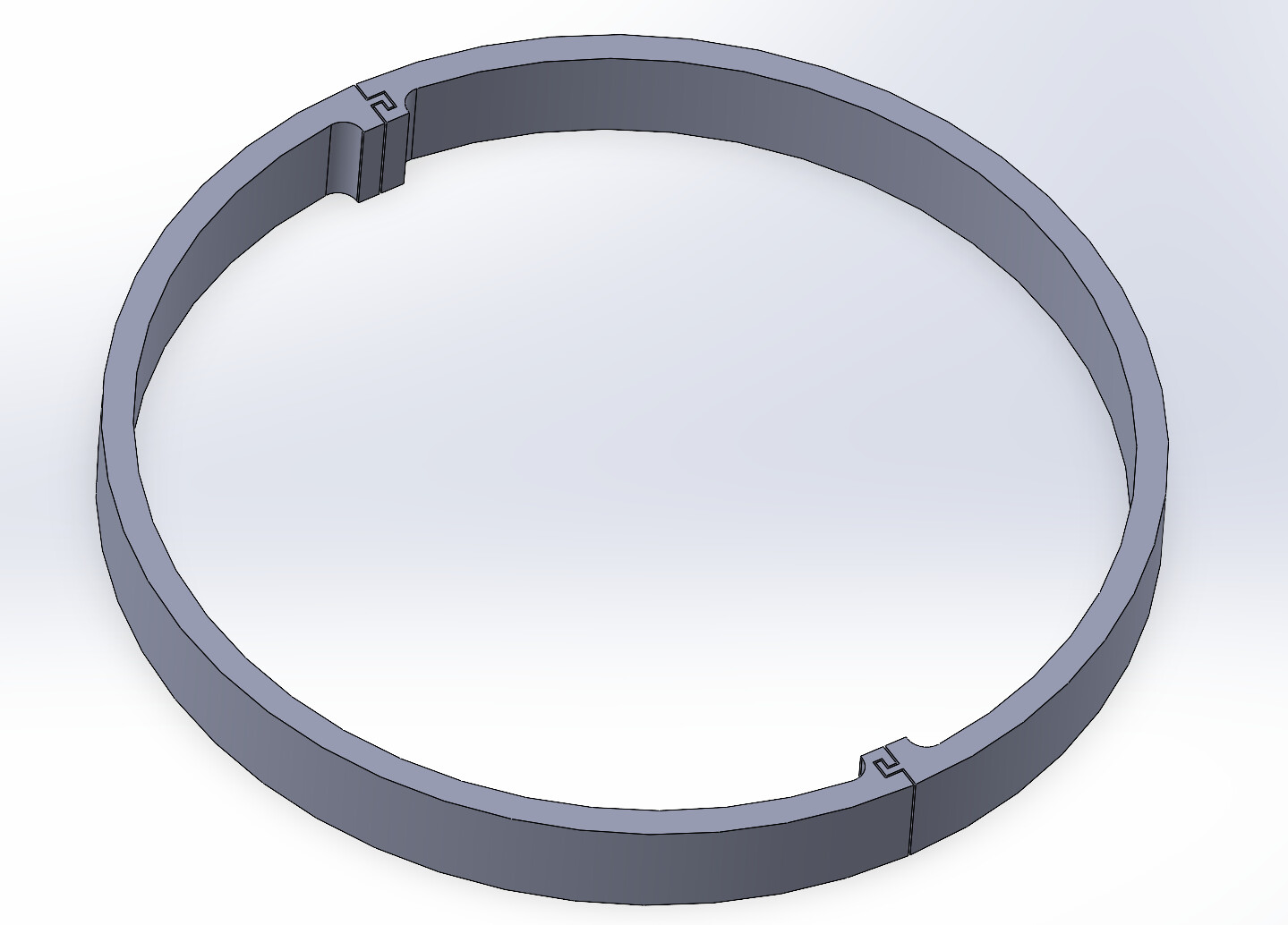
You’re probably right
1 Like
If it was made with TPU, uses @PrinterMcgee idea and has a surface that can be glues, problem over.
My concern is, @proape is fixated on the previous solution and not open to new ways.
If that changes, I will also create another mock-up.
Right now, I am concerned further efforts will equally be ignored.
2 Likes
That does not correspond to reality. I am very open-minded 
(Shudders) So many things wrong with this picture. There is a reason why countries have electrical codes. Can I atleast suggest you install a proper electrical junction box and then print a fancy cover for that?
2 Likes
Some countries are really relaxed (I suspect south africa), but I agree that this is a hazard.
@proape you could even print an electrical box for this.
I don’t think you can conclude from this picture that this installation is unsafe. This lamp has been hanging there for more than 20 years.
And I also think that it has nothing to do with the country you live in. There is probably no country where the state checks how someone has connected their lamp.
And I don’t think the States are exactly a model of good practice when it comes to electricity, with all the cables hanging around in the countryside, causing problems every time there’s a storm. Once, when I had to go to the airport in Honolulu, there was a traffic jam because, if I remember correctly, a refuse collection vehicle had knocked down an electric cable, and that was in a city as modern as Honolulu!
We don’t have anything like that here; everything is neatly buried underground in the towns and villages, and the high-voltage lines between are fixed to very sturdy, solid iron pylons.
But that wasn’t really the topic, it was how I can print this cylinder neatly!
In the US the building inspector comes out while a building is being built and checks the electrical, plumbing and everything else to make sure it’s up to code. If you hire professionals to make major changes to an existing structure, when they pull the permits that also triggers a visit from the building inspector. Now if you just grab a handful of wires from the ceiling and connect a lamp socket to them, then no, no one is going to be the wiser.
2 Likes
Lets just say it is not the standard that we are used to.
Electrical codes are very strict in the states actually. Cables are hung because it is so much cheaper to do that than burry all that cable.
A lot of non Americans dont understand how big America is. Driving from Britain to France is like driving half way accross Florida.
not that good of an example when they’ve had multiple wars; they’re very aware of how short that distance is.
also at the end of the day the answer is much more simple:
its cheaper.
also no our plugs suck in comparison like… sorry they got built-in fuses and if a metal thing fell between the outlet and the prongs - while unlikely to occur - it has the potential to be live in the places where nema’s a thing… its like really not even a competition.
don’t get me wrong; i’d happily defend other aspects of our power such as the kettle stuff people get all uppity about but like comparatively its more dangerous than theirs.
Until your house burns down and your insurance denies your claim because of this.
1 Like
The fact that no one died is not how good it was, just how few people interacted with it.
I find it difficult to think anyone would say that photo and didn’t take a sharp intake of breath.
Nothing anchors those cables to the ceiling; they appear out of the plaster (from what we see). I am not an electrician, but even I know that electrical cables should be shielded from accidental touching and in a secure box, like a ceiling rose (named for what and where it goes). If anything added weight to those cables, there is nothing in place in that room to stop them from travelling.
The fact that they are on the ceiling is insufficient safety; kids and adults do dumb things, and accidental things.
We are not judging you. We are judging the wiring. The same as anyone would judge someone with several multi-sockets in a chain coming from one 4-gang trailing socket. That would be a fire hazard.
Exactly, That is why it is a good comparison. A familiar distance compared to a unfamiliar distance.
your example -- in addition to being a gross generalization of their supposed lack of knowledge -- falls flat because if we were to operate under the assumption that you were correct then what you’re doing is trying to describe the colour blue to a blind person.
mercifully you’re wrong on both counts.
1 Like