I have an issue on my first print with Bambu TPU90A on X1C. I’m mostly beginner in 3D printing but foralmost an year I have successfuly printed many projects with PLA & PETG and I wanted to give a try to TPU.
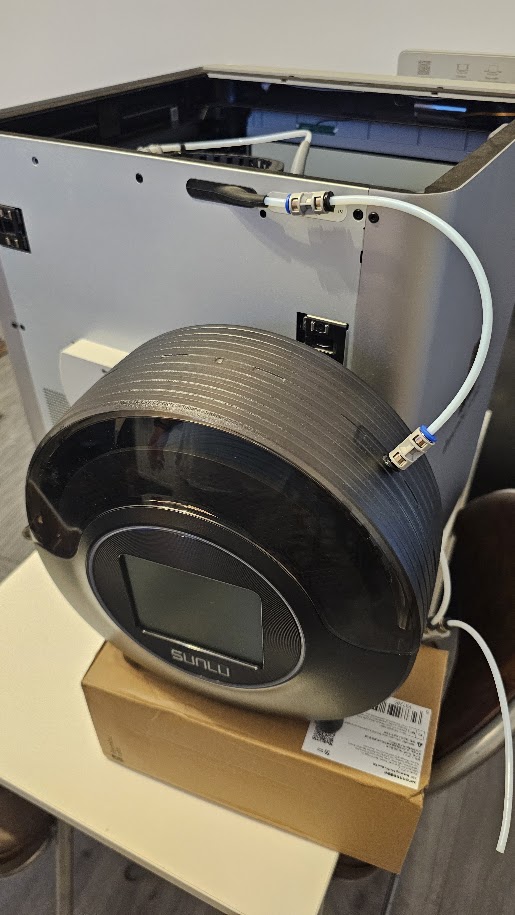
I have dryed the filament for almost 20 hours in a Sunlu Fila Dryer S2 at 70 degrees Celsius (maybe this was the first mistake - overdrying) to make sure is “super dry”.
Because the desired project was Whaleberry - a 3D printed thick-soled casual shoe customized EU measure that last 4days, I thought is better to keep drying the filament at 45 degrees (C) to stay dry.
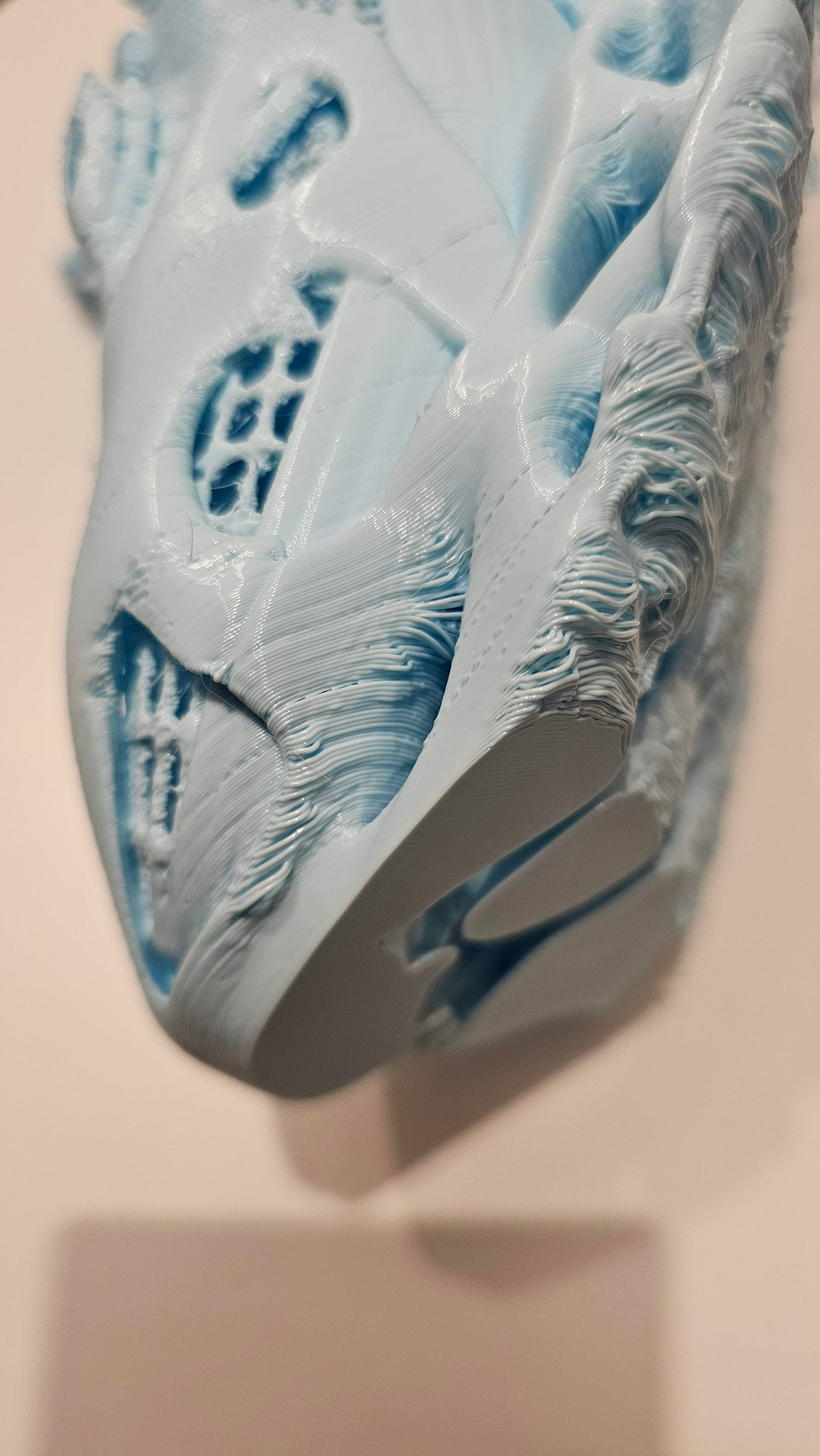
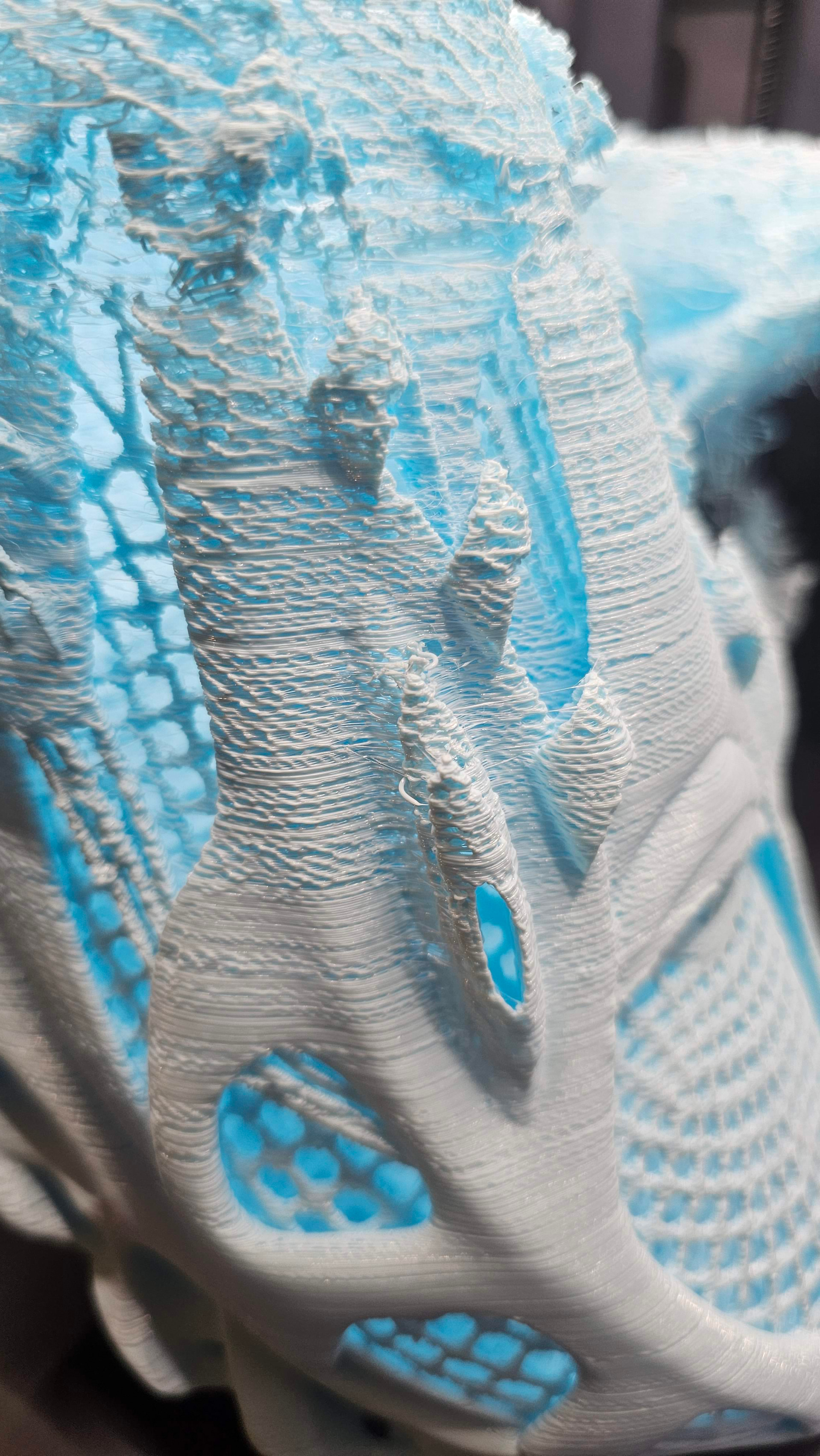
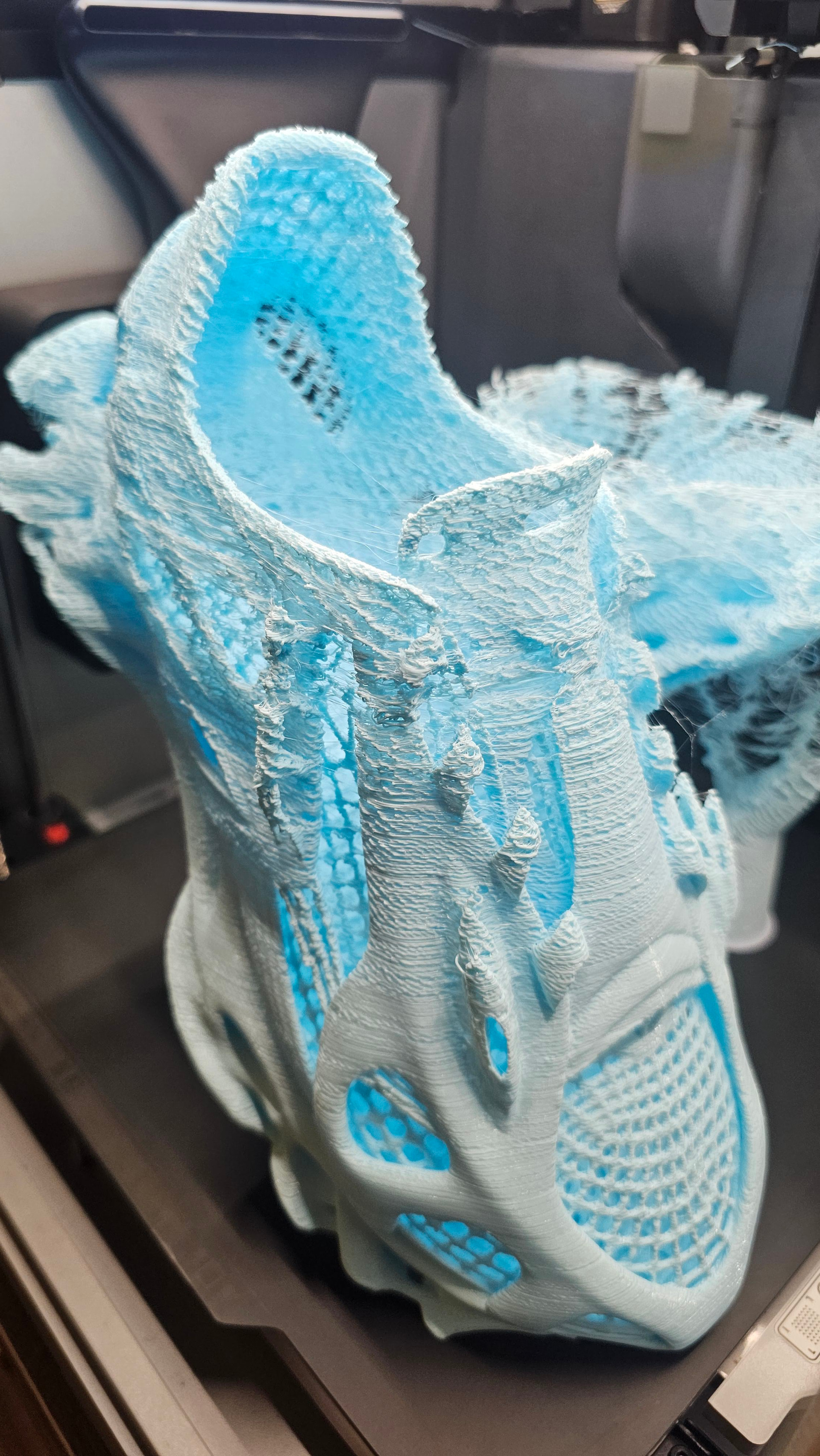
I have used the default settings of the printer but the results were… at first 5-10% of the project good enought, but then… very bad.
Finally skiped one pair just to do half of the project to an and and see the results.
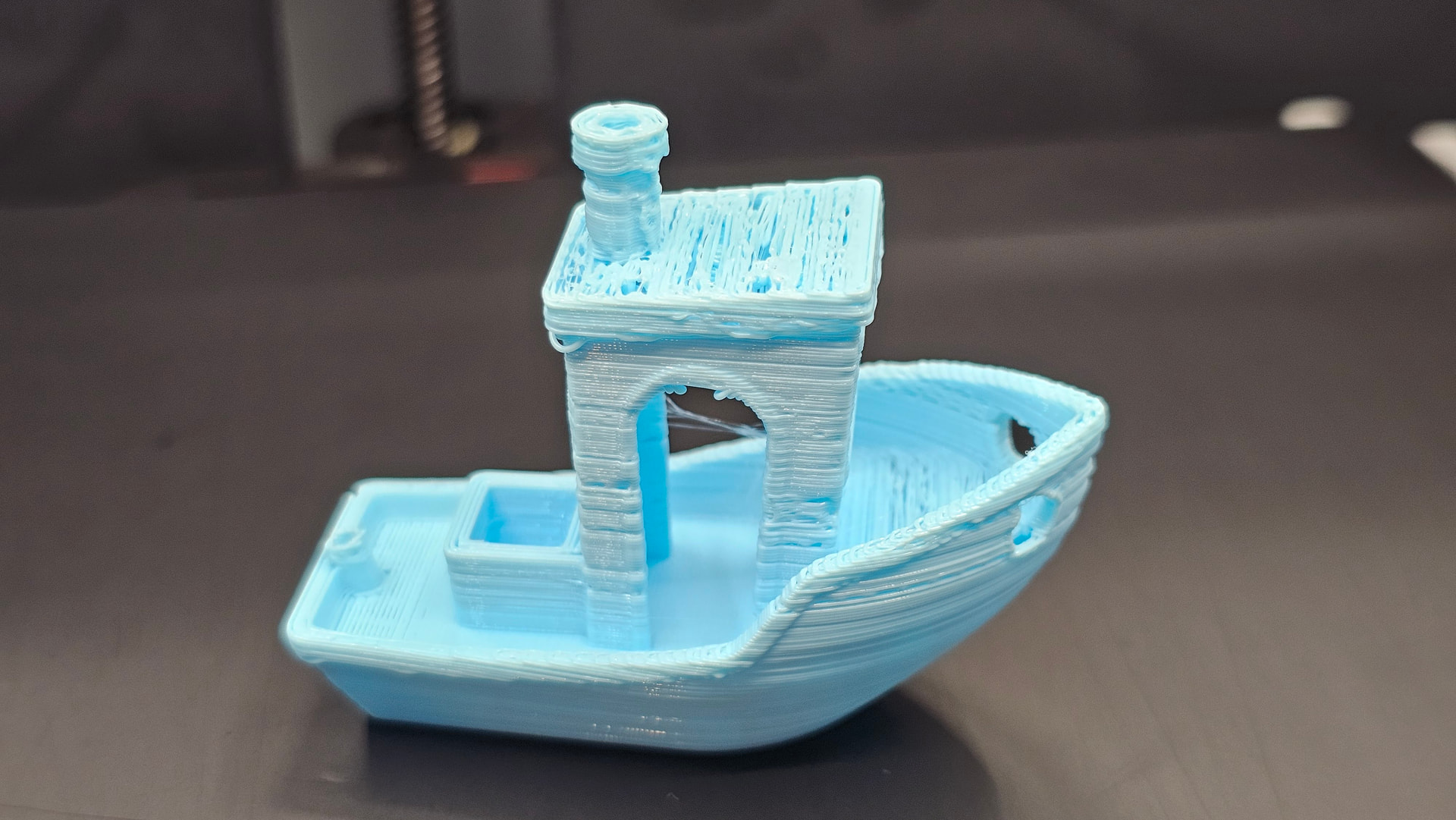
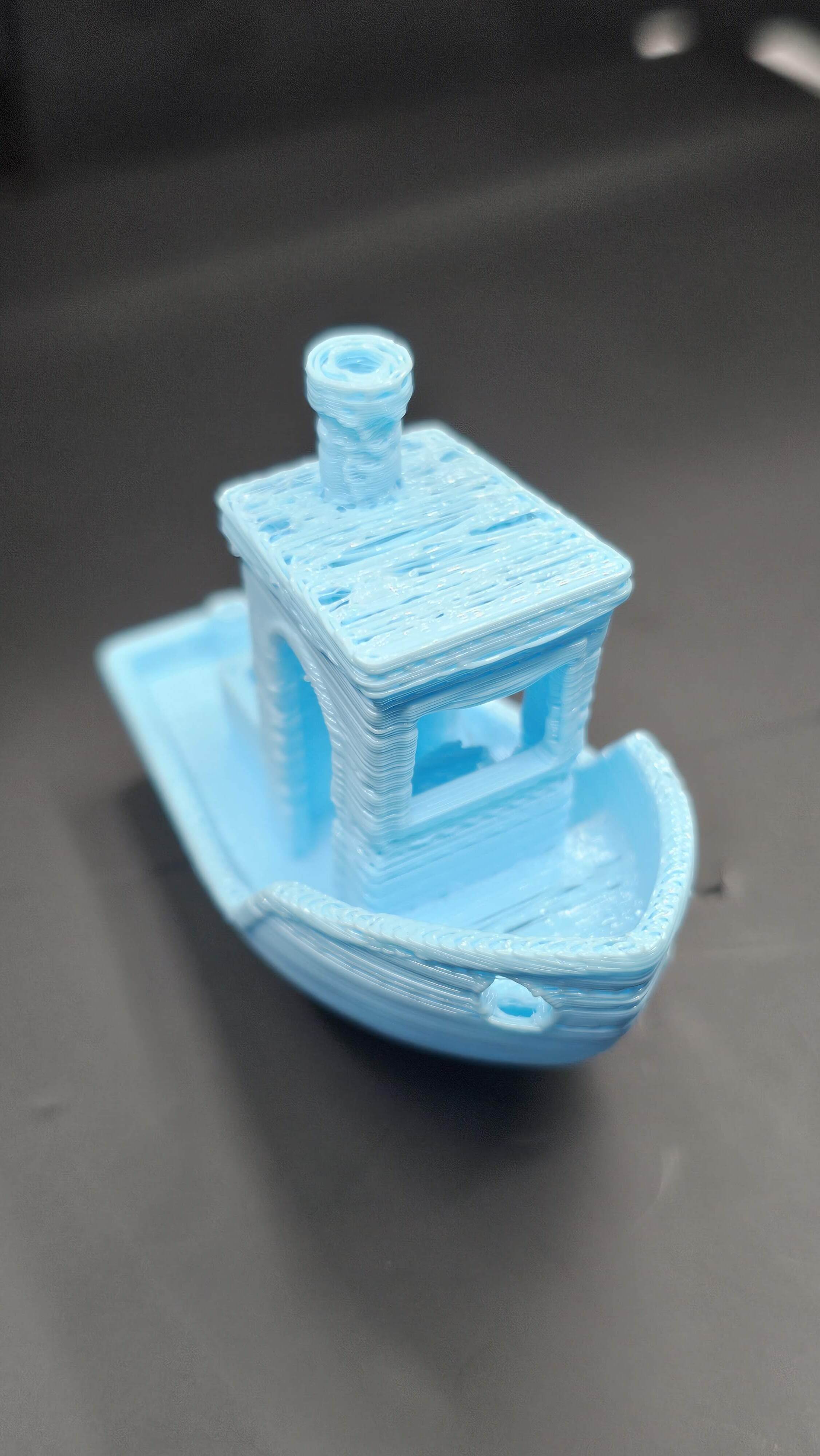
Then I have tried to print Benchy by changing the “Max volumetric speed” to 2mm^3/s and all the speeds in the speed tab to 40mm/s but neither Banchy was to good.
First, you have some feed issues that seem to be worst at the top of the print, but can be seen all over. Either come up with a very low friction external spool arrangement (that ideally involves a drybox, due to the size of your prints), or look into the TPU assist module, and again, a drybox.
Second, you have some pretty significant overhangs in this model. Once you have your filament feed situation sorted our, you need to do some overhang print tests to dial in your optimal settings for this filament on this printer.
It looks like over time the filaments total flow decreased. I’m guessing the TPU was stretched as it was being pulled by the extruder. If the material is stretched to 90% thinness, and the extruder pushes into the print what it thinks is “10mm^3” of filament, only 9mm^3 actually comes out. [simplified example]
IMO your feed could use help, either putting directly above the printhead gravity fed down with a bearing based roller, or a secondary motorized feed assist unit [bambu even sells this, but i have no direct experience with it]
Only time I got good results with TPU90 on my X1C was after I got the TPU assist module. I tried several top mounted solutions and none of them worked really well. My suggestion is to get the module.
I can print Bambu TPU 90A on my X1C without any problems. I use neither the standard external Bambu spool holder nor a setup that feeds the filament directly into the toolhead from above.
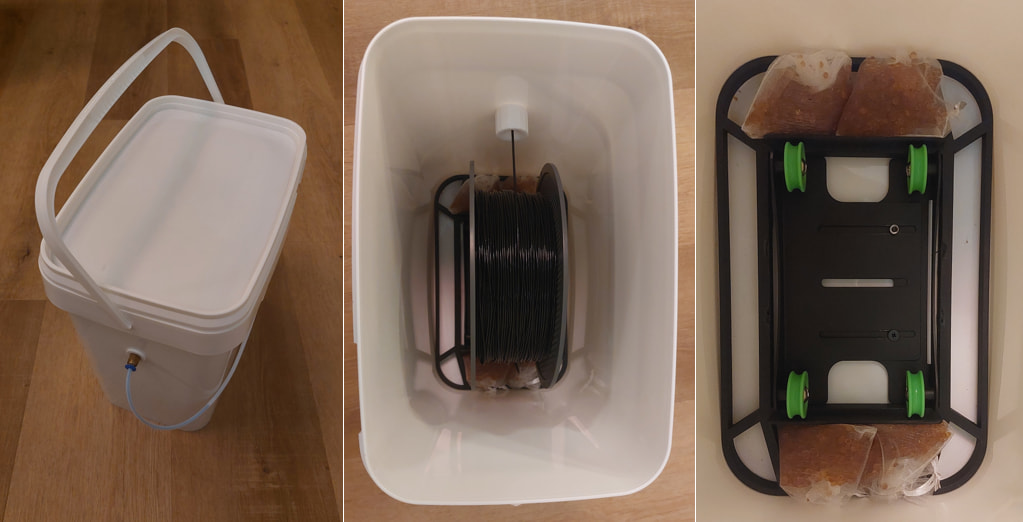
The spool sits in an external container on four ball-bearing rollers, allowing it to unwind very easily. At the rear of the printer, I disconnect the AMS PTFE tube and connect the PTFE tube from the external container instead.
As others have already mentioned, the low resistance when the spool unwinds may be a decisive factor.
Hello Everyone and thank you all for the information provided.
I have tried feeding initially using the Retracting Spool Holder but using the top/upwards exit, so the box was aside printer not on top and was pulling the filament worse.
That’s why I thought the Sunlu box would be better (better bearings) but has also a top exit so the box stays also on the left handside of the printer not on top of it. It was better but it seems still not enough.
From your recomandations as @mltriebe already confirmed I think I have to use the TPU assist module. I did not see it until now, so thank you for pointing me in the right direction.
The best bearings on earth won’t help if the rest of the feed path is causing drag.
What I suggest people try is disconnecting their PTFE tube right at the extruder, and try pulling the TPU through the feed path by hand, that gives a very good tactile indication of what the extruder is going to experience, if you can gently pull on the filament and feel it stretching rather than feeding, that’s an issue. Make adjustments until the filament can feed as easily as possible.
You can buy an expensive external spool box, spend hours printing one and putting extra wear on your printer — or simply buy a new food-grade bucket, like the ones used for mayonnaise or pickled herring, for just a few dollars and turn it into a portable spool holder.
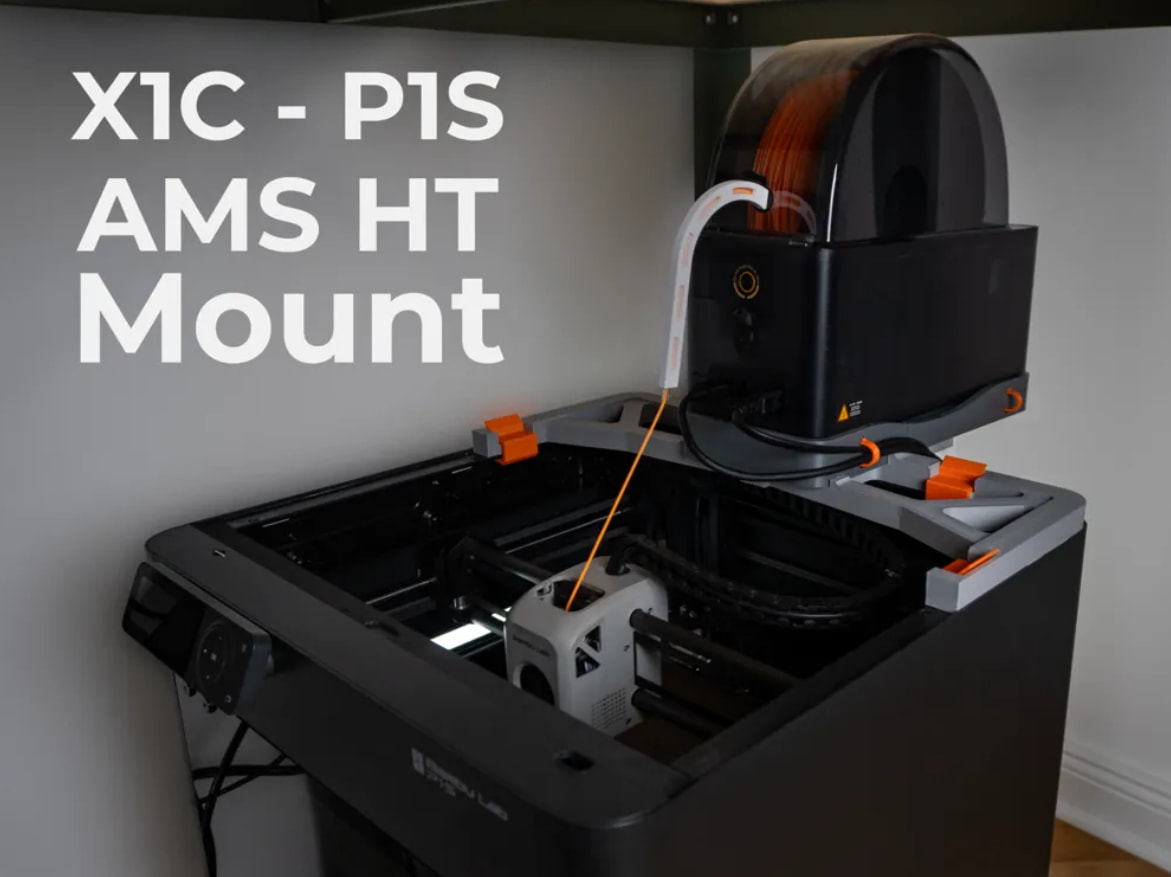
If you must feed it from a dryer, there are solutions for creating an apporpriate platform up top. I havent tried this exact model, but was the first image search that looked right
Something like this. The little elephant trunk seems excessively overdesigned but hopefully you get the idea. Get it outta all those PTFE snakes, and get it above the printer. Those two things really are the secret to the sauce
Hi @CarbonForge ,
While reviewing the options, I have missed the second,but important part you’ve mentioned: optimal settings. Do you have any idea on how to achieve this?

 &
&