So, we are printing paint fixtures using ABS and PA6-GF on an H2D. This is relevant to any 3D Print surface.
Has anyone ever used tape to attach to the top surface of a 3D Print to provide a smooth surface that can be wiped clean after painting (or any other additive process)? It should be adhesive backed and somewhat pliant. This surface shuts off the underside of metal frames to prevent paint ingress to the inside metal frame surfaces. Overtime these surfaces accumulate paint and with older machined acrylic fixtures (old process) and they would just remove the paint with an X-acto and reapply tape. What they are finding out with 3D printed surface - the current tape does not stick well to the rough surface texture for 3D printed materials and they end up throwing away the 3D printed parts after a few uses. We end having to print extra 3D printed fixtures. It would be nice to find an adhesive tape that we can use to extend the life of each 3D fixture.
It would be great if the tape comes in sheets since we can laser cut profiles.
Someone proposed masking tape and it seems to stick well - but the tapes surface is also textured - we want something smooth that can be cleaned.
With primer and a matte protective layer of paint. Unlike tape, this is also scratch-resistant for the most part. If necessary, scratches can also be polished out.
It depends on how many you’re making, but in terms of volume, painting is definitely cheaper. In a single coating process, you can apply a protective layer to dozens of parts at the same time. You don’t need a laser cutter, or someone to apply it precisely, either. The paint finish can withstand mild acids, alkalis, and solvents, for short periods.
First apply a primer; otherwise, the paint won’t stick. Then apply the finishing protective coat.
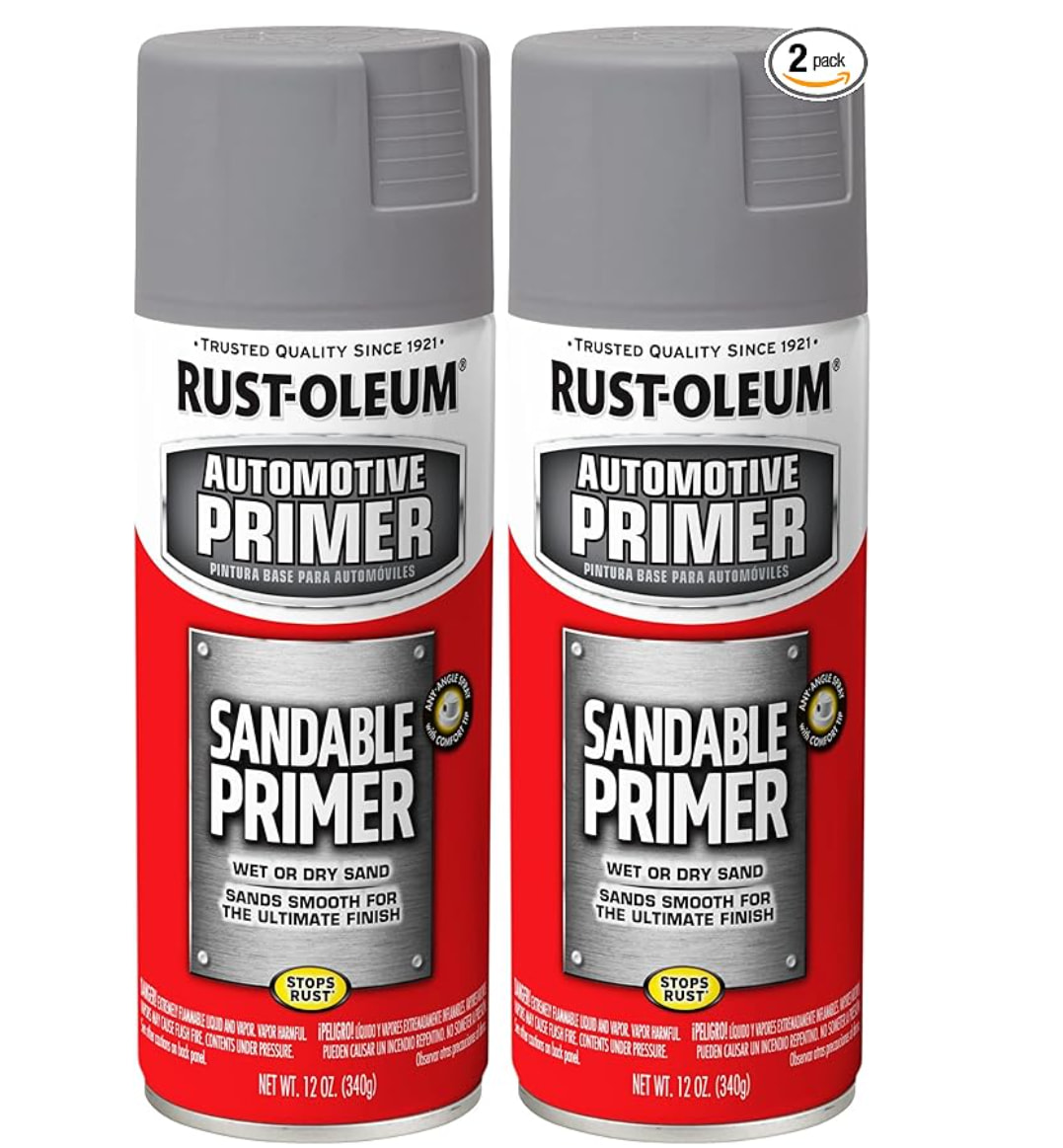
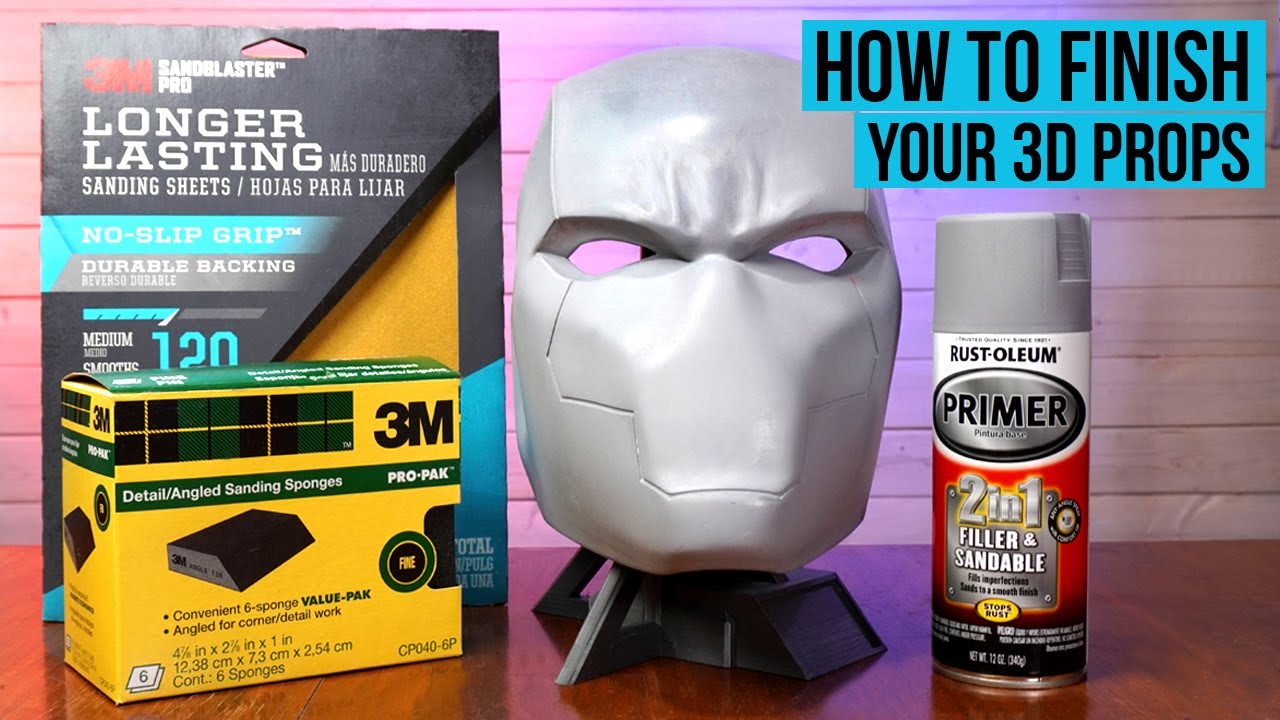
Not acrylic paint - Use the stuff they also use to paint car parts. Here’s an example - you can actually buy it just about anywhere, and it comes in various forms. This isn’t meant to be a recommendation for the brand, just an example:
If you want to know exactly what I use: Nitro combination resin primer - so not acrylic paint, but a solvent-based primer. Contains solvents and cannot be diluted with water. The advantage of this is that it bonds perfectly with PLA, whereas acrylic falls short in this regard.
I don’t understand the question. You’re just applying a very thin layer. There’s nothing to level out, because that would mean you’re applying way too much. A layer like that consists of only a few particles. You don’t have to follow all the steps in the video:
Carbon - yes, you are correct - just a means to create a smooth surface to apply a sacrificial substrate that can be removed after multiple paint applications - thus prolonging the life of the 3D printed fixtures.
Was just digging into this for a music box design but adhesives that stick to “low surface energy” materials like 3d print plastics are a thing. 3M has a number of adhesives that grab and hold plastics.