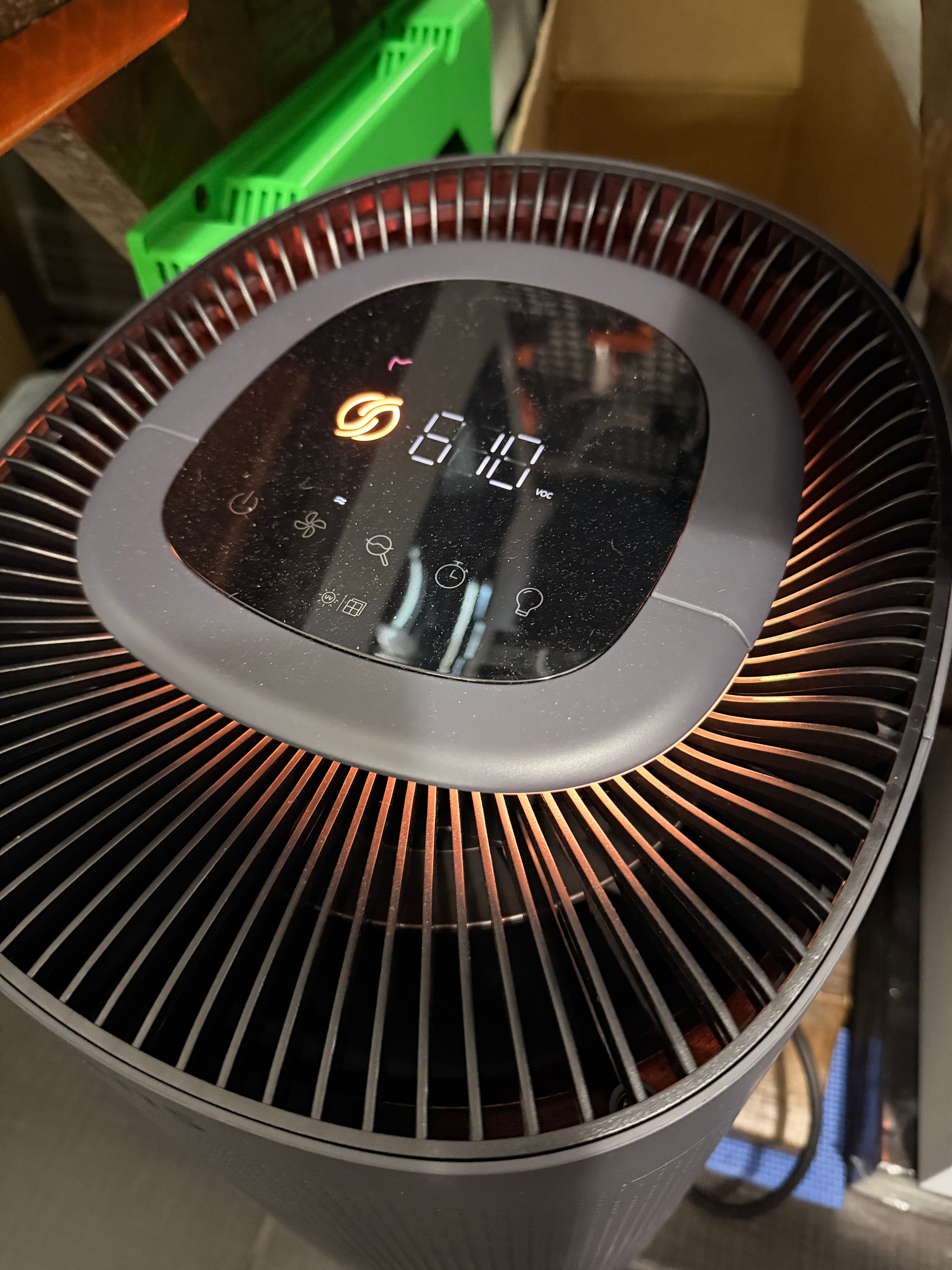
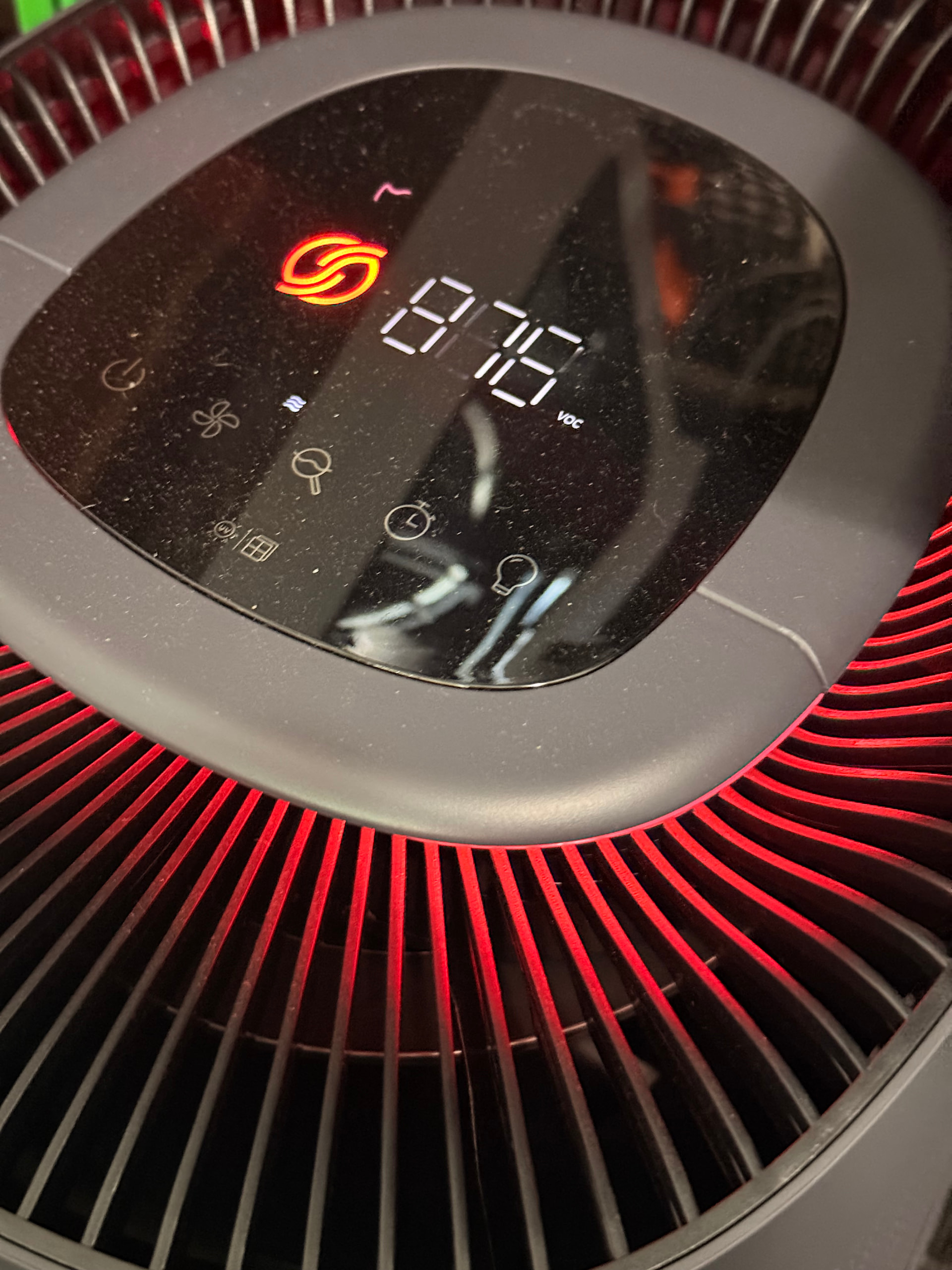
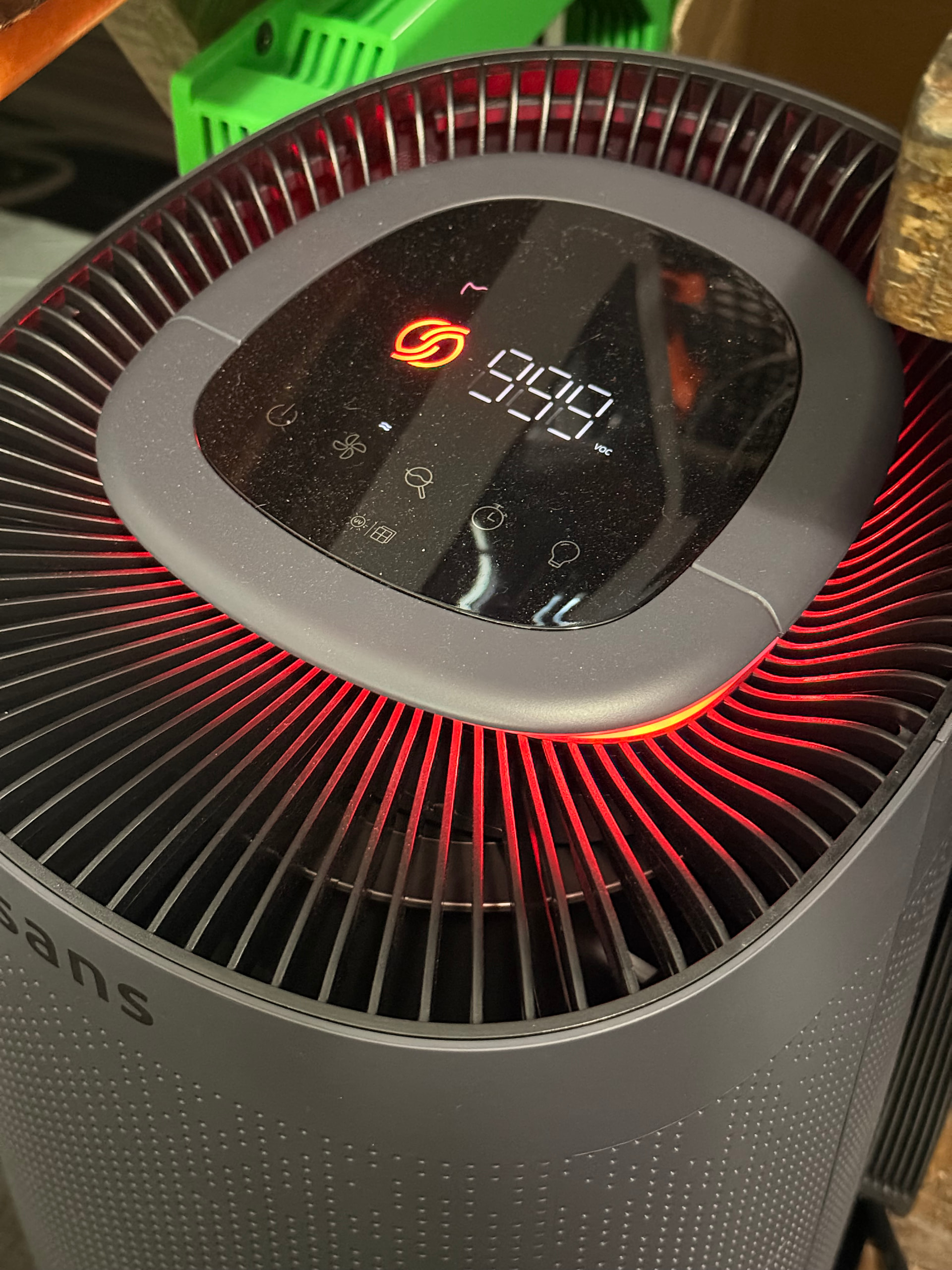
VOC meter goes nuts when I drink Bourbon

Title says it all. Just an interesting observation and a reminder that even with good controls, they can be fooled. The VOC meter on my air purifier goes nuts when I drink in my print room. I don’t get readings above 300 when I print ABS or ASA, but every time I decide to enjoy a drink, it spikes. I can’t even get it to spike this high when I clean a build plate with 90% IPA. I refuse to run my Bourbon through a pound of carbon as a filter… :rofl:


2 Likes

Are you under that bourbon right now? :sweat_smile:

3 Likes

How else was I going to get the pictures… :wink:

3 Likes

Some people just understand the right idea.

3 Likes

Now you just gotta run a bourbon brand test series!

All in the name of science and customer protection :grin:

:four_leaf_clover: & :crossed_fingers:

2 Likes

I think you should stay out of the room where you drink it when you drink it.

2 Likes

Why not? Bourbon is already aged in new, charred oak barrels and then filtered through charcoal before bottling.

1 Like

I knew someone would be helpful and point me in the right direction. Cheers!

1 Like

:joy:

Oh, I know this one! This is when you use a hammer to hit the glass right? Or wait, is it the test where you add weight unit the bottle breaks?

1 Like

At least something useful for… humanity… will come out, eventually. :grinning_face_with_smiling_eyes:

1 Like

Well that isn’t true at all, as the meter was not fooled one bit.
The aromatics of bourbon are indeed all VOCs - the meter is doing exactly what it is supposed to do. It cannot tell the difference between the VOCs you don’t mind and the ones you do mind.

I can see from my air quality meter log every time I cook in the kitchen , and no there is no charing or burning involved. :laughing:

The important question here is: what is the sensors response to common household VOCs like Ethanol as compared to say, an industrial VOC like styrene?

It is entirely normal for sensors to have totally different response curves for different compounds - and entirely normal to save money by not paying to have them detect industrial hazards - hydrogen sulphide will kill you stone dead in sufficient concentration (beware the fart you only smell once) but domestic meters utterly ignore it because it’s cheaper.

Molten plastic fumes have always been considered industrial. Don’t trust domestic sensors to be able to detect them.

1 Like