Hi All.
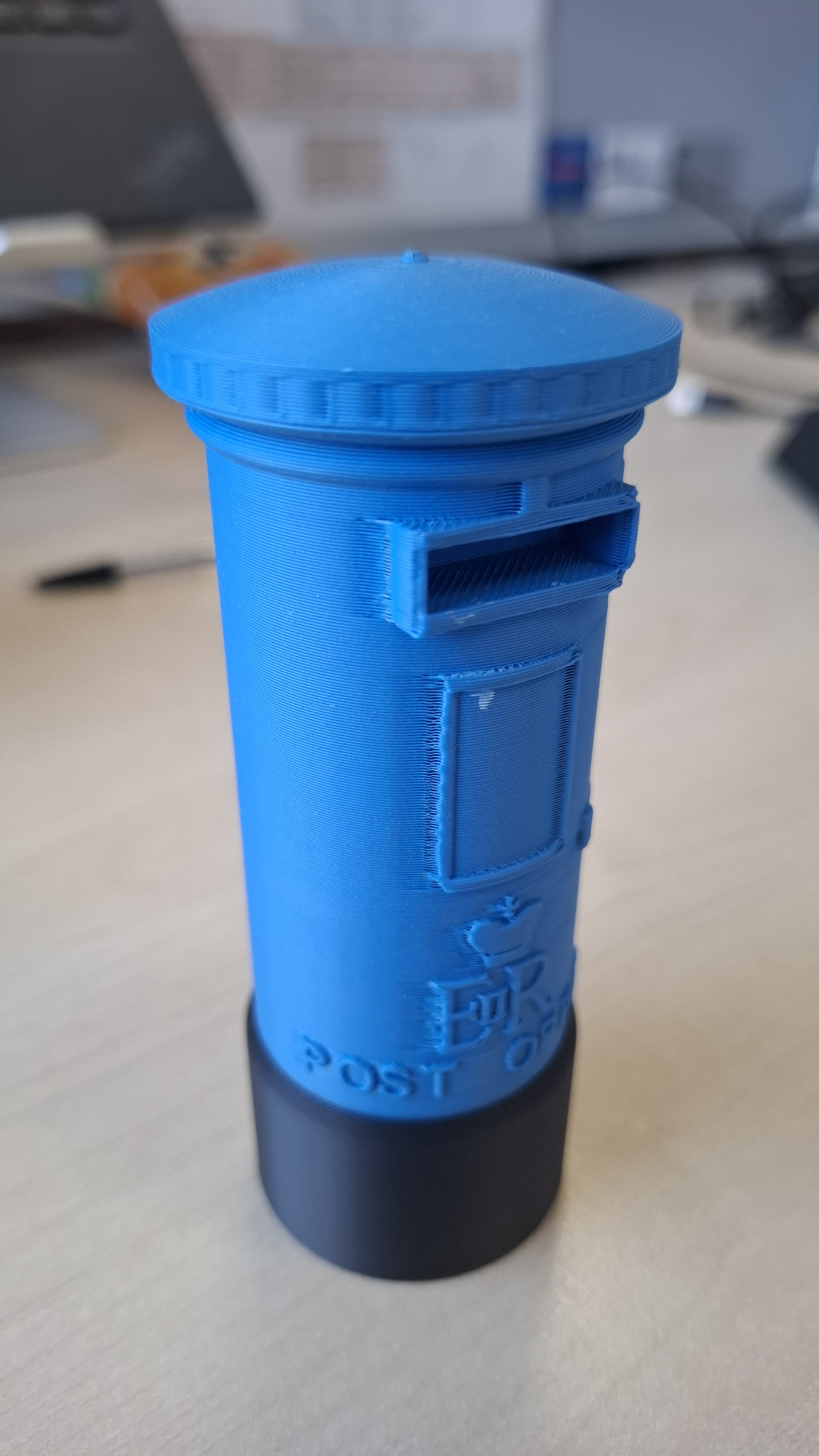
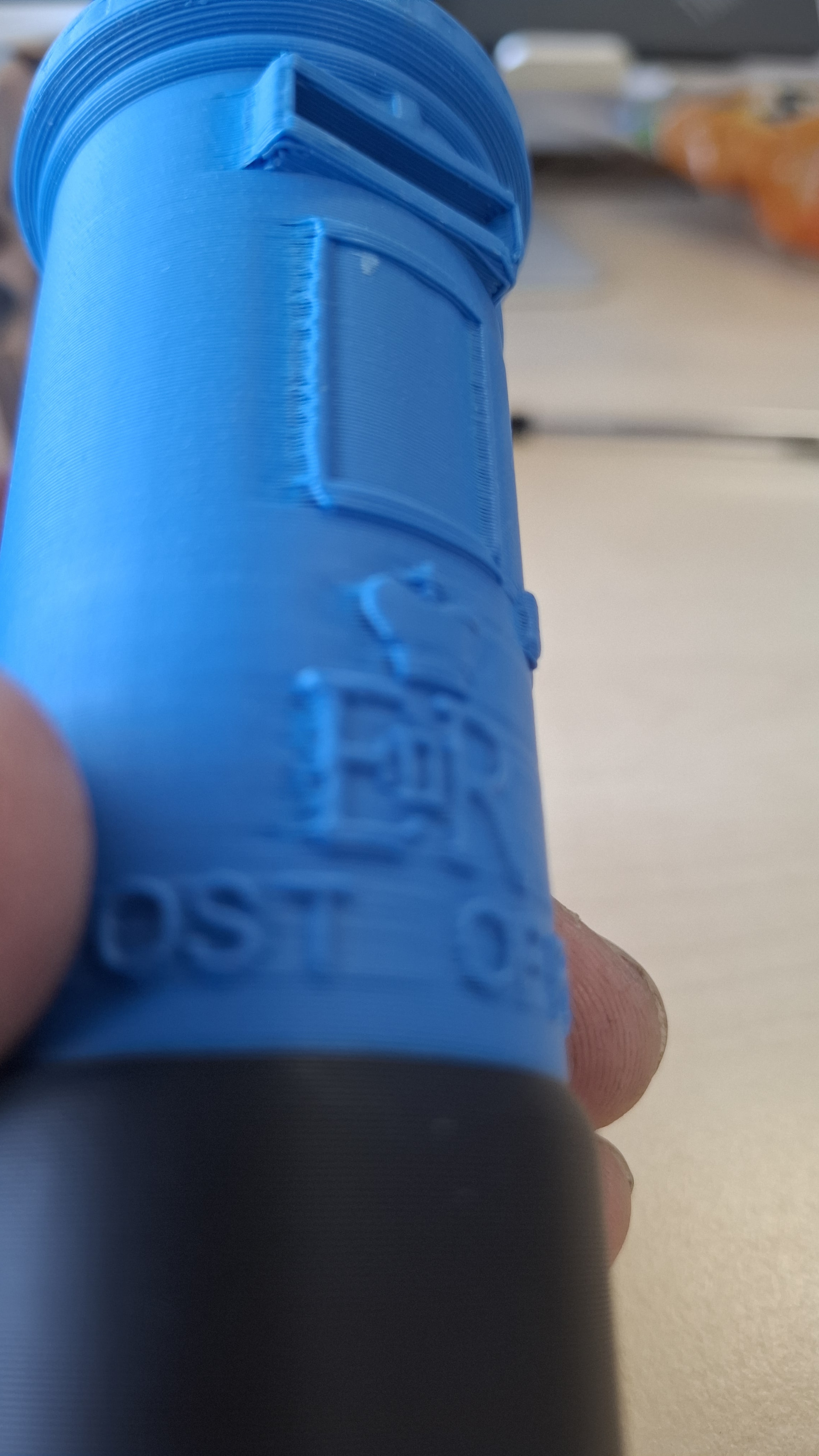
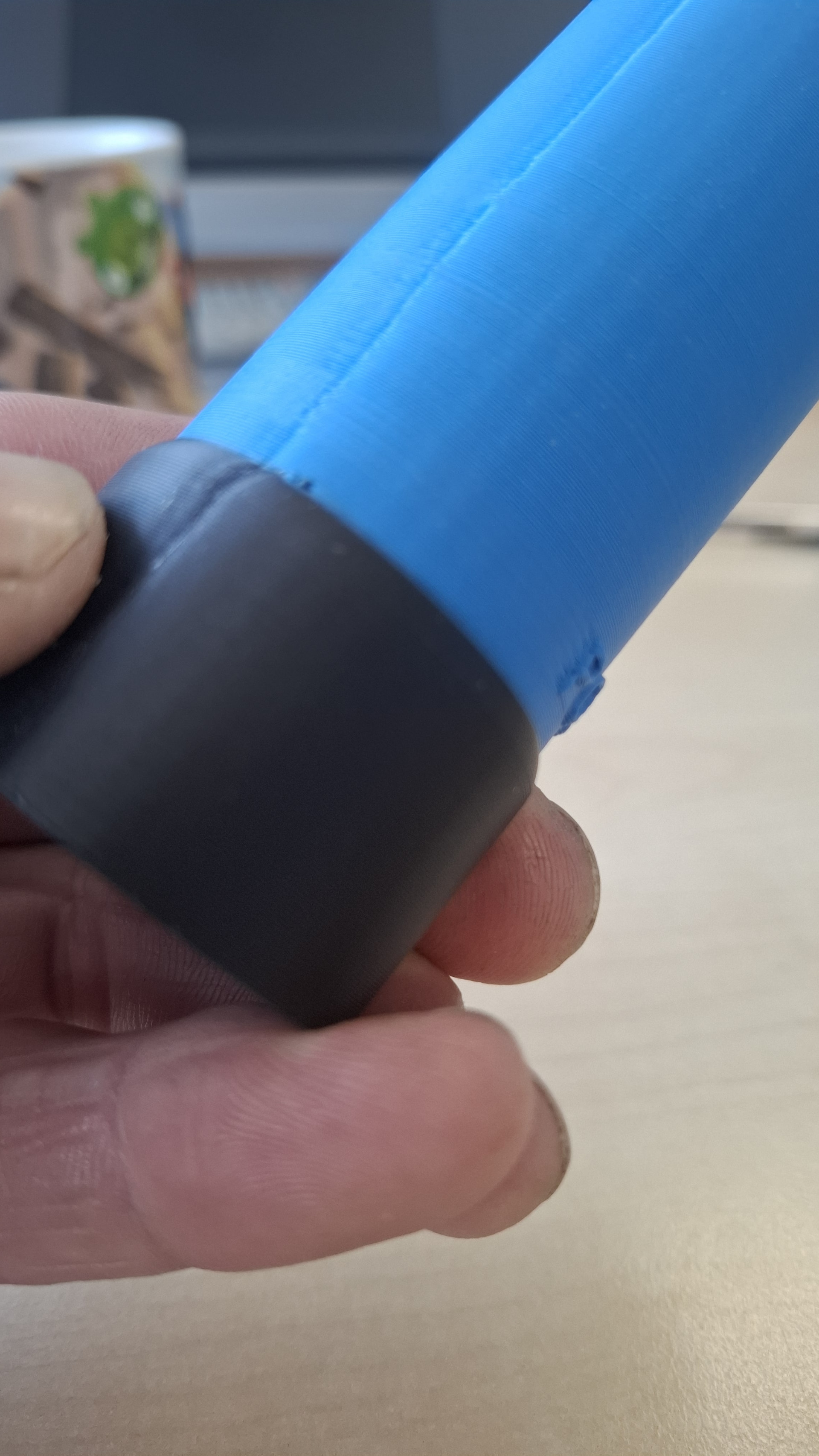
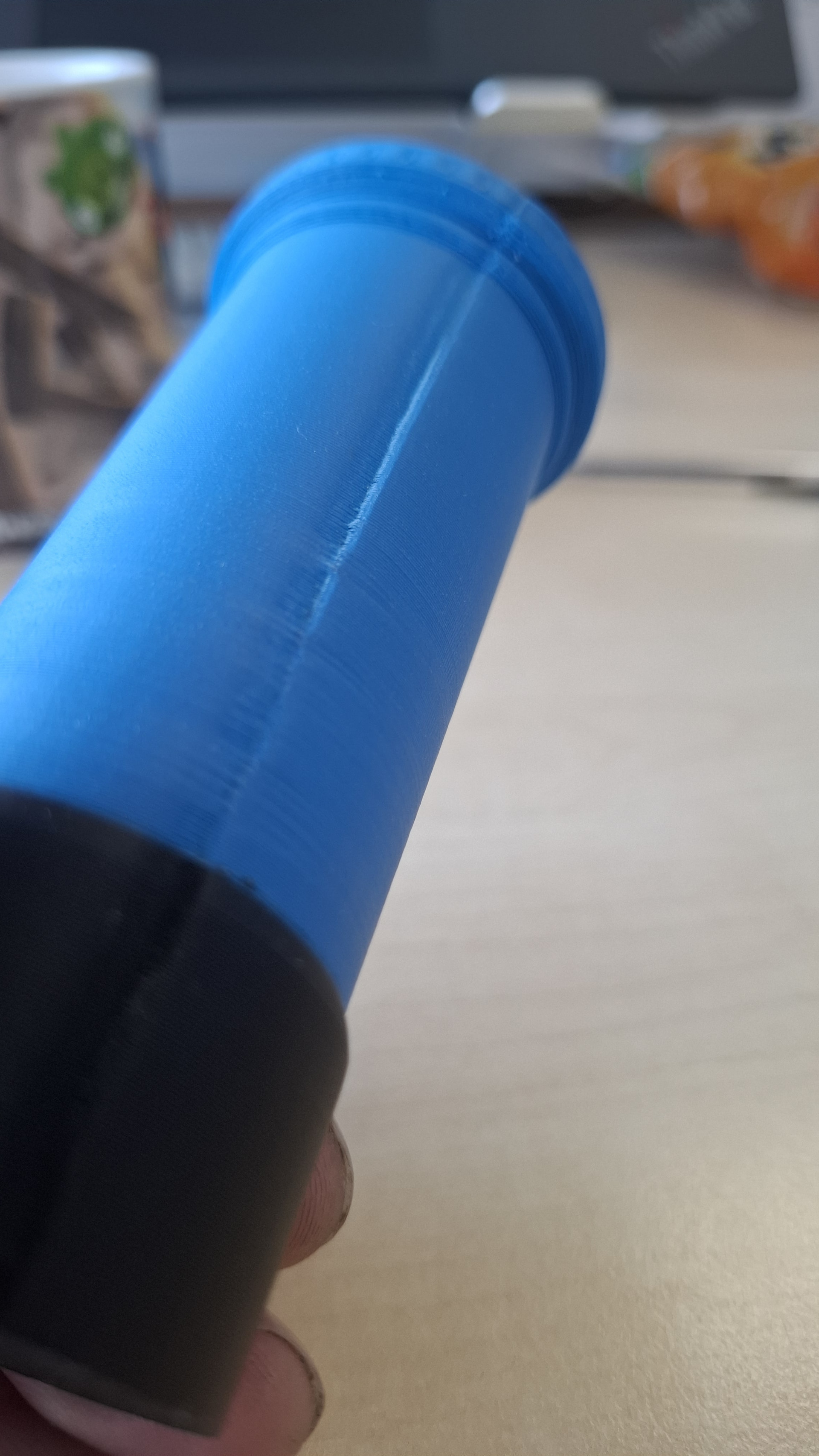
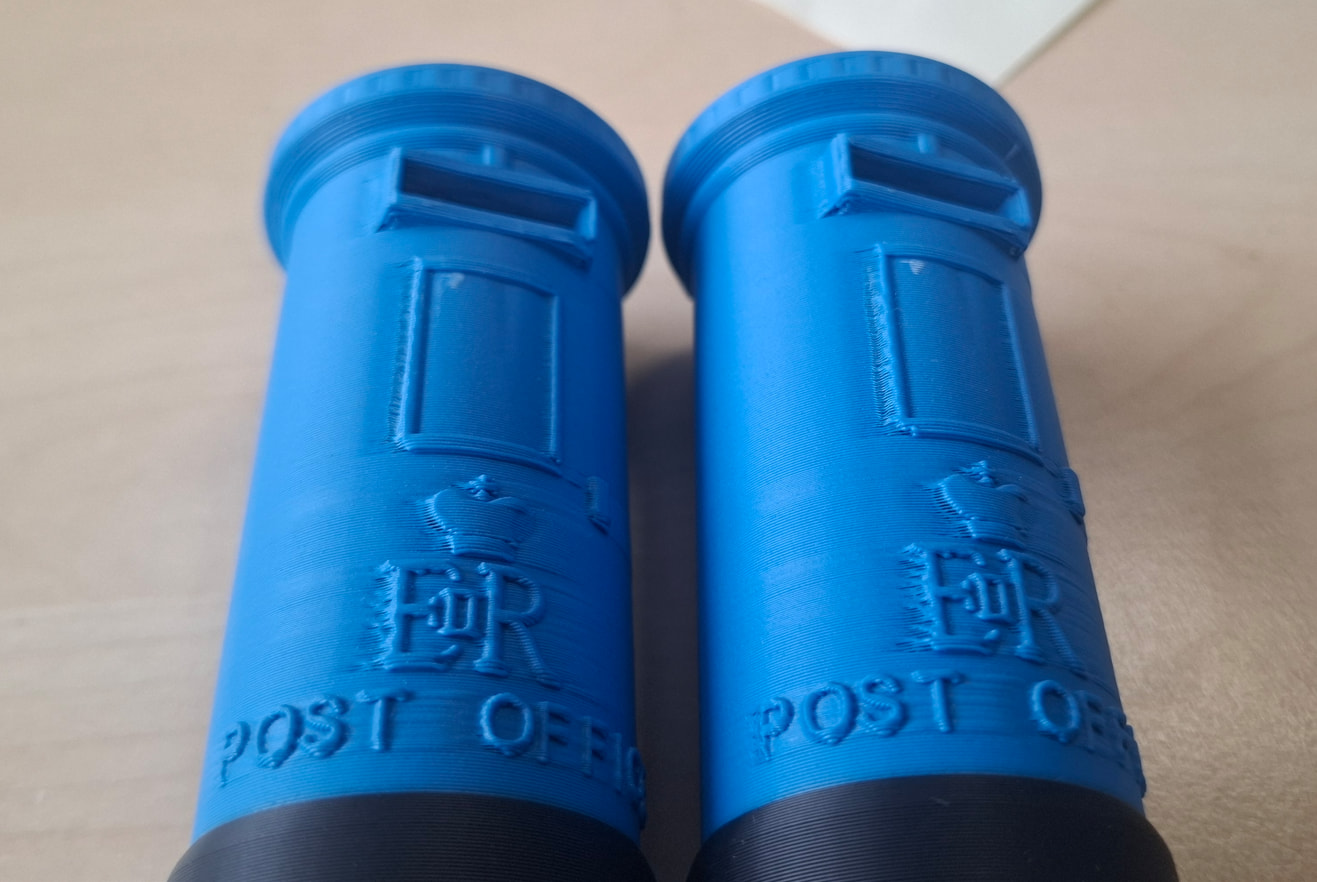
Using P1S. I think its on about 200 hours. I have been printing these post boxes. Ive done about 15 of them and they are all ok. But now im getting this weird layering. Not sure how you would describe it. See pics. The seam seems particularly bad and feels weak and thin. I can literally flex the material in with my fingers.
Filament is PLA basic. Ive re-run the calibration and bed levelling. Tried a brand new reel of filament. Tried some different slicer settings. Manual and automatic supports.
Im a beginner with the machine so Im using pretty much everything default. One minute it was printing all good and now not.
Anyone got any ideas what the issue might be? I read somewhere to do a full calibration?
Any help much appreciated, i dont really know where to go next.Many thanks.
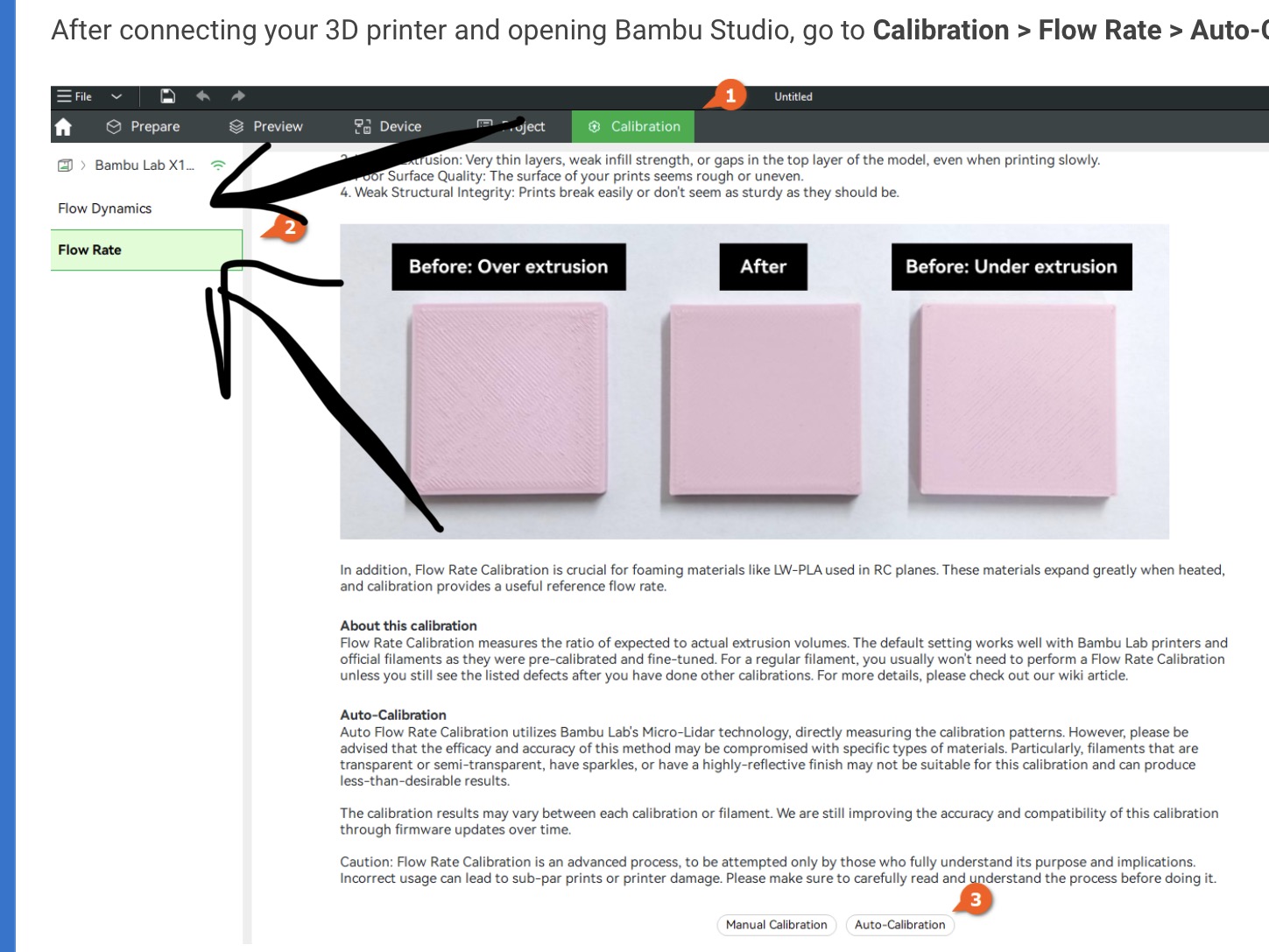
Is the filament really dry? Like 12h 45C. Also, have you tried doing the flow rate calibration and Pressure advance? If you want more info check the bambu lab wiki: https://wiki.bambulab.com/en/filament-acc
Hi Mprints.
Thanks for the info. I will give that a go later. I will also do this “cold pull” thing that i read about. I actually have a new nozzle as well so i might just put that in. But i will also do the flow rate calibration. I didnt know that existed, sounds like it could well be the issue.
The filament was brand new out of the sealed packet, so im pretty sure its dry.
Thanks again.
Regards
James
Be careful with that, since brand new doesn’t mean dry. Many times I’ve received the filament wet.
Ok thanks. I have a drier box so ill put in on to dry for a few hours.
I have always assumed that the filament is dry right out the box. I have yet to receive a spool that challenges that assumption.
If the filament was wet, the imperfections would be random, not just at the edges. This may be more related to ringing. If the printer was printing just fine before, it may be something has become loose. The wiki would probably tell you to check the tension of your belts or check the stability of your printer stand.
Every spool right out of the box gives up plenty of water in my dryer. When I was weighing them it was on the order of around 3g of water. I quit weighing but still see a big humidity spike during the dry.
A cheap scale will let you see the same thing depending on how good your drying is. You can also just use hygrometers to see how wet filament is. Stick spool and hygrometer in a ziplock or Praki container with a hygrometer, seal it, and read the humidity after the reading stops changing. Bet you see 30% or above.
You need to understand that your casual observations are giving you the wrong impressions about filament. The assumption that filament is dry right out of the box is easily proven as wrong. You are just propagating more misinformation around filament, Ed.
It’s simple to prove this to yourself. You just need to get past this stuff not being visible to the naked eye and needing to use some kind of test or meter to quantify it. You are lucky that what you print and your environment don’t challenge your misconceptions around water but you do have a number of misconceptions and those lead you to post bad information for others.
Happy to explain this stuff but you can test it yourself and see the effects for yourself quite easily. Most here understand that new filament can be too wet to print well. Those bags used for most filament are semipermeable to water. The packs of desiccant are to try to grab most of that water and keep it out of filament. Thing is, the bags look still under vacuum because nitrogen and oxygen can’t fit through the pores in the bag as easy as water. So even though water can get in, the bags still look under vacuum - when they really aren’t for what matters - water.
For proper drying, if using a typical dryer, you might try propping the door open about a half inch to an inch to help let the humid air out during the initial humidity spike. Once the humidity has come off that peak, dropped for a while and then has stalled, close the door. Humidity will continue to drop some but it will be slower. It’s not uncommon that people dry for 8 hours or longer.
Most drying instructions tell you to put the spool in at a certain temperature and let it soak, but they don’t do a good job of letting the water out. That’s why propping the door open really helps the dry. There are door props on MakerWorld. They can really help out a dryer.
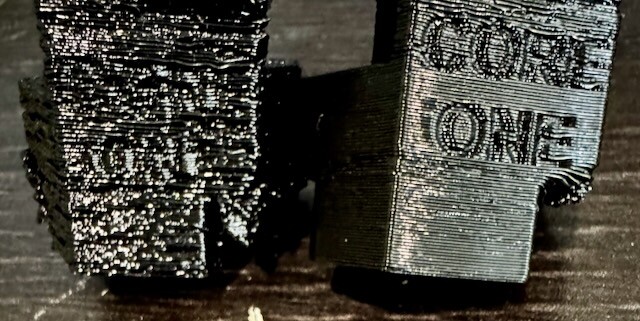
Water effects are insidious. The issues in your photos look like slight water effects to me but it’s hard to diagnose remotely. Water issues also tend to gradually creep in. Filament absorbs water over hours and days and can also be driven by weather changes raising ambient humidity. It isn’t uncommon at all for people to come here saying things used to print fine but print quality has declined.
But even if it’s not water, it’s easy to rule water in or out with drying properly even if using the printer’s heated bed. It’s much easier than rebuilding your printer.
I have an A1 and the filament spools hang on the AMS lite for weeks, sometimes months at a time. I also have an X1-Carbon where the filament sits in moisture controlled AMS units. For small multi-colored objects, the A1 one tends to be the better printer.
There is a simple test to determine the amount of water in a substance. One only has to run an electrical current from one electrode to another and then measure the conductivity. The quality of the water effects the conductivity because pure water is non-conductive. It is the motion of the ions in the water that is measured. It works really well on wood because wood can hold large amounts of water and the quality of the water tends to be known and consistent. But on PLA the amount of water is so miniscule that it requires very precise, and very expensive, equipment to obtain accurate readings.
If someone lived in Arizona, New Mexico, or eastern Colorado, to dry their filament they would only have to sit it out for a few. Pretty much every location where swamp coolers are effective, drying of one’s PLA filament is rather redundant and mostly unnecessary. Humidity is relative which is why they call it “relative humidity”. I’m not sure of the exact ratio, but it is something like when Miami and Seattle have the same relative humidity, the air in Miami has twice the moisture as does Seattle’s air. Which is why the Southeast is muggy while the Northwest is not, even though the relative humidity in the Pacific Northwest tends to be higher than elsewhere. Plus the fact that the Pacific Northwest has much cleaner air than does the southeastern US.
Ed, there is so much wrong with your conclusions and explanations that you just keep opening up the equivalent of p-chem lectures.
If you would just ask first instead of going out on a limb and sawing it off, you’d do much better.
Conductivity is not the only way to measure moisture content. The desiccant and archival industries use relative humidity.
Deleted…
Just here to back up MZip. I dry plastic for a living, at an industrial scale.
The 3D printing community has a lot of misconceptions about how dry something is, or isn’t, based on observational logic rather than data driven testing. Sometimes that’s OK and results in the right conclusions, sometimes not.
A lot of people are “accidentally” (but consistently) drying their filaments REALLY WELL. Like, to manufacturing levels of dry, and a lot of other people are drying them really poorly, and in many cases both groups are using RH sensors that stop at 10%. It goes WAY deeper than that.
RH is an OK metric. I don’t like it, but it works if you know what you are looking for and how to recognize what’s happening as RH climbs or falls. MZip clearly does.
I started this because I was offended by the way you rudely dismissed the lived experience of another poster. It seems to be a regular practice around here — the narrow thinking that is. It is as if there is a 3D printing orthodoxy that is inflexible to reality. That there is a right way to do things and everything else is heresy. Yet this forum is full of tales from people, who after having done all the prescribed steps, are still have frustrating print outcomes. Why is that? Perhaps the advice coming from the orthodoxy isn’t all it claims to be.
Meanwhile, I don’t dry my filament, and I never use calibration towers or cubes or whatever and the parts I design tend to print exactly as expected. Oh, the horror of it all!
I guess that’s fine for PLA. Have to qualify it though for other materials. PC, PA etc you most certainly have to dry them. Also some filaments like ASA, PC etc shrink a lot and you’ll find that screw holes or parts don’t match up or holes are not within tolerance because the extrusion multiplier is wrong or there are gaps or layer separation because the max volumetric flow is too high. Really depends on your use case I suppose. If you are printing a coat hook, doesn’t matter. Printing a long bar that attaches to pre-drilled holes in a metal frame? Probably does matter.
Lived experience but framed in very misleading context - both of you. You were claiming rainforest humidity and everything prints great when in actuality you use dryboxes. After questioning your humidity you fessed up that where you print and store is at 30% humidity and not the 100% you specified for your “rainforest” environment that prints PLA “great”.
That wasn’t dismissing his or your experiences. It was the conditions both of you presented did not seem credible. Lived experience is extremely valuable but ONLY when the conditions are related accurately. That’s what makes lived experience valuable, isn’t it? Or do you prefer inaccurate relation of conditions to help guide you through printing issues?
It had nothing to do with you or anyone posting lived experiences. It had everything to do with presenting them with misleading and inaccurate conditions surrounding them.
And it’s way past time to be done with this. Some do have water issues and those can manifest different ways. I still suspect moisture might be the OP’s issue. But maybe it isn’t.
Hi All.
Seems i opened up a can of worms with my post! Anyway, this is what ive done so far.
I used another new spool of pla basic. No difference in print quality.
Rather than mess around, i thought i would just put the new nozzle in (same as old one) and test with that. So i have a brand new nozzle. The spare one that came with the printer.
Absolutely no change in print quality.
So i believe i have eliminated the nozzle as an issue.
Next steps. Im try to do this methodically.
- Dry filament. The can O’ worms seems to have differing opinions but i will dry the brand new spool for about 4 hours. I have a heater box. I’ll also make a note of any moisture i can see. Or not see. And actually, i think i have a RH monitor, i will see if i can stick it in and make some notes.
- I will run the pressure calibration test as was suggested by Mprints. Maybe should have done that first?
Is there anything else anyone can think of?
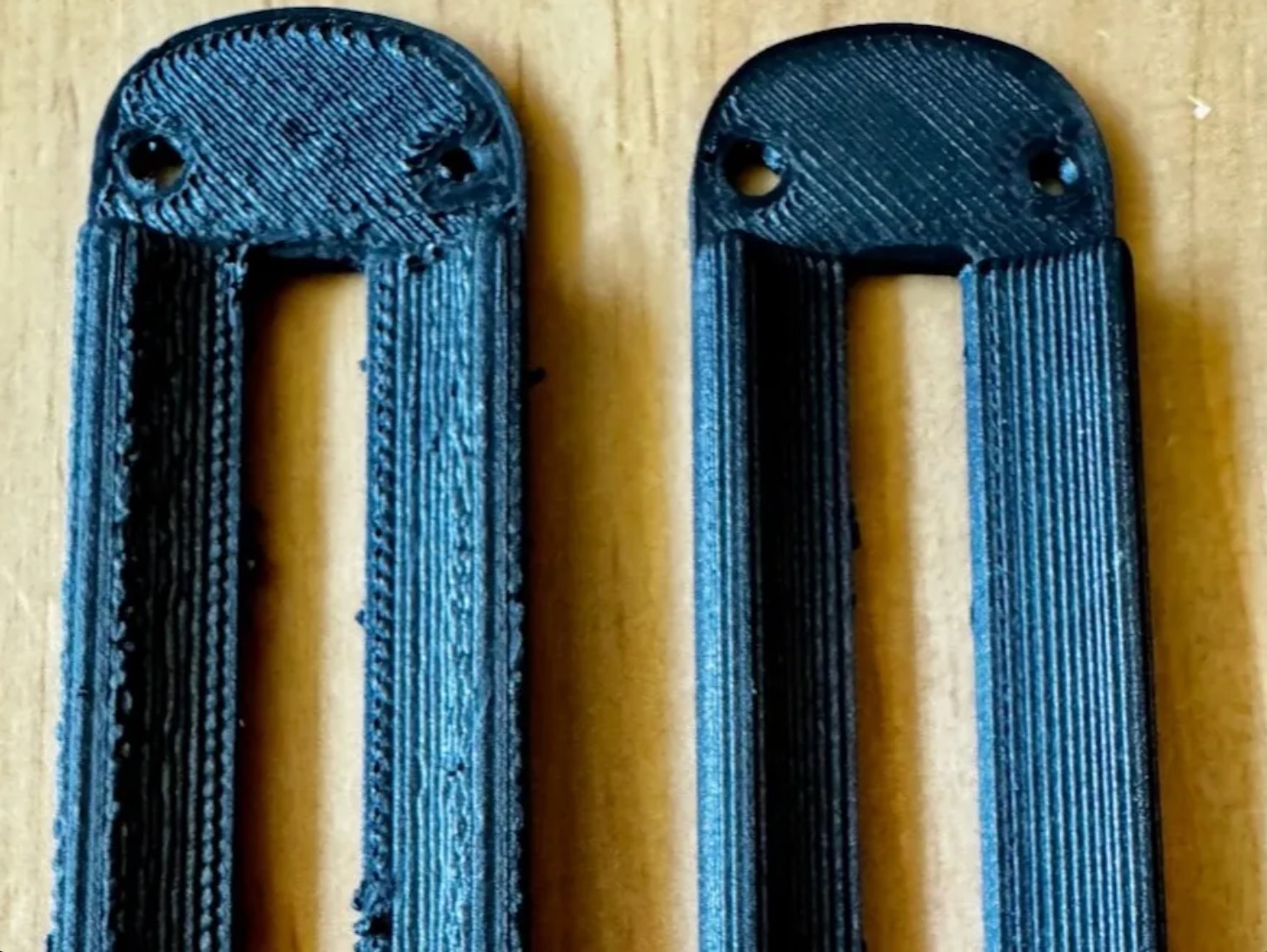
The one on the left is the original nozzle. On the right the new nozzle. Exactly the same issue.
If you have any silica desiccant packs, you can try regenerating the stuff in the microwave for about 45-60 seconds at a time, flip it over, repeat. Be careful not to burn yourself.
You can weigh it before and after if you have a scale and see how much water it loses.
You won’t see any moisture at all, its not something that’s usually visible unless you’ve got color indicating desiccant.
At any rate, after running the drying cycle and while the filament is still hot toss in the regenerated desiccant. By the time it cools back to room temperature I bet it goes a long way to pulling out the remaining moisture. If you have a LOT of desiccant you can be really sure of the matter.
I had a similar issue that as best I could tell was material/setting related. I got that same sort of downstream sloppy backside edges when I would print a model with PETG but not with ABS and both filaments were dry. I didn’t pursue trying to resolve, I just printed in ABS in that instance but I was mulling over whether it was related to filament retraction or speed as it sort of seemed (to me) that it was drooling filament around those turns because it was always on the backside like in your picture. That raised square has a clean edge on the leading side and the back side was always where it manifested itself.
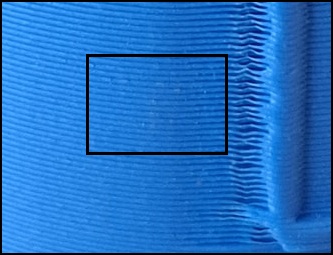
Zooming in though it does look like the “bead” is really thinning out to such an extend that the layers have open gaps. Also if you zoom in you can see how the filament is not maintaining the desired diameter.

This “bumpiness” can be a sign of moisture, albeit mild here. Those bumps can be a lot worse as the moisture of the filament goes up.
Water boils at 100ºC so it is way beyond that temperature in the nozzle and any moisture is going to flash off once free of the confines of the nozzle orifice.
There are certain trigger words on this forum that attract a lot of attention. One of the primary ones is filament drying.
Hi Everyone.
I fixed it. I have to admit it was user error in the end. I had the external spool set on the machine to PETG as id been printing something in that. I forgot or didnt notice it was still set to that. So although my model was set to print PLA, the machine was set to PETG.
Stupid error i know.
Anyway, I learnt some good stuff. How to change the nozzle, cold pull of nozzle, calibrate materials.
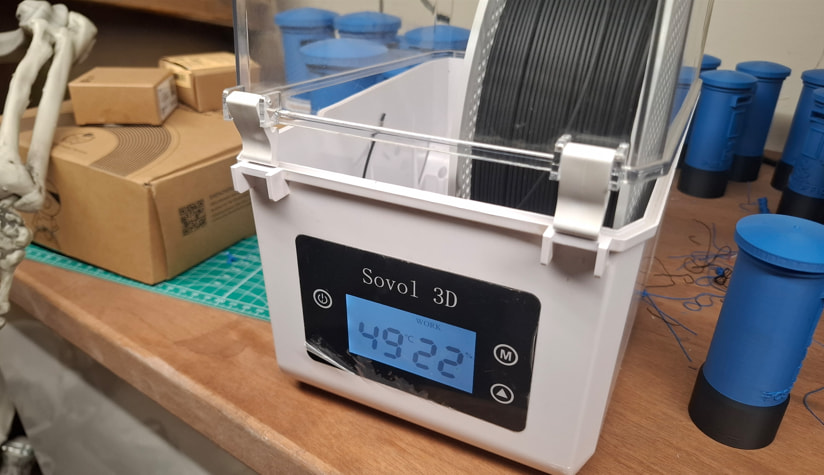
I also ran my new PLA spool through the heater. I put it on for about 4 hours at 50 degrees. After a while the humidity went to 22-25% which as people said seems to be quite high.
Anyway, many thanks for your help.