X2D is the least reliable Bambu Printer in our fleet. List of issues

TLDR; Avoid the X2D at all costs from an experienced Bambu operator.

Some issues I’ve had are universal, some will only happen for people using engineering materials, some will only happen if you are using the entire bed to the full corners, and many an average user printing dragons and trinkets will never experience. I wanted to make a post where I could point people instead of answering the same question in repetition.

My company bought 2 X1s at initial release. They were so much better than the Enclosed Prusas, Qidi Max machine, and Ultimakers we ere considering, we bought more. Print Quality improved, speed improved, reliability improved. Amazing.

We got an X2D to run engineering materials with dissimilar material support and for it’s internal heater. Something smaller and less expensive to run compared to our H2D.

It has been a disaster. Our first 500 hours or so were mostly trouble free. After that, it went downhill fast as we started using engineering materials.

We have 10x the number maintenance hours / operations hours of any other machine .

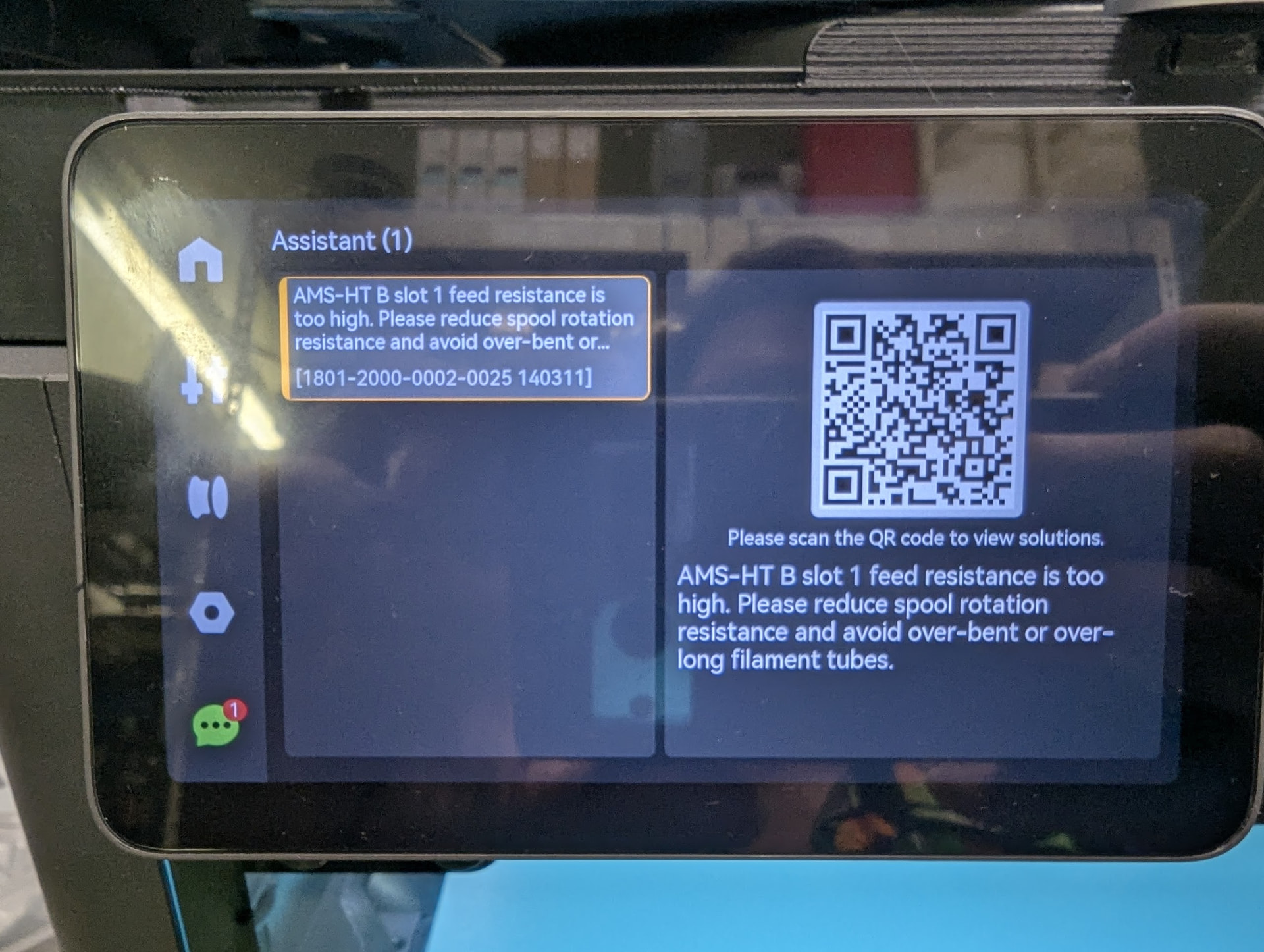
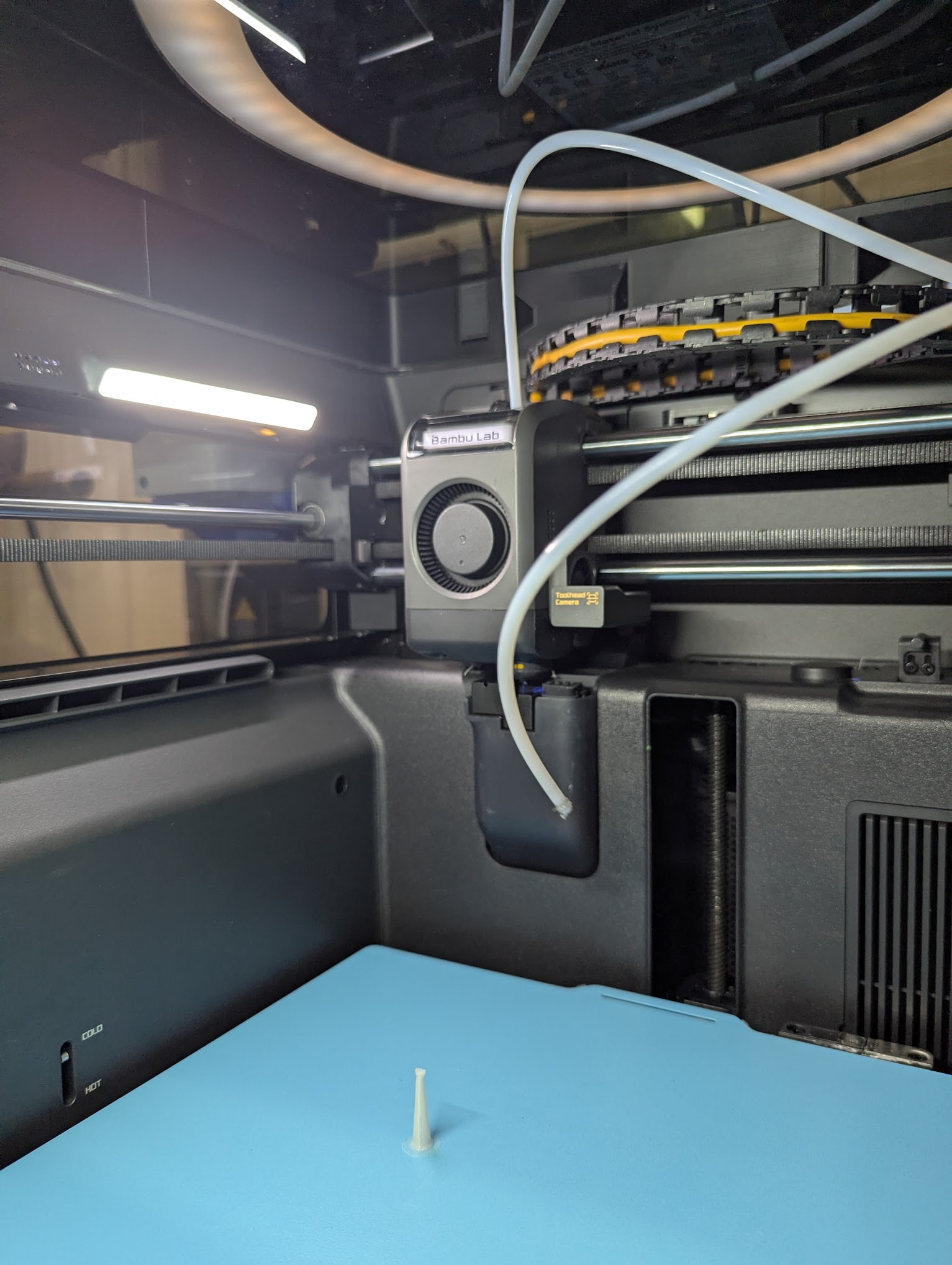
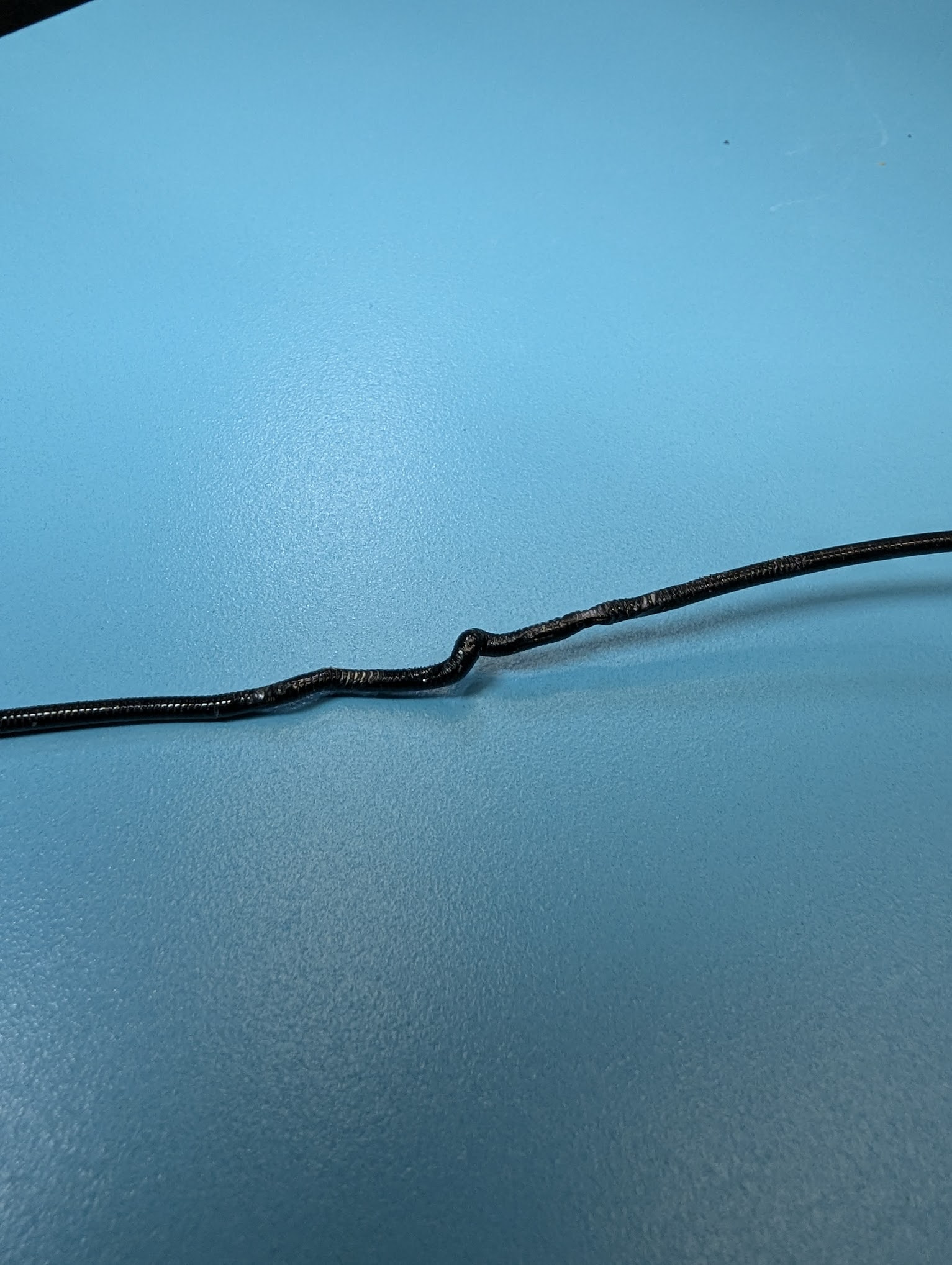
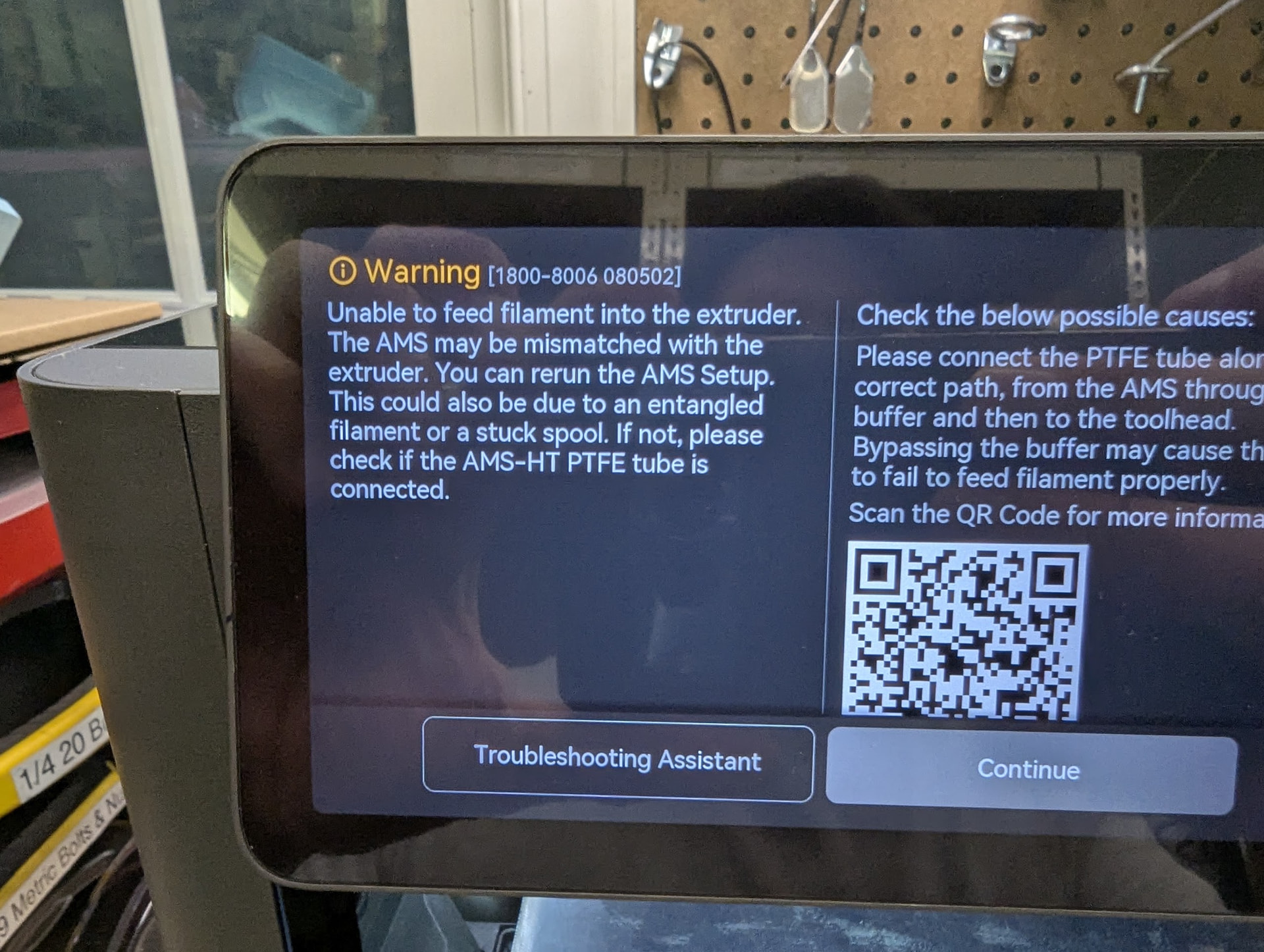
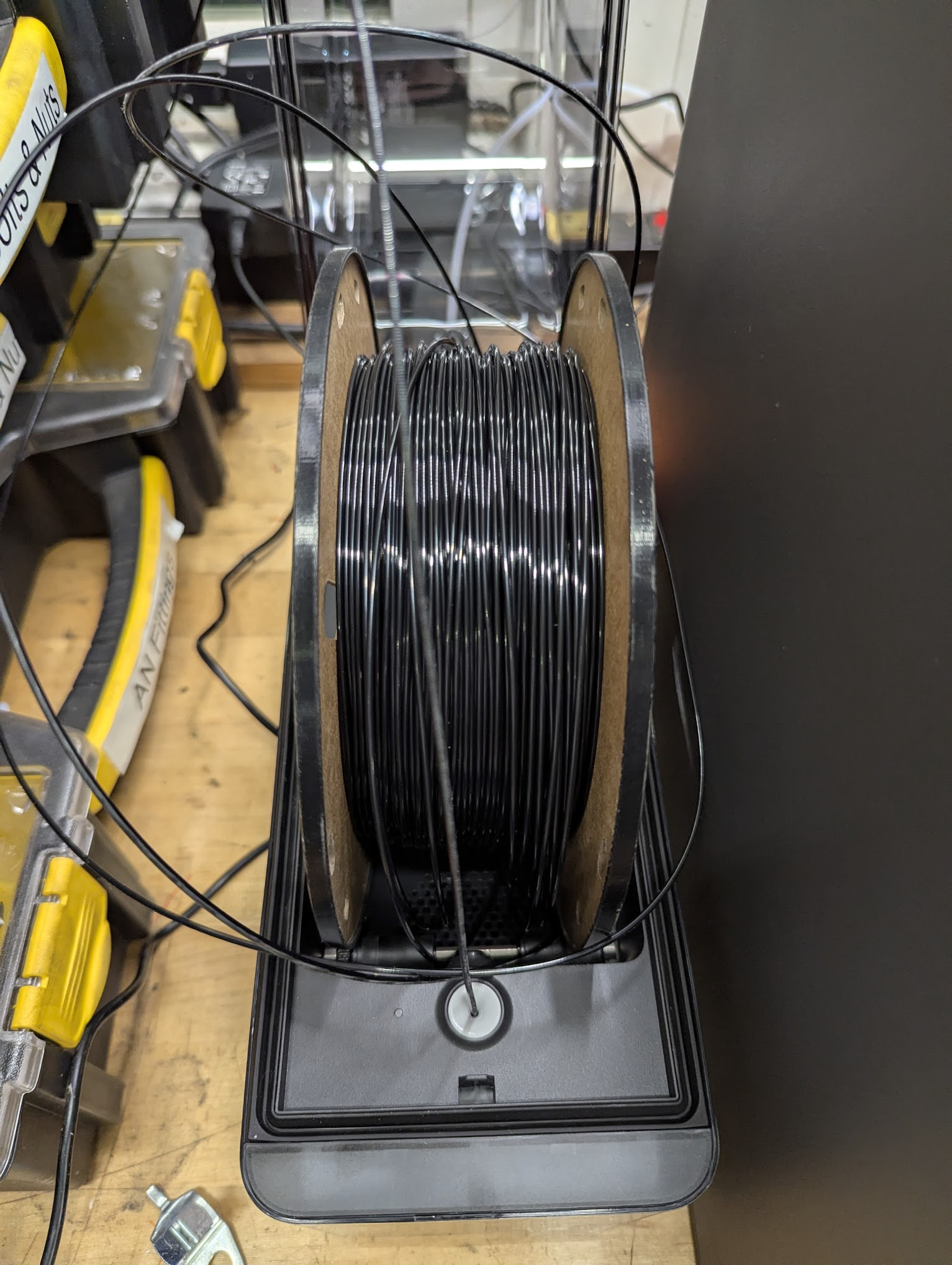
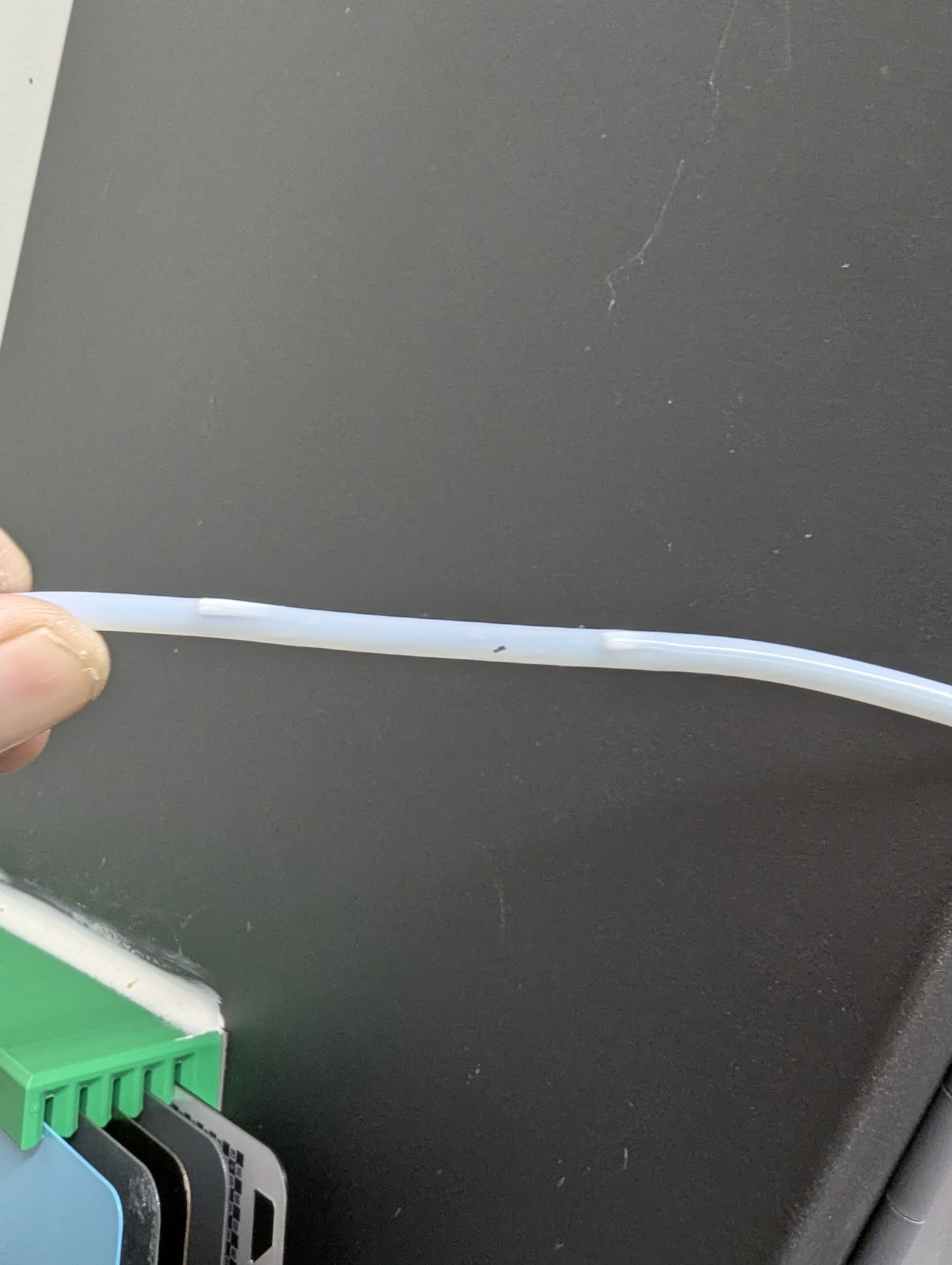
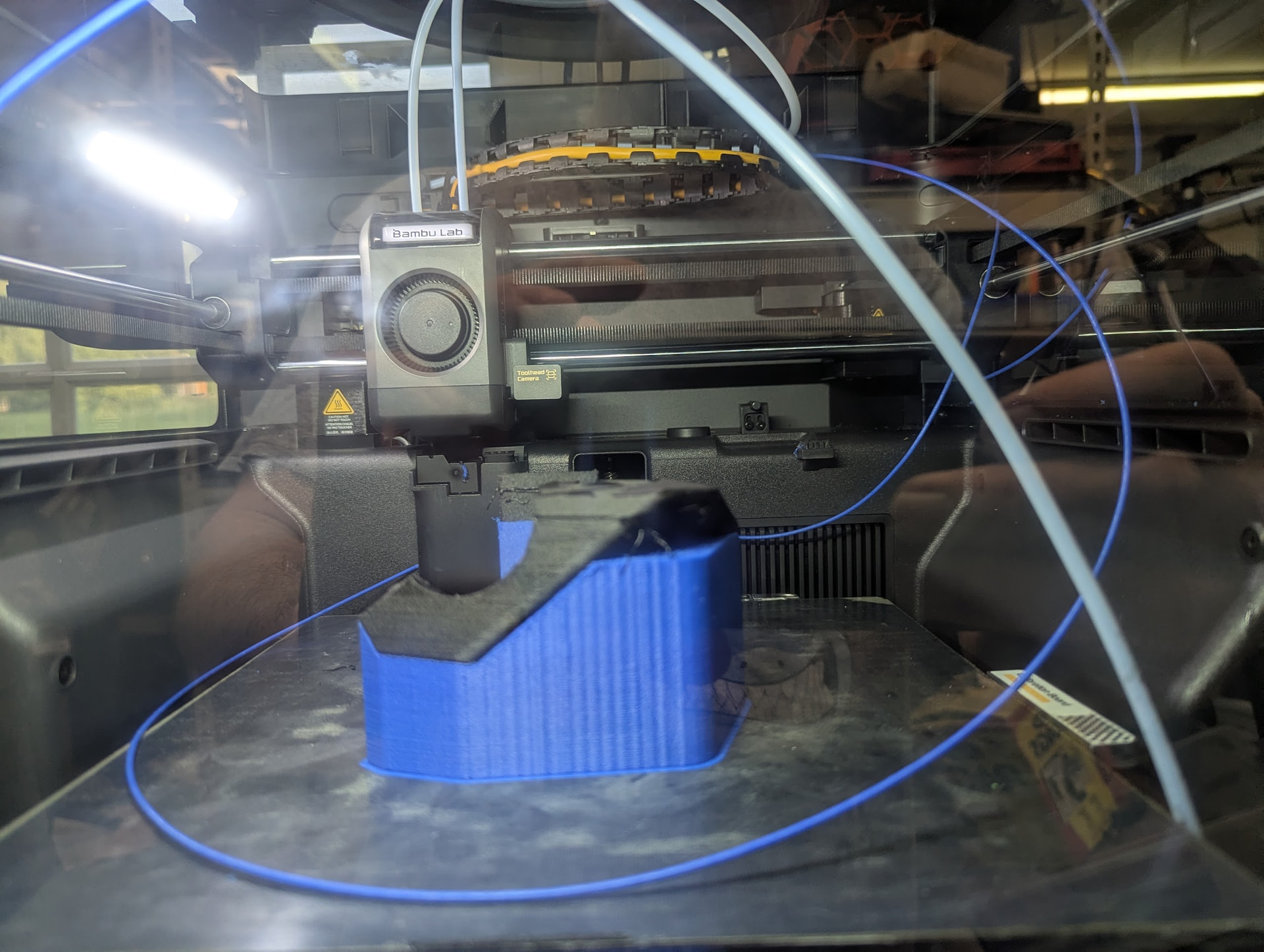
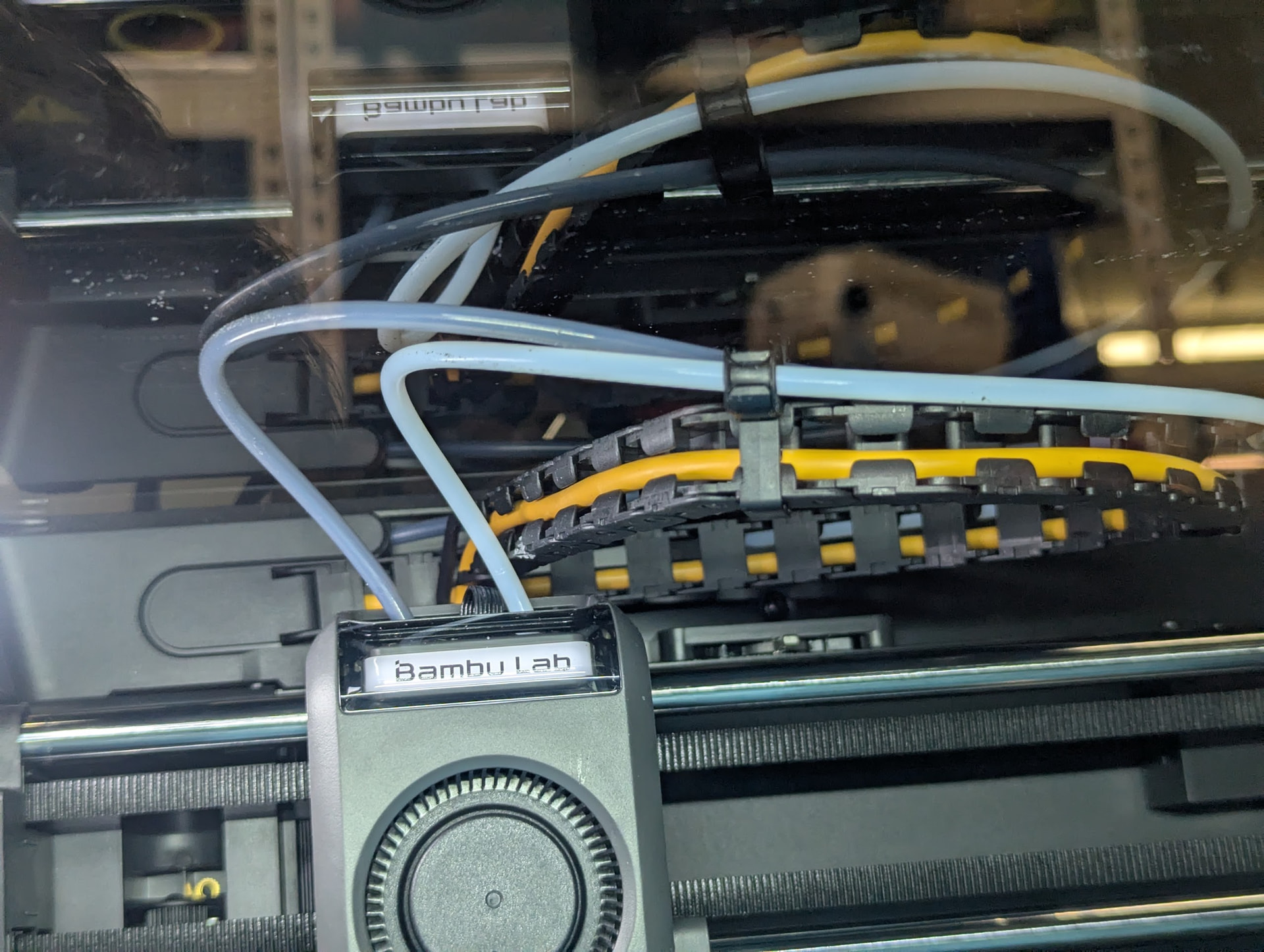
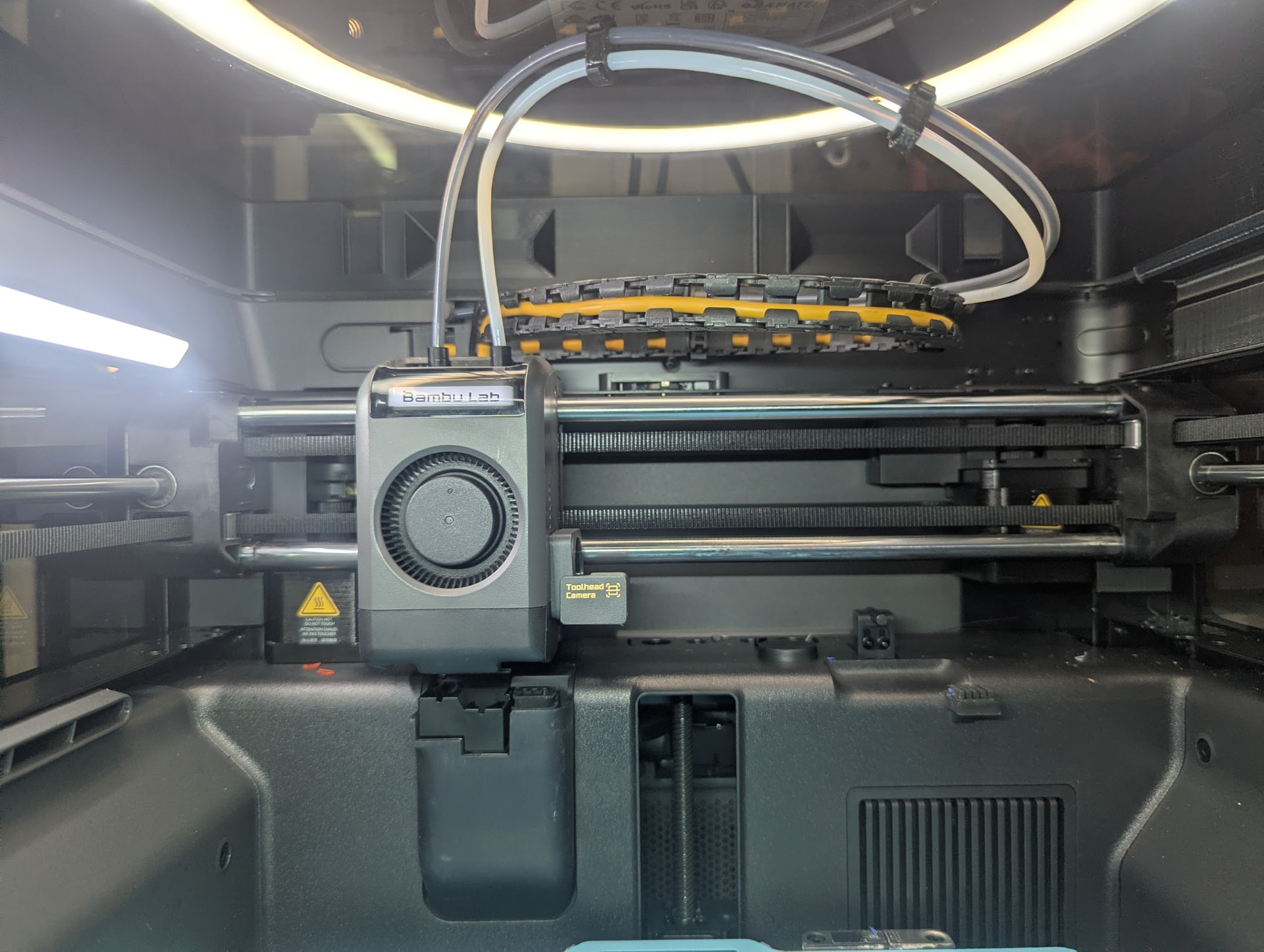
  1. The tight bends, lack of strain relief, and lack of proper PTFE tube path control is absurdly bad. As it arrived, nearly none of my filaments would load reliably from AMS 2 Pro, AMS, or AMS HT sources. A riser and tube management is a fundamental requirement for this printer for engineering materials and/or if you use the bed to all 4 corners.


    vs


    So much of this error. So, so much.

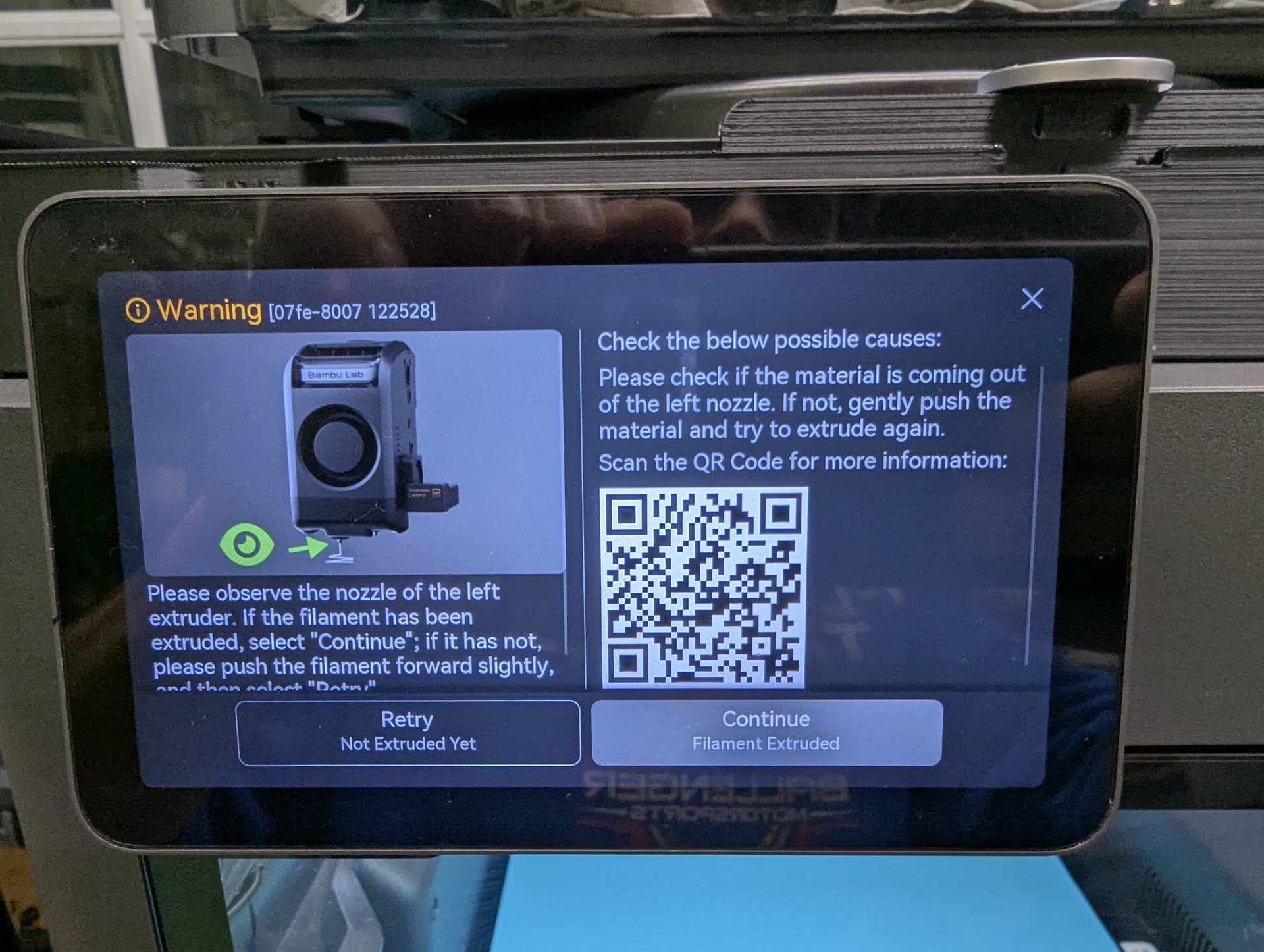
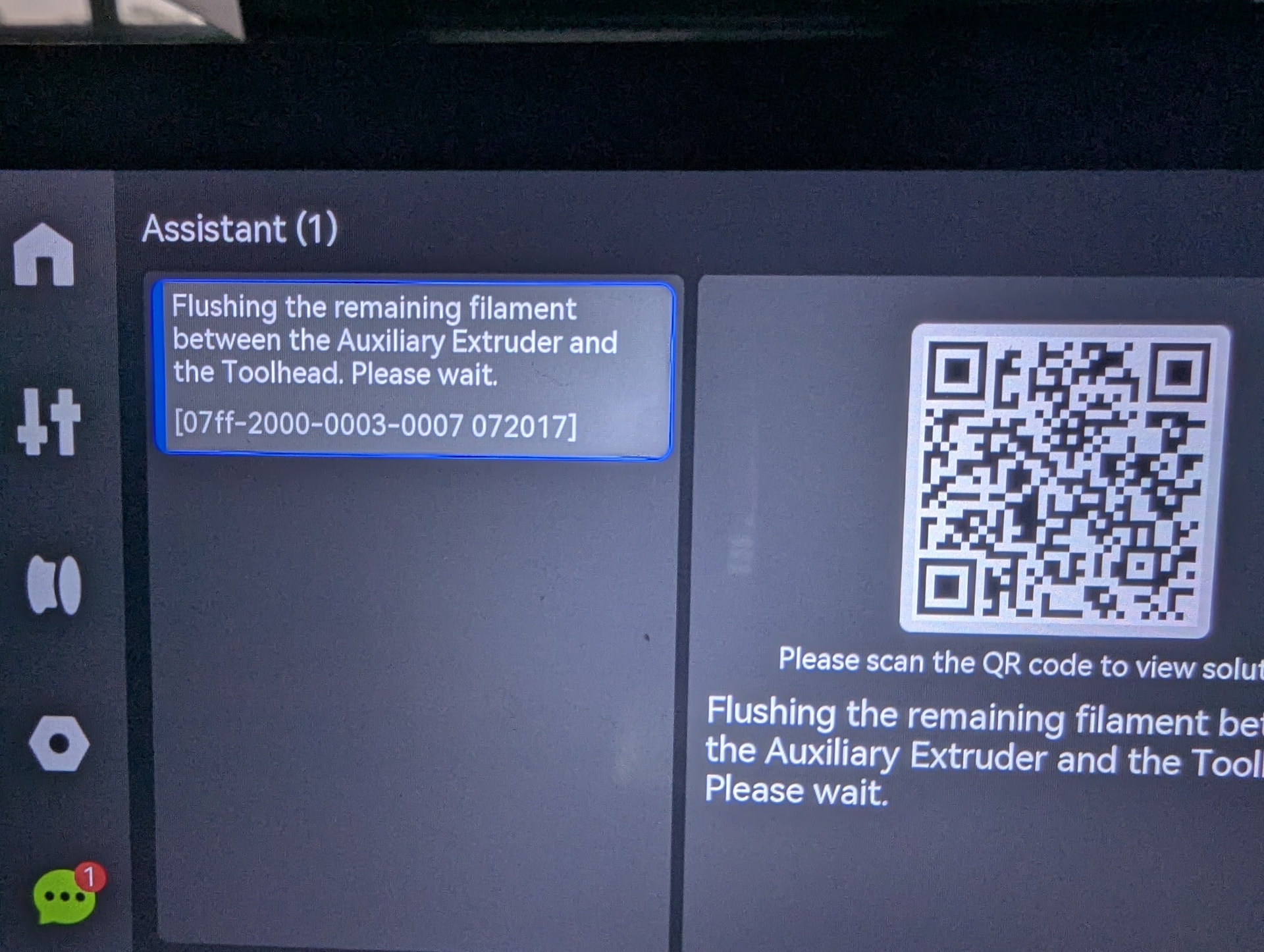
  2. Filament clicks and won’t extrude with the load command in the Printer UI. The filament is set to PC. The temperature the printer chooses for this operation is 230C. This is well below the temperature range of the filament.

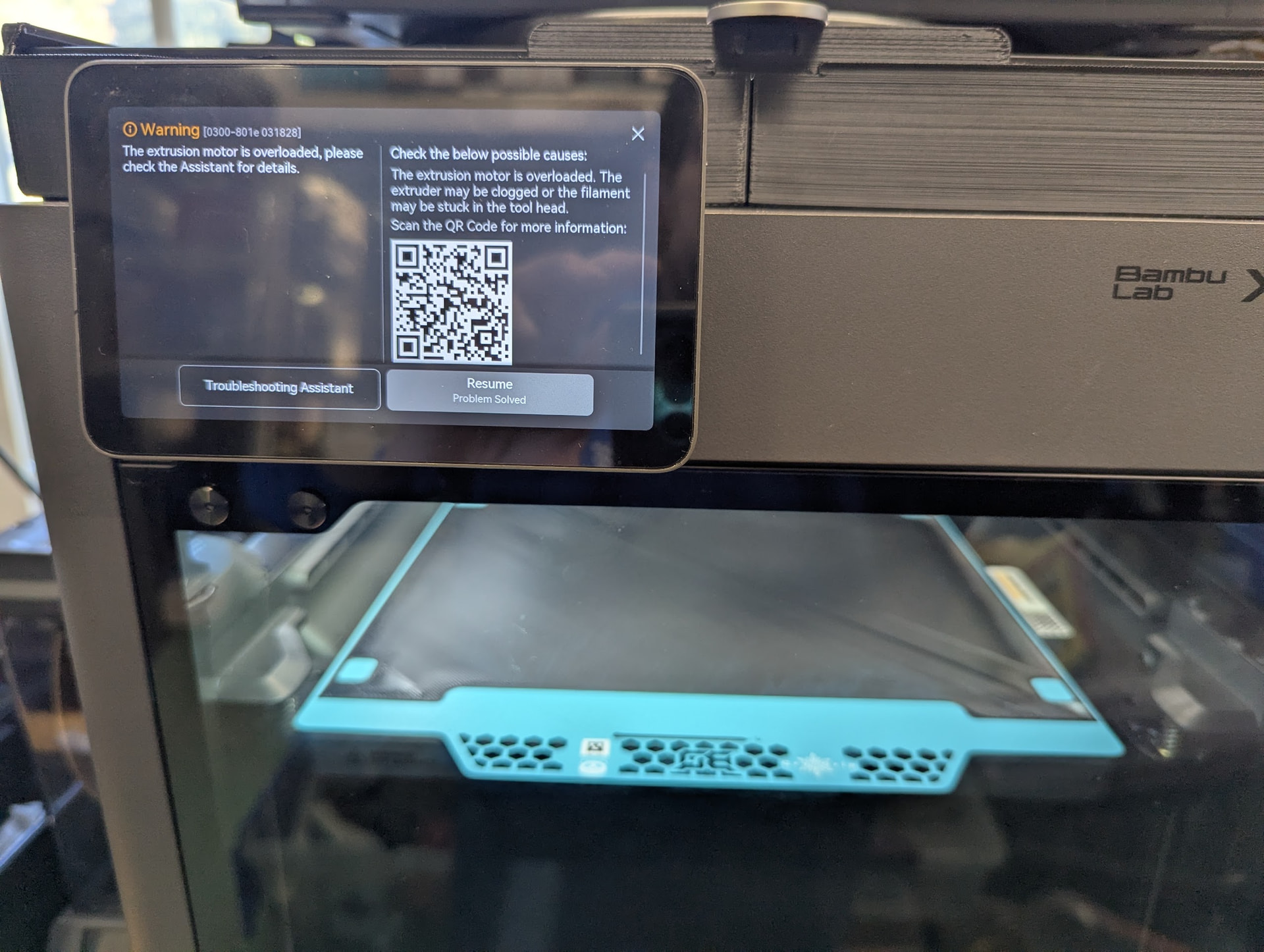
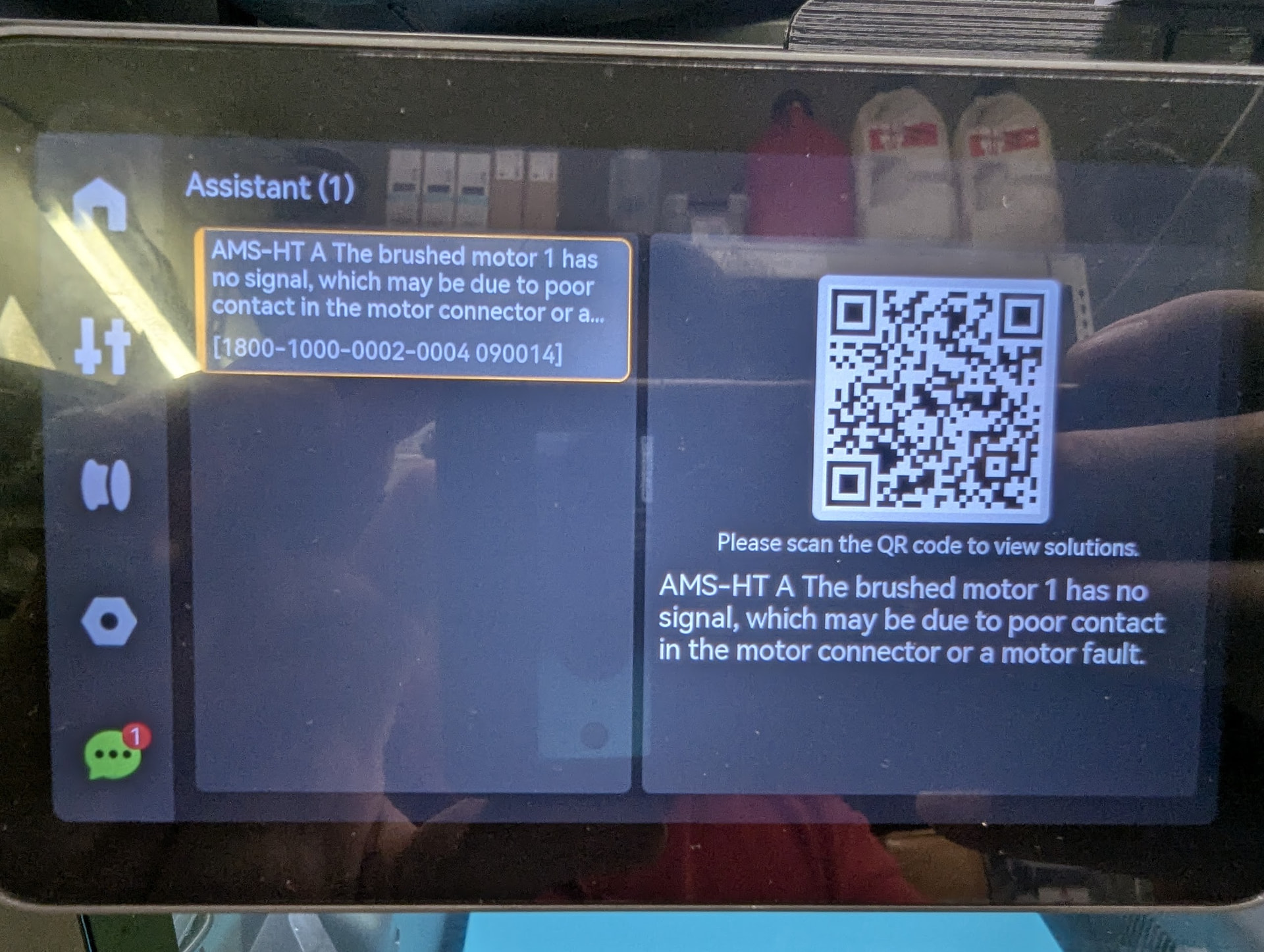
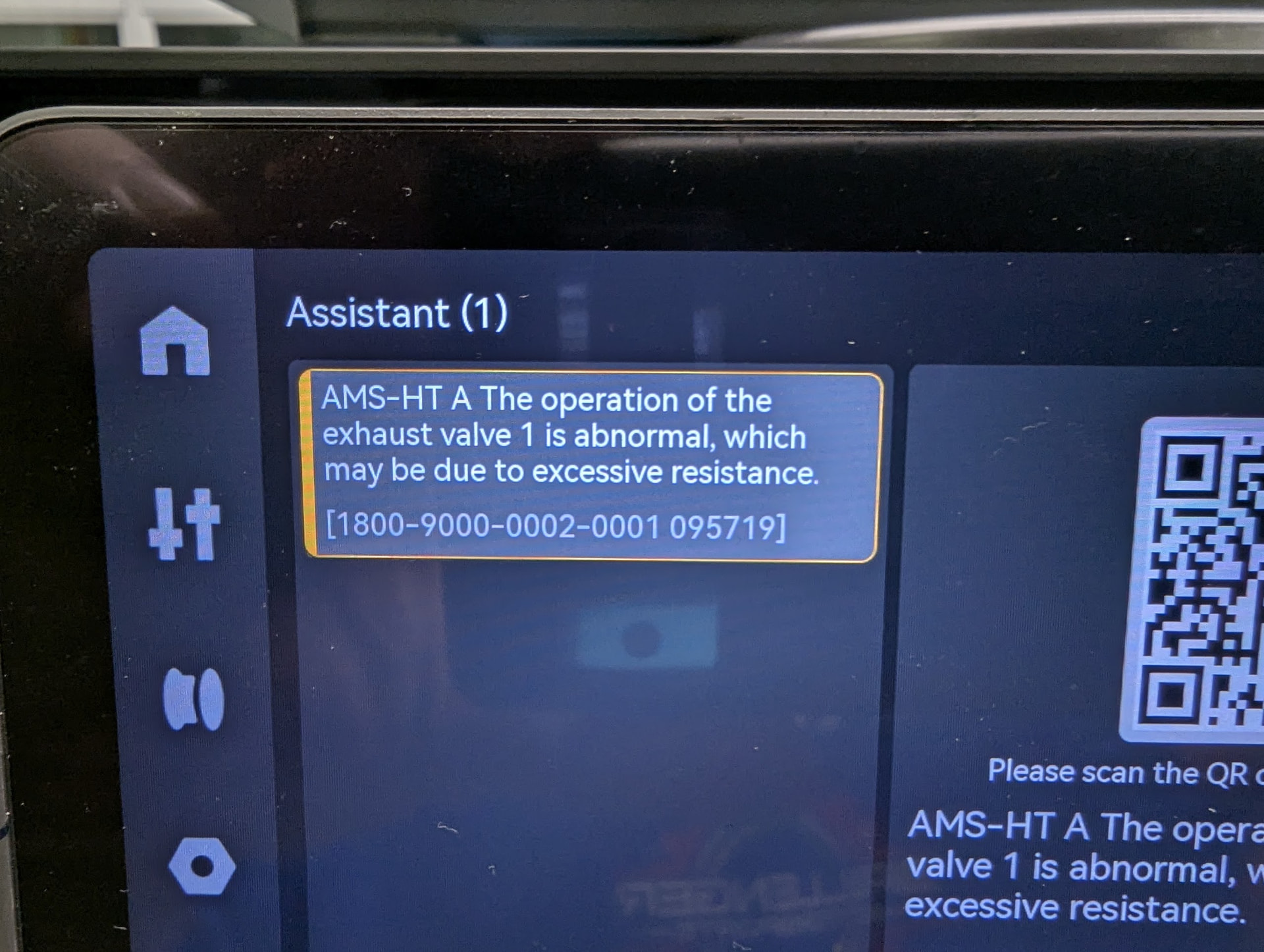
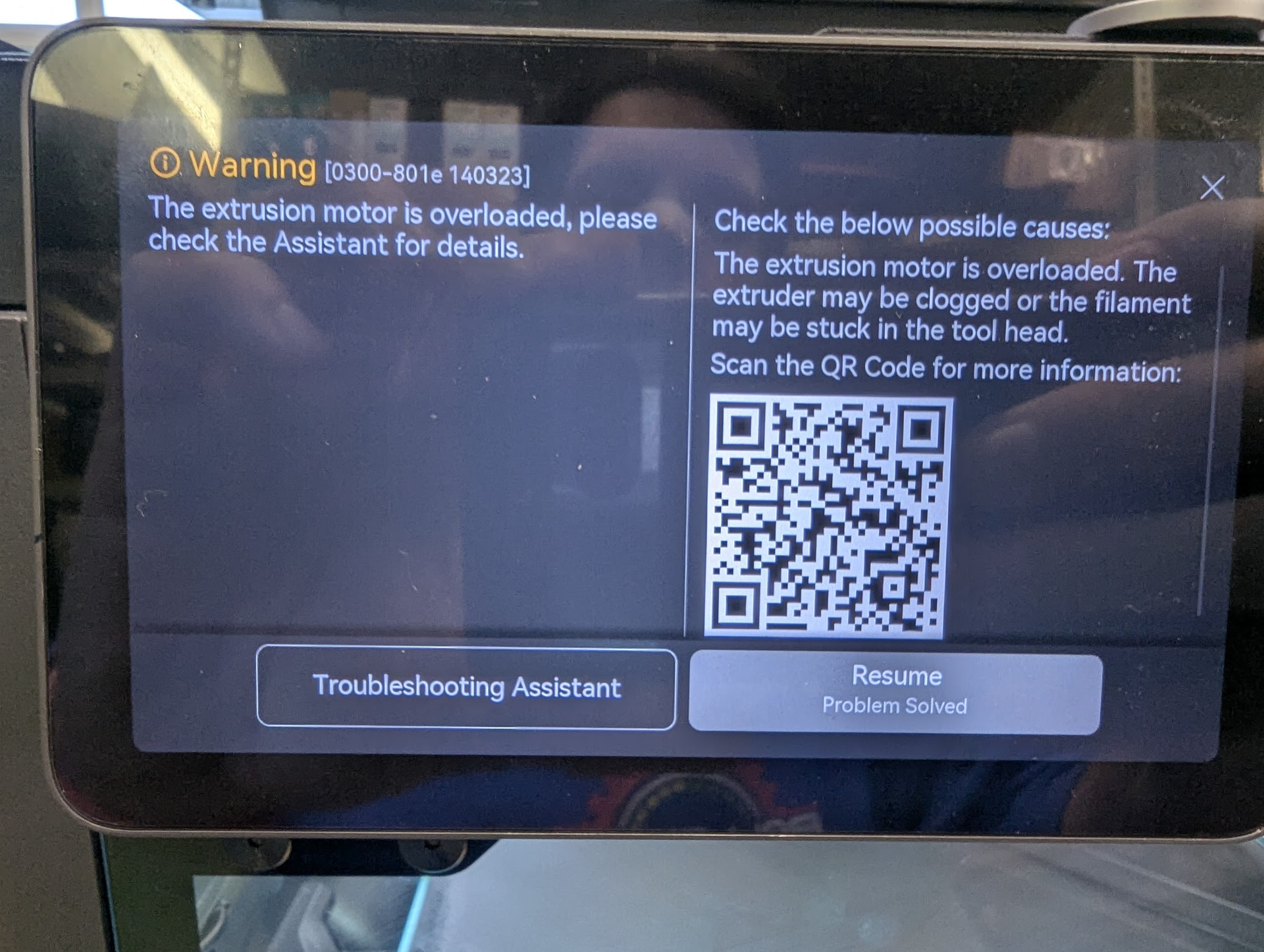
  3. Random motor is overloaded errors. This was likely from a desiccant in the middle of a roll in the AMS 2 Pro. The error message isn’t clear regarding which motor where so you have to debug it yourself.

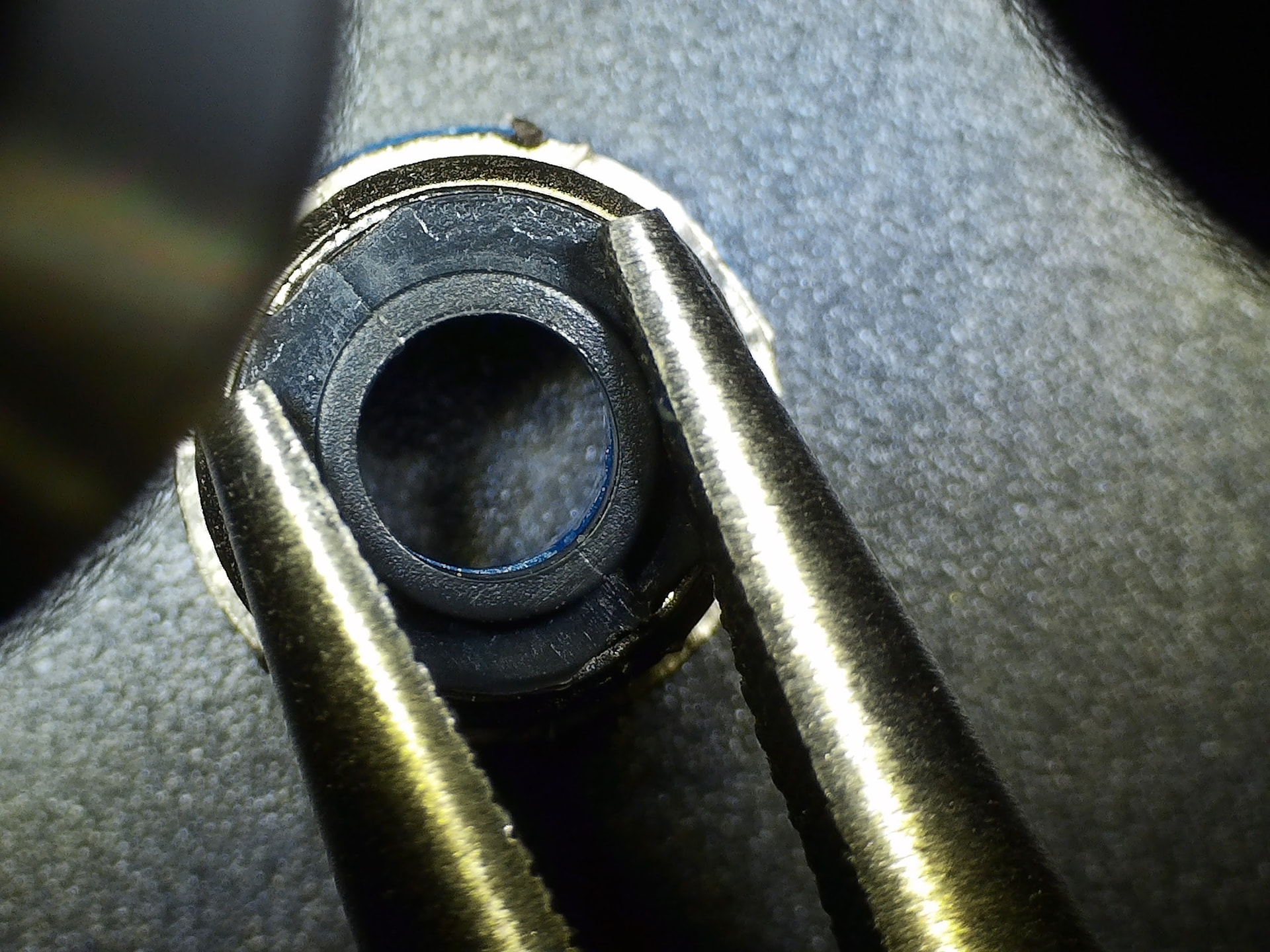
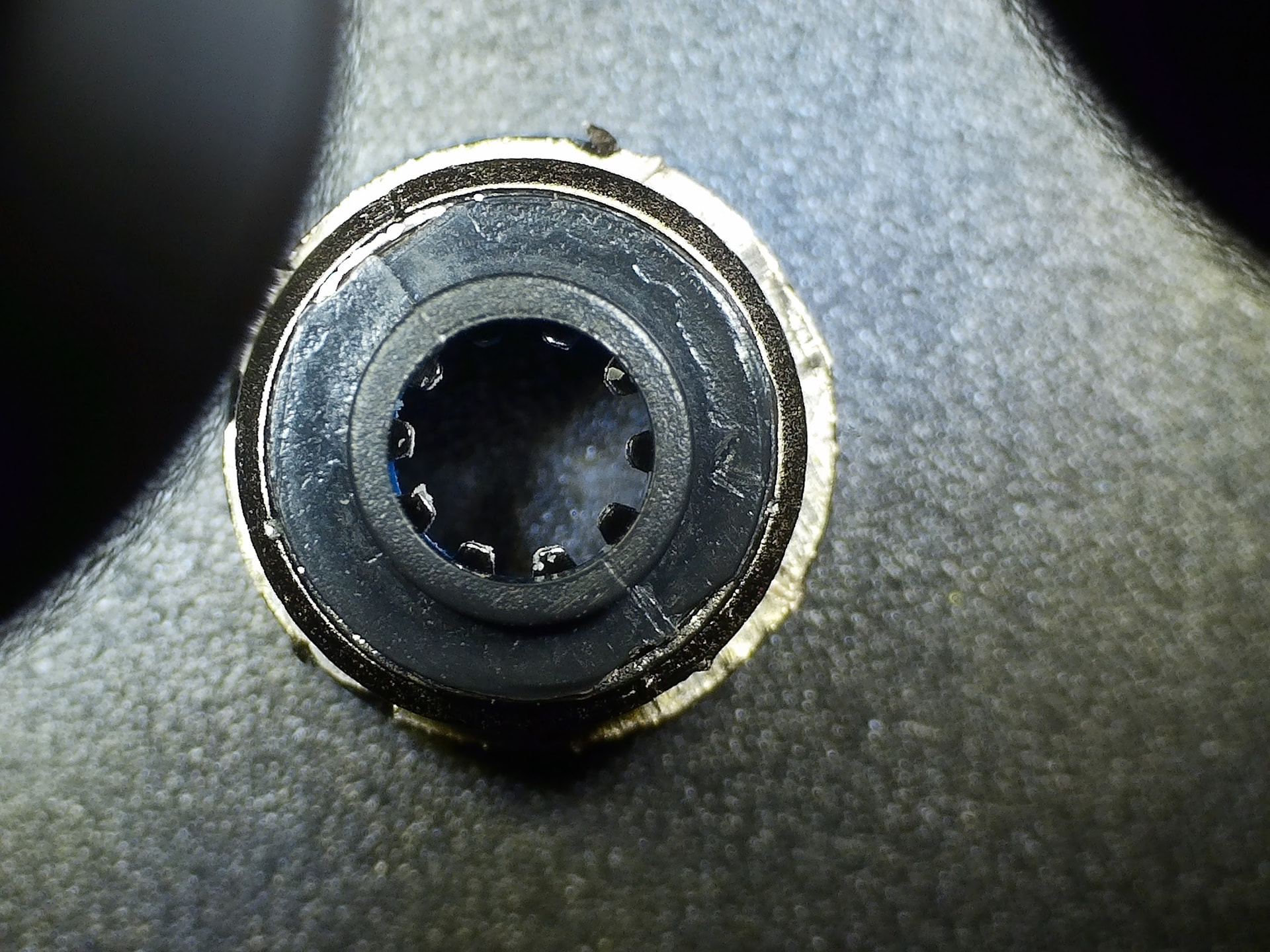
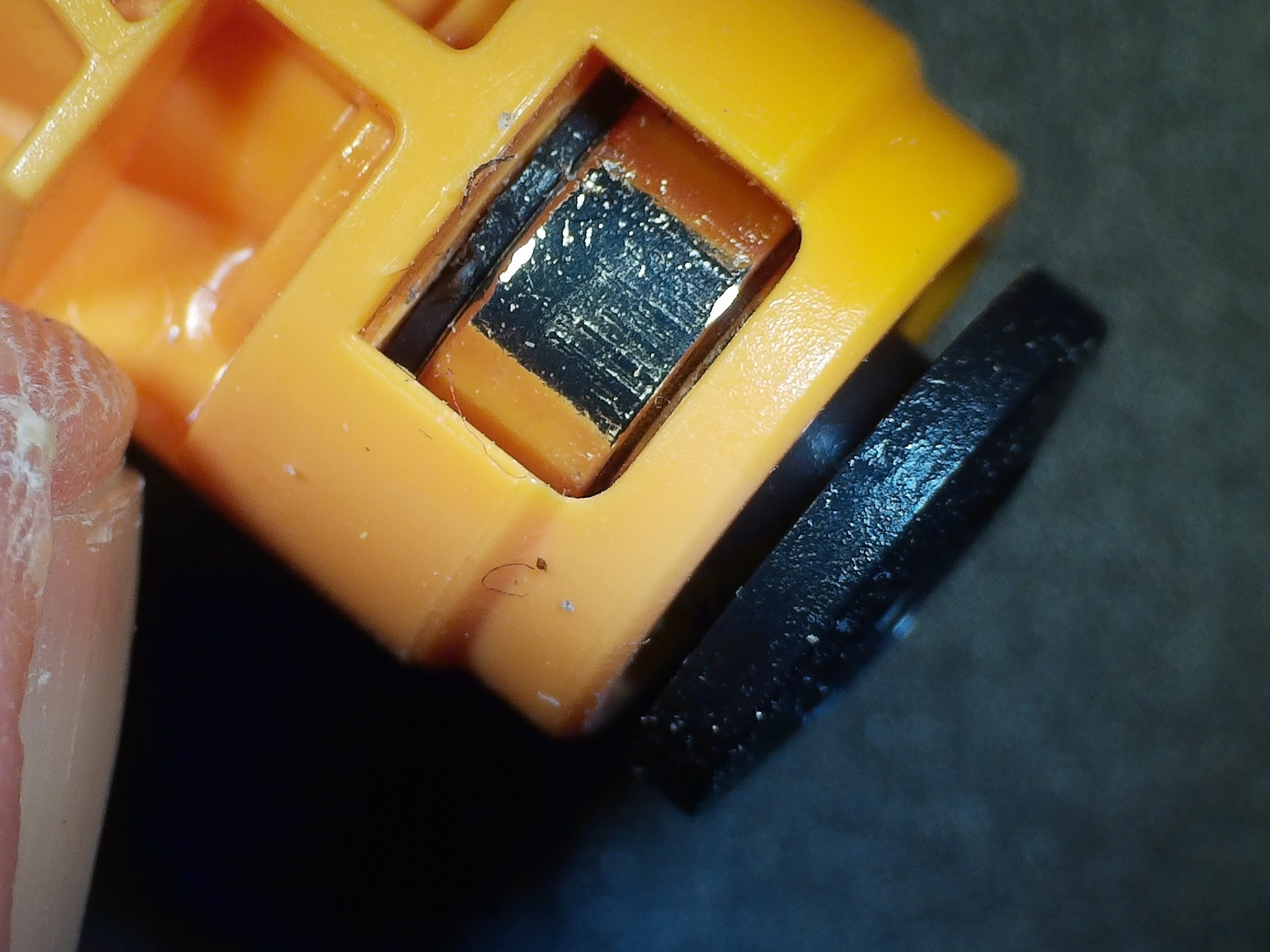
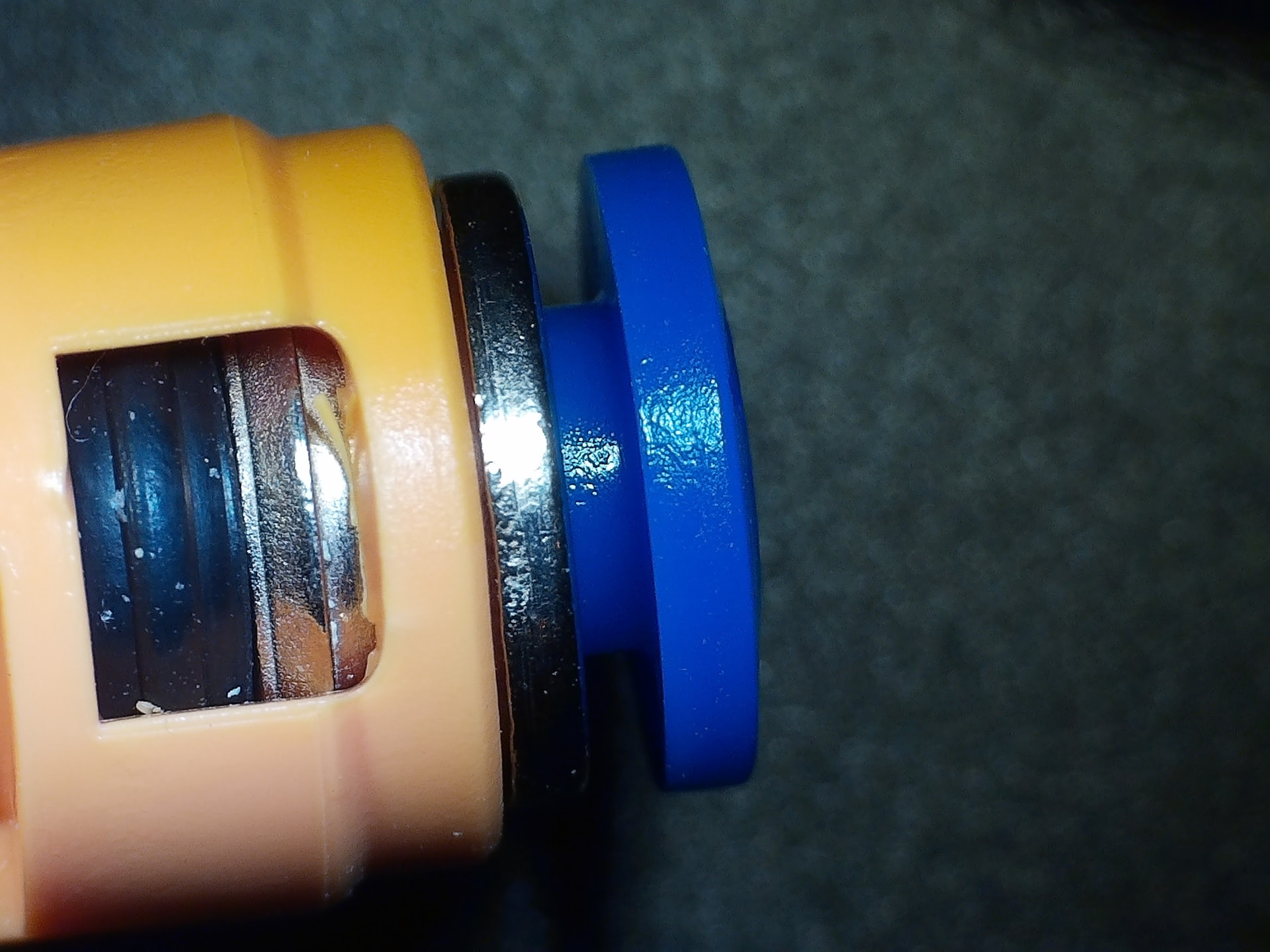
  4. The compact spring clip Bambu designed fails prematurely. Failed at ~800 hours on the X2D. Spring element simply worn out. No replacements available. Cannot buy the left filament sensor as it’s out of stock. Can’t easily replace the push release because it’s a Bambu only design that can only be sourced by tearing down a new 4-1 splitter. It’s also epoxied in. This is likely due to the poor filament path pulling on this spring element constantly.

  5. Poor control over the feed chain. If I have an AMS HT going into the bowden motor, all hell can brake loose. The Bowden extruder is at the back making it difficult to access and it can’t be seen. You don’t have real independent control of the bowden vs AMS motors. The is gaping logic holes in several scenarios that don’t have a solid manual recovery mechanism.

  6. AMS HT is unreliable. We bought 6 so far. The one with our X2D was bad and dealing with Bambu support was appallingly bad. I should have send the part back and charged it back if necessary. Instead, I let us burn hours working on this multiple times.

  7. AMS is unreliable pt2. This was a new replacement AMS. :melting_face:

  8. AMS HT requires modification for direct feeding while heating, you have to bypass the spool roller and drive motor to use it as a dumb dryer.

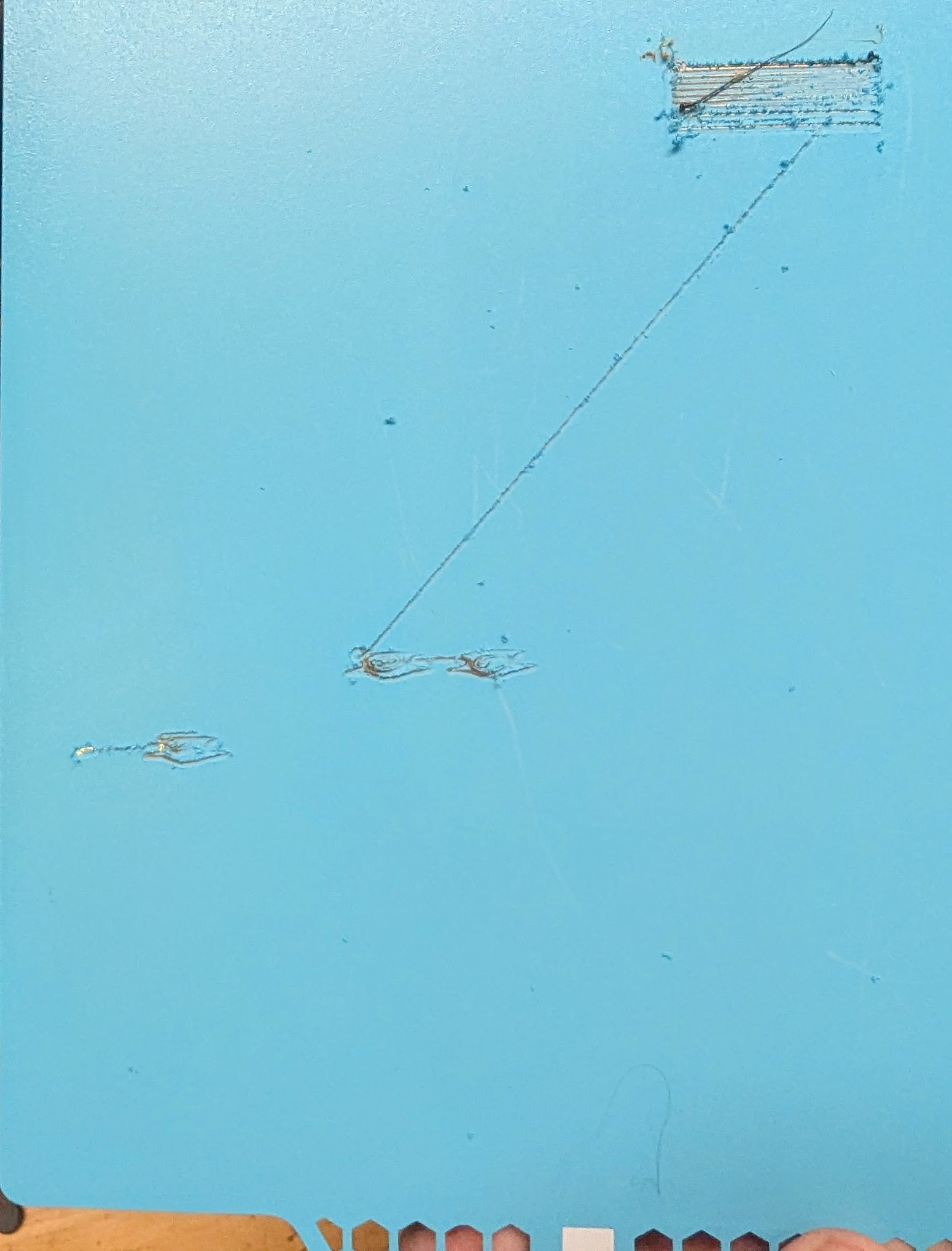
  9. Random Bed Trash. Same model that had been run before several times. Probing seemed fine. Then random crash.

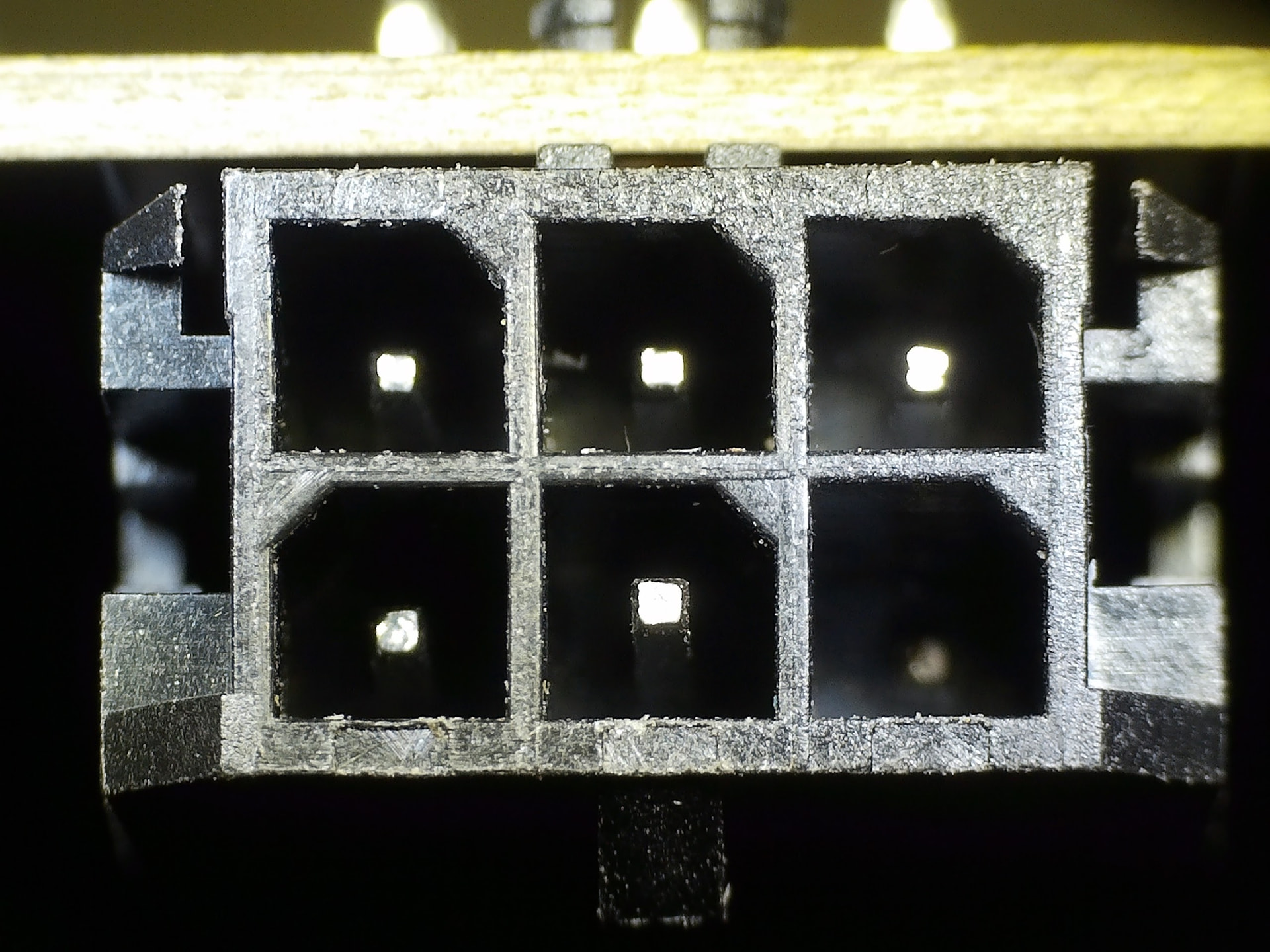
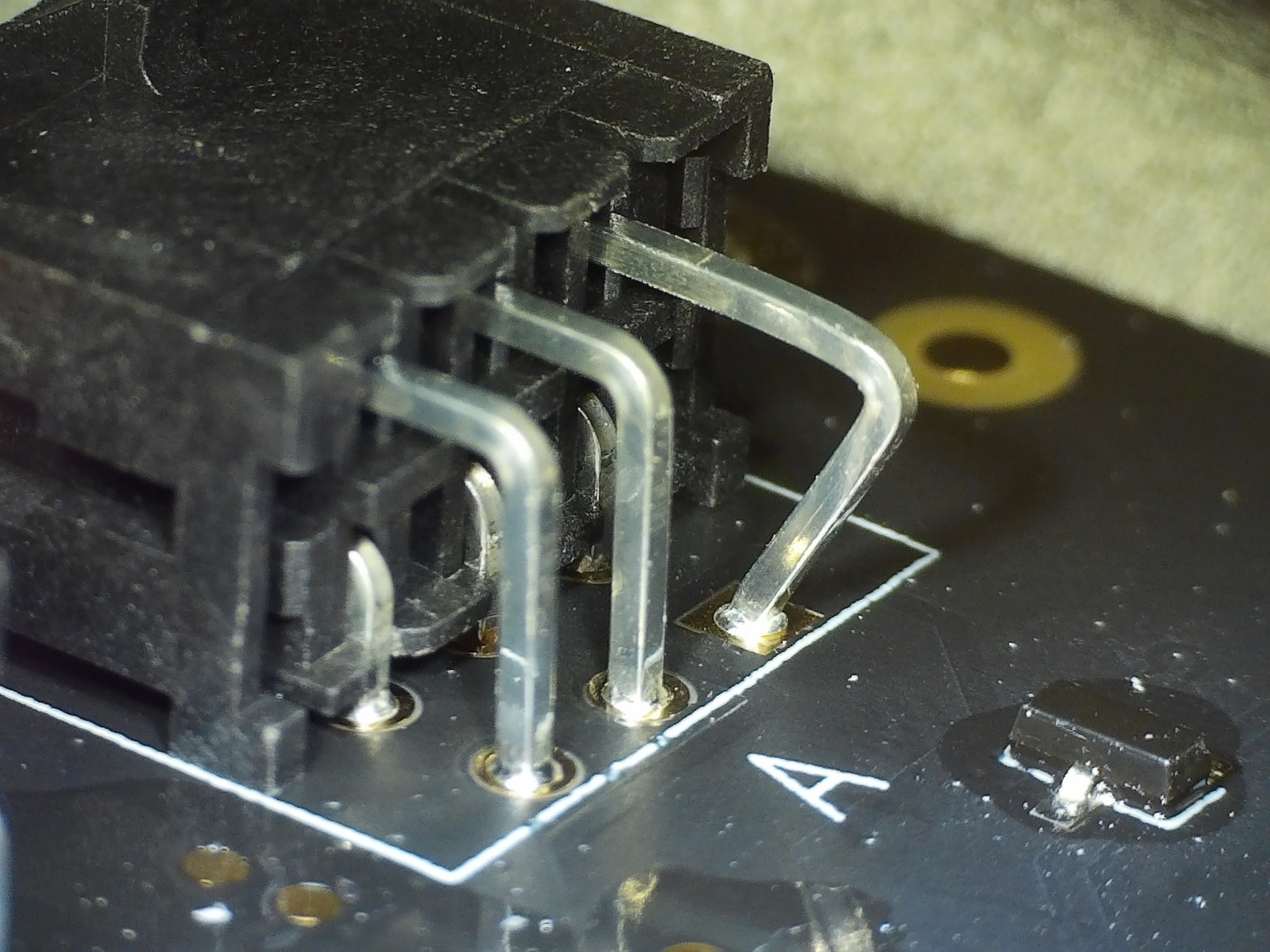
  10. Knock-off low budget 6 way CAN Bus / Expansion buss connectors with inconsisten terminal shape and length, This fails in bent pins and errors that are hard to race because the connector is intermittent.

  11. The new generation, smaller PTFE clips have poor engagement, poor release, an unclear detent for disgengatement, and low resilience to heat and fatigue. I was never able to use the stock release clips on the X2D filament buffer. Meanwhile our releases work on all other machines and the 4-1 splitters. This is similar to the issue with left filament sensor except the errors were on the filament buffer. I replaced them with traditional size clips and the problem is solved.
    Stock


    Stock


    Stock


    Modified

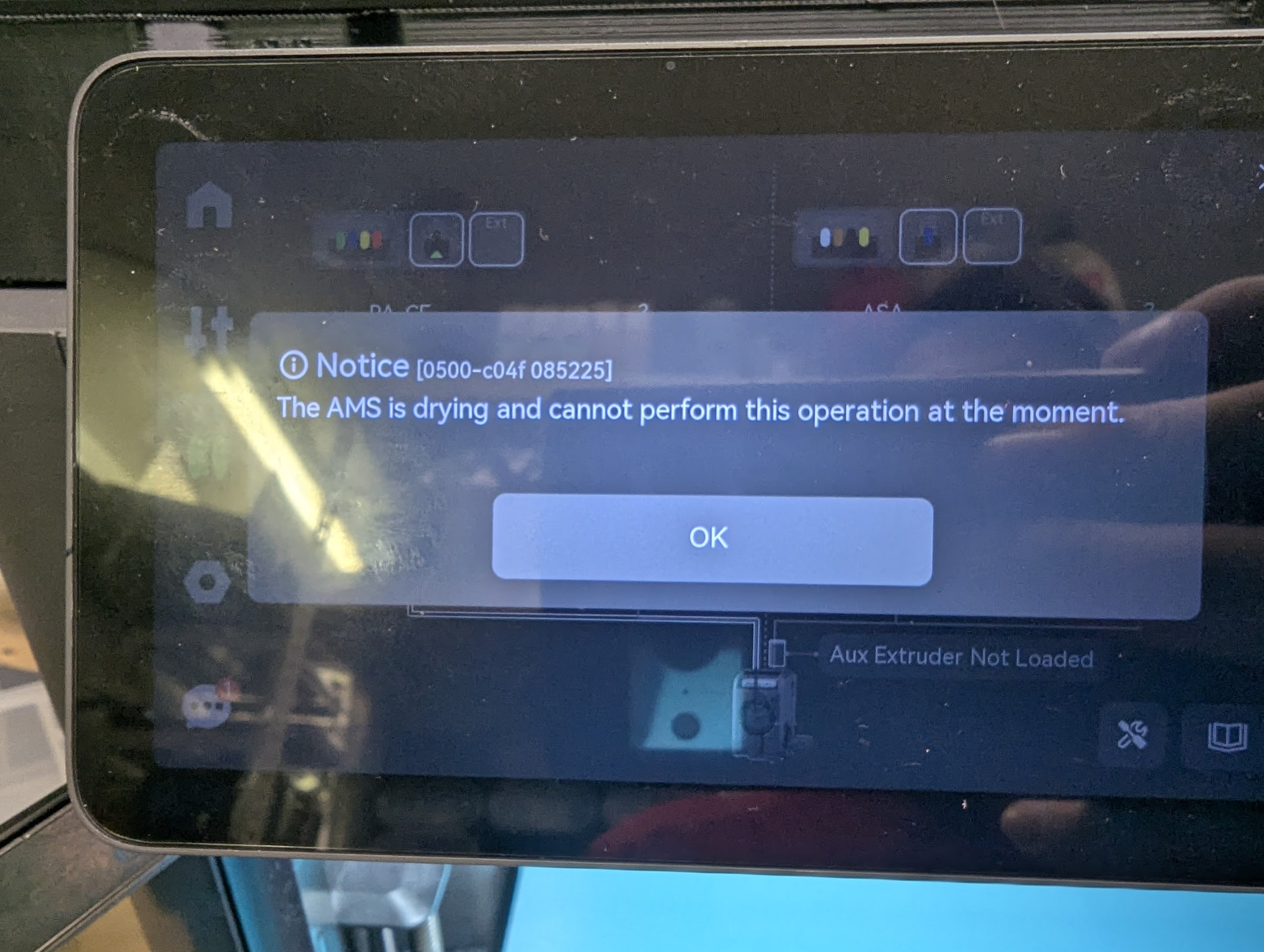
  12. The conditions under which you can engage the dryer are annoying. There are several logical gaps. You can have it on while sitting. You can have it on while printing. You can not have it on while loaded or loading and a few other edge cases.

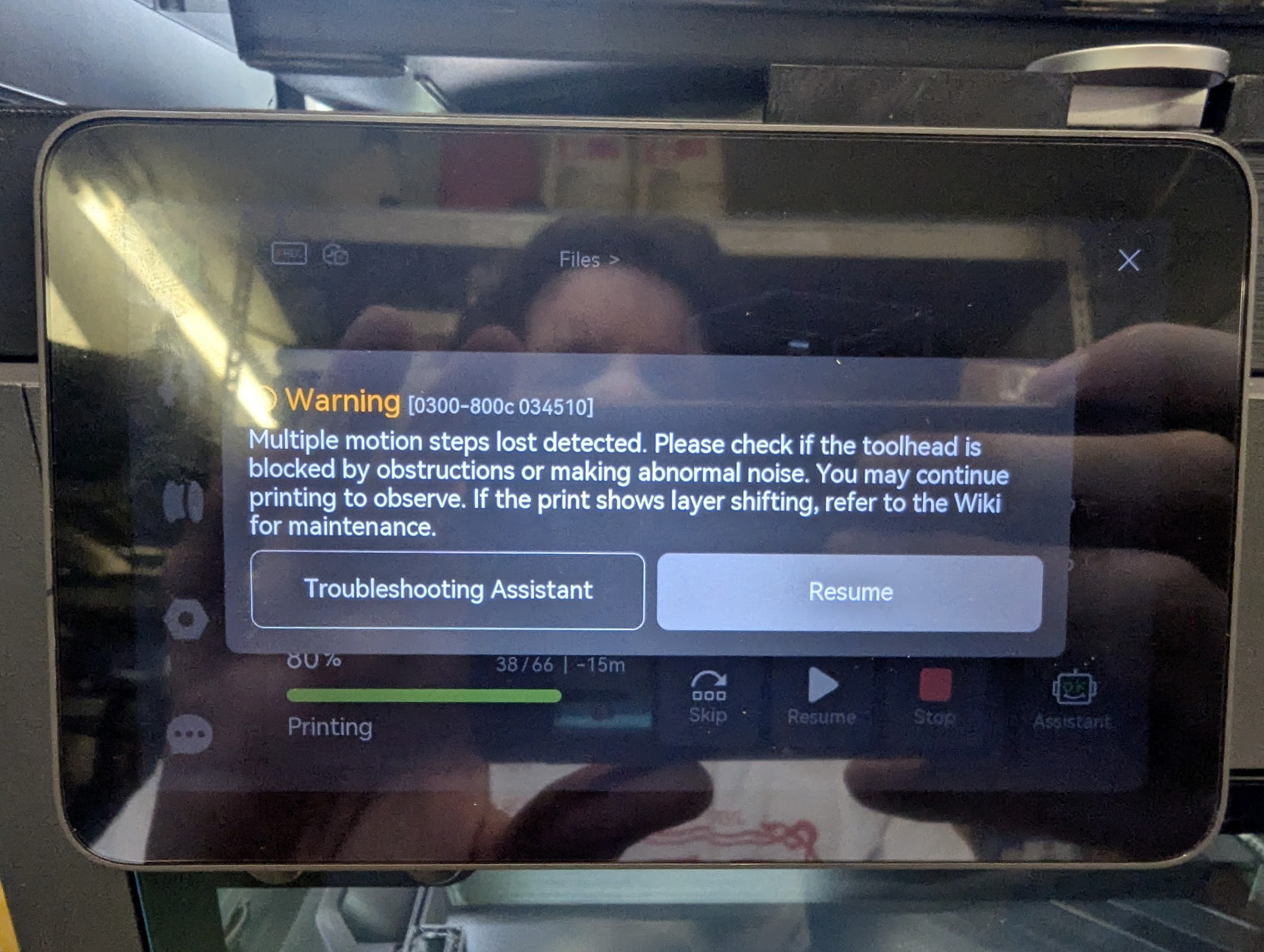
  13. One day it forgot that it knows where it is because it knows where it isn’t. This was down the filament path problem again where the tubes bound up on a rapid travel from FL to RR quadrant.

  14. This happens now for reasons unclear. Most of the time you can just tell it to resume but I think it has to do with starting at a specific spot at too low a temperature for the filament.

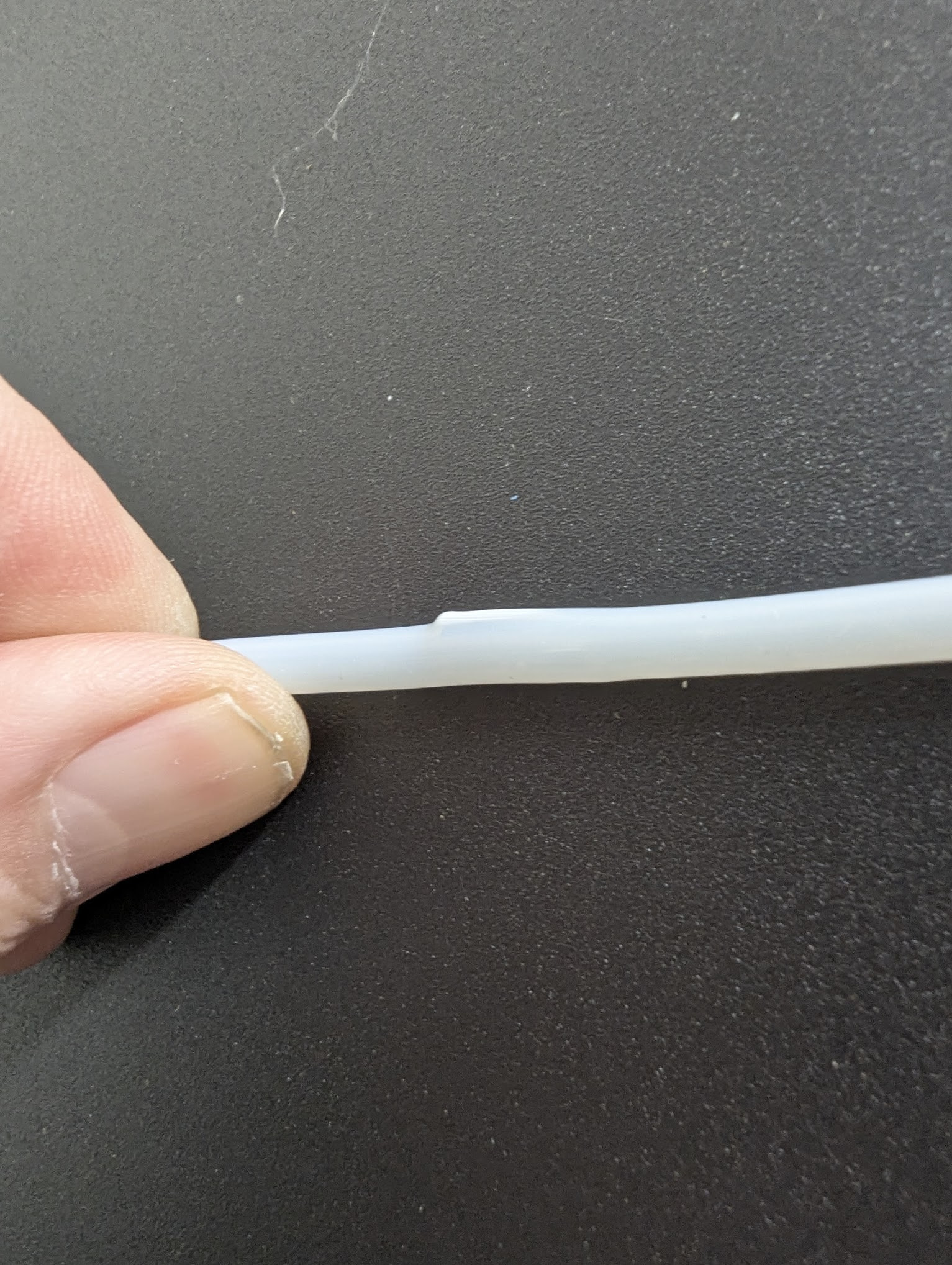
  15. Bowden Tube has excessive bend at some points causing some filments to cut into the PTFE tube and create havoc. This is especially annoying as it’s happening between the bowden extruder and the nozzle where access and visibility are poor.

  16. This seems like a terminal failure for a print.

  17. Despite torque limiter on bowden nut, the tube detached from the extruder by cutting the PTFE tube end.
There are more issues but I think that’s enough to convey the point. We aren’t seeing these issues on our X1s, P1s, A1ms, or H2D. We expect minor server on those and we keep cranking out parts.

This X2D has been, at best, a lemon and an outlier. On paper it meets our printing needs. As a practical machine, it’s a hot mess and we’ll not be buying any more of this machine. This printer is also making us rethink our FDM fleet as Bambu only.

Wow, you really have a lot of issues, none of which I have seen so far. But I think you have used yours far more than me, so I hope I will not follow your fate.

Just one comment:

When you use any AMS to feed filament, you always have to go through the buffer, exactly to allow them to feed independently instead of against each other.
When you want to feed directly into the extruder, you have to use the bypass in the lid.

Bowden aside, just on the main extruder, seeing this many motor overload issue is baffling. Consider that, from my perspective at least, most of the important pieces involved here on the X2D is somewhat shared / very similar with the H2D’s (Extruder motor itself, different, but the replacement costs the same so probably similar). And 500 hours should’ve been no sweat.

I agree with all of your observations and findings. The Bambu Lab X2D is my first 3D printer, and honestly, it’s been a nightmare to get it working reliably.

Just calibrating the right nozzle took me several days, and even then, I only managed to achieve somewhat acceptable print quality by my already low standards.

For the past four days, I’ve been struggling with another issue: the auxiliary extruder suddenly stops feeding filament in the middle of a print. However, the filament sensor still detects the filament, so the printer keeps going as if nothing is wrong, leaving behind a massive mess and ruining the entire print.

It’s incredibly frustrating how much time, effort, and filament I’ve wasted just trying to get this machine to work properly.

The vaaaaaast majority of your issues are all PTFE related. A couple questions:

  1. Are you using only Bambu PTFE replacement tubing?
  2. How are you sizing it when replacing a section?
  3. How are you cutting it?

Also, what specific filaments are you runnng, type and brand please.

A couple notes on your other points:

5- This misunderatands how the system works, the AMS and buffer operate in closed loop with each other, there’s no world where independent control should ever be needed. The whole point of the buffer is to negate any such need. Although, if there’s a filament drag issue you certainly may be running into problems…

8 - This is wrong, I feed while drying using the bypass port all the time.

9 - this can be caused by a number of issues including a badly seated hotend, debris under the build plate, nozzle ooze interfering with probing, or a defective bed leveling sensor.

  1. Were you using the cables that came with the printer, or other ones you had from other printers? The new generation cables are different from the old ones, using an old one on the X2D may catch a pin like that.

  2. This is down to overall limitations of the onboard controller; all Bambu printers have this limitation.

  3. I understood that reference. It’s also a clue that there’s some very wrong things going on with your PTFE to the extruder.

The vaaaaaast majority of your issues are all PTFE related. A couple questions:

  1. Are you using only Bambu PTFE replacement tubing?
  2. How are you sizing it when replacing a section?
  3. How are you cutting it?

Agreed. Solving the filament path problems, would resolve many of the issues on this machine. Unfortunately, most of those issues appear mechanical and design choices that aren’t easily remedied in the field. The are a lot of prints trying to solve the filament path problems on Makerworld.

  1. Yes.
  2. Stock lengths most of the time. I think it is longer now with the riser so it can maintain some strain relief still when the printer is at the front left quadrant.
  3. When needed, a dedicated tube cutter.

Also, what specific filaments are you runnng, type and brand please.

Bambu PAHT-CF, Polymaker PC-PBT, Polymaker ASA, Bambu ABS, Bambu PLA, Polymaker PLA, Sirayatech PPA-CF, Polymaker PC, some generic PLAs.

A couple notes on your other points:

5- This misunderatands how the system works, the AMS and buffer operate in closed loop with each other, there’s no world where independent control should ever be needed. The whole point of the buffer is to negate any such need. Although, if there’s a filament drag issue you certainly may be running into problems…

This isn’t an oversight, I wish it worked this way. There are several logical loopholes such as the load process trying to load a 260-280C filament at 230C that prevent the automation from working as designed. The load process is still failure prone to the point that people will say I’m doing it wrong if I try to use the load function :melting_face: . My answer to which is that we should press for the load and unload and automation functions to work correctly and as designed as you suggest.

In this scenario, this is an error scenario that required manual removal and it would have been much easier to find and fix this specific problem with manual controls. As-is, I had to remove the nuts on both ends of the bowden tube and remove tube from the AMS (because it won’t disconnect at the filament buffer outlet or bowden extruder input). Since the problem was within the bowden extruder, it was hidden from my view at the back of the machine and the process was much more difficult that it should have been.

8 - This is wrong, I feed while drying using the bypass port all the time.

It works when using bypass, but that isn’t what I was pointing out. It does not work when it is being fed from AMS 2 Pro or AMS HT, which is the problem outlined.

9 - this can be caused by a number of issues including a badly seated hotend, debris under the build plate, nozzle ooze interfering with probing, or a defective bed leveling sensor.

Post incident inspection showed nothing under plate. Nothing on top of plate. Nozzle was clean during leveling. Next print was successful and it hasn’t happened again. Trashed the damaged plate and moved on but it was an unexpected error.

  1. Were you using the cables that came with the printer, or other ones you had from other printers? The new generation cables are different from the old ones, using an old one on the X2D may catch a pin like that.

1x AMS 2 Pro & 2x AMS HT were new. There was 1 old AMS I connected. Catching a pin like this, causing an intermittent error and something a typical user can’t easily debug seems unacceptable imo. It’d be worth the extra $2-5 per printer use the genuine components.

11. This is down to overall limitations of the onboard controller; all Bambu printers have this limitation.

Ah, must be 12. The PCB limitation is that you can’t dry and feed at the same time? You can turn on the dryer after clicking to start the print and the heater and fan turns on before loading and stays on while unloading iirc.

13. I understood that reference. It’s also a clue that there’s some very wrong things going on with your PTFE to the extruder.

The stock PTFE tubes were ripped apart by the couplers quickly after initial setup and use. I’d say the filament path, lack of smooth radii in that path, lack of strain relief in that path, poor holding mechanisms for PTFE tube, and poor guidance for the PTFE tube is the top issue for the X2D.

This was the desired workflow. We wanted to have 2x AMS HT with primary filament so that it wouldn’t run out mid-print. Then AMS 2 Pro on the bowden with the support material.

Unfortunately, it didn’t work out that way.