# A1 Mini (<1 month old) | 70+ hours troubleshooting, 50+ test prints, repeated failures, seeking technical feedback and warranty review
## TL;DR
My A1 Mini is less than one month old and has exhibited quality and reliability issues since day one.
After:
- More than 70 hours of troubleshooting
- More than 50 test prints
- Multiple calibration procedures
- Multiple support configurations
- Multiple slicer profiles
- Multiple temperature tests
- Testing with both 0.2 mm and 0.4 mm nozzles
- Testing with Bambu PLA Basic and PLA Matte
- Extensive comparison printing on several different printers
the issues remain unresolved.
The most concerning observation is that identical models, settings and filament were successfully printed on:
- Another Bambu A1
- Ender 3
- Prusa Mini+
- Neptune 4
while my A1 Mini continues to exhibit repeated support failures, poor underside quality, overhang issues and inconsistent print behavior.
I am not claiming to know the root cause.
I am looking for honest technical feedback from experienced users and trying to determine whether the observed behavior is normal, whether a hardware issue should be considered, and whether a warranty review would be reasonable at this stage.
-–
## Background
Hello everyone,
I am creating this thread as a central reference point for an ongoing issue with my A1 Mini.
The printer is less than one month old and has exhibited problems since it was new.
A support ticket with Bambu Lab is currently active and contains the complete documentation, including photos, videos, project files, troubleshooting history and support communication.
Over the last several days I have worked extensively with both Bambu Support and community members in an attempt to identify the root cause.
Unfortunately, despite a very large amount of troubleshooting, testing and documentation, the issue remains unresolved.
At this point I am seeking additional technical opinions and would also like to document the case in a single location for anyone interested in reviewing it.
-–
## Previous Community Discussions
Bambu Forum - Arch Tip Failure Discussion
Bambu Forum - Resin2FDM Discussion
Reddit Discussion
These discussions contain additional photographs, project files, test results, support analyses and community feedback.
Several experienced users have reviewed parts of the evidence and offered troubleshooting suggestions, profile reviews and alternative theories.
While opinions differ regarding the root cause, several users have commented that the observed failure rate and print-quality issues appear unusual compared to what they would normally expect from an A1 Mini.
-–
## Main Issues
### Print Quality
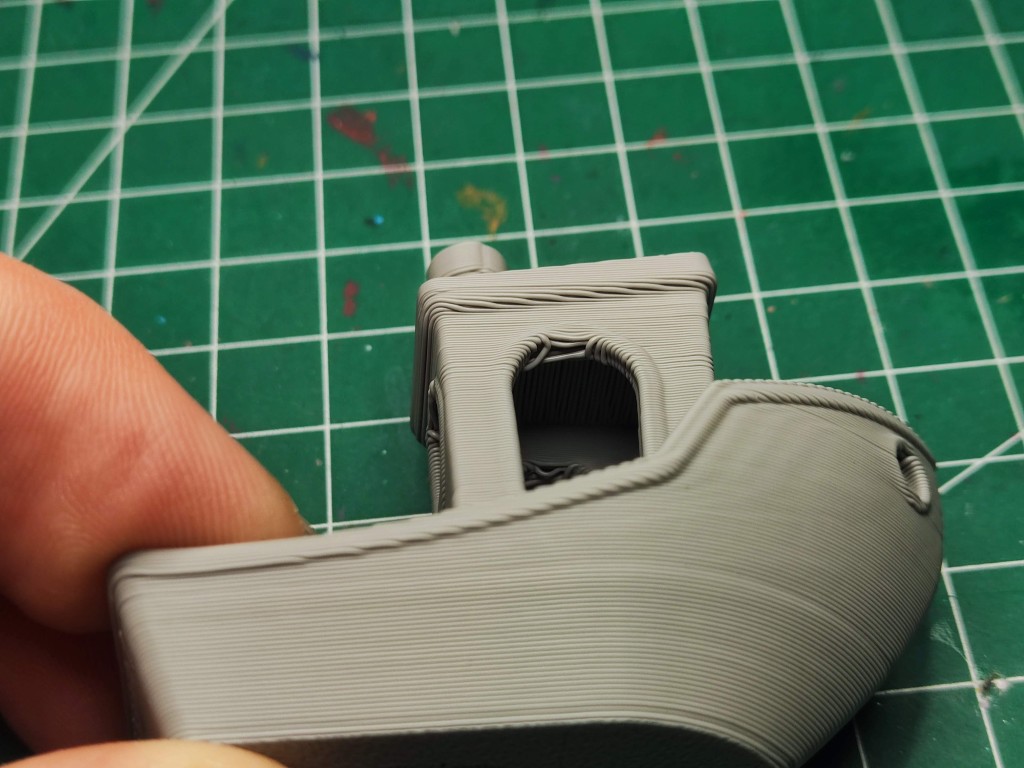
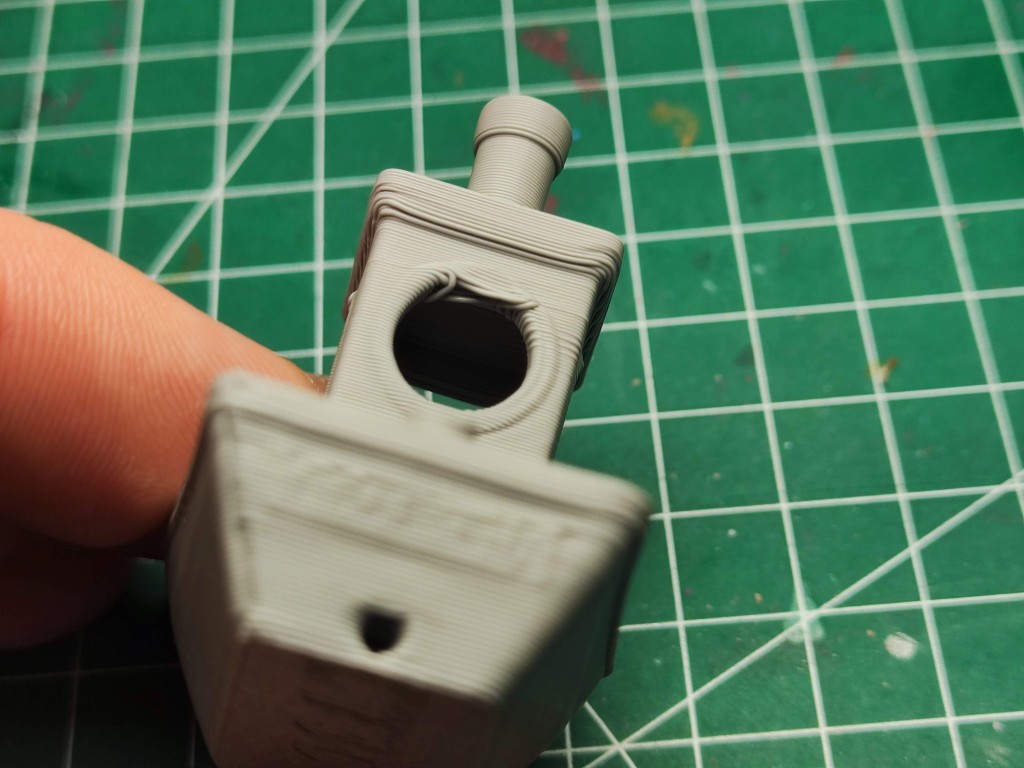
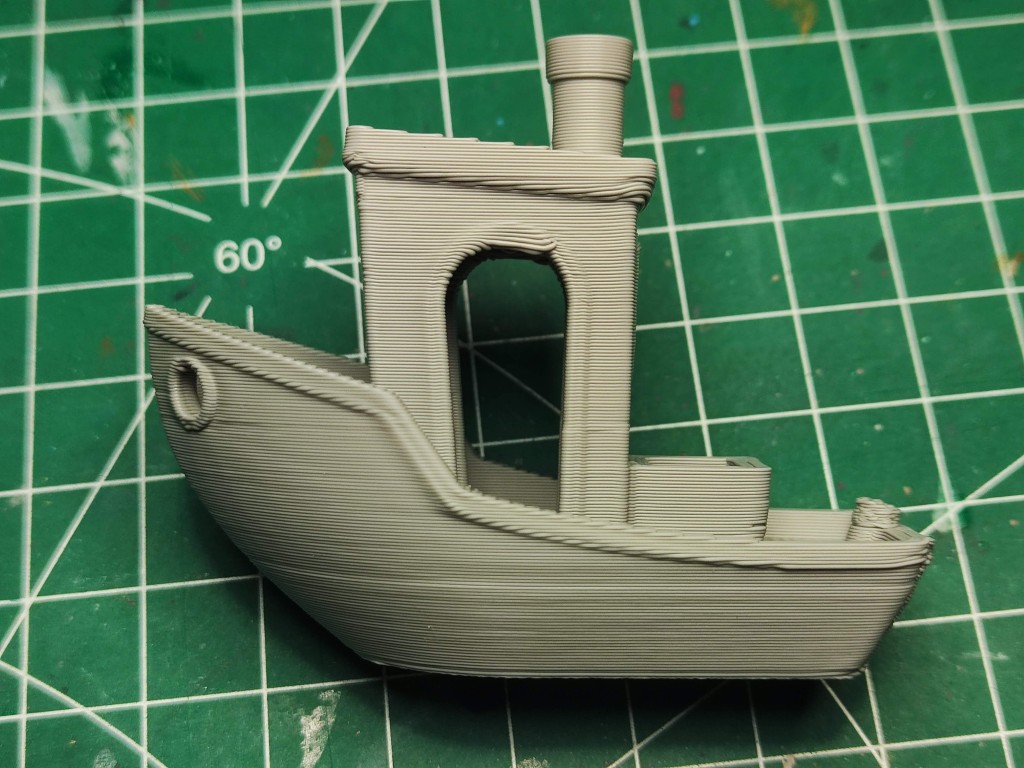
Repeatedly observed:
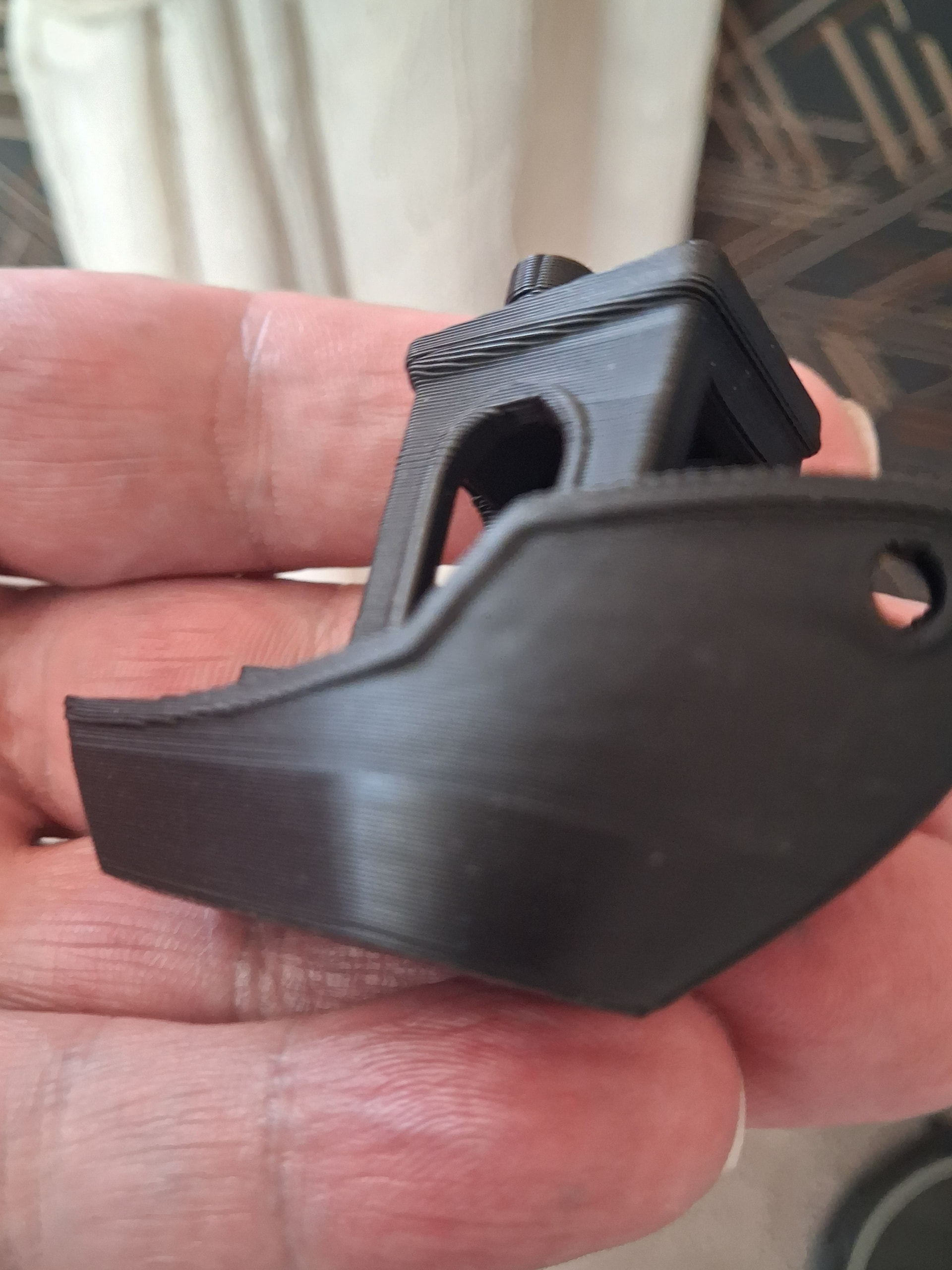
- Poor downward-facing surface quality
- Poor underside quality
- Overhang sagging
- Bridging defects
- Rough supported surfaces
- Significant degradation of overhang and underside quality at higher-detail settings
- Increased problems when moving from 0.20 mm to 0.08 mm layer heights
### Reliability
Repeatedly observed:
- Supports breaking mid-print
- Supports failing near the top of the structure
- Supports detaching while still attached to the model
- Partial print failures
- Complete print failures
- Failures occurring after several hours of otherwise normal printing
- Similar failures across multiple unrelated models
### Additional Mechanical Concerns
Observed independently of the print profile issues:
- Visible dent/imperfection in the heated bed
- Filament cutter lever not reliably returning to its resting position
- Clicking/clacking noises from the Z-axis
- Possible irregularity on the Y-axis assembly
-–
## Troubleshooting Already Performed
I have already completed:
- Factory reset
- Full printer calibration
- Manual bed tramming
- Flow Rate Calibration
- Flow Dynamics Calibration
- Hotend inspection
- Tightening of hotend assembly screws
- Multiple support configurations
- Multiple slicer profiles
- Significant speed reductions
- Temperature towers
- Extensive temperature testing
- Multiple miniature models
- Multiple support-heavy models
- Multiple calibration models
- Testing with 0.2 mm nozzle
- Testing with 0.4 mm nozzle
- Testing with Bambu PLA Basic
- Testing with Bambu PLA Matte
Environment:
- Filament dried daily for approximately 6 hours at 55°C
- Printing directly from the dryer
- Room temperature between 22°C and 24°C
- Relative humidity between 40% and 55%
-–
## Comparison Printing
One of the strongest reasons for my concern is the comparison testing.
The same filament, project files, support settings, orientations and models were tested on:
- Another Bambu A1
- Ender 3
- Prusa Mini+
- Neptune 4
The comparison printers completed prints that failed on my A1 Mini.
The comparison printers also produced:
- Cleaner undersides
- Better downward-facing surfaces
- More reliable supports
- Significantly fewer failures
Even the Ender 3 produced cleaner undersides than my A1 Mini.
This makes it difficult for me to conclude that the issue is solely caused by the model, filament or slicer settings.
-–
## Concerns Regarding the Support Process
I want to be careful here because I understand that support teams often follow established troubleshooting procedures.
However, after more than 70 hours of troubleshooting and more than 50 test prints, I am becoming increasingly concerned about the effectiveness of the current process.
Response times are frequently around 24-48 hours.
In many of my replies I provide:
- Detailed written observations
- Photos
- Videos
- Project files
- Comparison-print results
- Additional testing beyond what was requested
However, it often feels as though the majority of this information is not being addressed directly in subsequent responses.
Instead, I am frequently asked to perform another isolated troubleshooting step despite already having completed extensive testing.
Examples include:
- Repeating calibration-related procedures
- Repeating standardized test prints
- Reprinting a standardized model with glue despite extensive previous testing and proper plate cleaning
- Increasing PLA print temperatures to 230-235°C despite the fact that I had already performed temperature towers and testing throughout the recommended PLA temperature range
I am not opposed to additional testing.
What I struggle to understand is what specific hypothesis is being tested and how these requests relate to the larger pattern of symptoms that has already been documented.
At this stage the case includes:
- More than 70 hours of troubleshooting
- More than 50 test prints
- Multiple nozzle sizes
- Multiple filament types
- Multiple support strategies
- Multiple slicer profiles
- Temperature testing
- Comparison testing on several other printers
- Mechanical observations unrelated to print profiles
Because of this, I am increasingly concerned that the case may be approaching the limits of what can reasonably be solved through incremental first-level troubleshooting alone.
My intention is not to criticize individual support agents.
Rather, I am concerned that the overall pattern of issues may not currently be receiving the broader technical review it requires.
-–
## Why I Am Concerned
I am not claiming that the printer is definitely defective.
I am also not claiming to know the root cause.
However, after:
- More than 70 hours of troubleshooting
- More than 50 test prints
- Extensive documentation
- Community review
- Comparison printing on several other printers
- Multiple unresolved mechanical observations
I am increasingly concerned that there may be an underlying hardware, assembly, alignment or manufacturing issue affecting this particular unit.
The combination of repeated support failures, inconsistent behavior, poor underside quality, positional quality differences, unusual mechanical observations and comparison-print results makes it difficult for me to attribute everything solely to slicer settings or normal print variability.
-–
## Questions
I would greatly appreciate feedback from experienced A1 Mini owners and experienced FDM users.
In particular:
- Do these results appear normal for an A1 Mini?
- Have you experienced similar behaviour?
- Could the combination of symptoms indicate a hardware-related issue?
- Is there any diagnostic path that has not yet been explored?
- At what point would you personally consider a warranty review, repair or replacement reasonable?
Thank you to everyone who is willing to review the case and provide feedback.