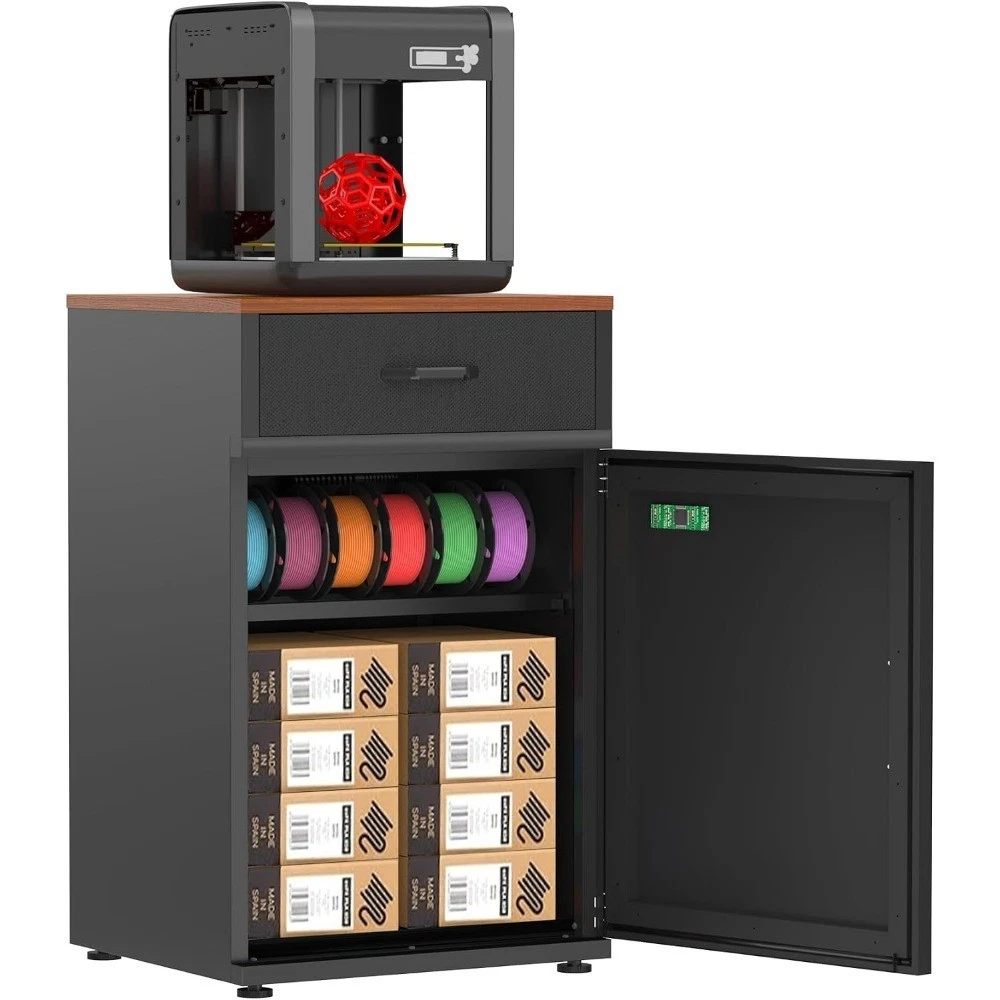
I know others do it but I lean to not using desiccant in active systems. The reason is as soon as the desiccant absorbs enough water, it becomes another water source in the cabinet in addition to filament and any leakage.
The solution to that is to keep the desiccant fresh and well below the target humidity in the cabinet but then you don’t need the active dryer part as the added desiccant itself is doing all the work.
Also, even if using it for filament storage and not drying, you want to keep the humidity level in the cabinet at or below the humidity you are willing to tolerate in your filament. If you are able to dry your filament to a humidity reading below 10%, storing the filament in a cabinet with 25% humidity will actually add water back to the filament.
Something else is that the ultimate humidity level the cabinet can achieve will depend on what’s in it. You’ll see the best indicator of how well it can ultimately do by running it empty and seeing what humidity it can hit. (Since it’s rejecting water to ambient air, ambient humidity will also matter to an extent.) Filament, depending on how dry it is, could be giving up water which can hold the humidity up and make it seem at first like it might not be working as well as it may be. I’d be really curious what it can hit empty where we can see just what it is capable of.
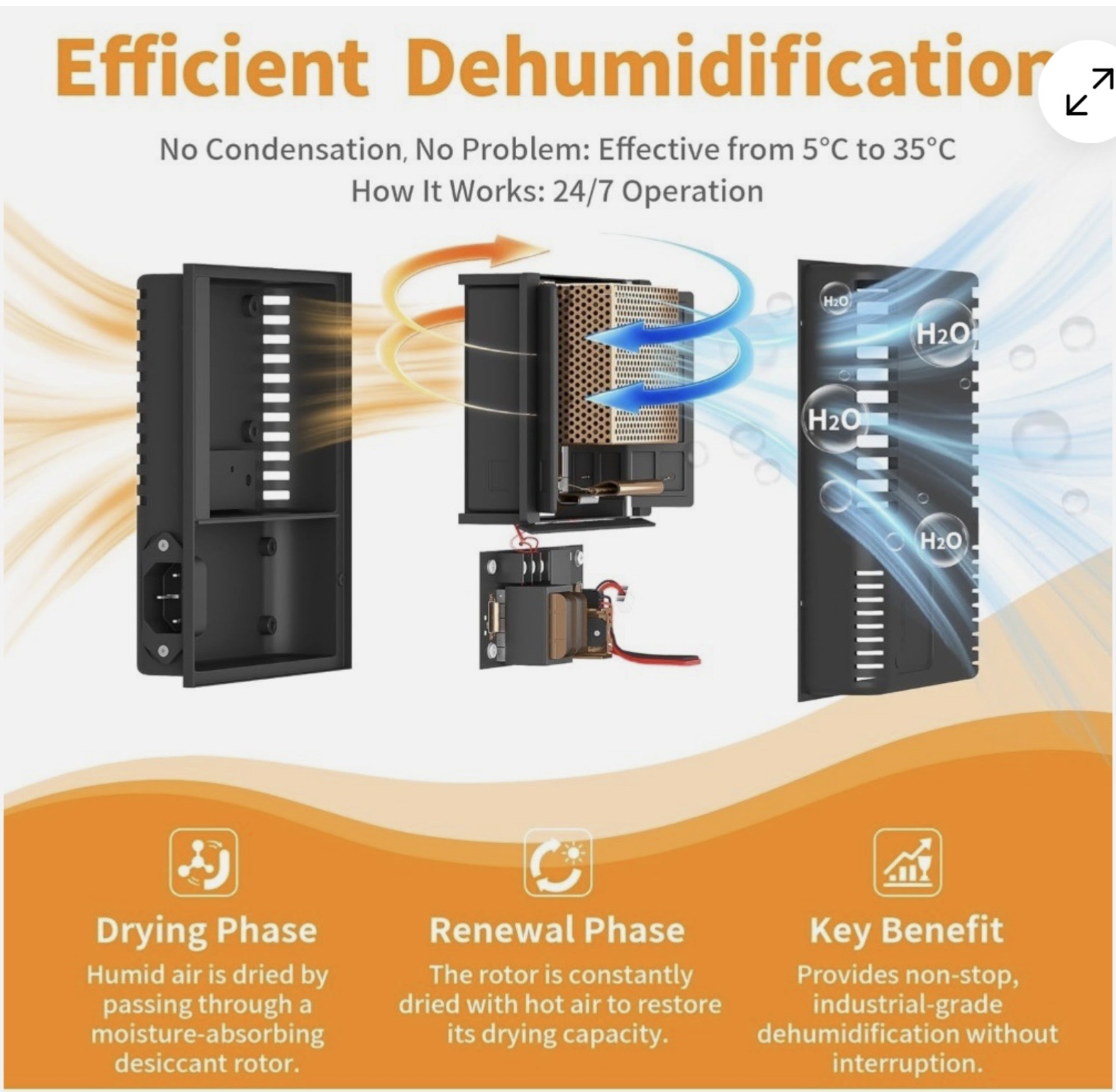
I’ve got some questions on that regenerator though. Does it occasionally “flip” and “A/B” two desiccant reservoirs between regeneration mode and air drying mode? Or is the desiccant in a single bigger reservoir that’s kind of on a rotisserie where one side is used for drying air while the other side regenerates and the reservoir slowly rotates? Or some other combination somewhere between?
I could be way off base on this but I’m guessing that drying module might be designed for silica gel which is why I mentioned the regeneration temperature. Sieves can be a strong desiccant but it needs to be properly regenerated to do that. I’m a suspicious type and it wouldn’t surprise me if someone decided if silica gel is good, sieves would be better and sound better in advertising.
If that is true, it might work better with silica gel - but you can’t try that without knowing the regeneration temperature. It could be it truly is designed for sieves and would trash itself with silica gel in there.
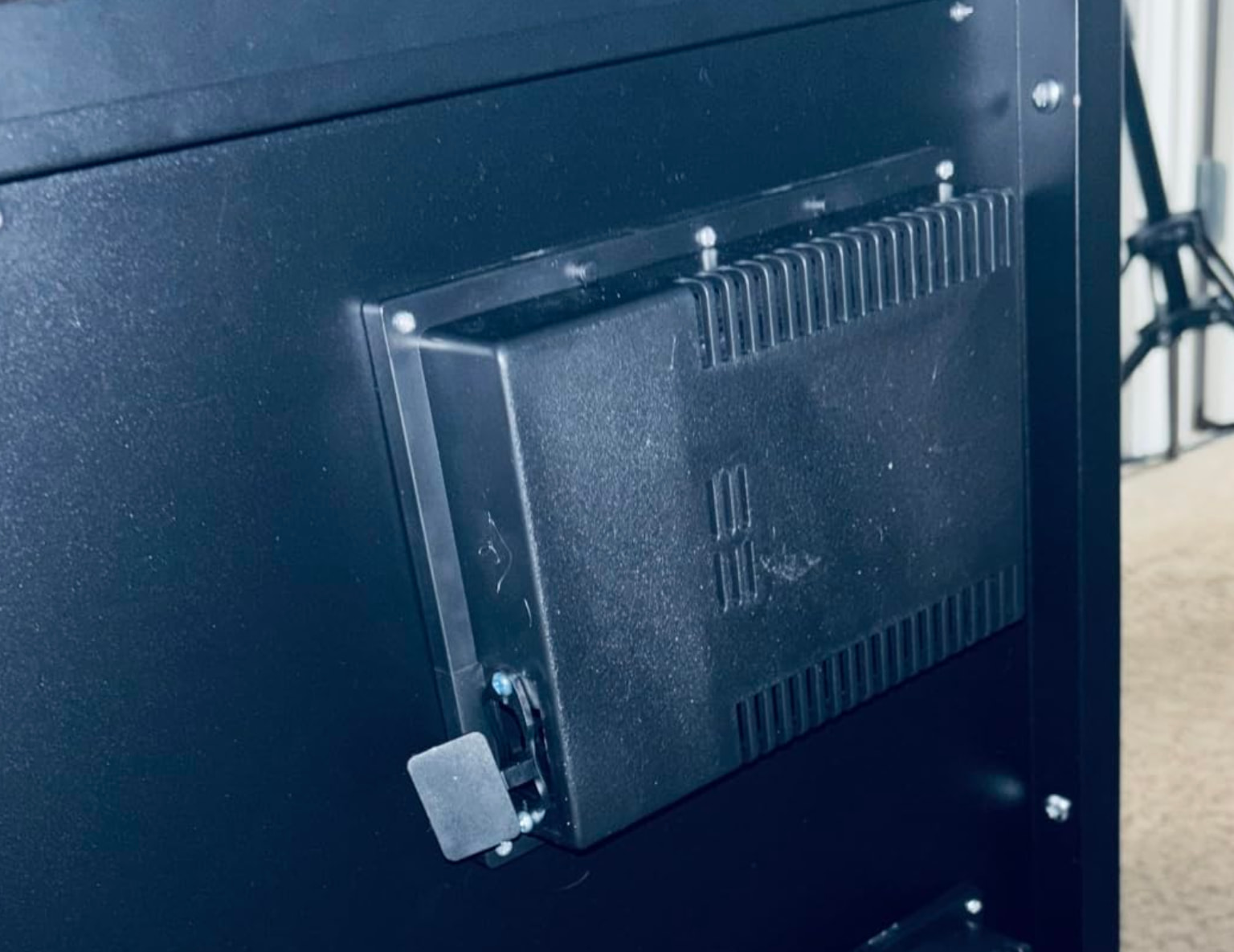
And that guesswork all hinges on a plastic-looking housing. If it’s plastic I don’t know if it can hit high enough temps to properly regenerate sieves. The regeneration temperature will clearly tell you what desiccant it was designed for.
Like I said, the basis for that is good. It’s how all sorts of industrial dryers work. That minimum humidity seems a little high to me which is another reason I suspect those sieves. If the regenerator was designed for silica gel beads, it will hit lower humidities on beads because they are fully regenerated at lower temps than sieves. Again, if it was designed for silica gel, sieves will stay “wet” to an extent and the cabinet won’t hit as low of humidity as it might otherwise.
I’m out on a limb harping on the sieves but hopefully it’s clear why. I think that cabinet could do a great job. I’ll be really interested in how it performs and how that regenerator works.


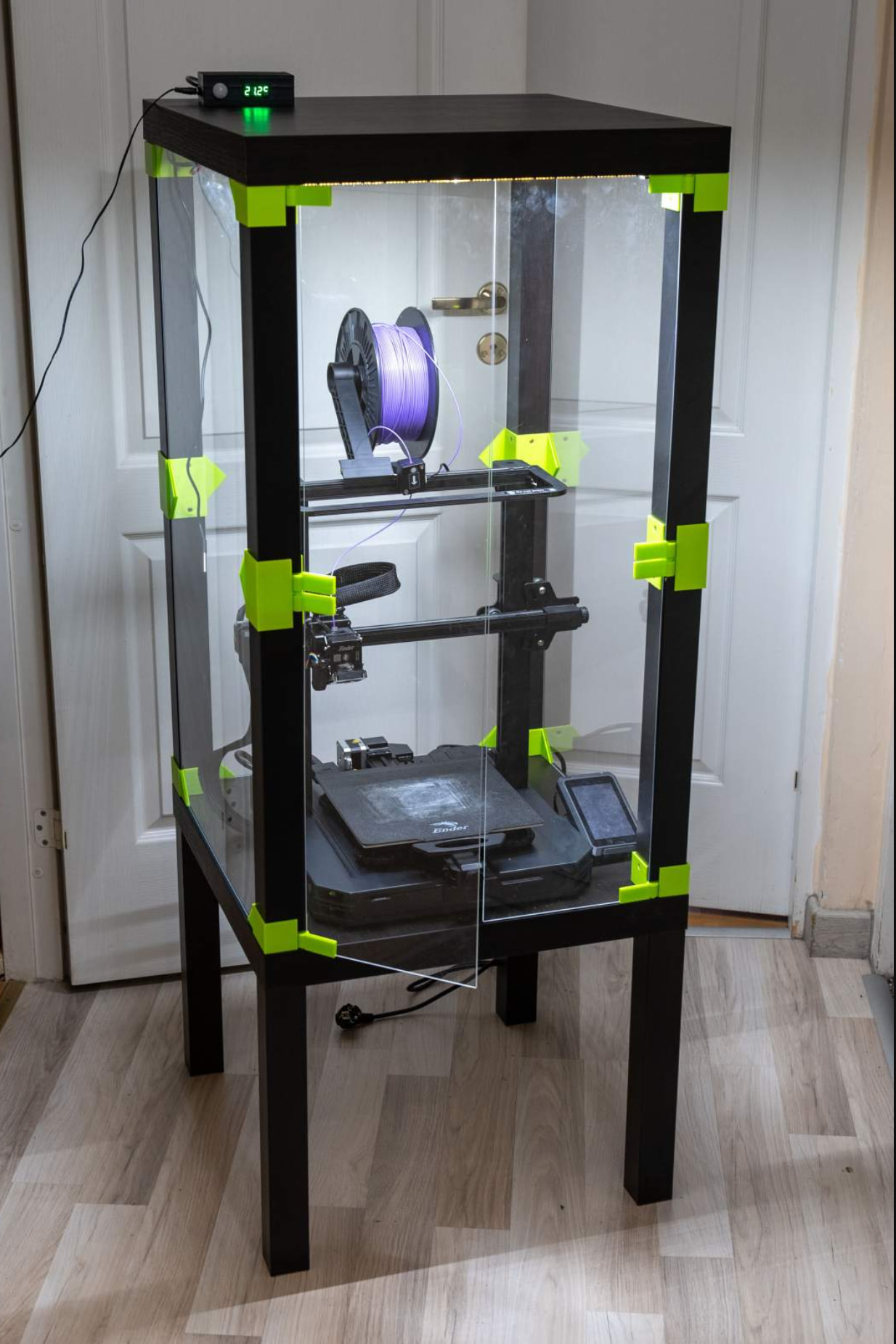
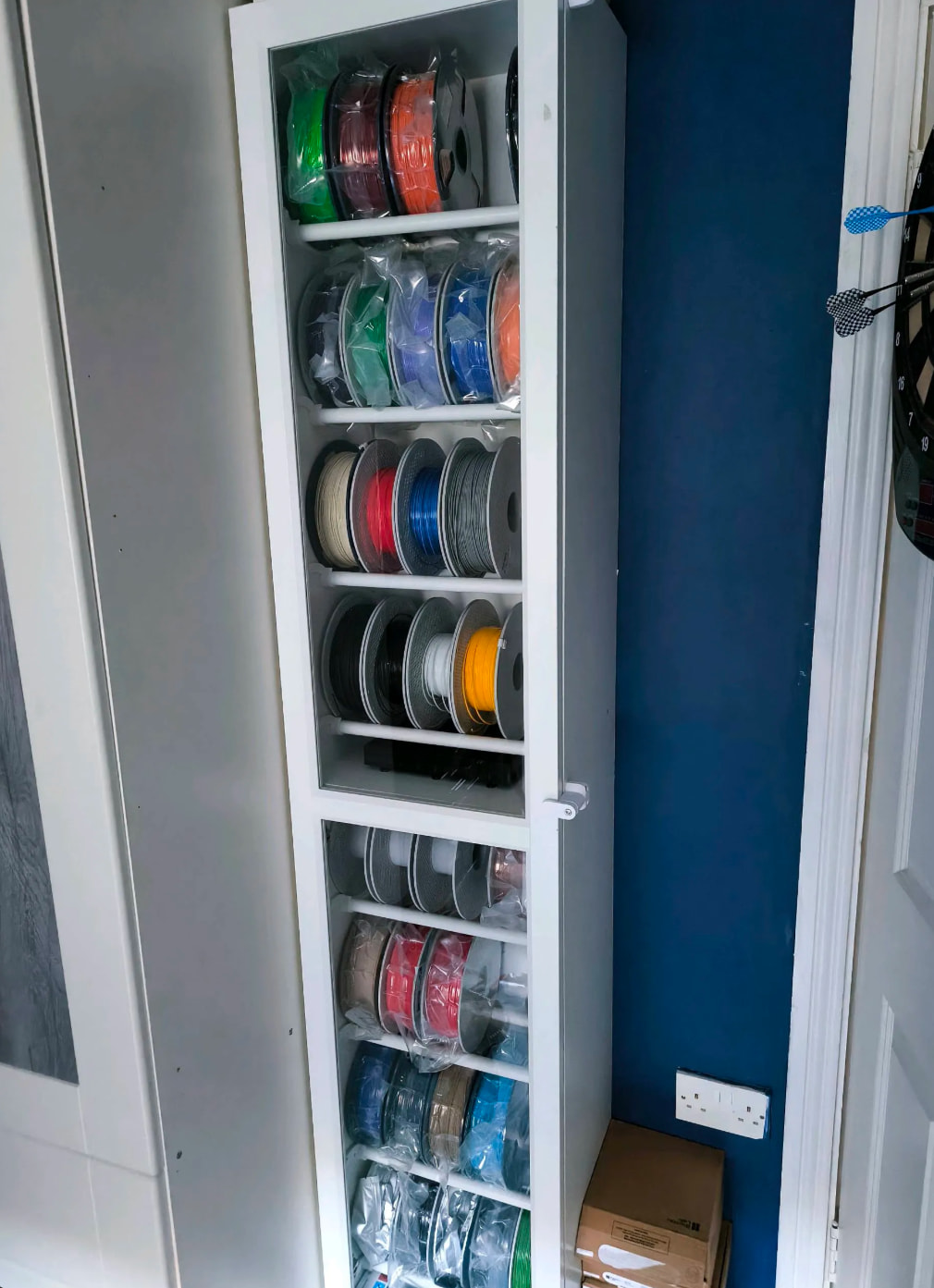
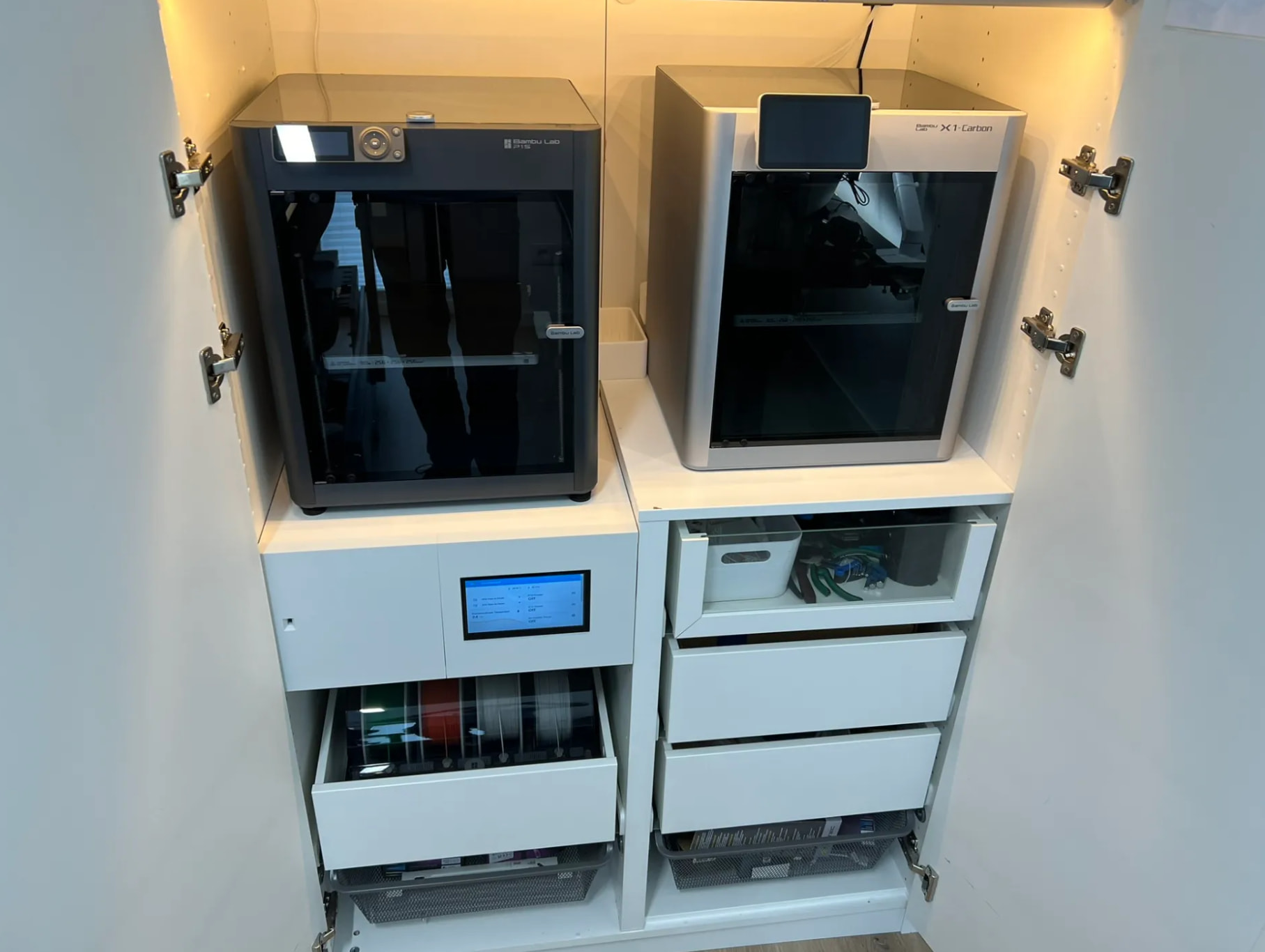
 If it doesn’t have an external Hydrometer, I’m perfectly capable of ramifying that. In fact, I’d like to.