It might be easier to look at the diagram…
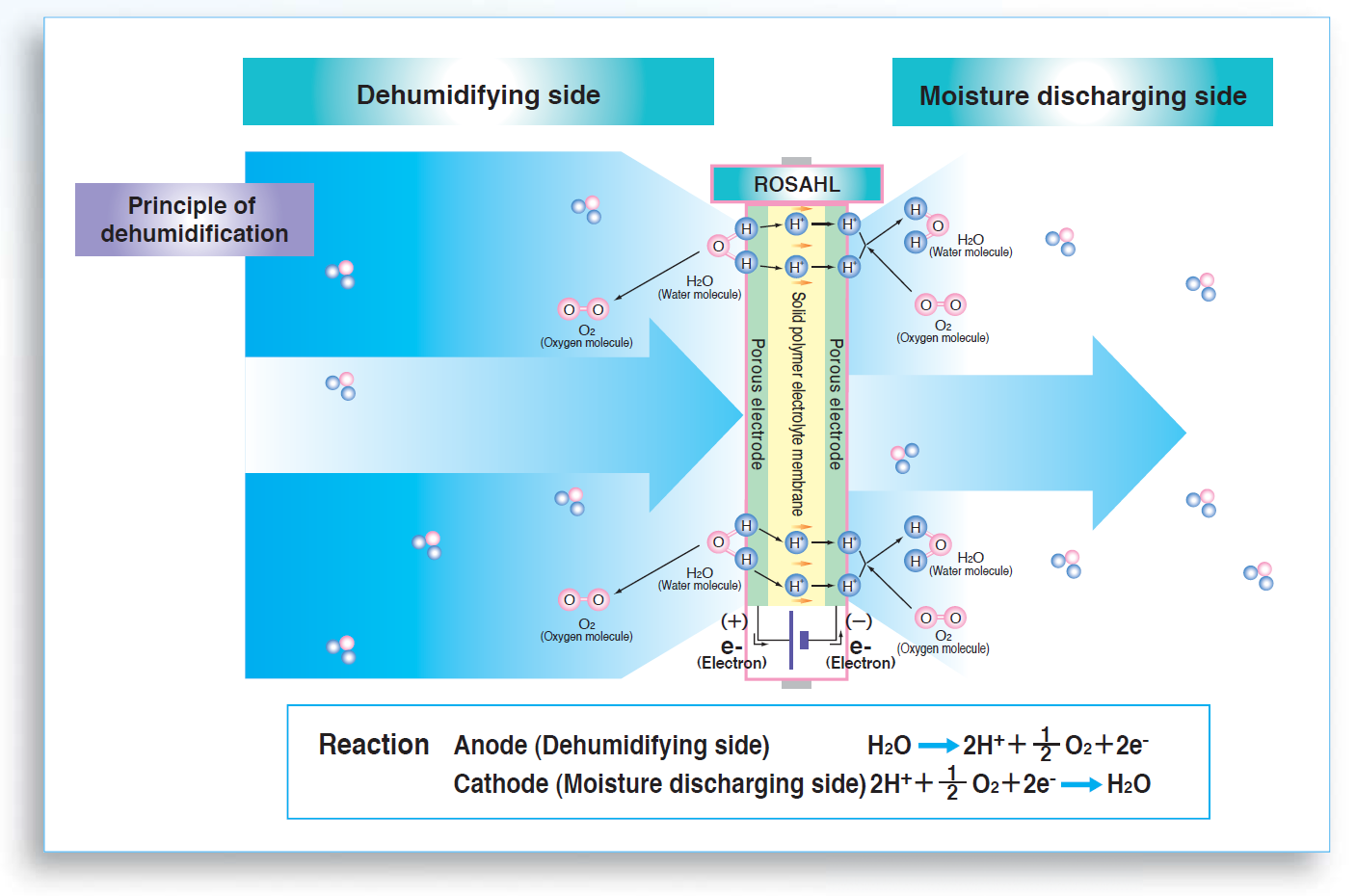
That’s not what I am talking about.
Obviously, the research team will have to formulate the goals into specific questions, but the current state of affairs is basically this: for questions as basic as these two 1) Do I have to dry this roll of filament before printing? 2) How long do I have to dry it. The answer right now is, in nutshell: You don’t need to know if you need to, dry it just in case, and dry it for 8 hours.
This answer is almost irresponsible. In some cases, that may not be enough while in others that can be excessive and wasteful.
Now thinking more about it, I think BL should just do it by themselves. Somehow basic questions like these were not of enough interest to other companies and/or their users in the more than a decade of their time, but for BL that wants to bring 3D printing to the masses, keep blindly saying dry it for 8 or 12 hours won’t cut it.
@DWdesigns I’m not disagreeing with you. If you look in Appendix II of the Wiki, Bambulab does speak rather loosely to the issue:

That’s enough to make me think that 20%RH isn’t low enough for long-term storage unless you want to dry it again before printing. But I’d agree: it’s too general. You are right to ask what threshhold we should be aiming for, and for which filaments, as it maybe (probably?) varies by type.
Given the lack of concrete answers, here’s how I look at it: electricity is cheap compared to the cost of a roll of filament. Say it costs you one or two kilawatt hours to thoroughly dry a spool of filament. Where I live, that’s 11 to 22 cents. Cheap insurance if you ask me. YMMV, depending on your local electric rates, but especially if you’re printing an expensive filament (PPA-CF or PPS-CF), then IMHO you’d be crazy not to dry it bone dry first and eliminate the risk altogether even if you were paying California or European electric rates.
Thanks for the diagram, it makes me wonder a bit.
Their largest membrane is over $500 and has a service life of 5 years, but still that might be better than 2 of those regenerating desiccant modules.
@krellboy You make a good point: lifespan of the regenerating desiccator is basically unknown, depending on a number of factors we currently have no insight into: the regeneration temperature, how fast the regeneration temperature ramps, the quality of the molecular sieve beads, etc. It’s basically a “you pays your money and you takes your chances” kind of deal.with respect to the quality of the construction. Hopefully that situation will improve over time as more people use them and report back on forums such as this as to which are good sources and which aren’t.
I’ll probably take a flyer on the Sunlu, or at least put down $1 to see what the final offer is, even though Sunlu’s version 1 track record will probably make me wish I had waited for version 2 or 3. If it doesn’t reach 10%RH even when empty, I’ll try sending it back and wait for a later version that can do at least that much, or further explore Aliexpress roulette. If nothing else, since it needs to meet minimum safety standards, hopefully the Sunlu won’t burn my house down (he says, writing on the Bambulab forum.  ).
).
Anyway, if it works like I hope it will, I’ll plant my AMS HT in it and be golden for purposes of printing PPS-CF, taking however long I want. Right now I pump dry air into it, so this would hopefully supplant that apparatus, which works perfectly well other than the PITA desiccant changes.
Uhhh, what brand is this? If I don’t know who built it, how can I judge it? If they’re not willing to put a brand on it, will they stand behind it? I’ve had some terrible experiences buying cheap things from China, where they were technically what I bought, but the materials were far too weak to last, and they didn’t. I’d never buy anything without a brand name on it.
The category, though… I like it. I did buy something similar from AUTENS; it was a dryer cabinet that I use to dry filament with, and it’s low-power. It was $250, and only holds 6 filament rolls… which seems kindof expensive, and it is. But unlike my other filament storage boxes, which rely on periodically replacing dessicant beads, it’s zero-maintenance.
As others have noted, you’ll want to dry the filament before putting it in one of these cabinets, because the cabinet will keep the filament dry but it won’t dry the filament in the first place.
Looks like your AUTENS at that price would be using a TEM as the desiccator.
How low does it drive the humidity inside your cabinet?
On the other hand, looking at the thumbnails of the first few youtube “reviews” posted on the sunlu website, only one of them looks real:
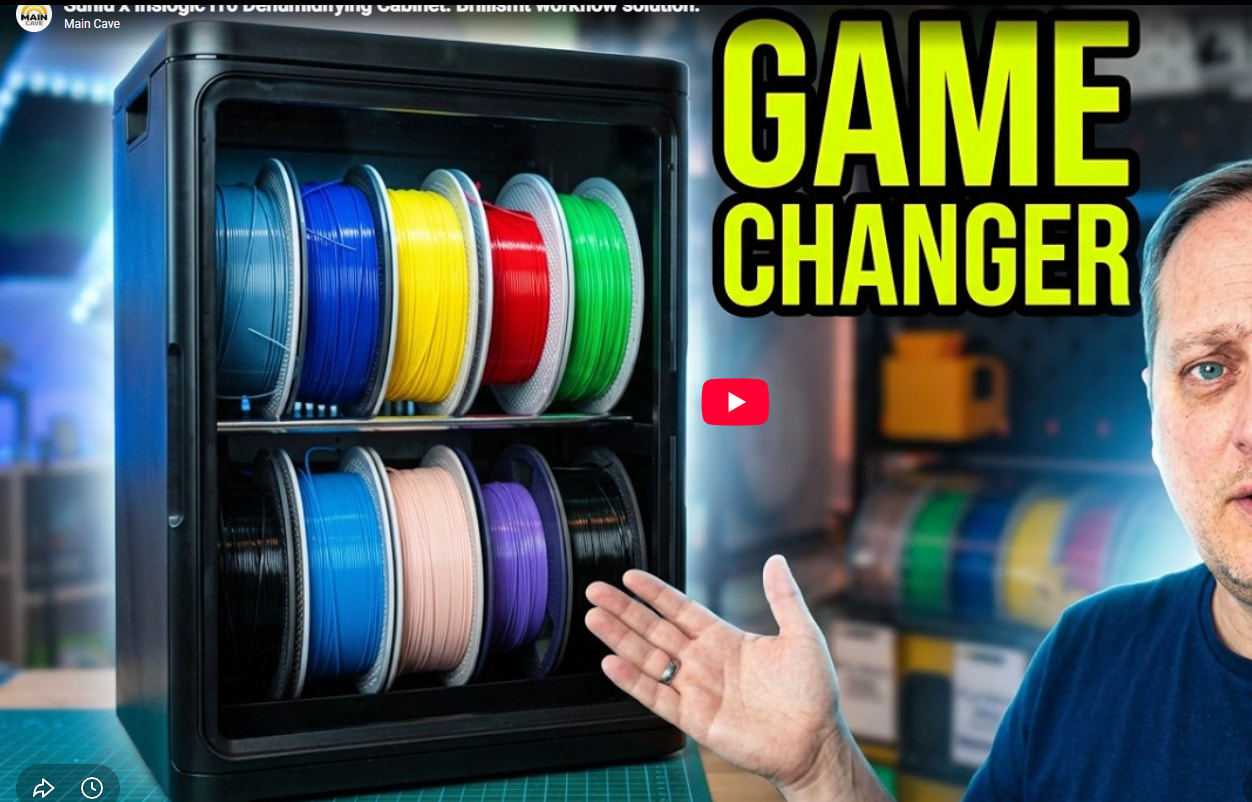
This one is missing the controls entirely.
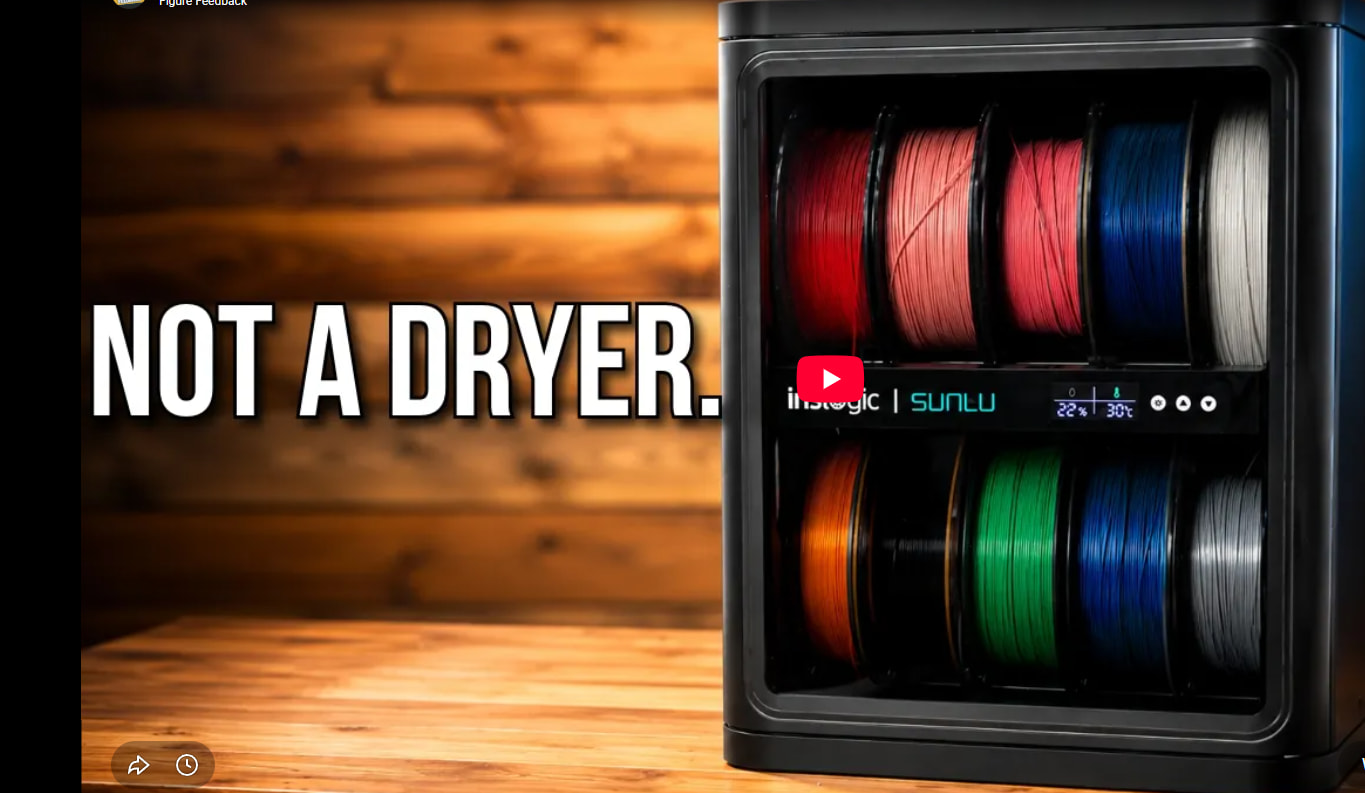
This might be real.
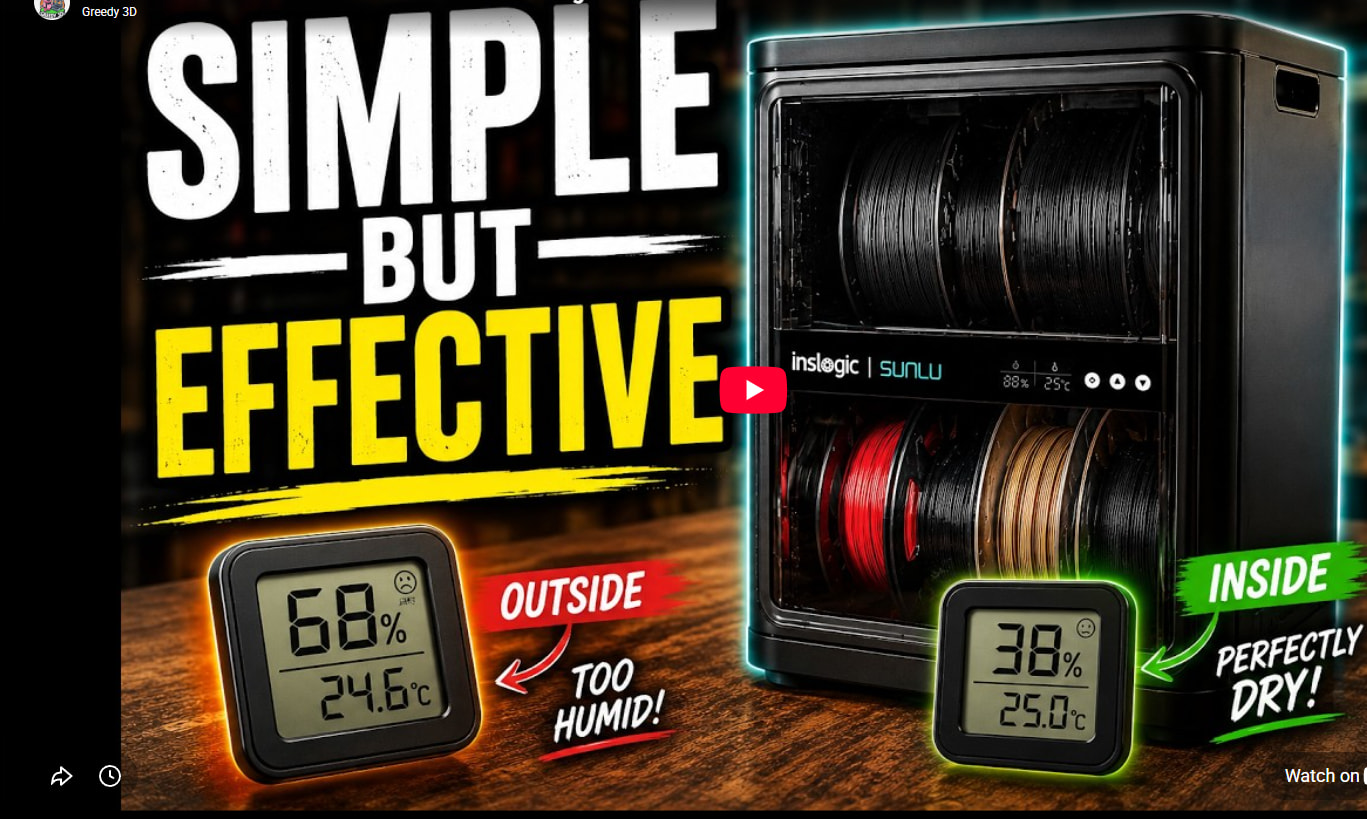
This one consider 38% RH to be “perfectly dry”! Obviously an authority on the topic, so I’ll believe his opinions as gospel about the rest of whatever he says.
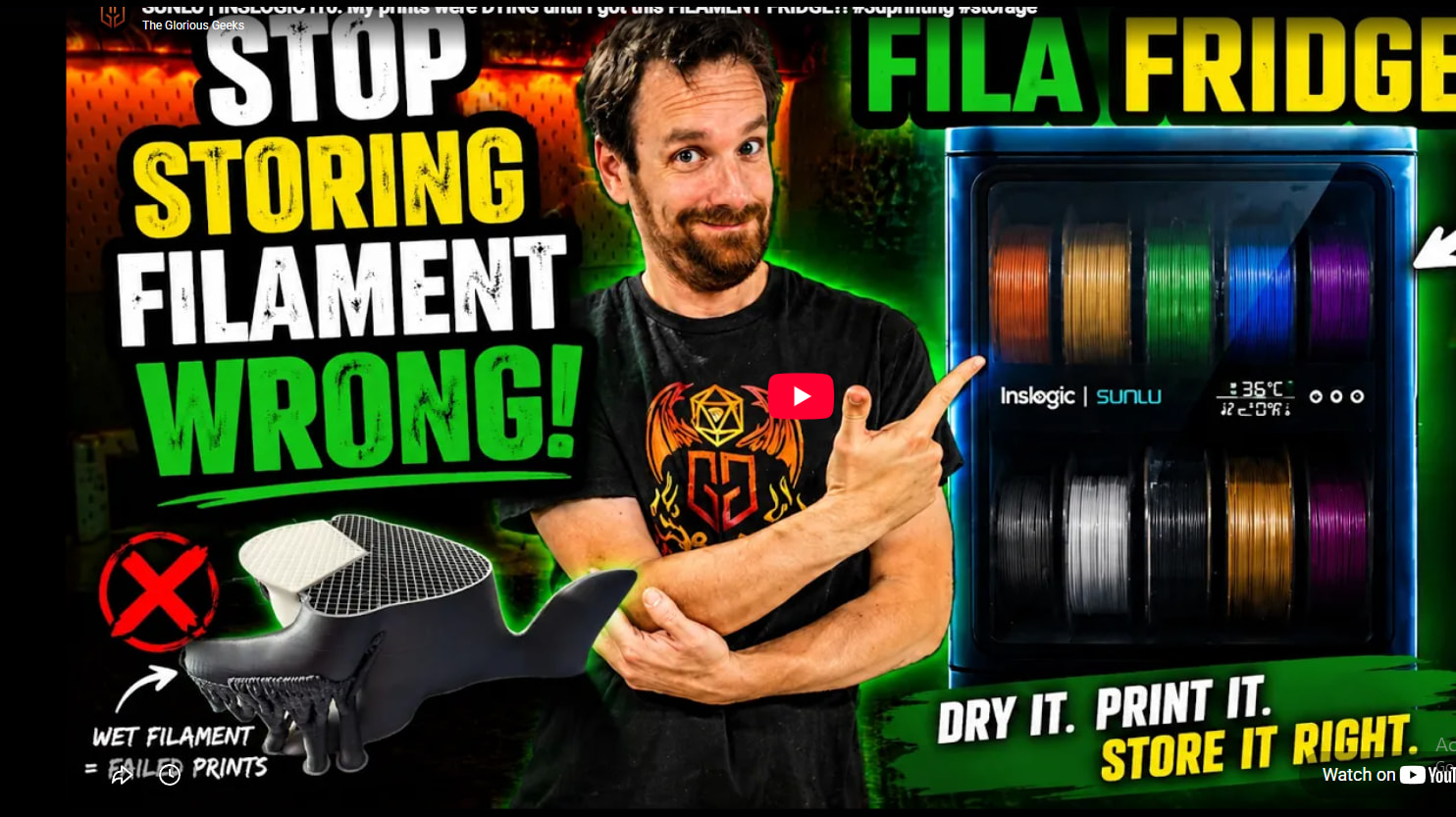
The humidity level shown on this one’s looks like AI generated gibberish.

On first glance this looks like it might be real, except that the numbers just happen to be an exact match for Sunlu’s marketing material:
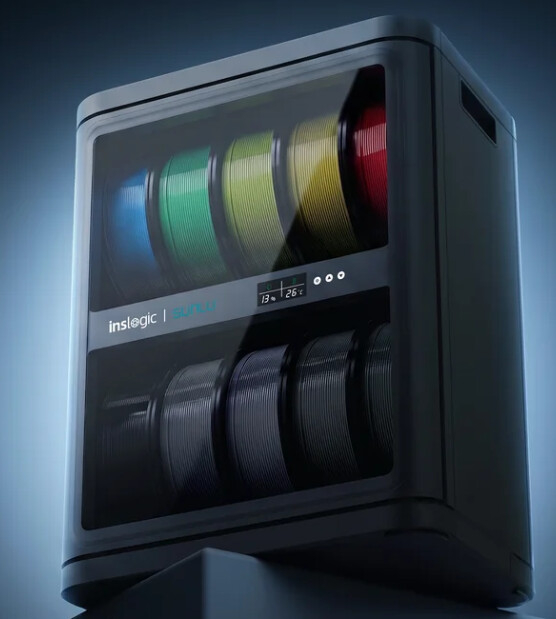
What a remarkable coincidence!
So, my question would be: if these are trustworthy reviews, why are so many of the thumbnails, in my opinion, such obvious fakes? And who are these people anyway, and why aren’t they the usual “trustworthy” youtube reviewers?
This is too many red flags. I think I may sit this one out after all.