Started checking my desiccant more carefully lately, and realized I was just leaving it in the storage boxes until it visually looked “done”. Turns out it absorbs moisture way faster than I assumed.
My setup: spools in a sealed cabinet with a built-in dehumidification system, sitting at ~25% RH. But I still use small desiccant packs in the boxes I keep near the printer for active spools.
How often do you guys regenerate yours? Oven? Dryer? Or do you just replace it?
That’s a great question, and it has an easy answer: weigh the desiccant.
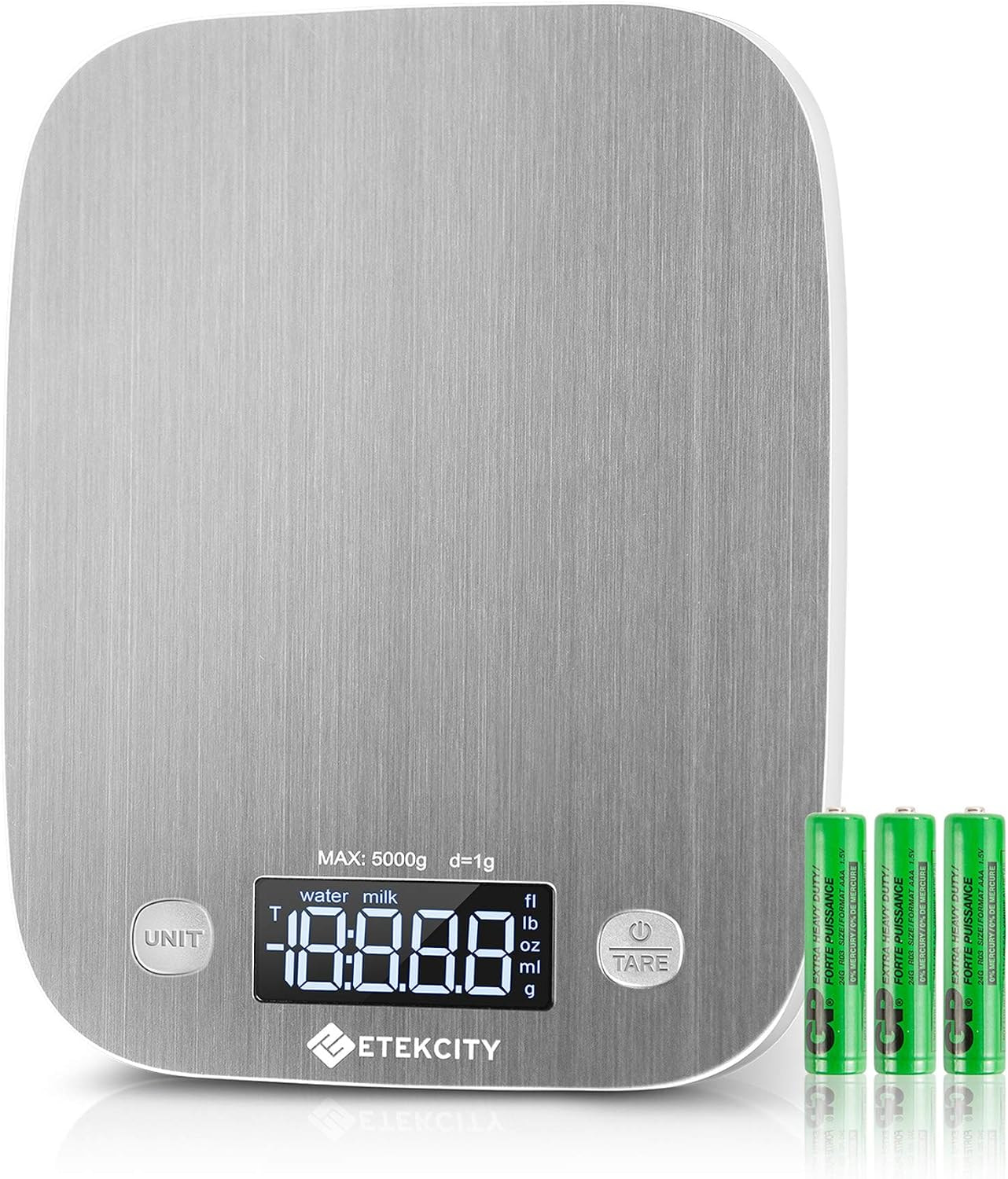
Weigh it when it’s new or immediately after drying and note the dry weight somewhere convenient. As it absorbs moisture, its weight increases, so you can use that increase to determine when it’s time to regenerate it.
The amount of moisture silica gel can hold varies with the type of desiccant, temperature, and relative humidity, so I wouldn’t use a universal percentage as the definition of “saturated.” Instead, establish a practical regeneration weight for the desiccant you’re using.
For a time, I used these 50 g pre-bagged desiccants:
They also contained color-indicator beads, but I found them mostly useless. Only about 5% of the beads were colored, and I usually had to shine a flashlight on the bag to see the color change. Weighing them was much easier. I used 55 g as my regeneration threshold.
Even with these, I still use weight to determine the actual moisture gain.
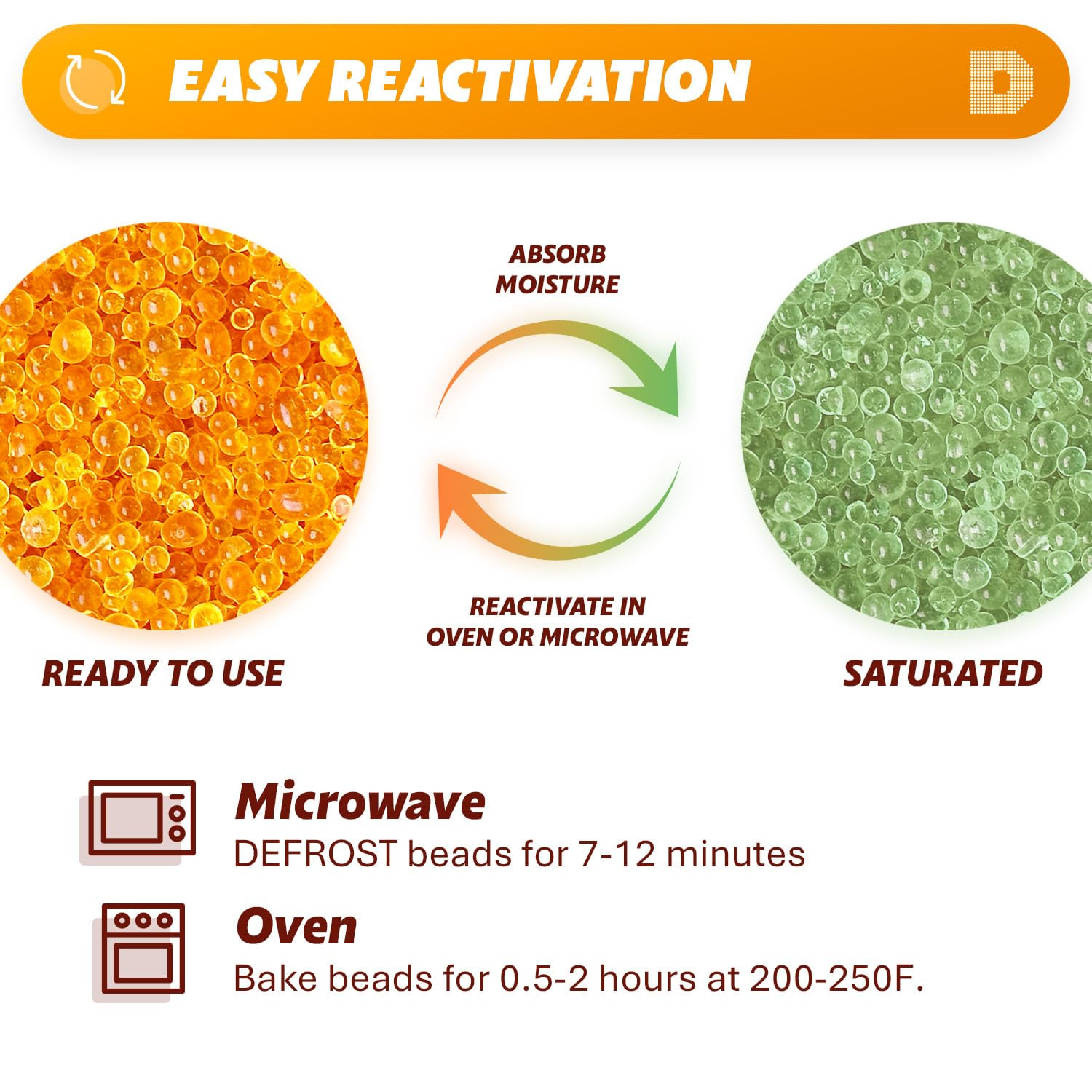
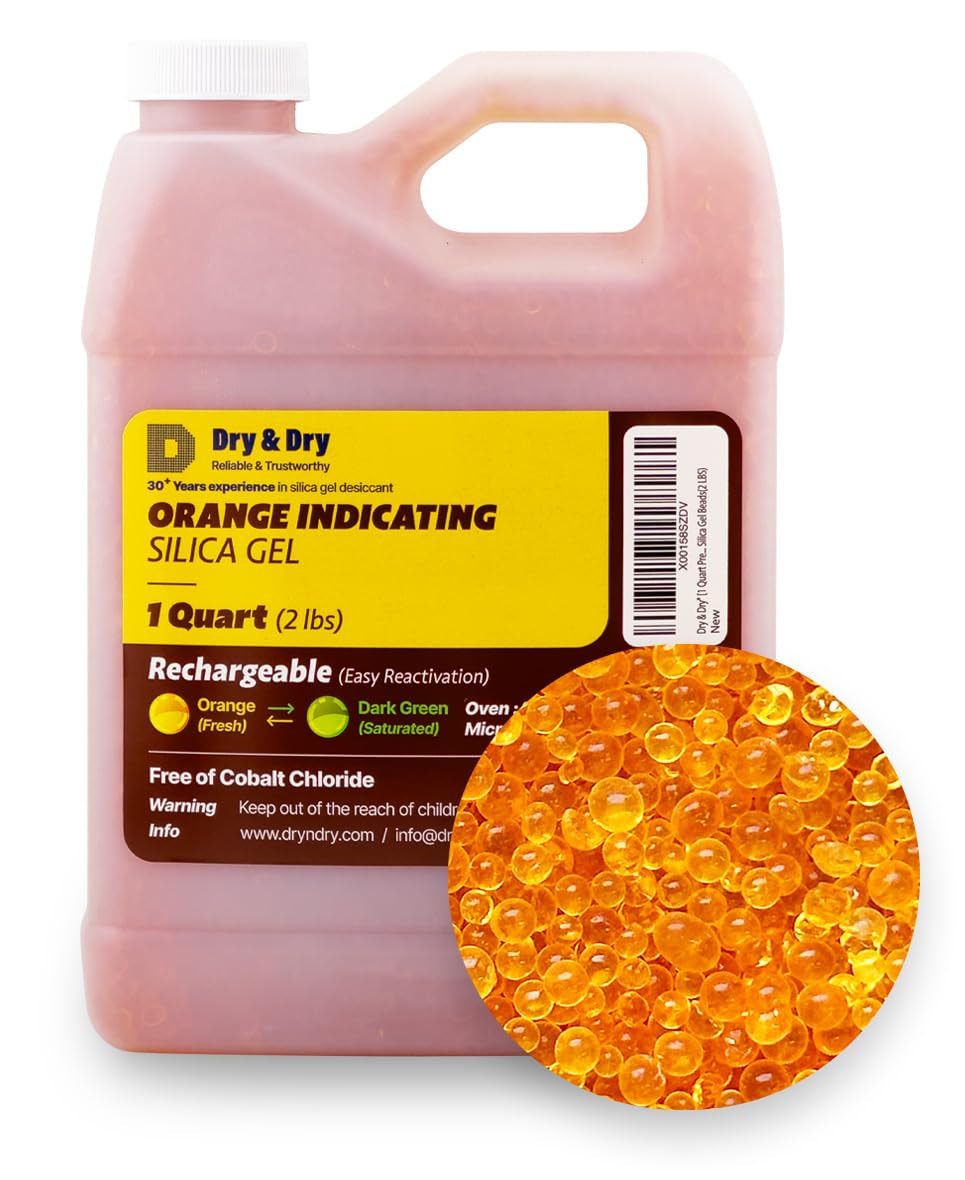
I prefer yellow/orange indicating silica gel rather than traditional blue indicating silica gel because the blue type commonly uses cobalt chloride as the indicator, which has raised health and handling concerns. I also prefer using either my filament drier for which I printed a PETG drying basket or placing them in my kitchen oven if I am drying more than just 100g.
I generally don’t like microwaving them because I found if the microwave is too high or uneven, they can explode and leave tiny fragments all over the interior. If you do decide to microwave, place either a paperplate or paper towel over the beads so in case any of them do explode it contains the dust. It is not dangerous if a few of them pop inside the microwave.
That’s a really clever method — I never thought about weighing them. I’ve just been eyeballing the color change, which honestly is hit or miss.Appreciate the detailed breakdown!
I also have a Bluetooth hygrometer in each container. When humidity inside exceeds a chosen threshold, I get an alarm in the app. I like about that solution, that I don’t have to monitor anything regularly but just get notified when it is time to replace it. For regeneration, I always double check using the weight method.
I heard that they turn colour at a quite high humidity. No idea about the actual numbers. So it’s well possible that the filament has been sitting quite some time at almost ambient humidity when you realise that the silica gel needs regeneration.
Maybe that is no problem but something you might want to be aware of.
Has anyone already tried to dry molecular sieve at temperatures below the recommended 300°C? I’m hesitant to order some because my oven only goes up to 240°C, but that’s probably still higher than what Sunlu is using in its FilaDC.
I haven’t tested it explicitly but I’m very optimistic that it will work very well. Maybe you won’t expell the last 1% of water, so that it only has 20 instead of 21% useable capacity. And maybe it needs an extra 30 minutes.
When I started with sieve, I first dried it in the kitchen oven. Without air circulation it goes up to 300°C. I only heated it 15-30 minutes. When I put the the sieve in a single layer on a baking pan, that worked quite well, but handling was a nightmare . Pouring from a 30x40cm pan at 300°C without burning and without spilling was almost impossible. I also made the mistake to use baking paper once. Not a good idea at 300°C.
After switching to my jig, I consider the sieve finished when the expelled air reaches 250°C.
In the oven, today I would use a stainless steel cullender (looked it up, kitchen sieve in german ) and leave it a fair bit longer in the oven.
You should open the door occasionally to let the moist air out.
Weigh it directly when you receive it for reference. Before regenerating it for the first time, I would let it soak one day at ambient so that you are sure that it is fully saturated. After drying, you can weigh it again and compare against known wet weight to know how much water you pulled out.
For cooling, I pour it into a cooking pot with a lid to keep it from sucking up ambient moisture and let it sit on the ceramic stove top until I can pour it back into a wide neck bottle.
Measuring humidity is really the easiest and most relevant way to monitor desiccant. Especially for the people who load up AMS units or use desiccant in static storage, there are hygrometers usually involved that tell you at a glance where the desiccant is moisture-wise.
Similarly, the answer to “how often” is better asked what’s the humidity? That’s what matters. If you let desiccant get too wet, it isn’t protecting filament any more. It doesn’t matter if there’s still a day or few to go on an arbitrary schedule.
For those with active dryers, do you know what ultimate humidity it/they can reach when empty and just drying air with no desiccant or filament? It’s a very important number to know. If you load up the active dryer with desiccant, that’s the humidity limit to use for the beads. Let them get more humid/higher water content than that ultimate humidity and they start turning into a very powerful water source and starts limiting the performance of the active dryer.
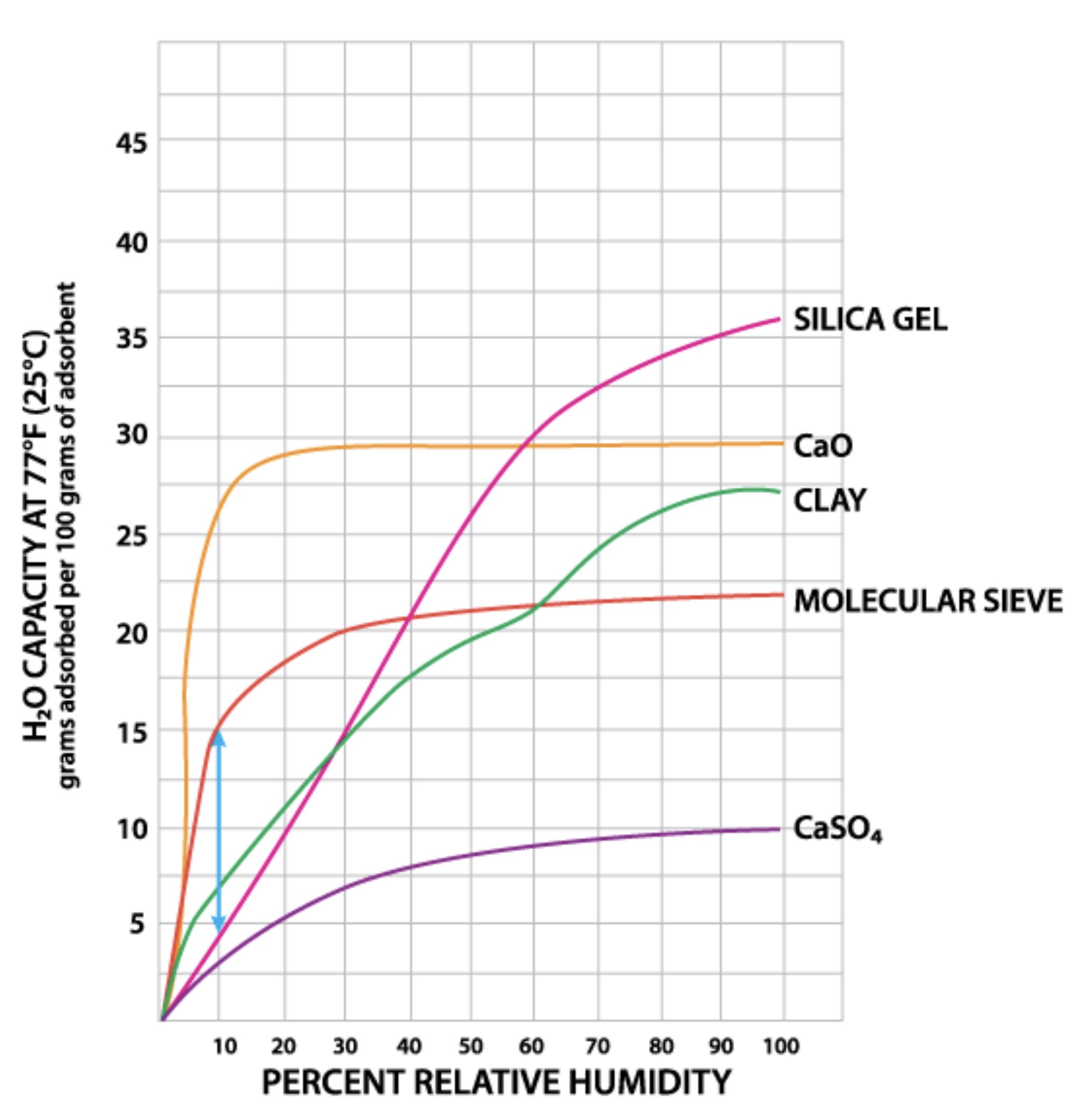
And about weighing vs using humidity - you can use either method. It’s whatever is more convenient but you get the same information because weight and “humidity value” are physically related. In fact, if you want to know the weight without weighing the beads you can measure the humidity value and use a graph for the desiccant to determine the weight. I prefer to just use a hygrometer since that is telling me humidity and that’s the number most useful to me for knowing just how dry my desiccants are.
The desiccant industry uses weights and humidity both when discussing desiccants and publishes graphs like this one that directly relate humidity and water weight.
Sorry mate, I should have mentioned that I use cheap digital humidity and temperature meters along side. Not sure how accurate these are, but my setup is good enough for me now. Mainly print PETG.
There is a Sunlu dehumidifying cabinet that we believe is based on that strategy in order to keep temperatures manageable for the dehumidifier mechanism that has an outer plastic body.
There is a consequence, though. The lower temperature used during regeneration can’t remove all the water so the humidity can’t go as low in the cabinet as the sieves they use can actually go if they were more thoroughly dried. The cabinet bottoms out at about 10% RH at room temperature because of that but 10% is actually fine for most filament storage.
If you look at the graph I posted above, a 10% humidity corresponds to around a 15% water weight that the regeneration cycle can’t remove. Don’t know which sieve is depicted in that graph so it might not be accurate for the sieves Sunlu or you are using but should be somewhat close, but that’s basically what goes on.
What I do is monitor the AMS units RH%. When it gets to high teens, that means the desiccant is done, or nearly done. I have both blue and orange desiccant and rotate between them. When its time to swap, I pour out the used into a glass dish, then refill from the other color and put the containers back in the AMS. Then I run the desiccant through 5 minute @ 50% power intervals in the microwave. I do two glass dishes full, while one is baking, I pour the other into a metal tray to cool and release the moisture, then when the other has baked 5 minutes, I put the cooled back in for another 5 minute interval while the second batch cools. Usually takes 3-4 cycles to fully dry out the desiccant, then I pour the freshly dried back into its original container until the next cycle. With 7 AMS this is usually a 1-2 hour maintenance job done either once a week or every other week depending on how often I swap reels of filament out. The HT I have to do more often though, doesn’t seal as well. My current room RH% sits at 67%, my AMS are all in single digits since my last swap on 3 units last Friday, the HT of course is climbing again, and I have ASA in it.
I just replace it; the hassle of drying, energy used, dedicated oven just is not worth it to me. I switched to Activated Alumina, seems to work better and last longer for a similar price.
I use activated alumina in the ubiquitous AMS dessicant holders that I printed in PPS-GF. I have two AMS’ which just use the letter system to track humidity and two AMS 2 Pro’s which give an actual percentage.
With freshly dried activated alumina they get to 0% humidity within a couple hours usually and stay that way for a week or longer depending on the outside humidity/season. When the AMS 2s start reading 1% I just pop all the dessicant holders in the oven and recharge them.
It’s overkill, but since they’re PPS-GF and can handle 450f (~232c) that activated alumina dries at, it’s no big deal. No emptying and pouring little beads into tiny containers or anything. I just pop the holders in the oven and then back in the AMS’ once they dry and cool.
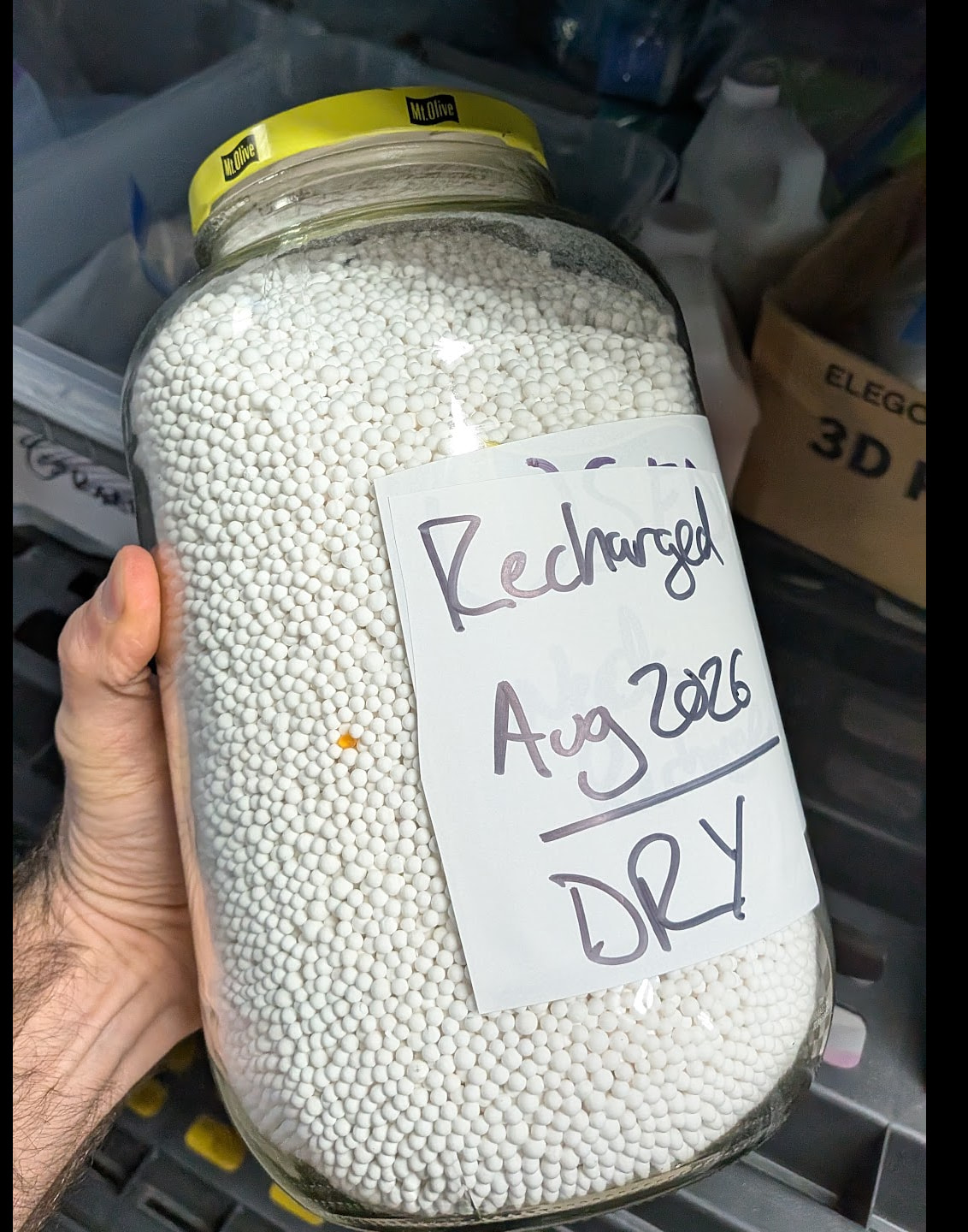
Dump used dessicant into the used pickle jar. When its full, do a recharge, transfer to your charged pickle jar.
The only lesson learned I have to share is that this is way better with silica. Alumina abrades itself from friction and creates dust. I keep meaning to create some “packs” out of the alumina which will hold it firmly in place forever, but they need to survive regen temps [150-200c+] and if anyone has some cheap easy ideas that aren’t aluminum im all ears
Hm. Are your containers holding the balls packed tight, and when regen, did it deform? I tried this once with a nylon and it did not hold up. “Creep”. Didnt melt outright but it did deform and start letting balls out.
One time I dried a set too close to the upper heating elements in the oven and had some slight deformation. But as long as I keep the holders at least 6 inches away from the elements there’s no deformation at all. I’ve probably dried the current set about 40 times with no issues since then.
Edit: I should also note that I made sure to anneal the dessicant holders after printing them to get the full heat resistance of the PPS-GF. I used Fiberon PPS-GF and annealed per their instructions-130c for 10 hours.

 ) and leave it a fair bit longer in the oven.