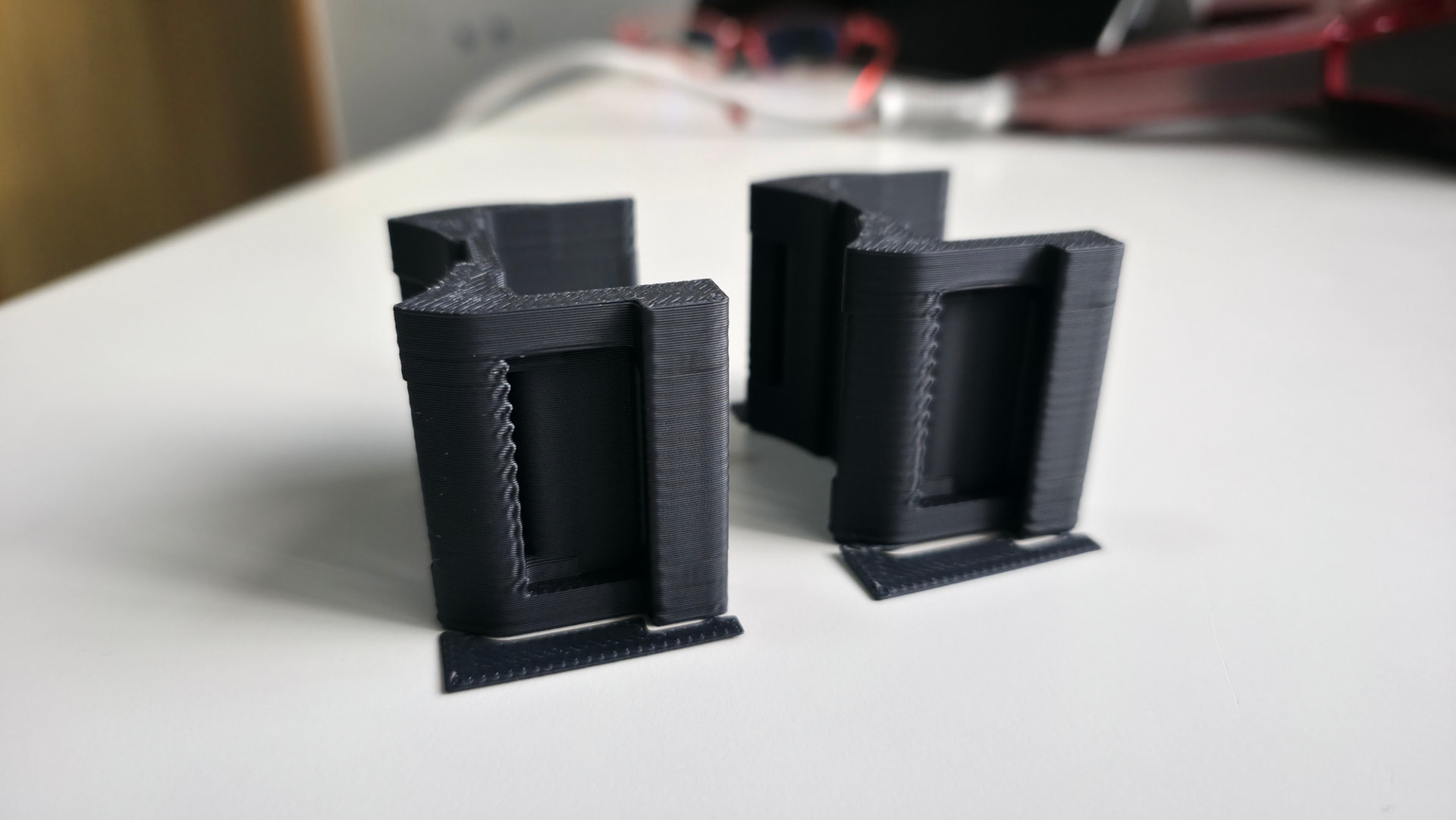
They’ve sold us a dud. This printer is nowhere near ready for sale. The fancy features on their website basically don’t do what they say they do. Mine is producing worse prints than my A1 mini and X1C
Your response makes no sense at all. The OP has used the same filament for a print on both printers, and the A1 mini shows clearly superior quality.
apparently nobody here has ever heard of satire because my comment was clearly overexaggerating.
I am seeing exactly the same post appearing here that approximately a year ago were active in the H2D section.
Surely you might expect some better results OOTB, but these are almost all related to filament profile settings.
The enhanced cooling was one of the things that caused a lot of issues that all smoothed out now.
I guess the X2D will follow the same path.
I hope it will but it’s always good to point out these things, because it’s not a first printer from an unknown producer. I bought P2S just after release and quality wise it was simply another level. So yeah, for now we have to wait for another updates.
Personally, with my X2D (1st version) i do not have leveling function / first layer problems but as far as the print quality is concerned I get significantly worse results if I enable the “Dynamic Flow Calibration” feature, which is why I no longer use it.
I hope it’s matter of missing R&D development that will come in the near future.
My suggestion is : try disabling “Dynamic Flow Calibration” and compare the result.
I’m always doing manual flow calibration, especially for test purposes. In fact, I did this calibration twice, one pass from each method - line and pattern. Just to be sure that correct K value was determined. Also, yesterday a new printer arrived (from different manufacturer) so i will take the tests even further.
Yes my printer does the same and it just sucks
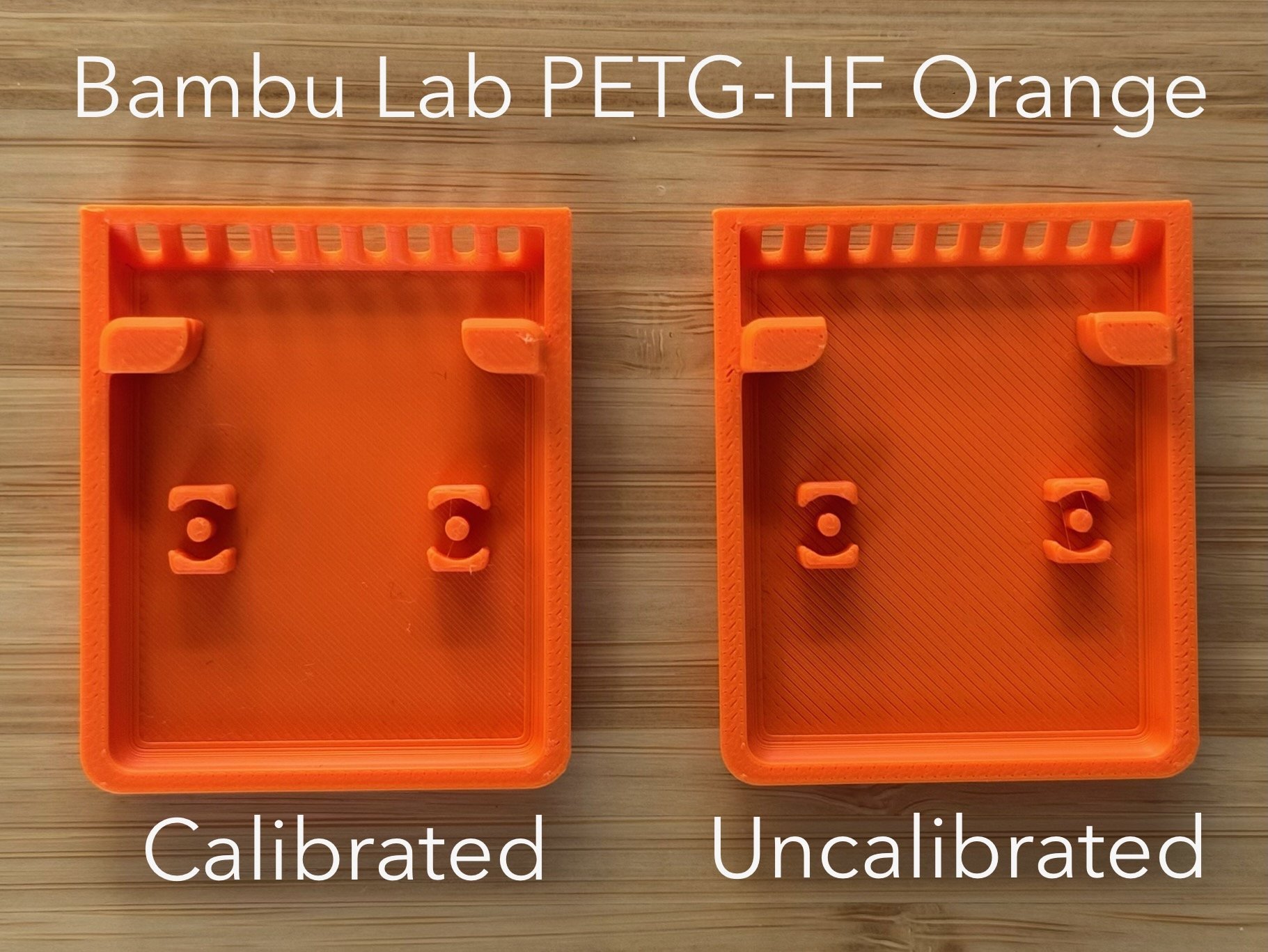
Classic under extrusion. On flat prints, this results in these gaps everywhere. On vertical prints, every under-extruded layer accumulates, compromising the model’s quality and structural integrity over time. You mentioned running multiple tests and settings, but I wonder if you actually conducted proper calibrations specifically for the filaments you intend to use?
Here’s a quick comparison I made a while ago when experimenting with PETG HF for the first time:

You can refer to these official guides on the BBL wiki, which cover the most important things:
Did you even read the first post? I’ve mentioned there that flow rate/dynamics was done, and I confirmed it once again on later posts. Both done manually, to determine proper flow rate and K-factor for every roll of filament that I’ve used for the tests. So reffering to basics guildlines is quite pointless in this context.
My bad, I actually missed that line in your post.
I’m at a similar place with my X2D (Purchased on day #1). I have constant under extrusion issues on the first layer which require multiple first layer height adjustments to correct. It’s not simply just setting the height once and letting it go. It loses level part way through prints and starts squishing one side while printing too high on the other. Doesn’t recognize the brand new engineering plate which was purchased three weeks ago. Can’t load any filament profiles outside of Bambu’s and the generic. To top it all off I couldn’t even get it to load filament for the first week and it took hours to figure out the problem. This is my fourth Bambu labs printer and I’m thoroughly unimpressed. Clearly this was a machine that was rushed to market. I’m going to be selling it at a loss and moving on to something by else.
Hello,
I am another user dealing with these exact same under-extrusion issues. It is much more pronounced on PETG than PLA, but it is present on both. Unfortunately, regardless of flow calibrations, filament tuning, or slicer settings, the issue remains completely unchanged.
This is my second Bambu Lab printer. My first was an X1C, which was a nightmare to get working from day one—requiring a full carbon rod replacement, and a LIDAR unit that failed within four weeks (and remains dead even after a full replacement).
I bought the X2D because of how well-received the P2S was, but I am seriously starting to regret my decision. To make matters worse, last night I started hearing a distinct clicking noise coming from the pulley next to the XY-axis B motor. Only after around 100hs of printing time.
I really expected that after so many years of hardware experience, Bambu Lab would deliver a much more refined product. I don’t want to spend all my free time constantly troubleshooting. I had BiquB1 machine and at that time it was ok to troubleshoot because the price and promise of that machine. Bambu Lab markets their products as “plug-and-play” with minimal user intervention, but I’m finding myself spending quite some time troubleshooting hardware rather than printing. Given their years in the market, I expected a much more polished product.
Going through the ringer with bambu support right now. A little frustrating only getting a reply once a day or less. I am trying to be patient. None of the calibration or other suggestions are doing anything including not using an ams, cold pulls and cleaning, swapping the nozzles, tightening those funky screws behind the nozzle, testing flow ratios and ironing.
Today’s test part has cross hatched under extrusion on the top surfaces, rough areas that almost look over extruded, some underextrusion on the bottom, and an area where it warped and lifted up. Off a clean supertack. I am guessing the underextrusion means it doesn’t make a good connection.
I never had the warping problem with my super tack plate when I had the p1s.
My experience is very similar, I can clearly see inconsistent quality throughout the print with both PLA and PETG on the main extruder. With some calibration trials I can not see clear difference and or there is a big difference between edges and the flat area. So it definitely will need dialing much more setting then simple PA and K.
The AUX one looks like more consistent but overall low quality and low speed.
In general I do not like the calibration flow. And managing the settings is real mess between the printer, cloud and local. Plus so many screens and tabs, and sync buttons. Everything is all over the place.
I do really think to buy few A1s for PLA/PETG/TPU printing, and maybe leave this one only for engineering stuff. If the panels do not warp/melt to much.
Currently seems like the Bambu “experience enabled” printers are A1s/p1-2.Maybe A2 too.
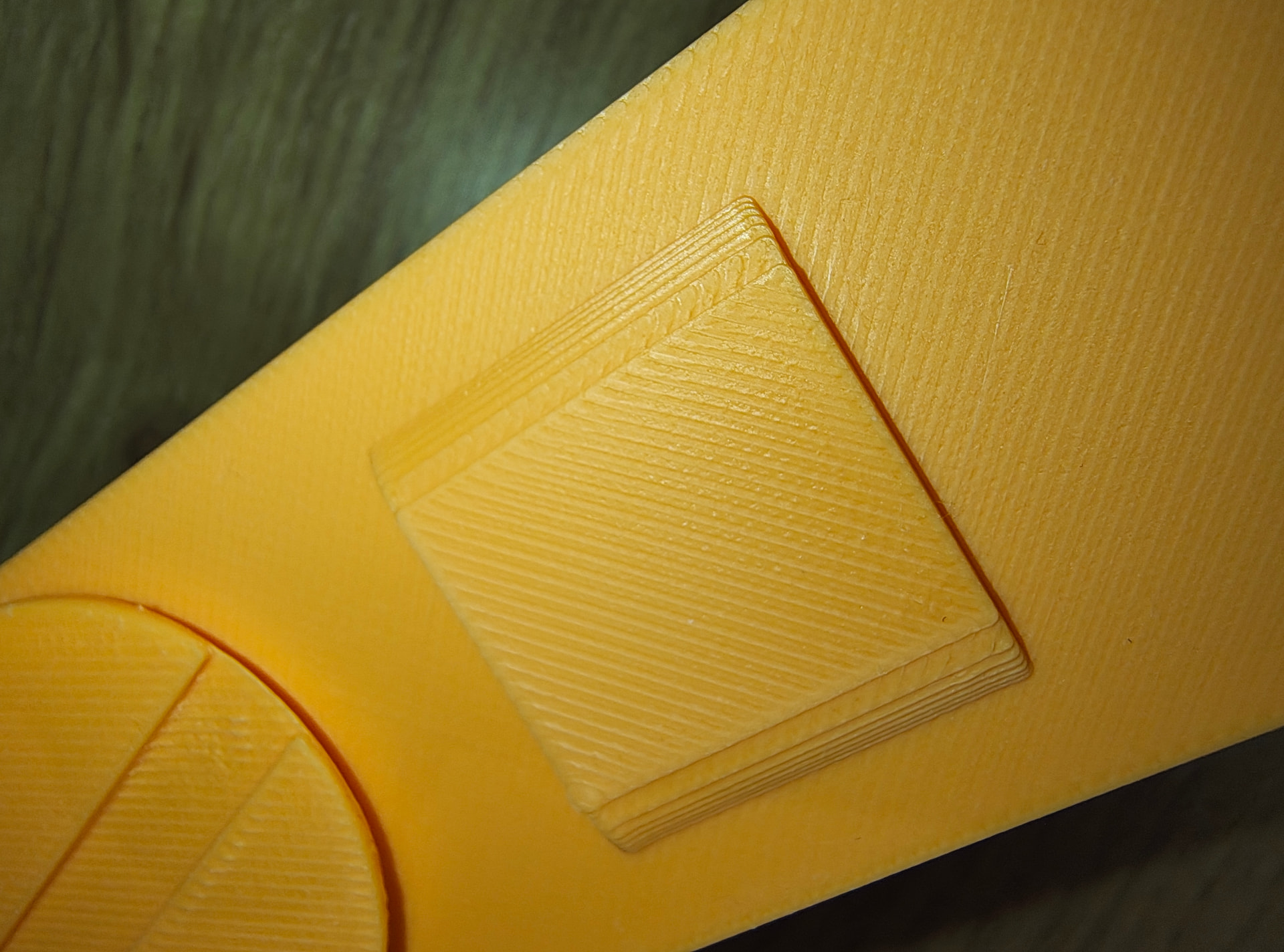

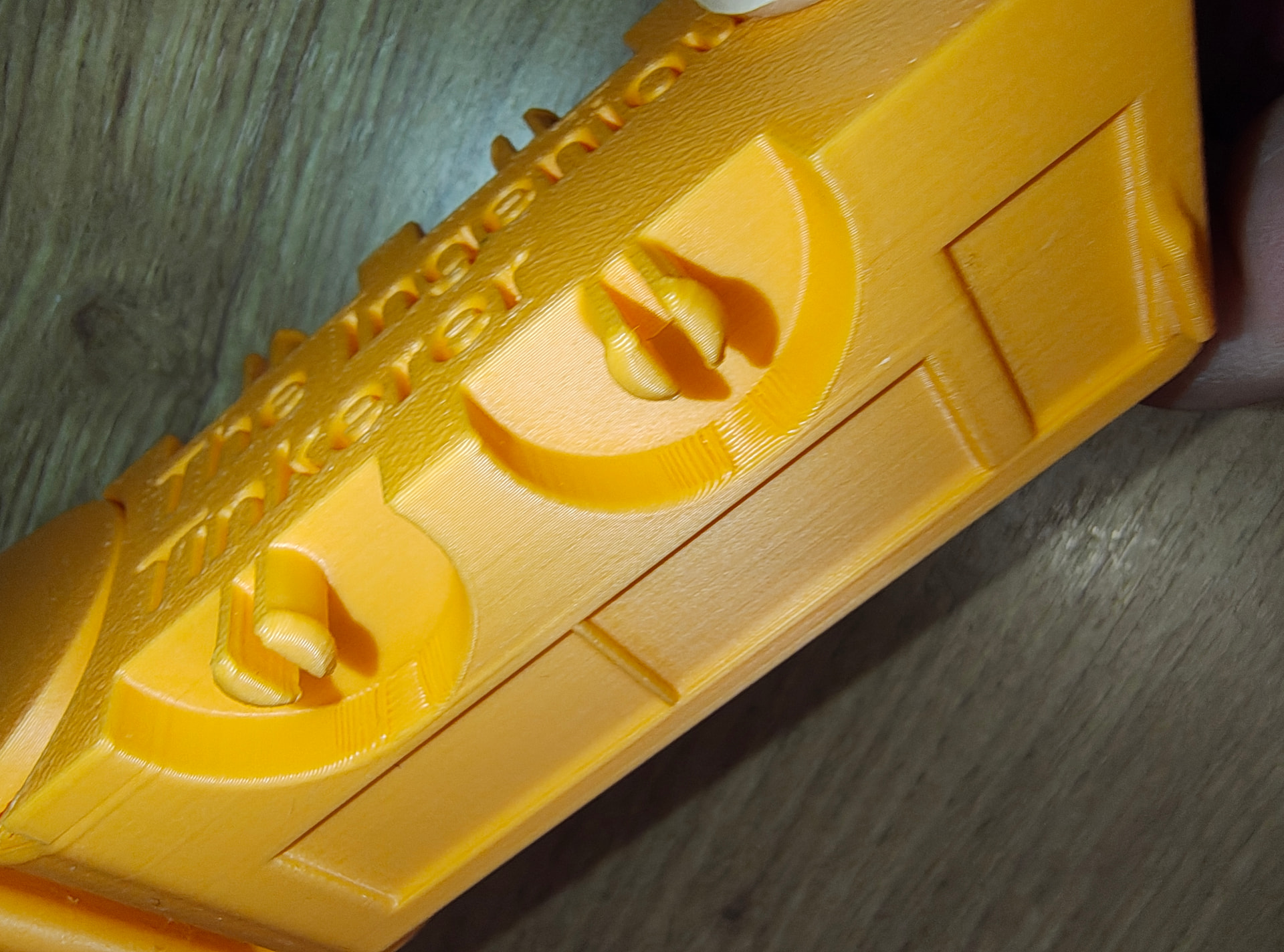
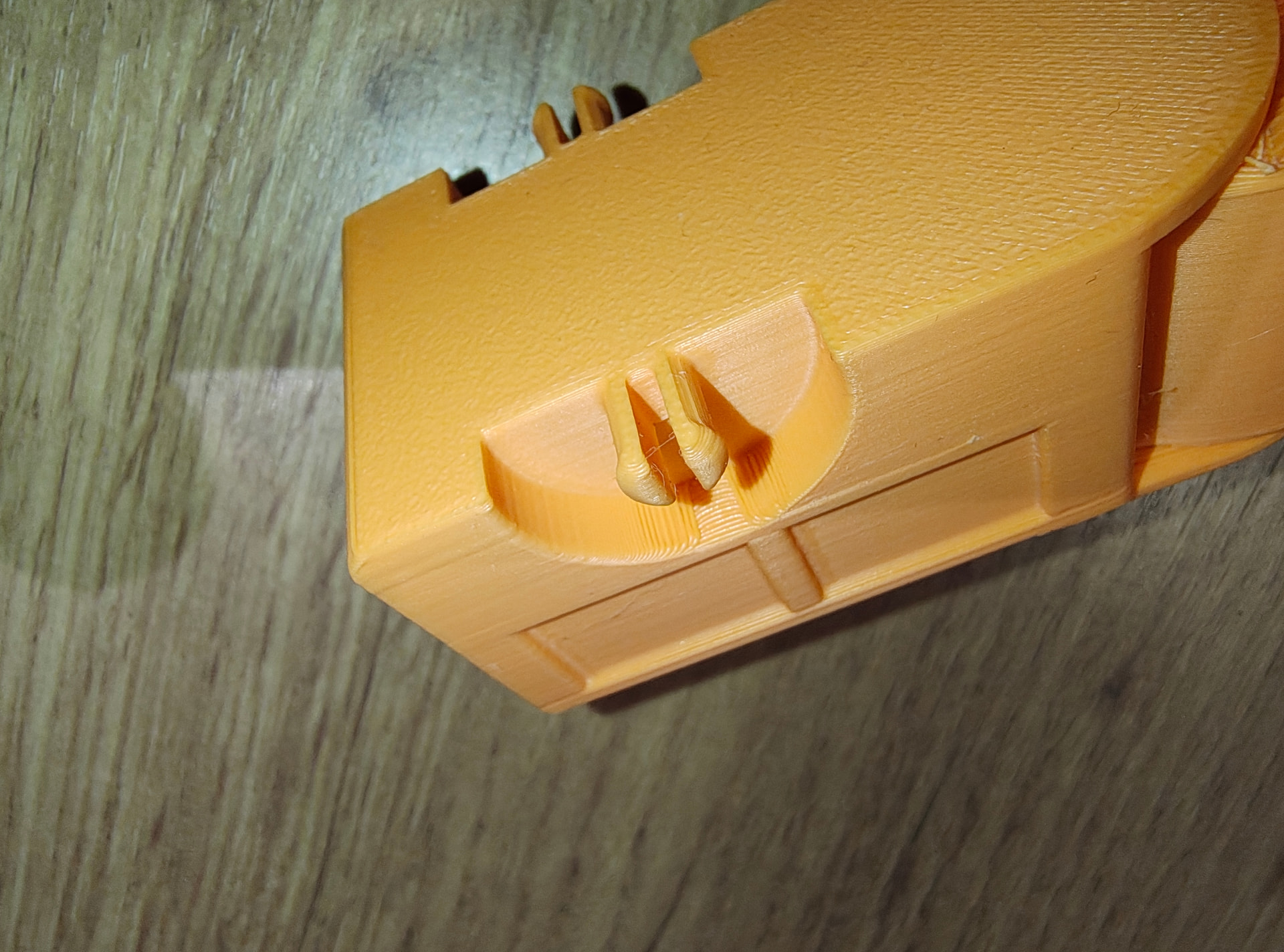
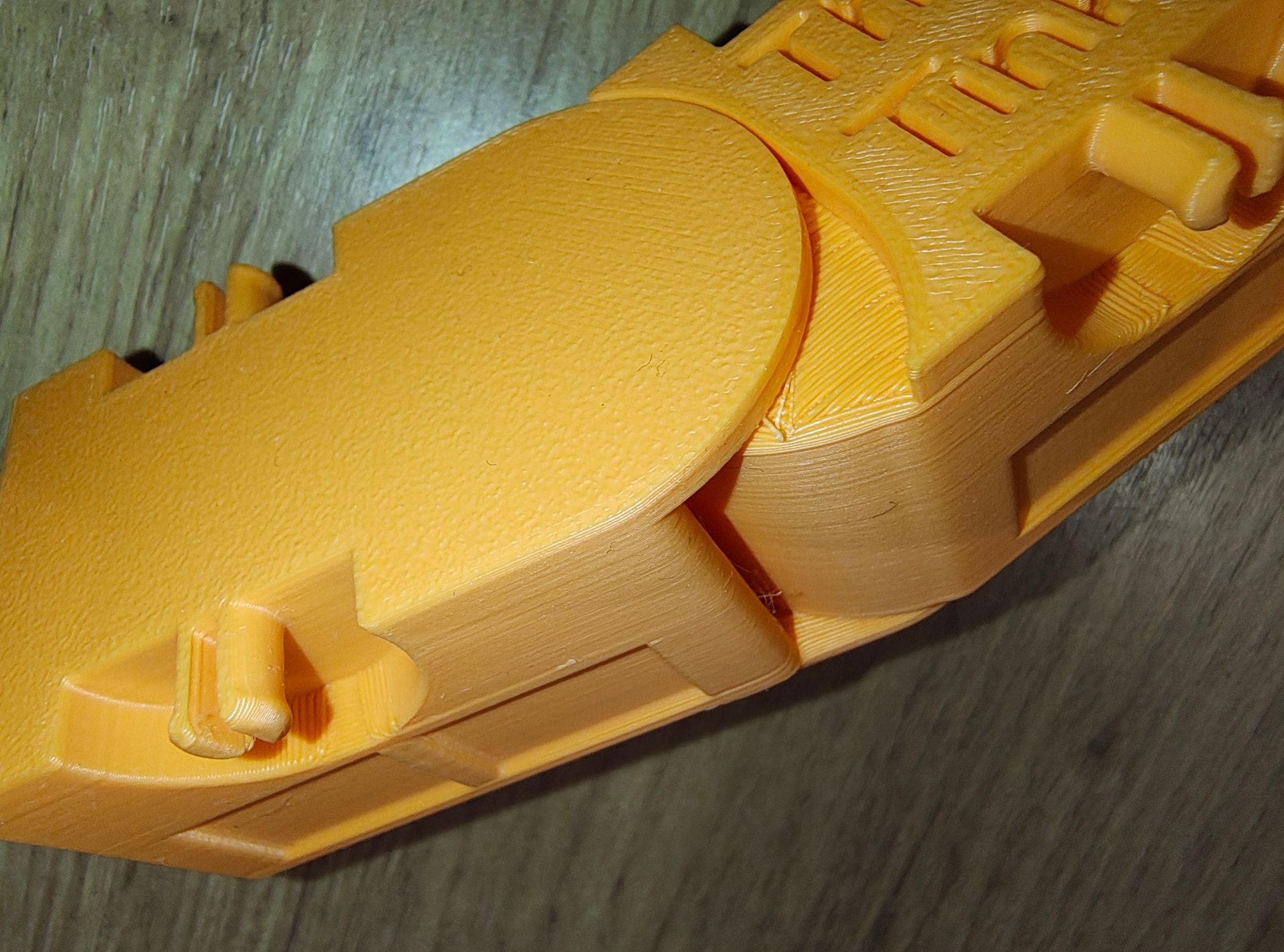
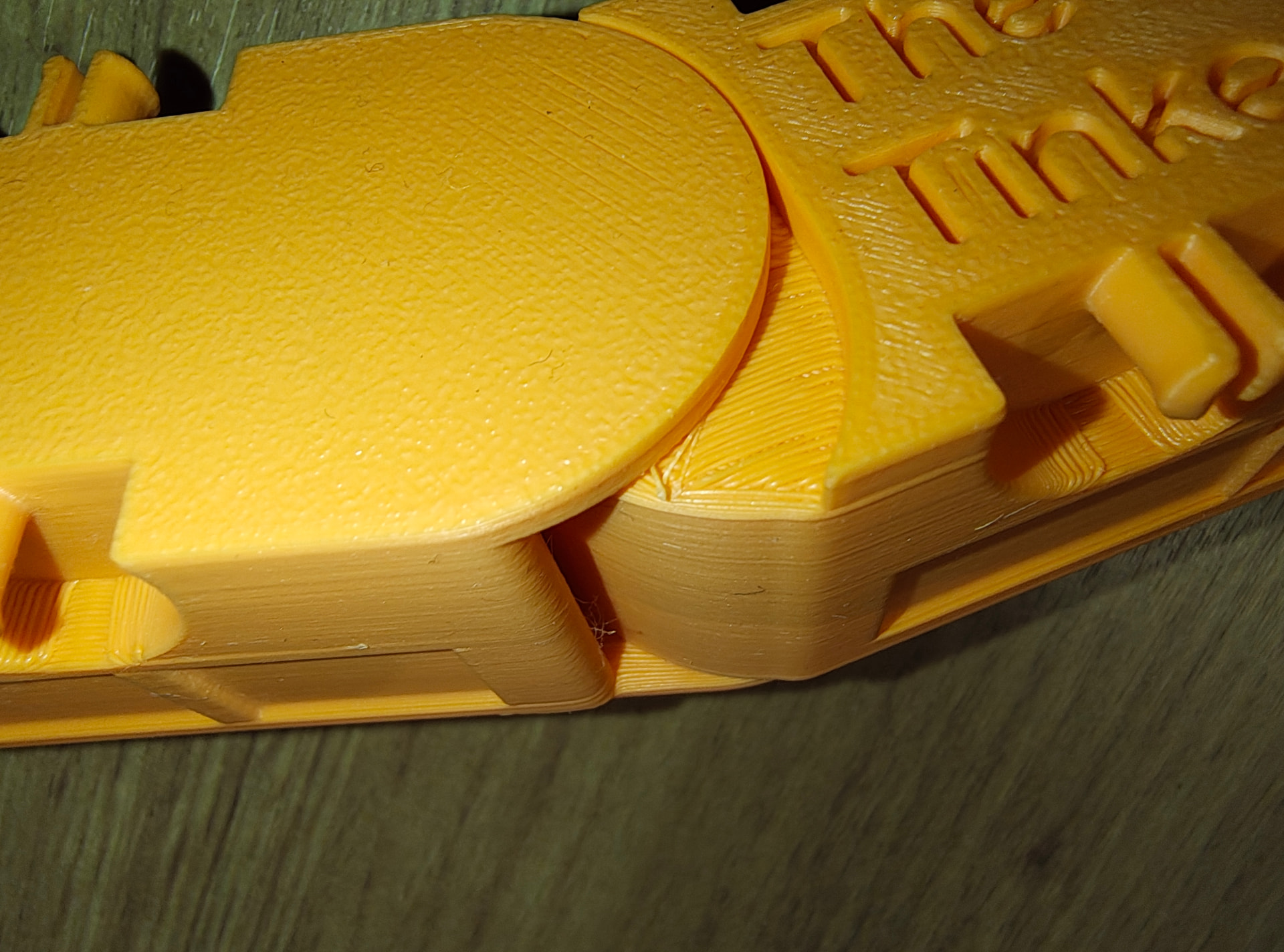
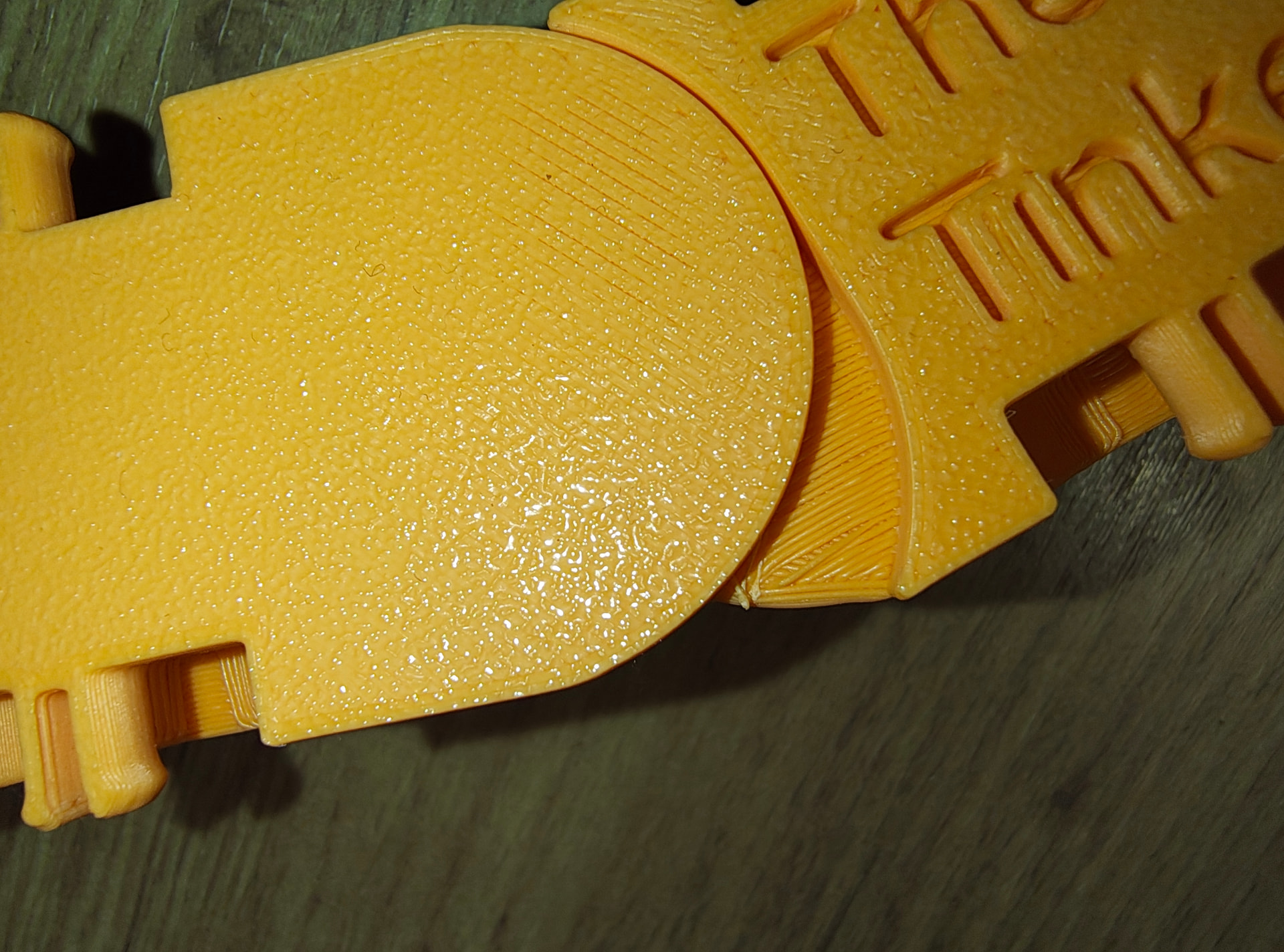
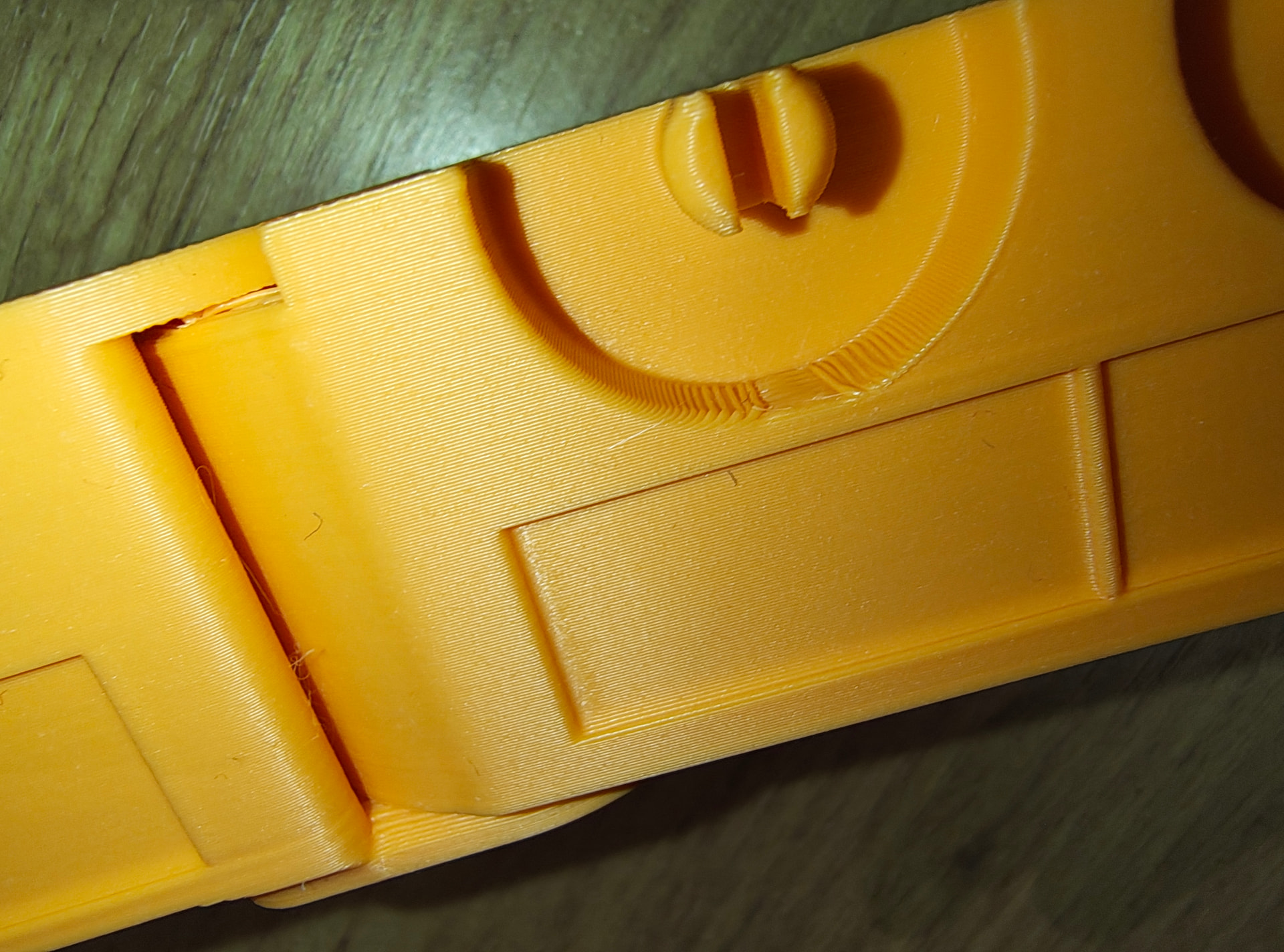

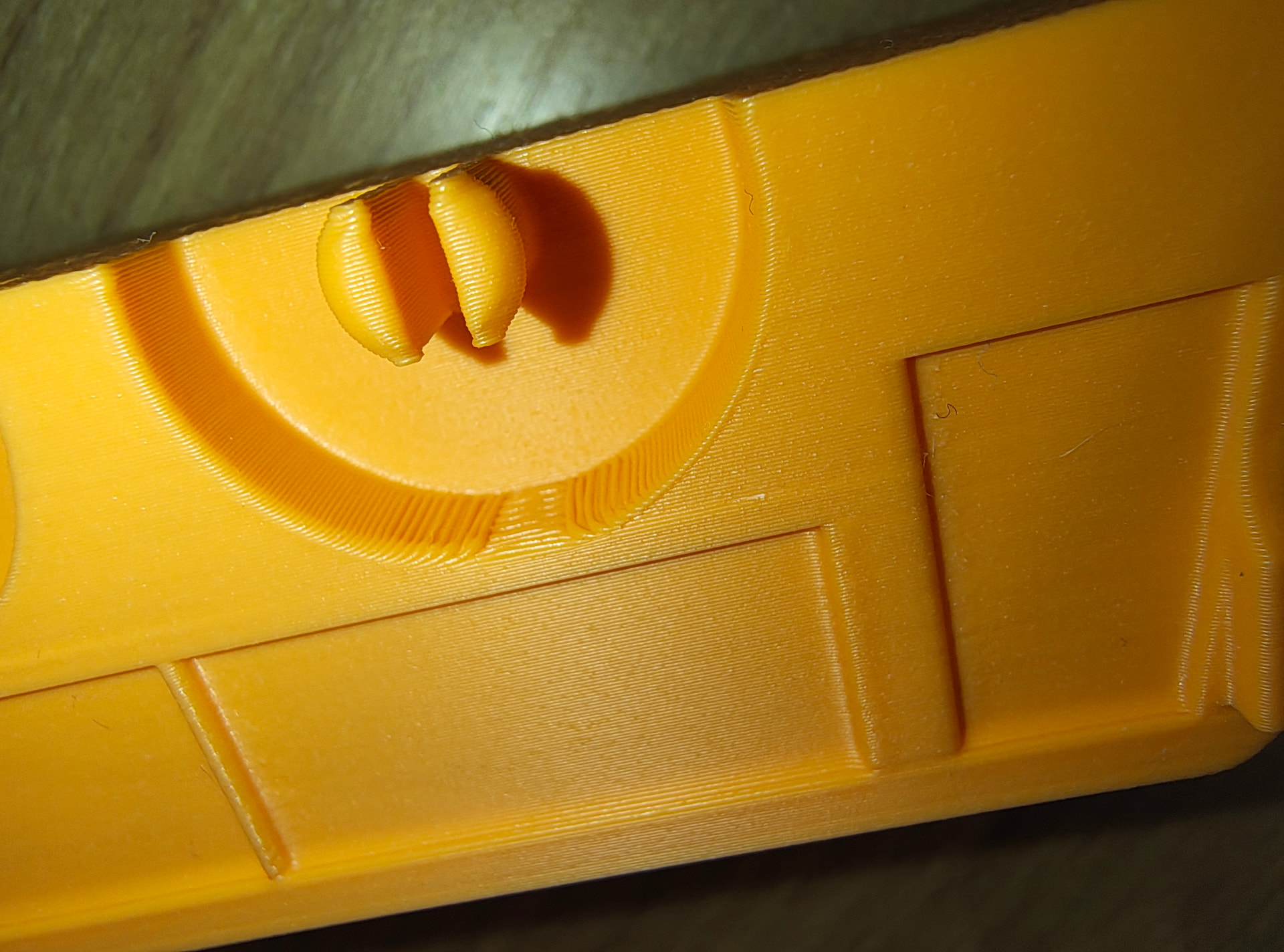
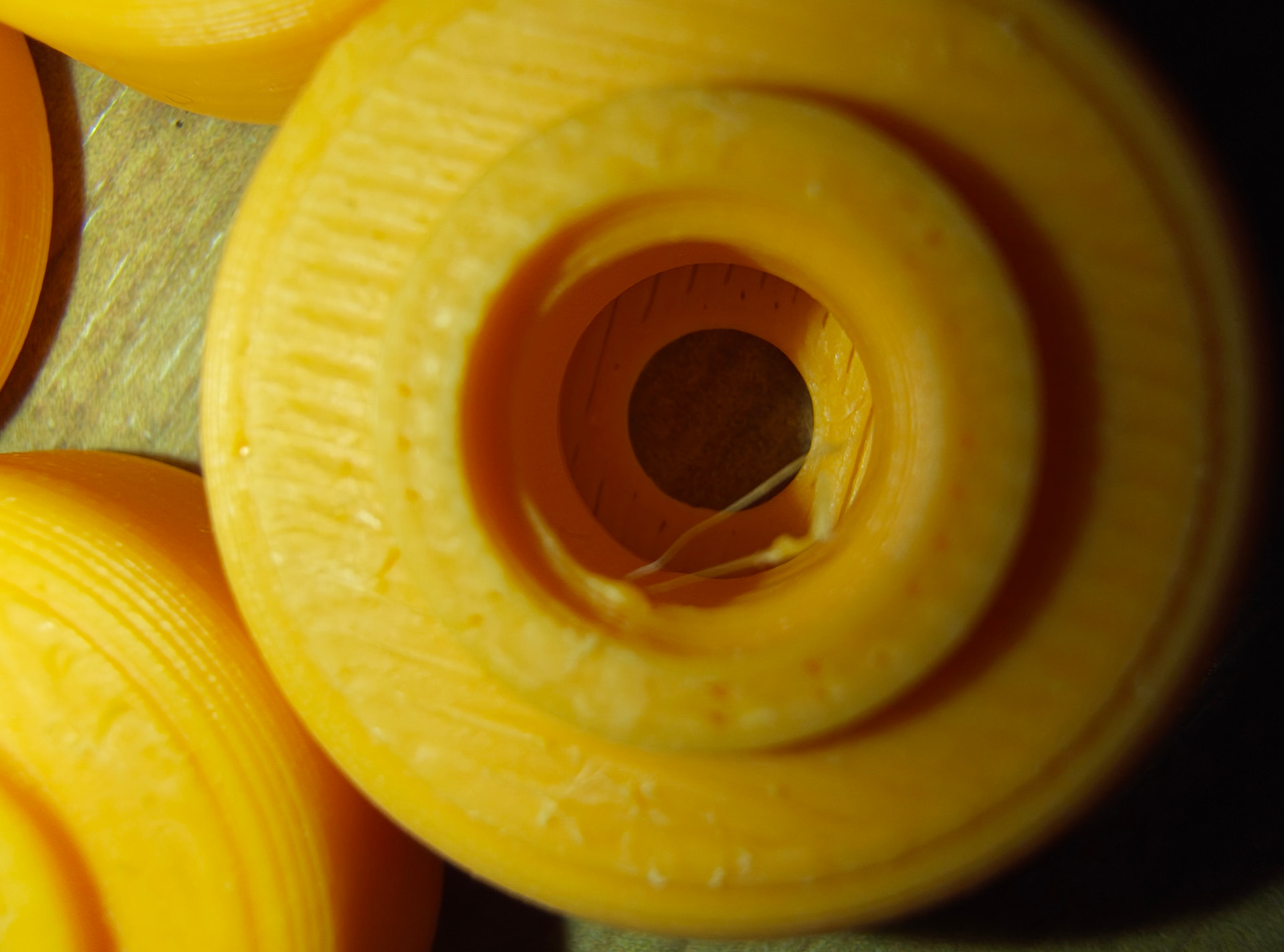
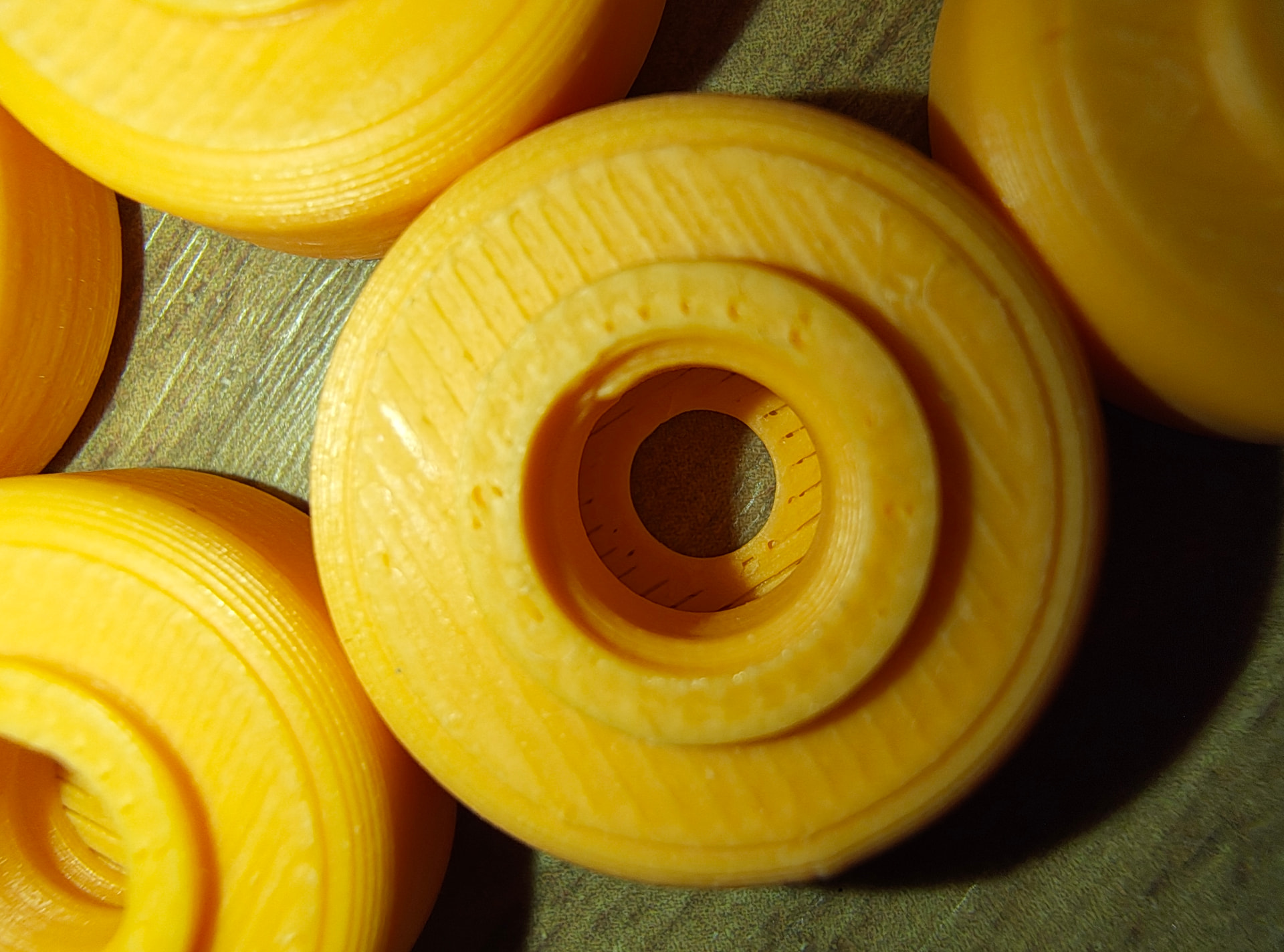
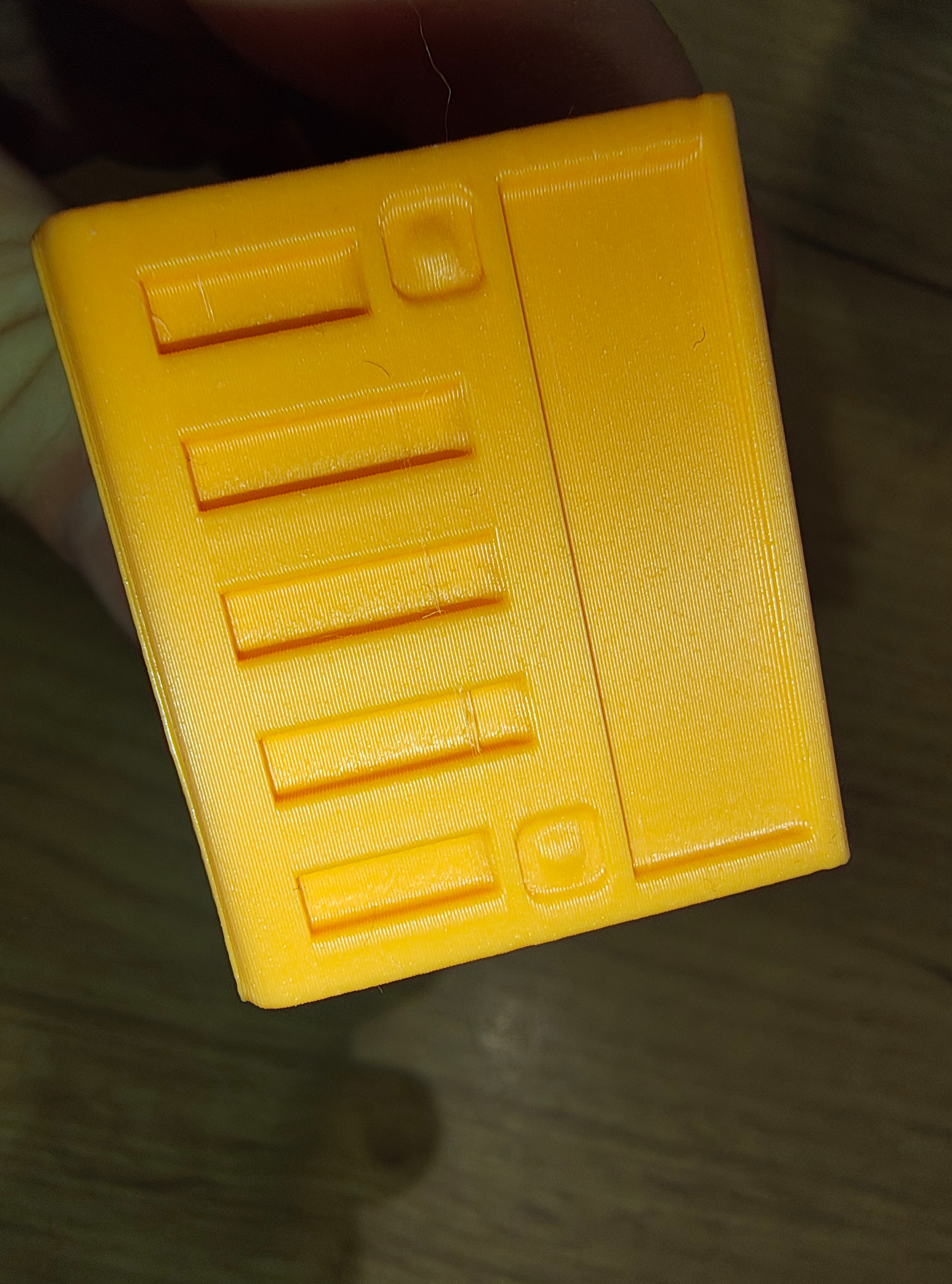
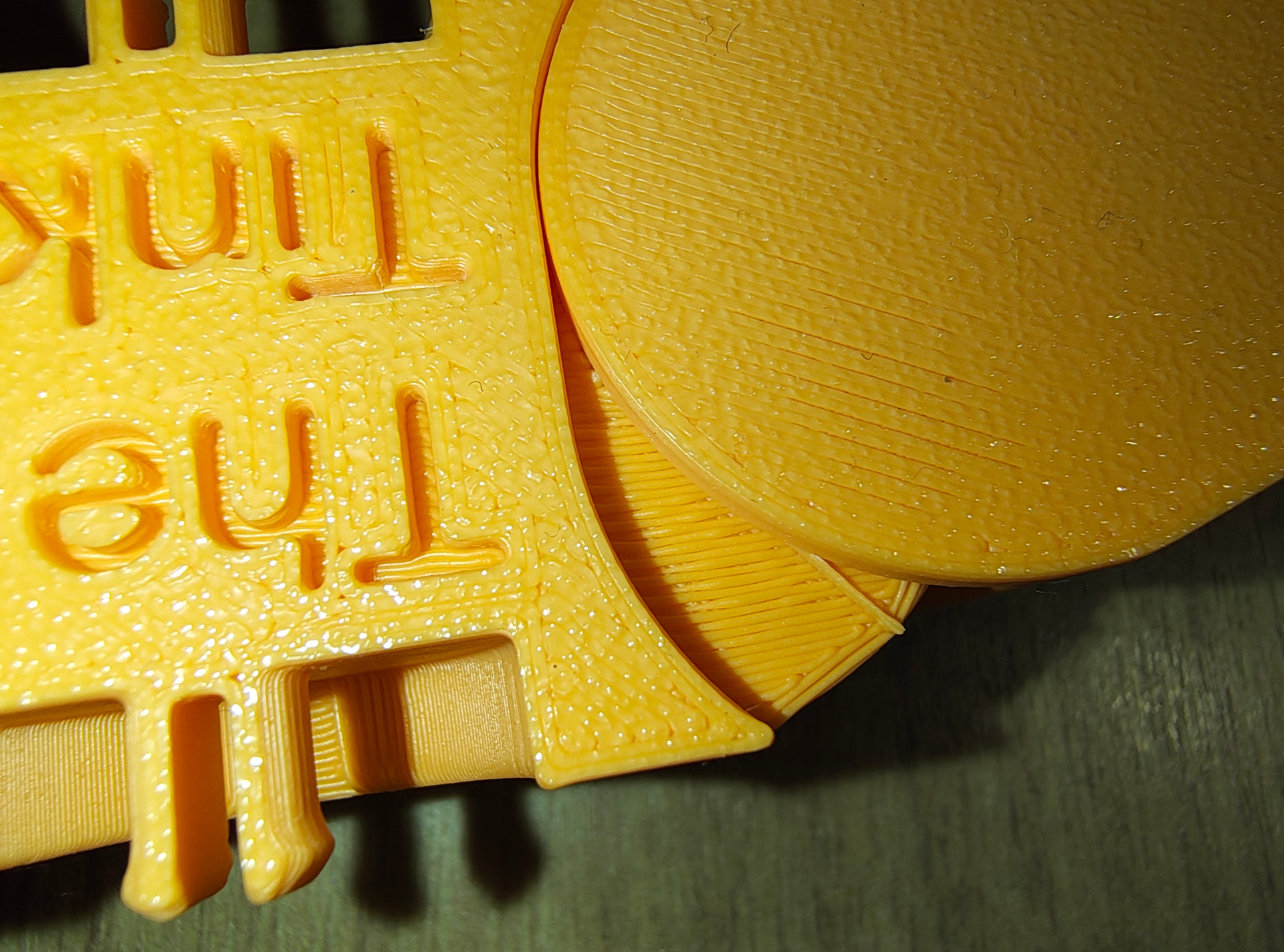
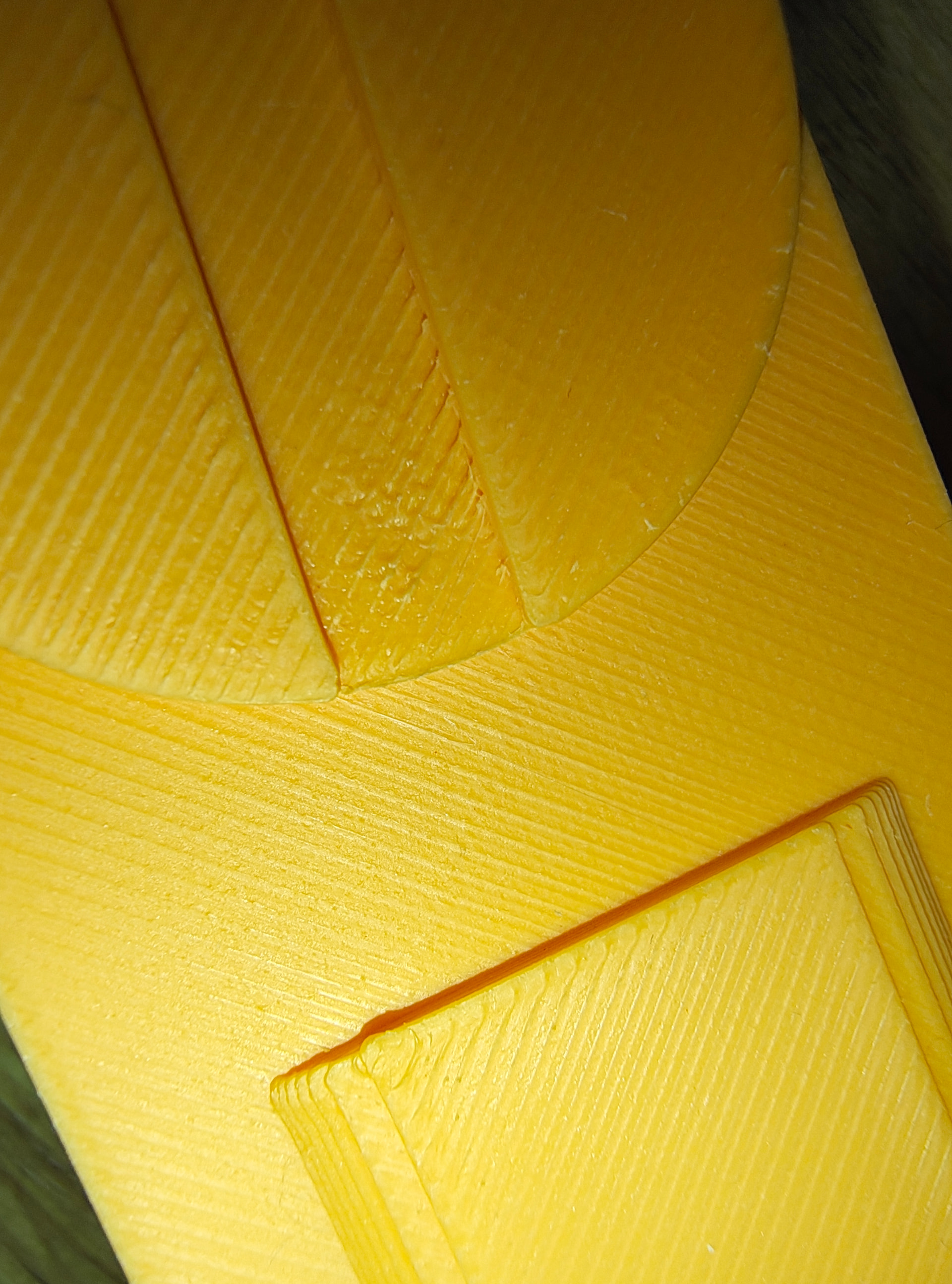
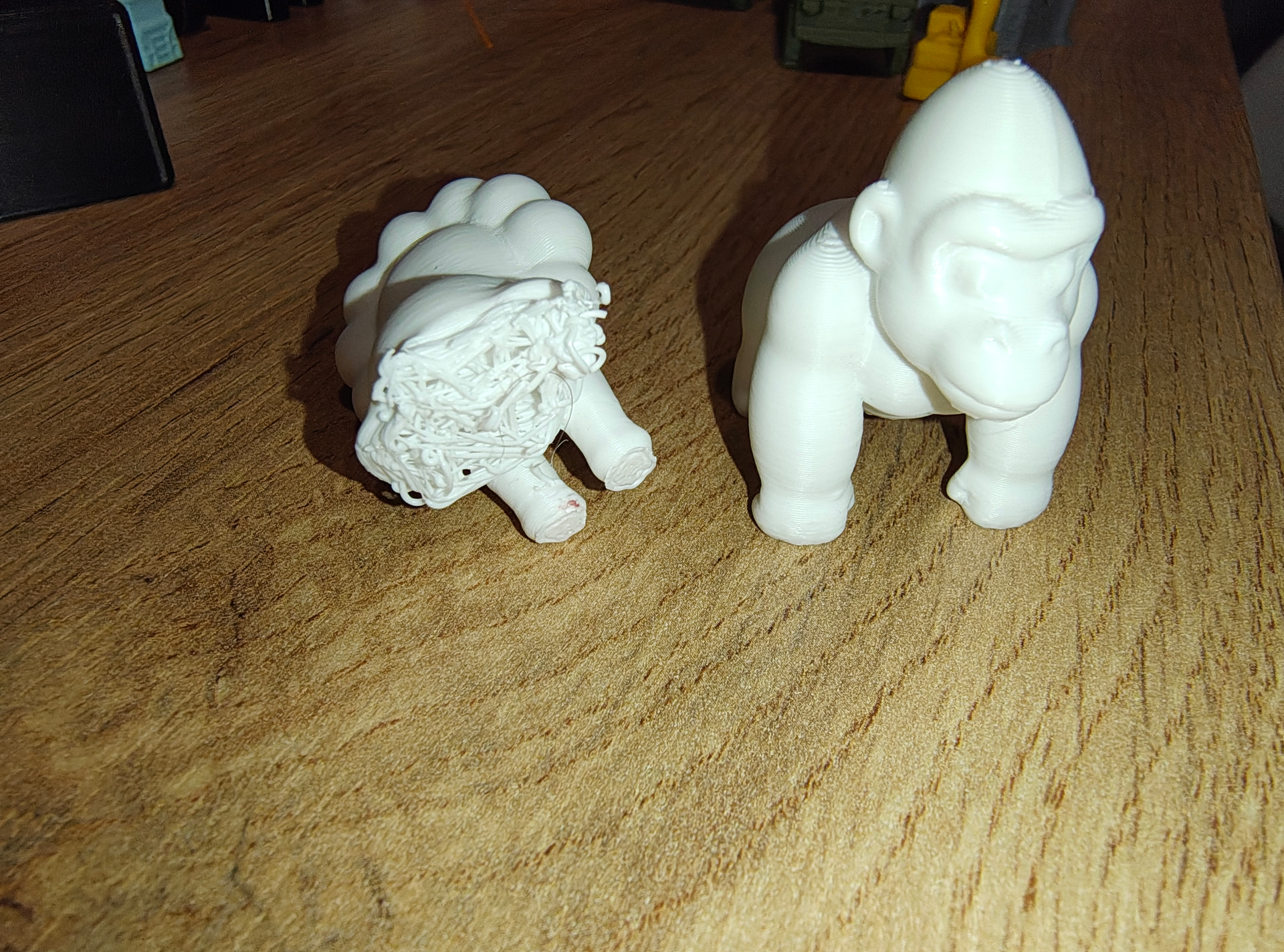
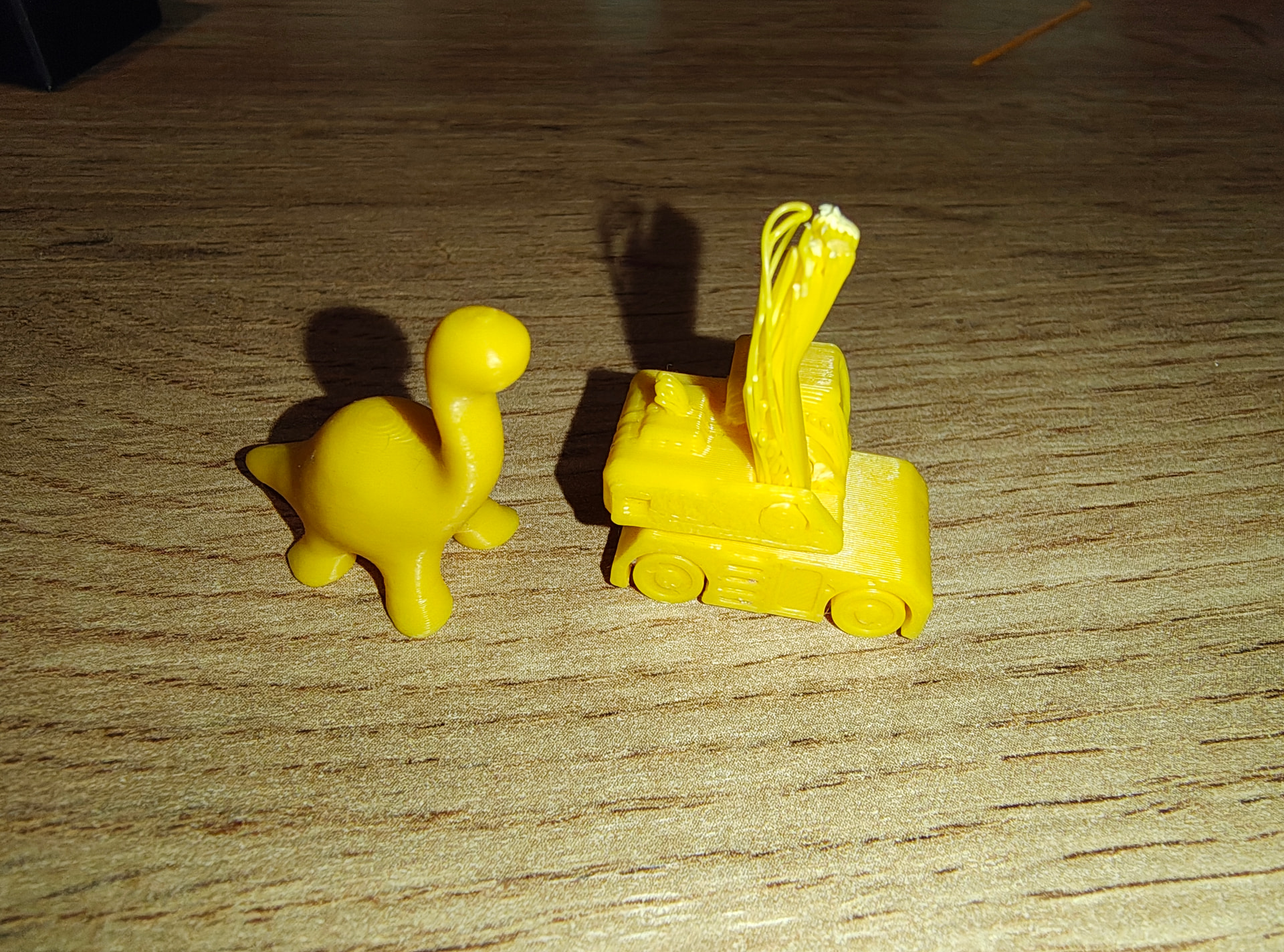
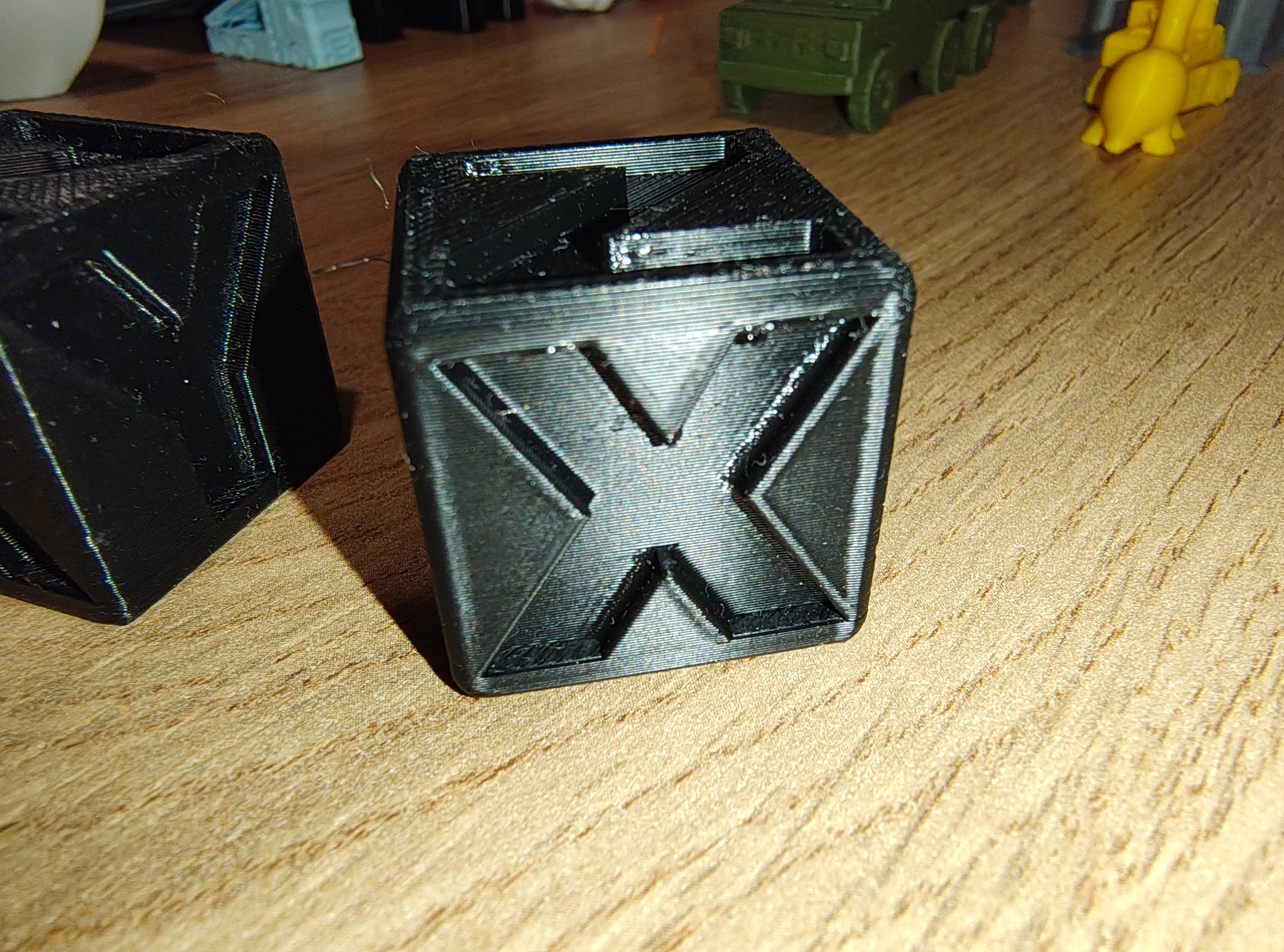
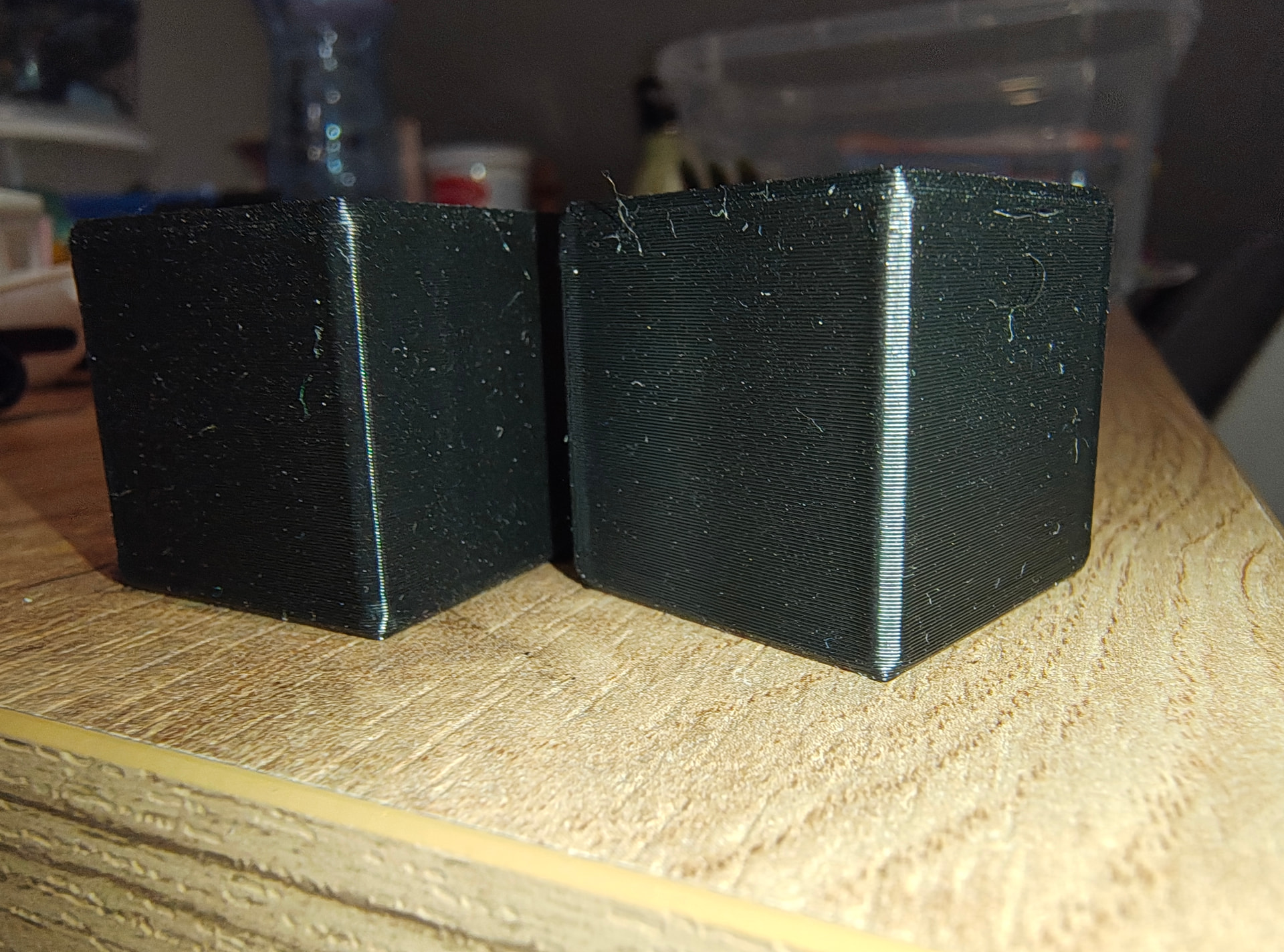
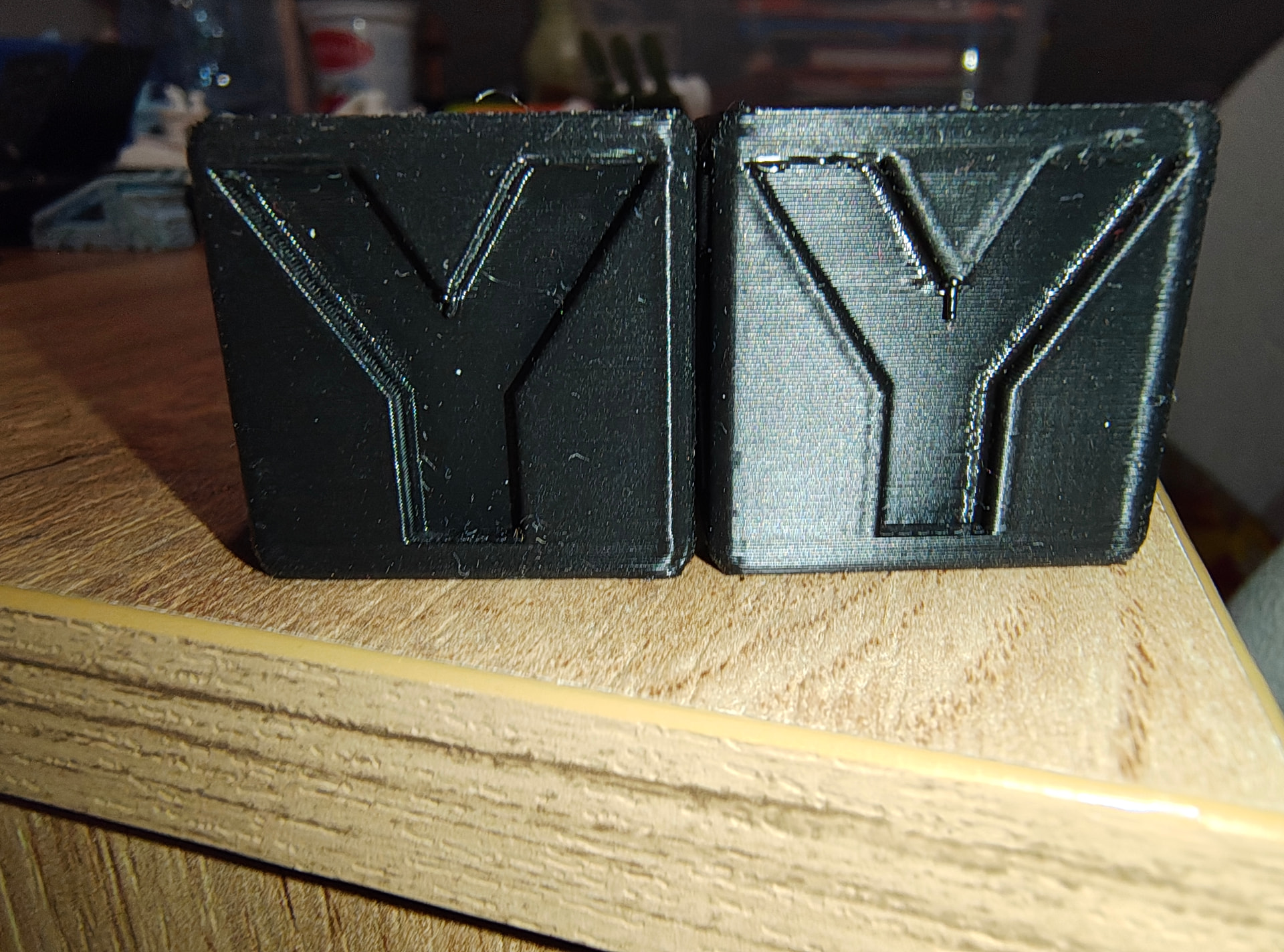
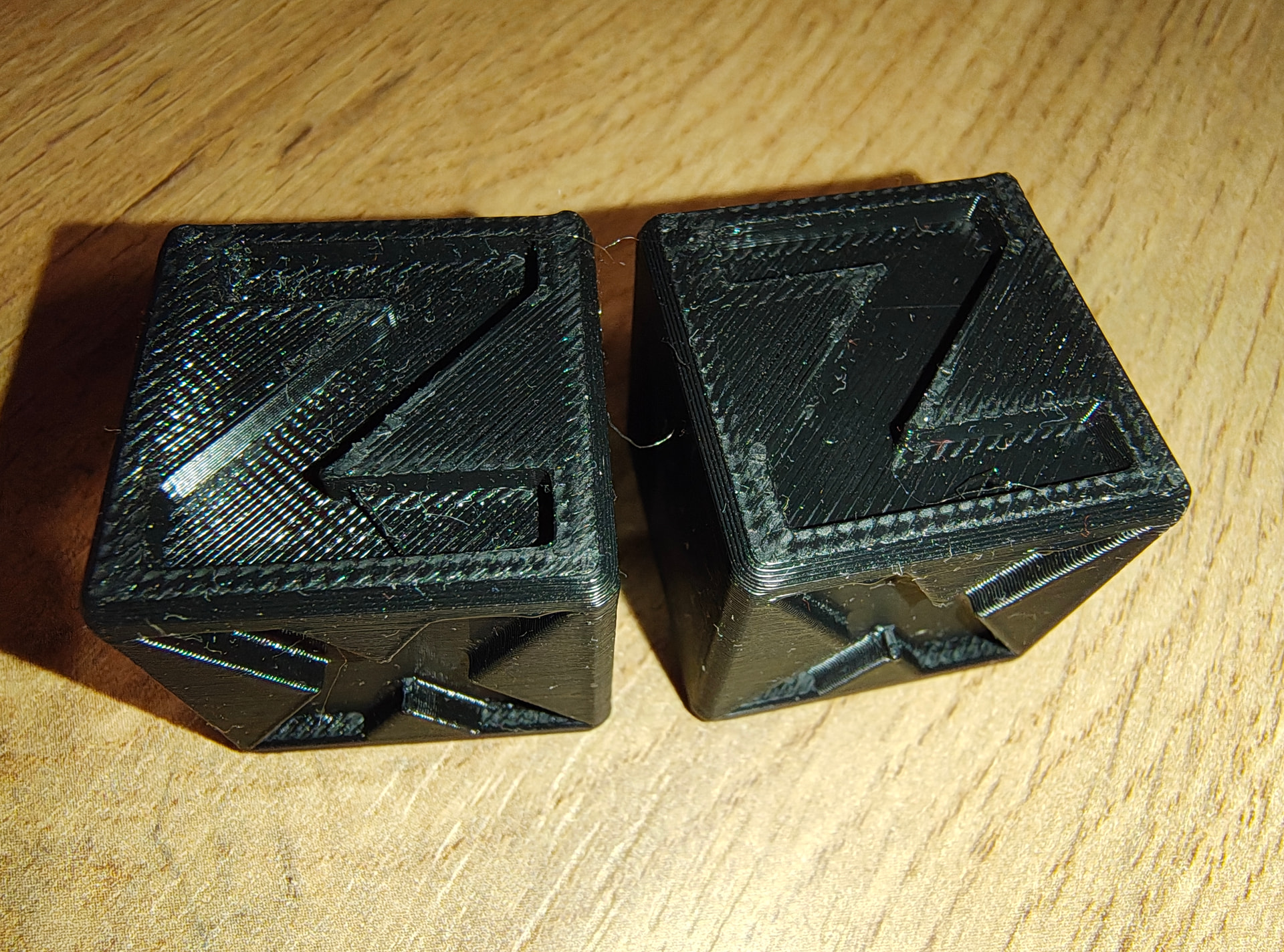
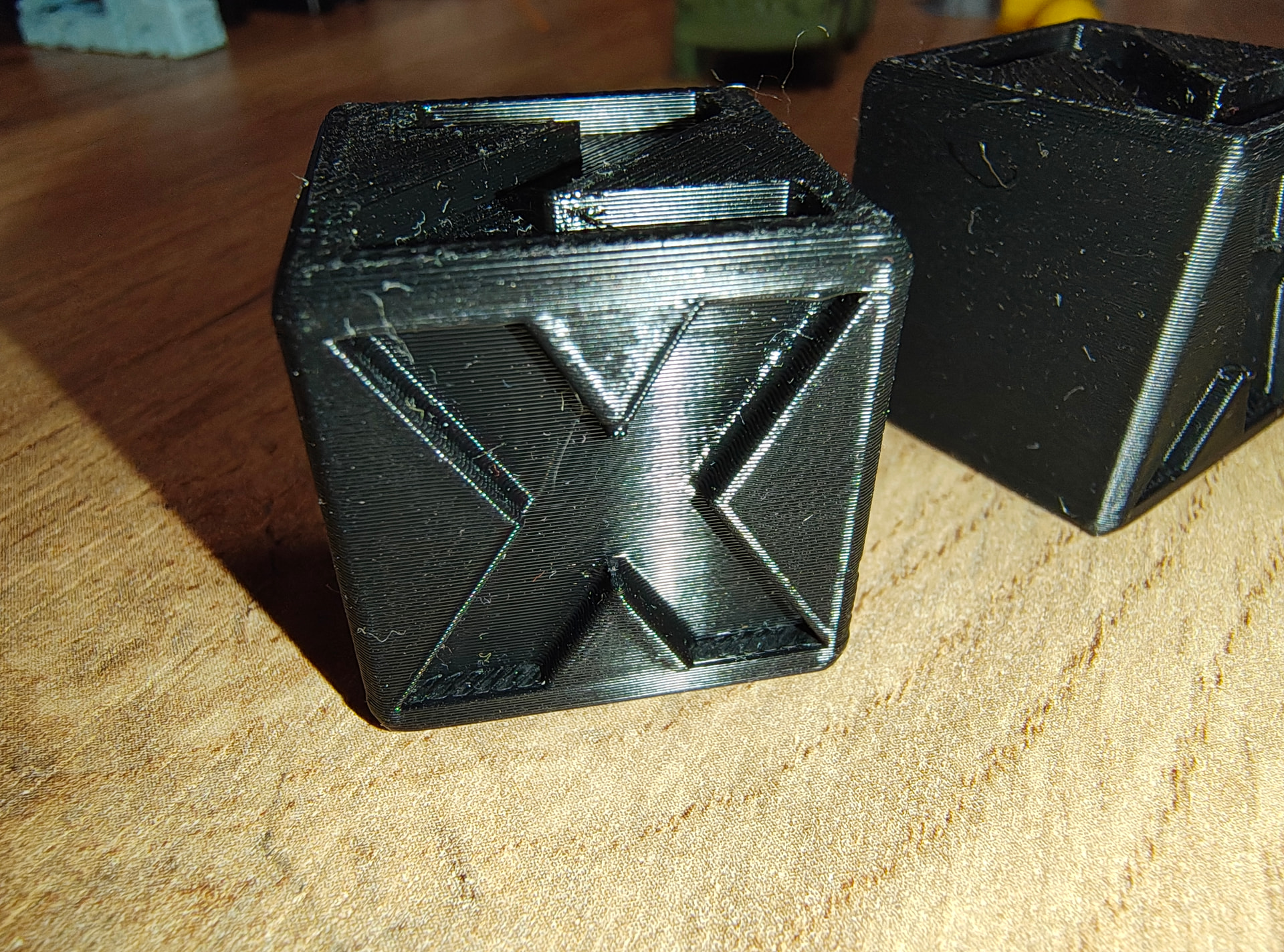
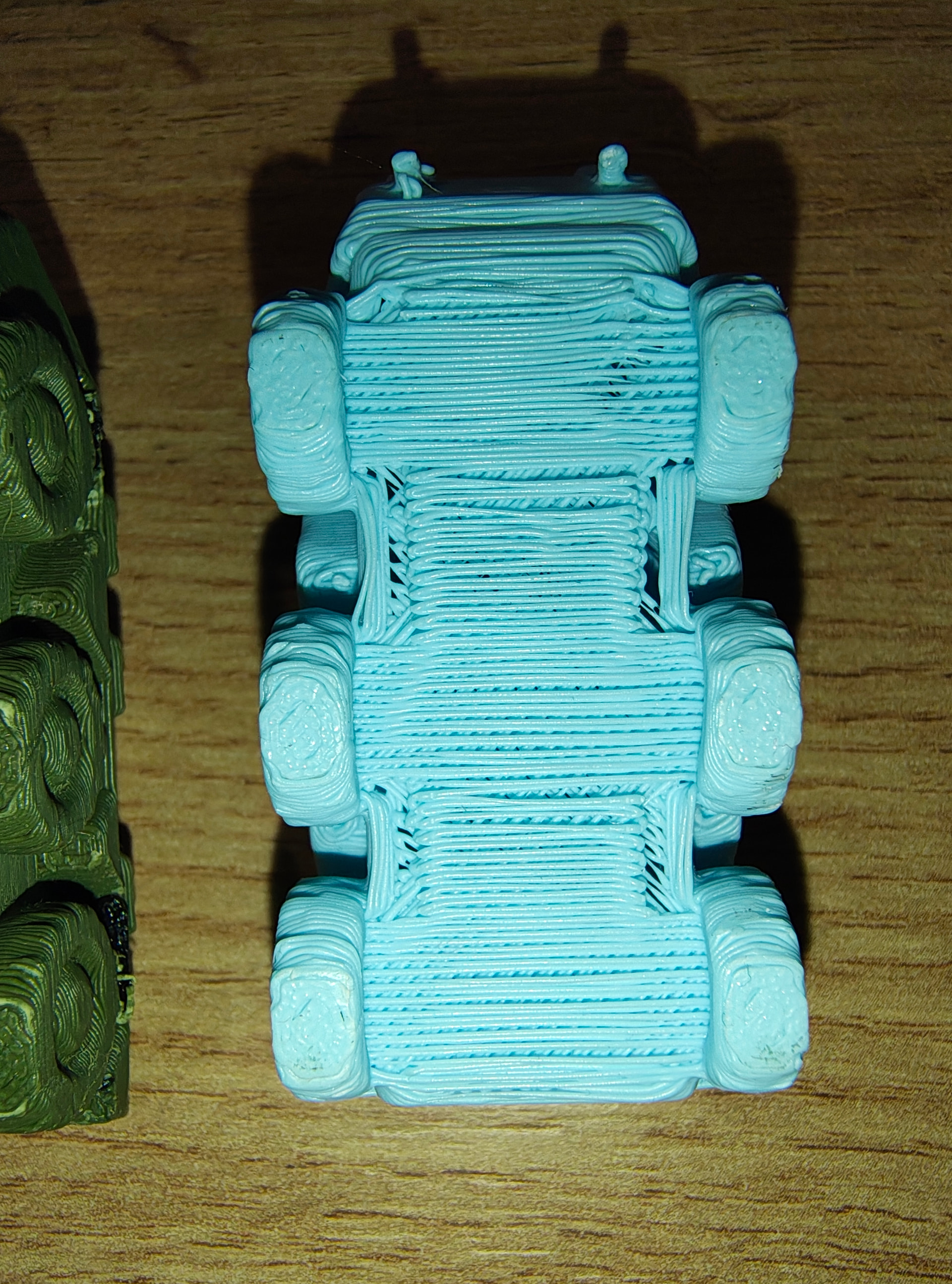
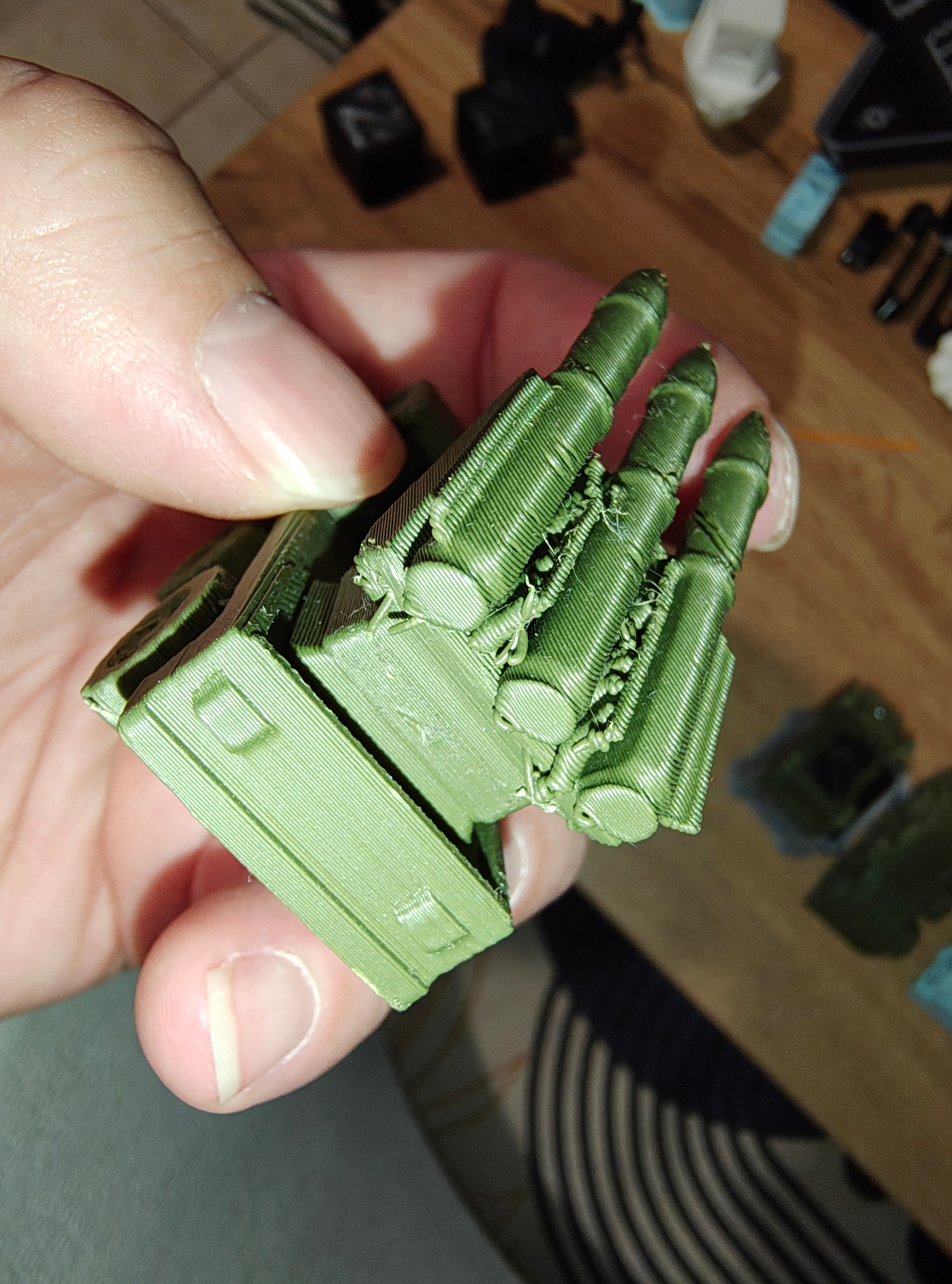
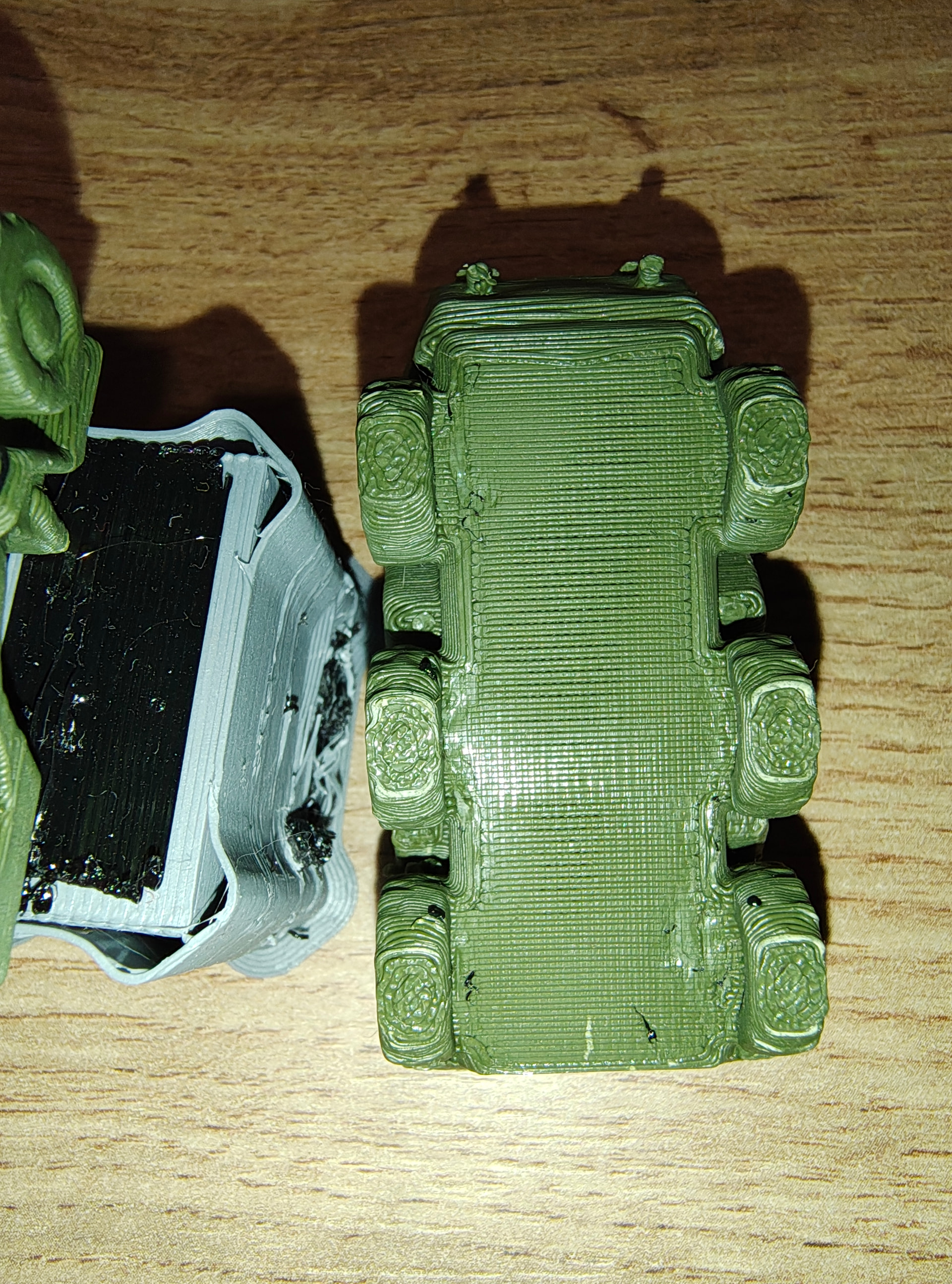
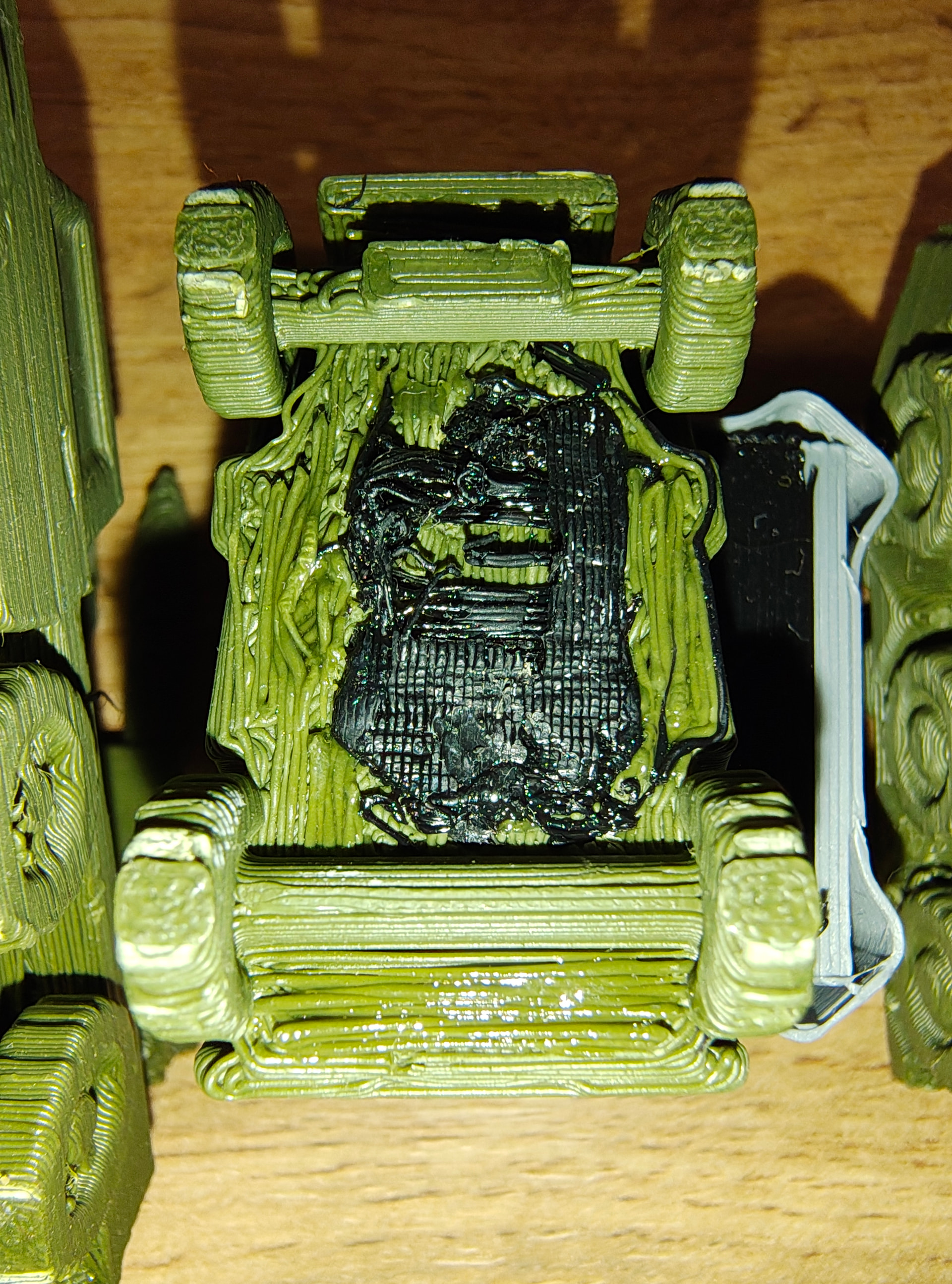

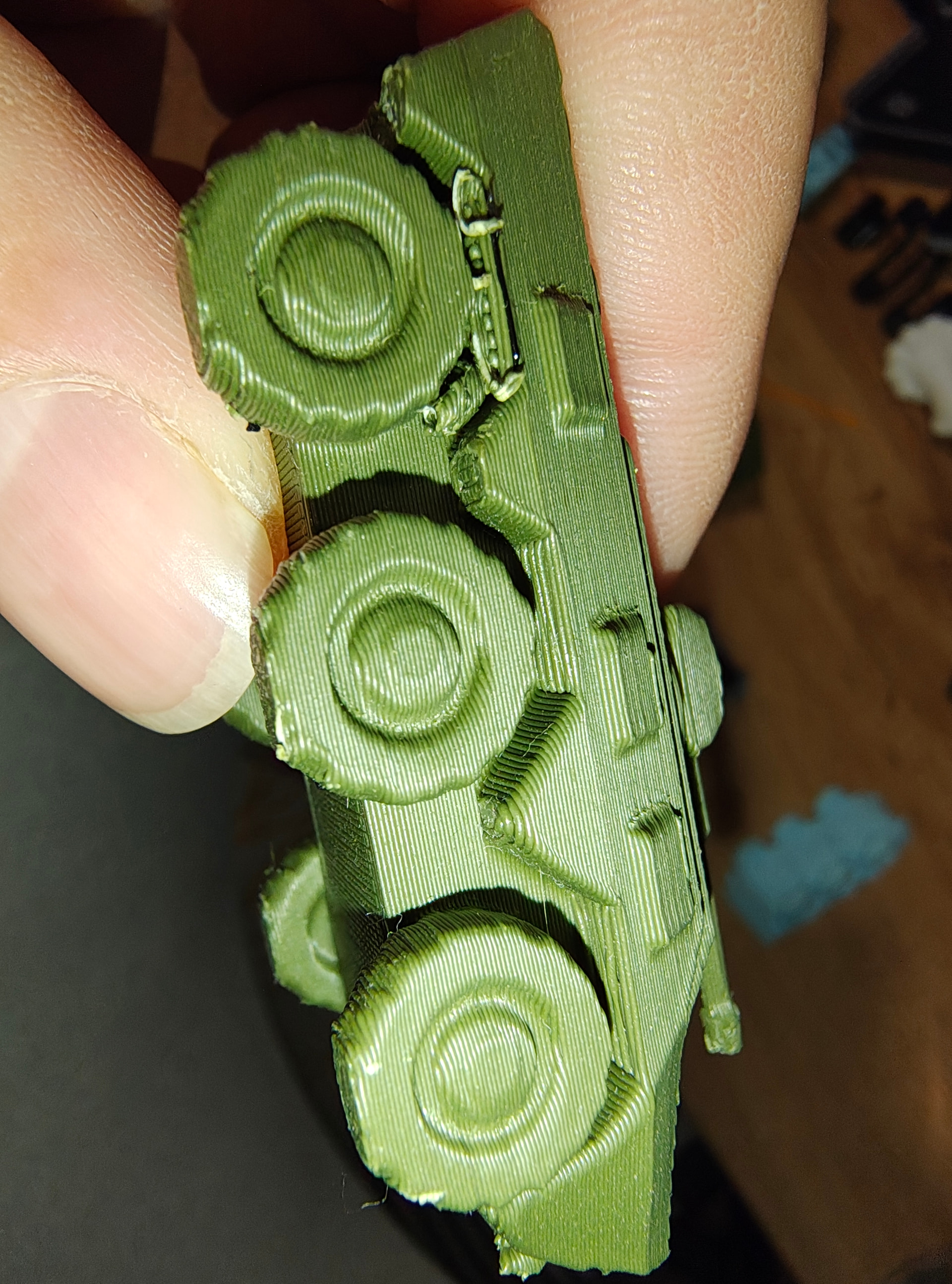
Can anyone see what’s wrong? This is printed with TierTime Premium Black ABS. I printed over a thousand of these on my X1C and I’m pretty sure I managed to print a several of them on my X2D a couple of weeks ago, but the last few printed on the X2D all have these issues when moving around corners. The tighter the corner the worse it is.